-
E-mail
jdjm17@aliyun.com
-
Phone
13381663924,18301025881
-
Address
No. 8 Xiaotun Road, Fengtai District, Beijing
Beijing Jiade Precision Technology Co., Ltd
Advantages and application scope of stainless steel biogas fermentation tank
Date: 2025-07-24Read: 2
Stainless steel biogas fermentation tanks have the advantages of strong corrosion resistance, good sealing, and strong controllability, and are mainly used in the fields of organic waste treatment and energy conversion.
Advantages of stainless steel biogas fermentation tank
Strong corrosion resistance: Stainless steel material can resist the corrosion of acidic substances generated during biogas fermentation, with a service life of over 10 years.
Good sealing: Ensure anaerobic environment, avoid bacterial contamination, and improve biogas production and purity.
Strong controllability: equipped with temperature control, pressure regulation and other functions, it can accurately control fermentation parameters and optimize gas production efficiency.
Easy to clean and maintain: Smooth inner wall design reduces material residue, facilitates cleaning and disinfection, and meets GMP requirements.
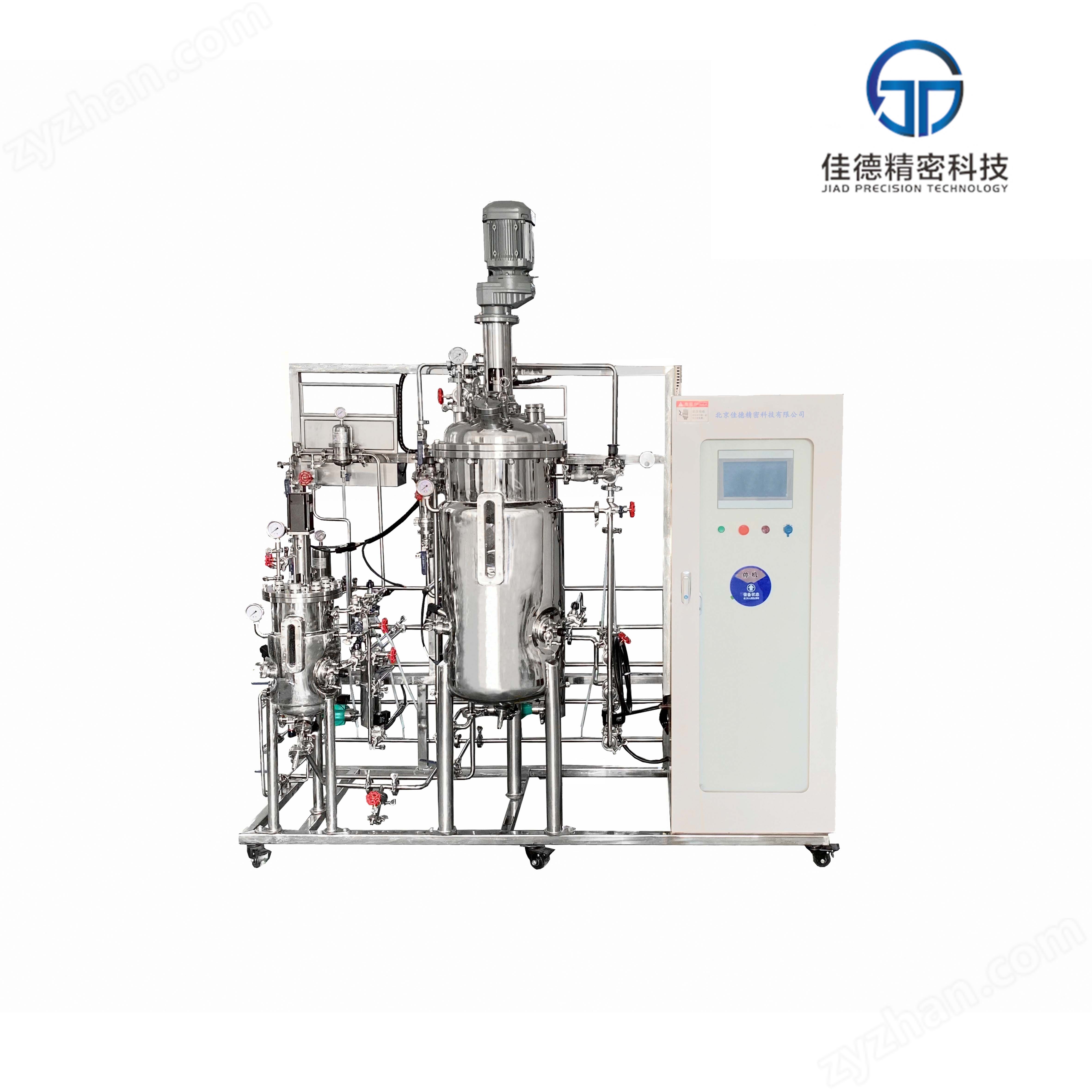
Application scope of stainless steel biogas fermentation tank
In the agricultural field, livestock manure and agricultural waste are processed and converted into biogas for energy or organic fertilizer raw materials.
Industrial sector: Processing organic wastewater, sludge and other waste to achieve resource utilization.
In the field of environmental protection, it is used for the treatment of organic waste such as kitchen waste, reducing pollution and generating renewable energy.