-
E-mail
386804674@qq.com
-
Phone
13775238898
-
Address
No. 5 Jianxin Road, Chunjiang Street, Xinbei District, Changzhou City, Jiangsu Province
Changzhou Feisi Lun Technology Co., Ltd
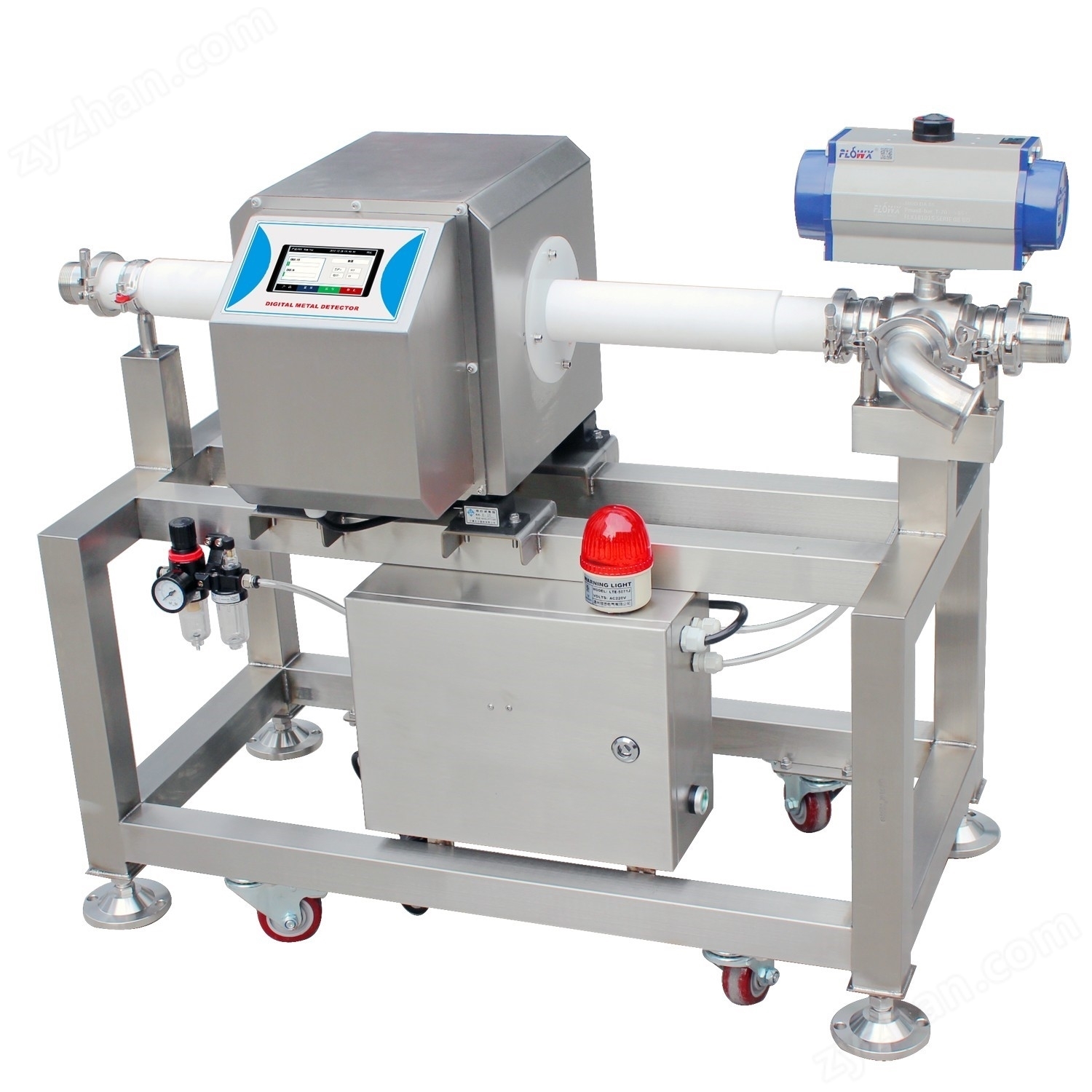
The working principle and wide application of pipeline metal detectors
Date: 2025-09-22Read: 3
The working principle of pipeline metal detectors is mainly based on electromagnetic induction technology, which detects the presence of metal objects by emitting and receiving electromagnetic signals. Its core components include a transmitter and a receiver: the transmitter sends electromagnetic signals of a specific frequency to the target pipeline or cable, while the receiver determines the position and depth of the metal by analyzing changes in the strength of the electromagnetic field. Some models also support multi frequency switching and digital signal processing (DSP) technology to improve detection accuracy.
In the specific working process, the metal detector generates an alternating magnetic field (usually around 200 kHz) through a high-frequency oscillator. When a metal object approaches, the magnetic field induces eddy currents on the metal surface, thereby generating a secondary magnetic field and breaking the original magnetic field balance. The detector analyzes magnetic field changes through phase demodulation technology, which can not only identify the presence of metals, but also distinguish metal types (such as iron or copper) and filter them.
The main application scenarios of pipeline metal detectors are as follows:
1. Industrial testing: used for detecting metal impurities on production lines to ensure product quality.
2. Security field: Check metal items carried with you at airports, stations, and other places.
3. Underground pipeline inspection: locate metal pipelines or cables in the urban pipeline network to avoid accidental excavation during construction.
4. Archaeology and Treasure Exploration: Low frequency models (1-30 kHz) are suitable for deep buried metal detection, while high-frequency models (over 30 kHz) are suitable for shallow high-sensitivity detection.
It should be noted that humid or high mineral environments may affect detection accuracy, and in this case, ground balance calibration is needed to optimize performance. Modern metal detectors also have automatic mapping functions, which can intuitively display the distribution of metals, further improving operational convenience.