-
E-mail
15013620917@163.com
-
Phone
15013620917
-
Address
No. 9 Minfu Road, Liaobu Town, Dongguan City, Guangdong Province
Dongguan Jike Automation Technology Co., Ltd
Operation and Maintenance Guide for 12 Station Liquid Nitrogen Freezing Bead Instrument: Efficient Maintenance to Ensure Long term Stable Operation of the Equipment
Date: 2025-12-18Read: 6
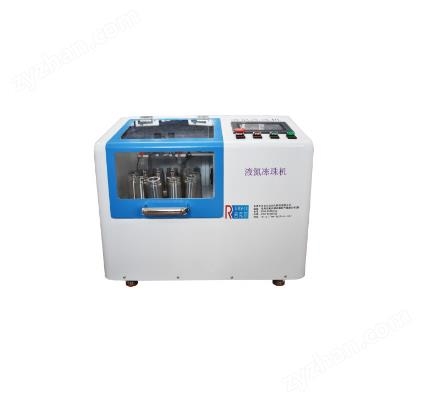
The liquid nitrogen freeze bead analyzer plays a key role in the production of in vitro diagnostic reagents, and its multi station design significantly improves production efficiency. Maintenance work is crucial to ensure the continuous and efficient operation of the equipment. This article mainly focuses on maintenance points, covering operational basics, daily maintenance, periodic inspections, and fault prevention, helping users extend equipment life and ensure production safety.
1、 Fundamentals of Operation: Safe Startup and Operation
Before operation, it is necessary to ensure that the equipment is installed in a stable and well ventilated environment, away from strong acids, alkalis, and heat sources to avoid the risk of corrosion or overheating. When starting, check if the power connection is secure, use a three pin grounding plug to prevent leakage, and ensure voltage matching. Operators should wear protective equipment such as safety goggles and gloves to prevent liquid nitrogen from coming into contact with the skin or eyes. During operation, avoid violent clicks on the touch screen, keep the operating interface clean, and prevent dust accumulation from affecting sensitivity.
2、 Daily Maintenance: Instant Cleaning and Inspection
Cleaning and inspecting immediately after each experiment is the core of maintenance. Firstly, turn off the equipment and empty the residual liquid nitrogen in the liquid nitrogen cup. Wipe the internal chamber with a soft cloth to remove impurities and dirt, and prevent clumping from affecting subsequent operations. Check the status of each component, such as sealing rings and pipeline connections, to ensure no wear or looseness, and replace aging components in a timely manner to avoid leakage. Clean the surface of the equipment with a damp cloth, avoid using corrosive cleaning agents, and maintain a clean appearance. These steps can significantly reduce the failure rate and improve equipment reliability.
3、 Periodic maintenance: deep cleaning and system calibration
Weekly or monthly, more comprehensive maintenance needs to be carried out. Focus on cleaning the liquid nitrogen supply system, including checking the quality and flow rate of liquid nitrogen to ensure that there are no impurities affecting the refrigeration effect. Rinse the condenser tube and extraction unit with distilled water. Stubborn residues can be soaked in dilute nitric acid and cleaned to prevent solvent from sticking to the wall. Calibrate the control system, such as touch screen parameters and servo turntable mechanism, to verify the consistency of frozen bead size and avoid bead connection or bursting problems. In addition, check the ventilation system, clean the dust screen of the fan, ensure heat dissipation efficiency, and prevent overheating and damage to electronic components.
4、 Fault prevention and safety precautions
During maintenance, attention should be paid to common signs of malfunctions, such as decreased cooling efficiency, which may be due to insufficient liquid nitrogen supply or equipment aging. Regularly inspect sensors and pressure valves to ensure accurate liquid level detection and prevent abnormal leaks. When operating, it is strictly prohibited to use the equipment in flammable environments. If leakage is found, immediately cut off the power and contact professional maintenance. Long term maintenance strategies include establishing log records of cleaning and inspection times to facilitate tracking of equipment status and proactively mitigate potential risks.
By following the above maintenance process, users can ensure the long-term stable operation of the 12 station liquid nitrogen bead freezer, ensuring production safety and efficiency.