-
E-mail
info-china@gerresheimer.com
-
Phone
18661195281
-
Address
Building 3, Rail Transit Industrial Park, No. 355 Longjin Road, Changzhou City, Jiangsu Province
Gresham Plastic Packaging (Changzhou) Co., Ltd
Design and structural optimization of medical plastic bottles
Date: 2025-11-25Read: 6
Medical plastic bottles are widely used for packaging drugs, chemicals, disinfectants, and other medical supplies. Due to the involvement of drug safety, ease of use, and economy, its design and structural optimization are particularly important. Reasonable design not only helps improve the functionality, durability, and safety of bottles, but also reduces production costs and meets market demand. Here isMedical plastic bottlesSeveral key aspects of design and structural optimization.
1、 Material selection and performance optimization
The selection of materials is crucial for the performance of the bottle. Common materials include polyethylene (PE), polypropylene (PP), polyvinyl chloride (PVC), and polyethylene terephthalate (PET). These materials each have their own characteristics, and the design needs to select suitable materials based on the usage environment, the characteristics of the substances inside the bottle, and the requirements of the finished bottle.
2、 Bottle mouth and sealing design
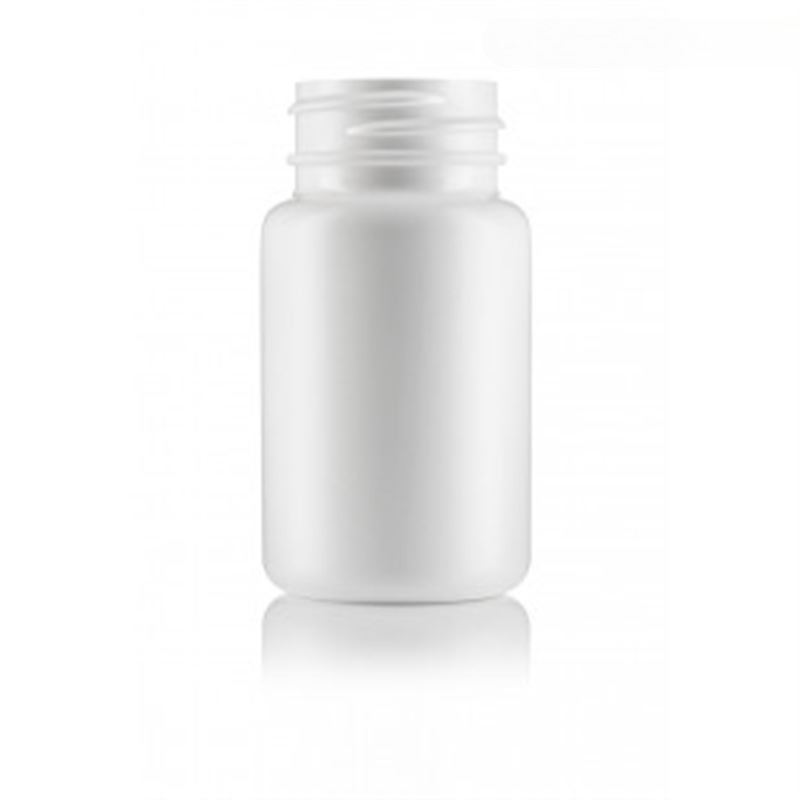
The design of the bottle mouth is crucial for its sealing and safety. Medical bottles usually need to effectively prevent the entry of external pollutants, while ensuring the effective storage of drugs or liquids inside the bottle.
1. Bottle mouth size and shape: The size and shape of the bottle mouth should be reasonably matched according to the design of the bottle stopper or cap. When designing, it is necessary to ensure that the bottle mouth has an appropriate width so that there is no waste when pouring out the liquid, while also ensuring the sealing of the bottle cap to prevent the contents from evaporating or being contaminated.
2. Sealing: In order to ensure the long-term preservation of drugs without contamination, the sealing design of bottle caps and necks must be very precise. Common sealing techniques include screw cap sealing, snap cap sealing, etc. Rubber gaskets or other sealing materials can be used during design to enhance sealing performance and prevent leakage or air infiltration.
3、 Optimization of bottle structure and function
The structural design of medical plastic bottles should fully consider the bottle's load-bearing capacity, stackability, and aesthetic appearance. In addition, the functional design of the bottle body is equally important, which requires consideration of cost and simplification of production processes while ensuring ease of use.
1. Structural reinforcement: In order to prevent the bottle from breaking during transportation, the bottle needs to have a certain strength and toughness. By adding reinforcing ribs or adopting a double-layer wall design in the bottle body design, the compressive and impact resistance of the bottle can be improved.
2. Convenient pouring of liquids: For packaging bottles of liquid drugs, the design of the bottle body should ensure that the drugs can be poured smoothly. A bottle body with a suitable tilt angle can be designed, or a flow control device such as a small hole or dropper can be installed near the bottle mouth to avoid drug waste.
3. Easy to identify and label: It is usually necessary to print information such as drug name, usage method, production date, etc. Therefore, bottle design should consider the space for easy labeling and the surface for easy printing. You can choose a flat or slightly raised surface for clear display of labels and printed content.
4、 Production process and cost control
When designing, production process and cost are also key factors that need to be closely monitored. Reasonable design can effectively reduce raw material waste in the production process, improve production efficiency, and reduce overall costs.
1. Blow molding technology: Blow molding is a common production process that can optimize the wall thickness distribution of the bottle body by changing the mold design, so that the bottle body can maintain strength while reducing material usage. Reasonable mold design and blow molding process can improve the production efficiency of products and reduce the waste of raw materials.
2. Automated production: Adopting automated production lines can significantly improve production efficiency, reduce manual errors and instability. Meanwhile, through automated assembly lines, the precision of the fit between the bottle cap and the bottle mouth can be better controlled, ensuring the sealing performance of the bottle.
The design and structural optimization of medical plastic bottles is a multidimensional project that involves material selection, structural design, production processes, environmental requirements, and other aspects. Reasonable design can not only improve the functionality and convenience of bottles, but also increase production efficiency, reduce costs, and meet the needs of environmental protection.