-
E-mail
info-china@gerresheimer.com
-
Phone
18661195281
-
Address
Building 3, Rail Transit Industrial Park, No. 355 Longjin Road, Changzhou City, Jiangsu Province
Gresham Plastic Packaging (Changzhou) Co., Ltd
Material selection and performance analysis of medicinal plastic bottles
Date: 2025-12-23Read: 6
Medicinal plastic bottles are widely used in the pharmaceutical industry and are an important component of drug packaging. They not only need to meet the requirements for safe storage and transportation of drugs, but also must comply with multiple standards such as hygiene, environmental protection, and economy. This article will explore its material selection and performance analysis, aiming to provide reference for pharmaceutical companies and packaging designers.
1、 Main materials
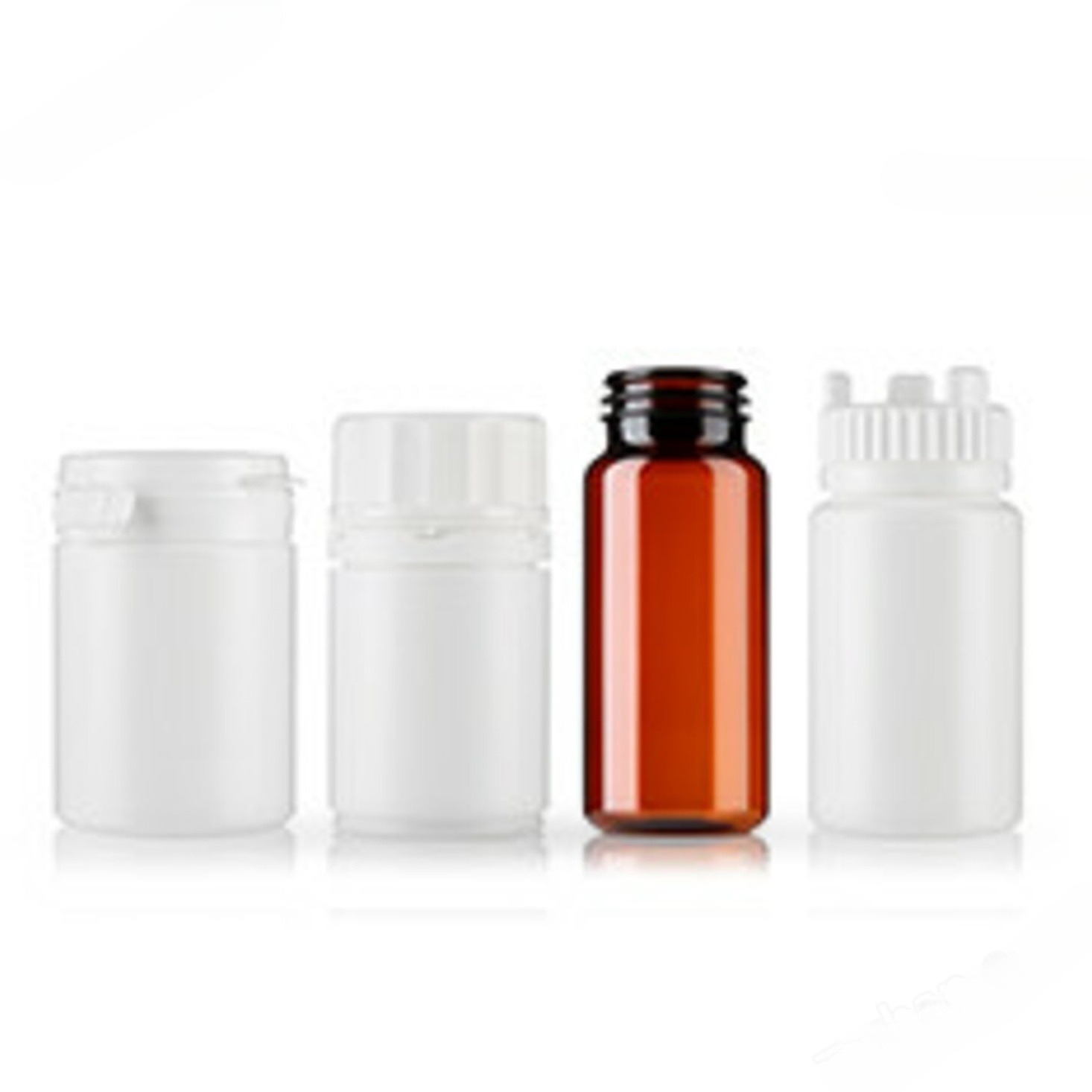
Medicinal plastic bottlesThe material selection directly affects its performance and applicability. Here are several commonly used plastic materials:
1. Polyethylene (PE): Polyethylene is a common medicinal plastic with good chemical stability and toughness. It is divided into two types: low-density polyethylene (LDPE) and high-density polyethylene (HDPE). LDPE is commonly used to manufacture soft bottles, while HDPE is commonly used for stronger containers. PE material is not easily reactive with drugs and can effectively protect the active ingredients of drugs.
2. Polypropylene (PP): Polypropylene is commonly used for packaging hot filled drugs due to its excellent heat resistance and chemical stability. PP material does not release harmful substances when heated and has strong UV resistance, which can effectively prevent drug photodegradation. In addition, PP bottles are relatively lightweight and suitable for large-scale production.
3. Polystyrene (PS): Polystyrene is used for disposable drug packaging, such as medication cups and bottles. Although it has good transparency, its impact resistance is poor, so caution should be exercised when using it. Due to its relatively low cost, it is usually used for packaging products for short-term use.
4. Polyethylene terephthalate (PET): PET is a high-strength and transparent material commonly used for the recycling and reuse of beverage bottles. PET bottles have good airtightness and chemical resistance, suitable for long-term storage of drugs, and have a high recycling rate, which is in line with the concept of sustainable development.
5. Polyurethane (PU): Polyurethane is also used in certain special drug packaging due to its excellent elasticity and biocompatibility. It is suitable for coating or composite materials of drugs to improve the overall performance of packaging.
2、 Material performance analysis
When selecting materials for medicinal plastic bottles, multiple performance indicators need to be comprehensively considered:
1. Chemical stability: It is necessary to have good compatibility with the drug ingredients, avoid reactions with the drug, and reduce the efficacy or produce harmful substances. Therefore, the chemical stability of the material is a key indicator. For example, PP and HDPE exhibit good chemical inertness in most cases.
2. Mechanical performance: It needs to withstand certain external forces during production, transportation, and storage, so its mechanical properties such as compression resistance, impact resistance, and tear resistance are crucial. PET and HDPE usually have high mechanical strength, which can effectively protect the drugs inside the bottle.
3. Breathability and barrier properties: For some drugs that are sensitive to oxygen or moisture, breathability and barrier properties are very important. PET performs well in this regardgoodIt can effectively block the permeation of oxygen and moisture, extending the shelf life of drugs.
4. Temperature tolerance: High temperature disinfection is required during the production process, and the heat resistance of the material determines whether it can withstand this process. PP and PET are popular choices as they can maintain good physical properties at high temperatures.
5. Hygiene and safety: The production process must follow strict hygiene standards to ensure the absence of harmful substances. Choosing food grade plastic materials such as PE and PP can effectively ensure the safety of the product. In addition, the recyclability of materials is also an important aspect that cannot be ignored in modern pharmaceutical packaging design.
The material selection and performance analysis of medicinal plastic bottles are fundamental guarantees for ensuring the safety and effectiveness of drugs. In the future development, pharmaceutical companies should choose suitable plastic materials based on the characteristics of different drugs, while paying attention to the trends of environmental protection and sustainable development to meet market demand and public health needs. Through continuous innovation and improvement, it will play a greater role in the field of pharmaceutical packaging.