-
E-mail
info-china@gerresheimer.com
-
Phone
18661195281
-
Address
No. 5 Huiyuan Road, Wangniudun Town, Dongguan City, Guangdong Province, China
Gresham Plastic Products (Dongguan) Co., Ltd
Timely resolution of issues with automatic injection devices is the core of ensuring treatment safety
Date: 2025-12-23Read: 4
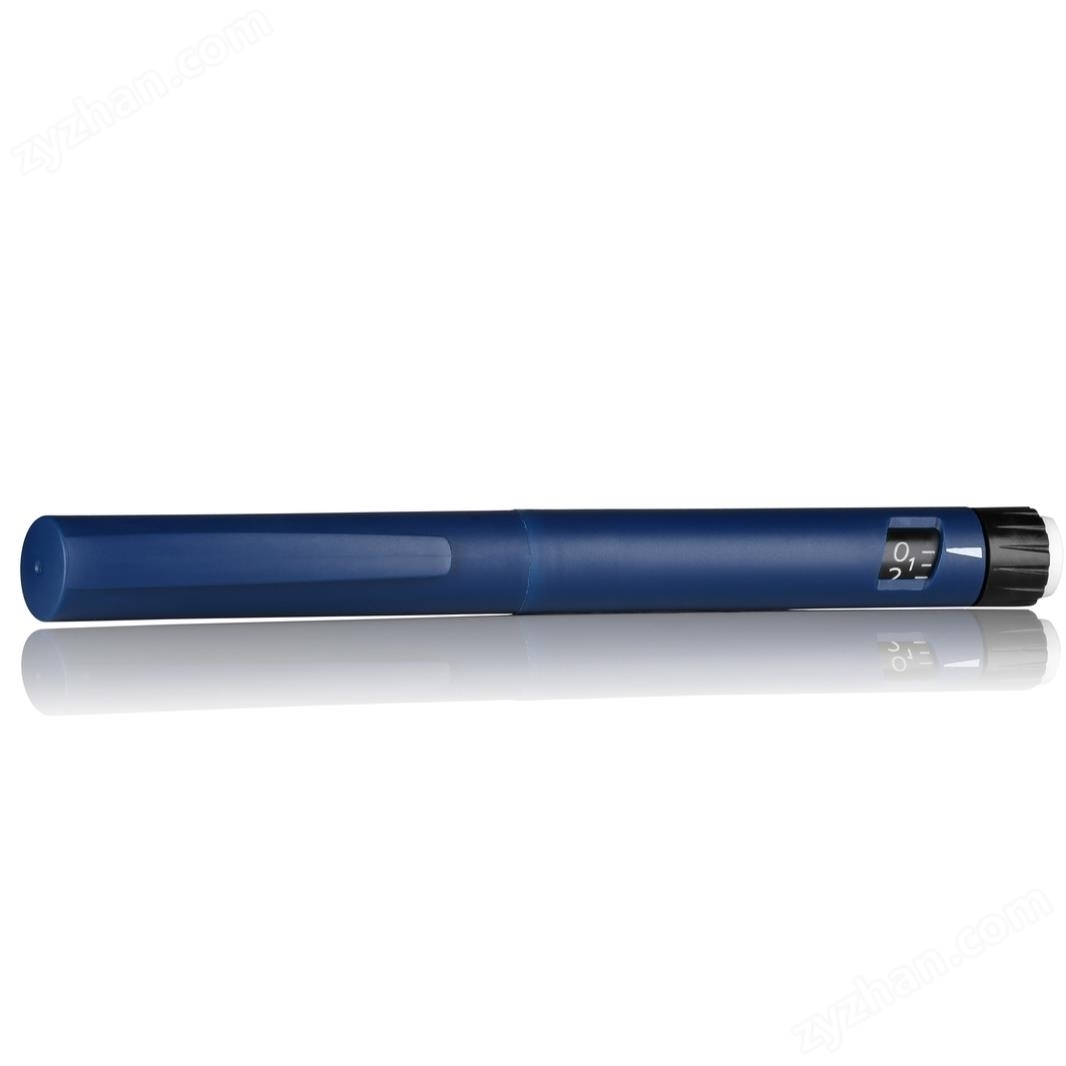
The automatic injection device realizes accurate, continuous or rapid drug administration through programmed control, and is widely used in diabetes management, postoperative analgesia, immunization and emergency scenarios. Its reliability is directly related to patient safety and treatment effectiveness. In clinical use, there may be risks such as infusion interruption, dose deviation, abnormal alarms, etc. due to improper operation, consumables issues, or equipment failures. Scientifically identifying problems with automatic injection devices and taking standardized response measures is the core of ensuring treatment safety.
1、 Interruption of infusion or no output of medication
Reason: Folding of tubing, blockage of needles, empty or bubble filled medication storage.
resolvent:
Check whether the infusion tube is bent or compressed, and straighten out the pipeline;
Observe the puncture site for redness, swelling, and leakage, and if necessary, reposition the needle;
Remove air bubbles from the medicine storage container (follow the equipment instructions to perform the "exhaust" procedure);
Confirm that the medication is not used up and replace the cartridge in a timely manner.
2、 Inaccurate dosage or abnormal flow rate
Due to incorrect settings, low battery power, or mechanical drive failure:
Check whether the medical orders are consistent with the device settings parameters (such as baseline rate and pre meal high dose);
Replace the low battery (some devices may slow down or shut down when the battery level is less than 10%);
If it is a mechanical pump, check if the drive motor is stuck and contact the engineer for maintenance.
3、 Frequent alarms (such as "occlusion" and "airline")
Typical examples include false triggering of pressure sensing or sensor contamination:
Blockage alarm ": Gently pull the pipeline to confirm if it is truly blocked, to avoid misjudgment;
Bubble alarm: Ensure the clarity of the medication and avoid the generation of microbubbles due to severe shaking;
Regularly clean the optical sensor window with alcohol swabs to prevent stains from interfering with the detection.
4、 Skin irritation or infection
The root cause is improper care of the puncture site or repeated use of consumables:
Strictly follow aseptic procedures, replace infusion tubing and puncture site every 2-3 days;
Avoid repeated punctures in the same area and rotate injection sites such as the abdomen and thighs;
If redness, swelling, heat and pain occur, stop using immediately and evaluate whether local infection has occurred.