-
E-mail
512032841@qq.com
-
Phone
15666889209
-
Address
Oulong Technology Park
Shandong Boke Instrument Co., Ltd
Portable chlorophyll analyzer for water quality: easy to operate, quick presentation of detection results
Date: 2025-12-12Read: 6
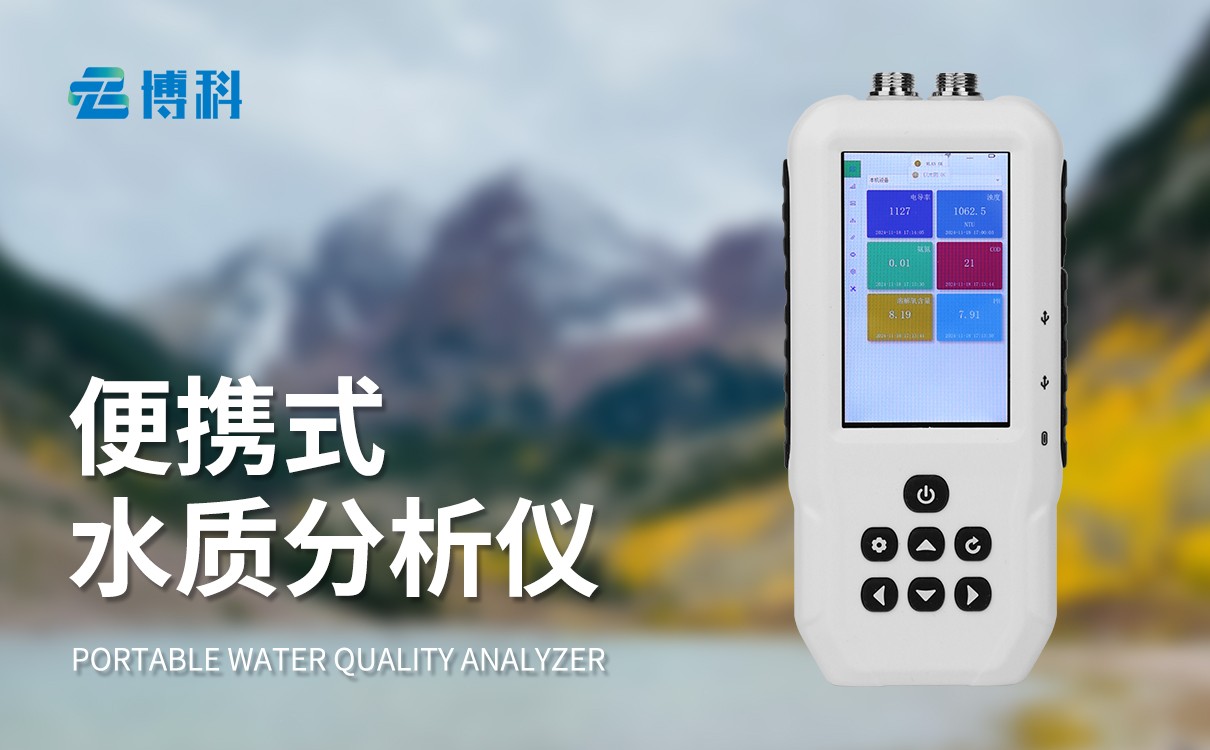
Portable water quality chlorophyll analyzer: easy to operate, quickly presenting detection results. BK-SS5 is continuously updated by Shandong Boke Instrument Manufacturer. In the field of water quality monitoring, chlorophyll content is a core indicator for evaluating the degree of eutrophication, algal growth status, and ecological health of water bodies. The traditional laboratory testing method requires collecting water samples and sending them to professional institutions for analysis, which is cumbersome and time-consuming, and difficult to meet the needs of rapid on-site decision-making. The portable chlorophyll analyzer for water quality has become a powerful assistant in the field of water quality monitoring due to its easy operation and fast presentation of results, providing efficient solutions for multiple scenarios such as environmental protection, aquaculture, scientific research and teaching.
1、 Easy to operate: One click measurement, no need for complex preprocessing
The design core of the portable water quality chlorophyll analyzer is "user friendliness". The operation process usually only requires three steps:
Collect water samples: Take water directly from the monitoring point without adding reagents or filtering treatment;
Importing equipment: Pour the water sample into the matching colorimetric dish or immerse it in water through a probe;
One click detection: Press the measurement button, and the instrument will automatically complete the photoelectric signal conversion and data analysis, displaying the results within seconds to minutes.
For example, the BK-SC15S measuring instrument adopts a colorimetric dish design, and users only need to pour the water sample into the dish. After placing it in the instrument, it can be illuminated by a specific wavelength light source, and the concentration can be quickly calculated using the absorption characteristics of chlorophyll on the spectrum. The BBE handheld chlorophyll analyzer goes even further, with its probe capable of directly diving 5 meters underwater and measuring in just 20 seconds, truly achieving "walking and measuring".
2、 Rapid presentation of results: coexistence of high precision and real-time performance
The portable measuring instrument integrates sensors and intelligent algorithms to significantly improve speed while ensuring detection accuracy
Electrode method technology: Adopting a fully digital electrode detection system, the sensitivity is higher than traditional optical methods, and it is less affected by environmental interference (such as turbidity and chromaticity). The measurement range can reach 0-500 μ g/L, the resolution is 0.01 μ g/L, and the error is controlled within ± 5%.
Intelligent operating system: Built in FTIoT and other systems optimized for water quality monitoring, supporting automatic calibration, temperature compensation, and data storage to ensure stable and reliable output even under complex water quality conditions.
Real time data management: Some models are equipped with Bluetooth or Wi Fi functions, and detection data can be synchronized to mobile apps or cloud platforms to generate trend charts for long-term tracking and analysis. For example, the RC-YLS01 instrument can store over 100000 pieces of data and supports USB export, meeting the needs of large-scale monitoring.
3、 Multi scenario application: full coverage from the field to the laboratory
The lightweight design (weighing less than 2kg) and long battery life (supporting 24-hour continuous operation on a single charge) of the portable water quality chlorophyll analyzer make it suitable for various monitoring scenarios:
Environmental inspection: Environmental protection departments can quickly screen for eutrophication risks in rivers and lakes, and promptly warn of algal blooms;
Aquaculture: Farmers adjust feeding rates and oxygenation strategies by monitoring chlorophyll content to prevent water quality deterioration caused by excessive algal growth;
Research and teaching: Researchers can analyze the distribution pattern of chlorophyll in different water bodies in real time, providing data support for ecological restoration.
Taking aquaculture as an example, excessive chlorophyll concentration may cause algal blooms, consume dissolved oxygen in water, and lead to suffocation of fish and shrimp. Portable measuring instruments can help farmers grasp water quality dynamics within minutes and nip risks in the bud.