-
E-mail
991516209@qq.com
-
Phone
15666887952
-
Address
Optoelectronic Industry Accelerator (Phase I) No. 155, Guangdian Circuit, High tech Zone, Weifang City, Shandong Province
Shandong Shuijing Sensing Technology Co., Ltd
Soil permeameter: precise measurement of soil moisture dynamics
Date: 2025-12-23Read: 48
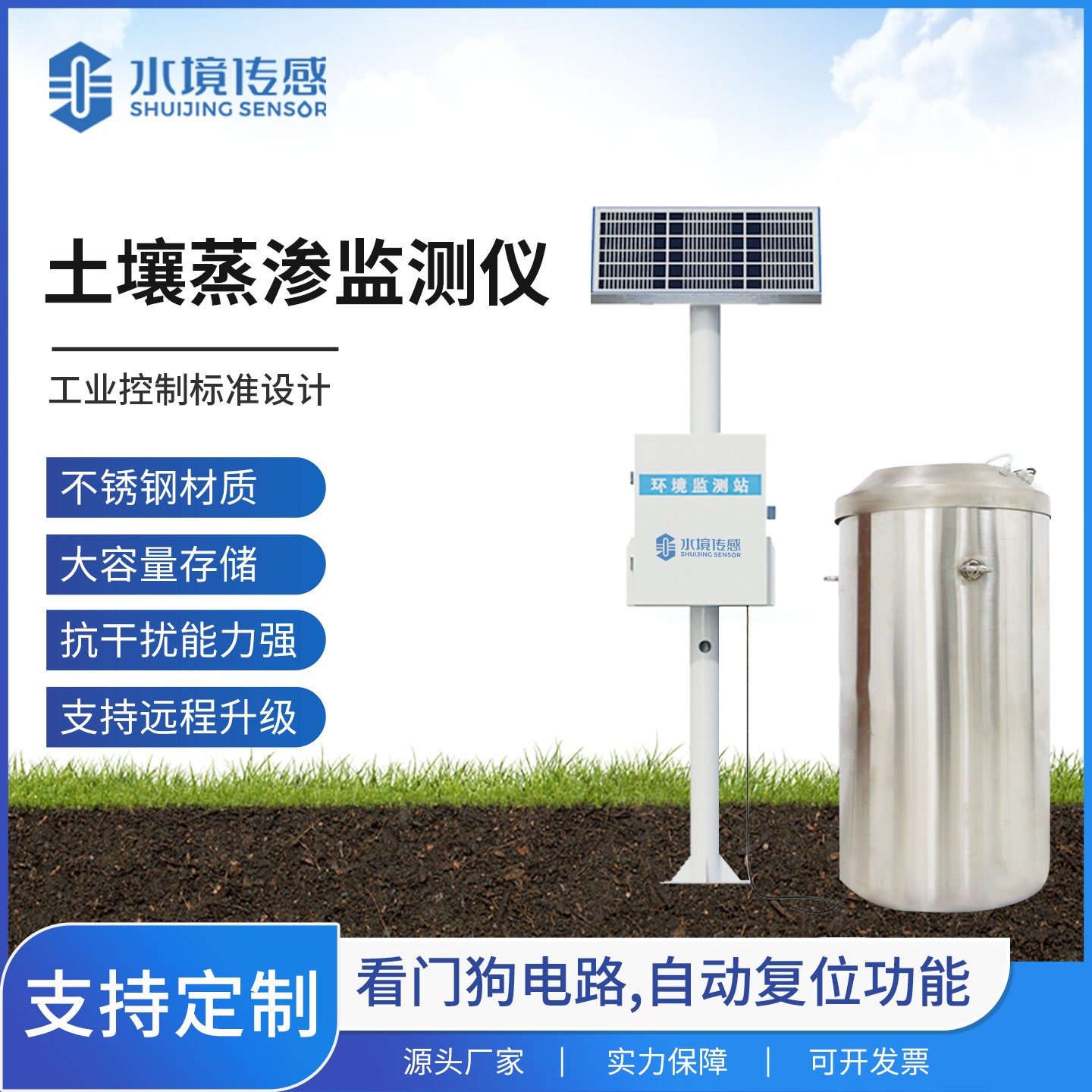
SJ-TZS Soil Infiltration MeterIt is a professional equipment used to monitor dynamic changes in soil moisture, evaporation, leakage, etc. It is widely used in the fields of agriculture, meteorology, hydrology, and ecological research.
1、 Main types
Weighing type permeameter
Principle: The high-precision weighing sensor installed at the bottom (with a resolution of up to 0.01 millimeters of water depth) is used to directly measure changes in soil weight and calculate evapotranspiration and leakage.
Features: High precision, capable of capturing small weight changes, suitable for short-term or continuous monitoring; The structure is complex and the cost is high, but the data reliability is strong.
Applications: Research on transpiration and evaporation in farmland, analysis of groundwater soil water conversion relationship, assessment of the impact of climate change on ecosystems, etc.
2、 Structural composition
1. Evaporator: a closed container with standardized soil surface area inside, used to place the soil to be tested.
2. Weighing device (weighing type): high-precision sensor or balance, real-time monitoring of changes in soil weight.
3. Leakage collection system: Collect the infiltrated water and measure the leakage amount.
4. Data collection and transmission module: integrates temperature, humidity, rainfall and other sensors, supports remote data transmission and cloud management.
threeApplication scenarios
1. Agricultural research
Measure crop transpiration, optimize irrigation system, and improve water resource utilization efficiency.
Study the laws of soil moisture movement and provide scientific basis for farmland moisture management.
2. Ecological research
Monitor the water balance of ecosystems such as wetlands and grasslands, and evaluate the impact of vegetation on evaporation.
Analyze the impact of climate warming on soil moisture cycling and ecosystem stability.
3. Hydrological and meteorological research
Long term monitoring of total evaporation in the watershed provides data support for water conservancy engineering planning and water resource development and utilization.
Validate the evapotranspiration calculation model to improve the accuracy of hydrological forecasting.
4. Environmental Engineering
Study the migration and transformation laws of pollutants such as pesticides and fertilizers in soil, and assess environmental risks.
Monitor soil salinization, acidification and other processes to guide soil remediation and treatment.
Last Article: One article on understanding portable weather stations
Next Article: How to choose a suitable biotoxicity online analyzer?