-
E-mail
chenwei@goparter.com
-
Phone
15201959539
-
Address
1789 Kangqiao Road, Pudong New Area, Shanghai
Shanghai Good Partner Medical Equipment Co., Ltd
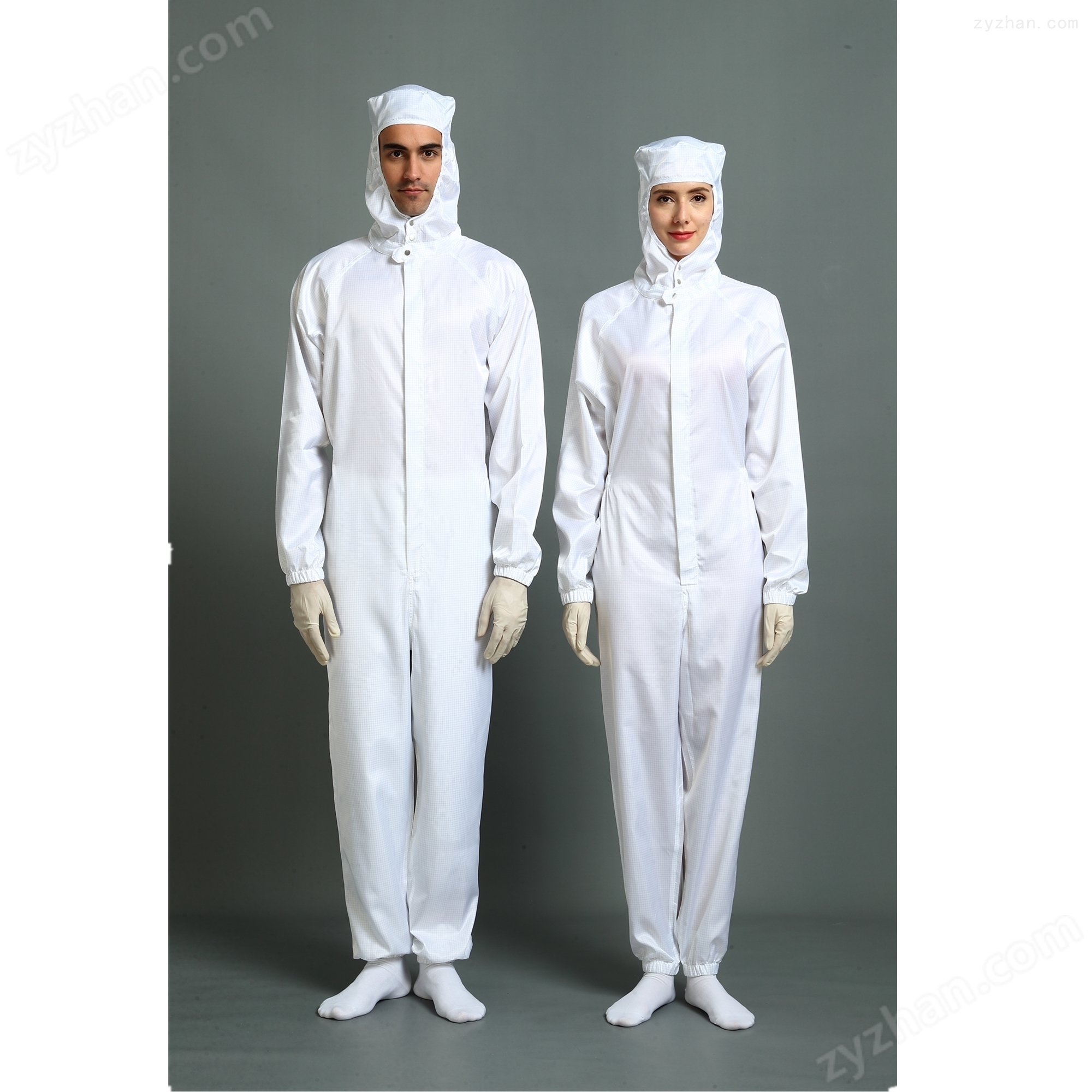
What are the advantages of using anti-static sterile clothing?
Date: 2025-12-15Read: 0
In industries such as pharmaceuticals, electronics, and biotechnology that require high cleanliness, anti-static sterile clothing has become a key equipment to ensure production safety and product quality. It not only has the clean and protective function of traditional sterile clothing, but also effectively suppresses static electricity generation through special design, providing dual protection for precision working environments. The following is a detailed analysis of its core application advantages:
1、 Good electrostatic protection capability ensures production safety
Anti static sterile clothing achieves charge neutrality by embedding conductive fibers (such as metal fibers or carbon fibers), avoiding the adsorption of dust or small discharges caused by static electricity accumulation. In the manufacturing of electronic components, static electricity may penetrate sensitive circuits, leading to product scrap; In the pharmaceutical industry, particles adsorbed by static electricity may contaminate drugs and affect sterile environments. This clothing can significantly reduce such risks and ensure the stability of the production process. For example, in semiconductor workshops, anti-static design can prevent static electricity from damaging wafers and improve yield.
2、 Efficient sterile barrier reduces contamination risk
Using tightly woven polyester filament and other materials, anti-static sterile clothing can effectively block the particles and microorganisms emitted by the human body, preventing them from polluting the clean environment. In the aseptic production line of drugs, this protection is crucial to prevent operators from becoming a source of contamination and comply with the strict standards of GMP regulations for clean areas. The integrated design further enhances the sealing and reduces the escape of particles from clothing gaps, making it particularly suitable for biotechnology and medical device production fields that require high cleanliness.
3、 High temperature resistance and durability, suitable for harsh working environments
The material has undergone special treatment, such as using aramid or polyphenylene sulfide fibers, to give the clothing high temperature resistance and withstand steam sterilization at 121 ℃, meeting the repeated disinfection needs of the pharmaceutical industry. At the same time, the fabric is wear-resistant and corrosion-resistant, and can maintain its performance for a long time in environments such as chemical or food processing, reducing replacement frequency and lowering operating costs. For example, in a high-temperature sterilization workshop, clothing will not deform or functionally degrade due to frequent disinfection.
4、 Comfort and ergonomic design enhance work efficiency
Anti static sterile clothing emphasizes the wearing experience, using breathable fabrics and elastic cutting to ensure the comfort of operators during long-term operations. The one-piece design paired with multifunctional pockets makes it convenient to carry tools while reducing activity constraints and improving work efficiency. In electronic assembly or laboratory settings, this design can reduce fatigue and ensure personnel focus.
5、 Multi industry applicability, expanding application scenarios
Its advantages are not limited to pharmaceuticals, but also widely applied in fields such as electronics, food, aerospace, etc. In the electronic manufacturing industry, protecting precision components from electrostatic interference; In food processing, prevent static electricity from adsorbing foreign objects and contaminating products; Ensure high-precision equipment operates in a clean environment in the aerospace field. This wide applicability makes it an ideal solution for cross industry clean protection.
Conclusion
Anti static sterile clothing provides a comprehensive solution for the high cleanliness industry through the integration of static protection and sterile barriers. From improving production safety to adapting to diverse environments, its advantages have significantly promoted the improvement of industrial efficiency and product quality. With technological advancements, this type of clothing will continue to play a critical role in precision manufacturing and healthcare.