-
E-mail
2115911091@qq.com
-
Phone
13817861523
-
Address
No. 6, Lane 358, Wencheng Road, Xincheng, Songjiang District, Shanghai
Shanghai Hujing Medical Equipment Co., Ltd
What are the characteristics and requirements for exhaust of secondary biosafety cabinets?
Date: 2025-08-13Read: 5
70% of the air volume in A1 and A2 biosafety cabinets is recycled, 30% is discharged from the cabinet, 70% of the gas in B1 biosafety cabinet is discharged externally, 30% is recycled, and 100% of the gas in B2 biosafety cabinet is discharged externally and not recycled.
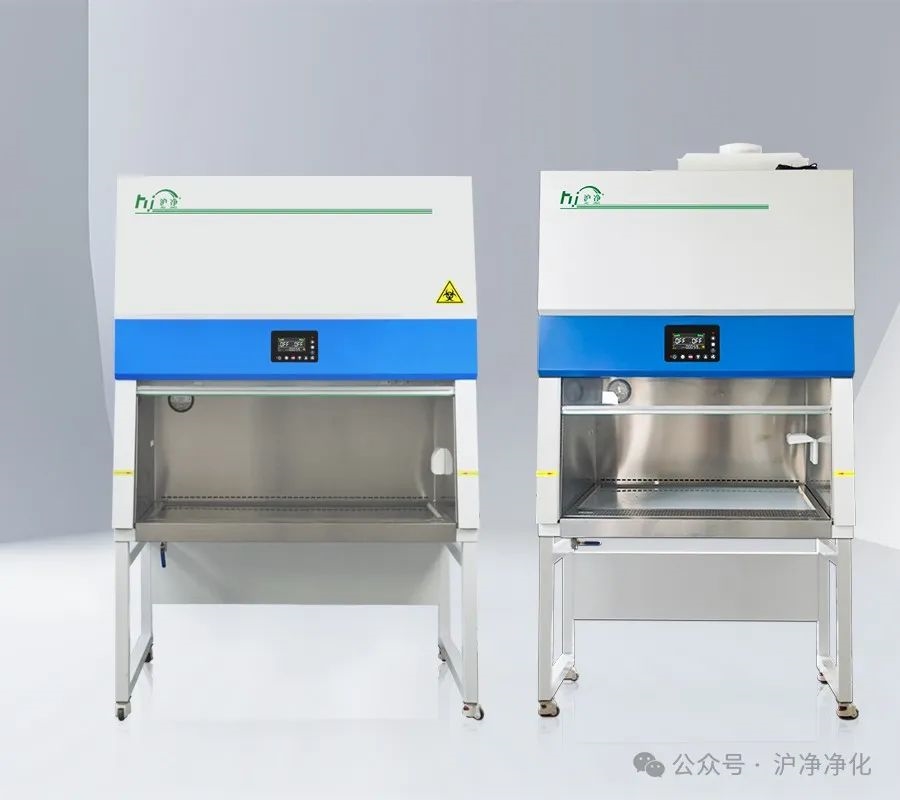
Whether an external exhaust pipe is required for the exhaust of a secondary biosafety cabinet should be determined based on different models. If it is an A1 or A2 biosafety cabinet, it is generally not required to connect an external exhaust pipe and can be directly discharged and circulated in the laboratory. If it is necessary to exhaust the gas outside the laboratory, a negative pressure exhaust hood (soft connection form) should be used to exhaust the gas outside the laboratory, rather than a hard connection. The exhaust gas needs to be filtered through a high-efficiency filter before being discharged.
B1 and B2 type biosafety cabinets generally require gas to be directly discharged outdoors through external exhaust pipes (hard connections), and the gas should not be recycled. The exhaust volume of the exhaust system should match the air volume of the biosafety cabinet and the laboratory, and should be interlocked with each other to ensure safe use and environment.