-
E-mail
1925828743@qq.com
-
Phone
13817778469
-
Address
105 Nanzhangjing Road, Chengxiang Town Science and Technology Industrial Park, Taicang City, Suzhou (at the intersection with Shengjing Road)
Shanghai Shengguan Machinery Equipment Co., Ltd
Comprehensive Cleaning Operation Manual for Syrup Filling and Capping Machine
Date: 2025-12-24Read: 4
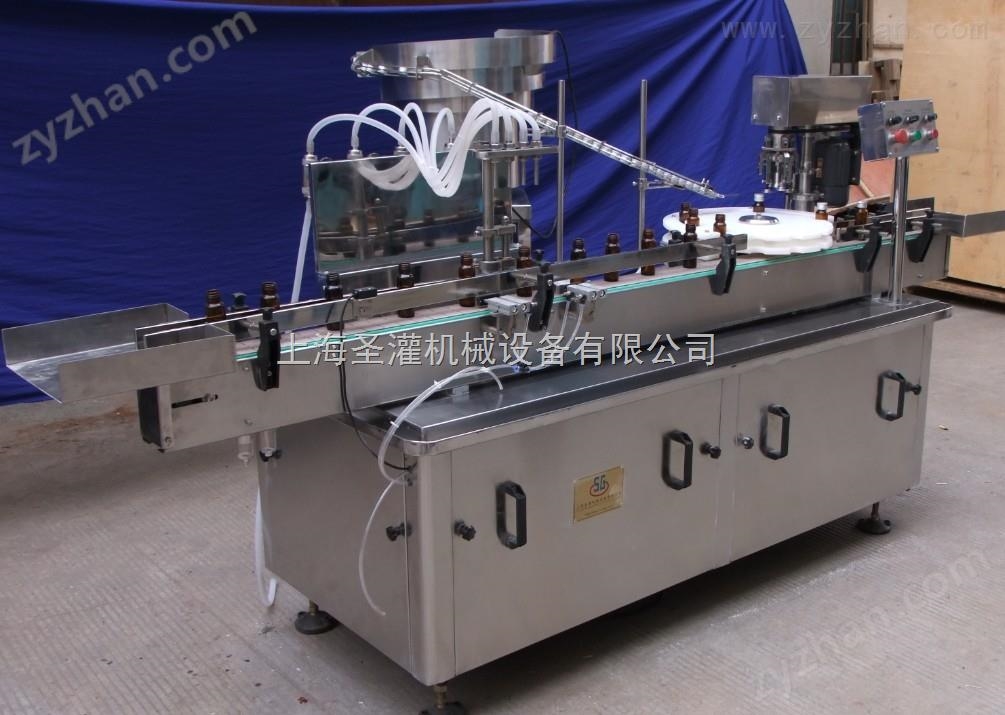
The cleaning of syrup filling and capping machine is a key link to ensure product quality and equipment life. It is necessary to follow a systematic process to avoid scaling and pollution caused by syrup residue. The following is a step-by-step cleaning guide that covers preparation, operation, and precautions:
1、 Preparation before cleaning
safety measuresTurn off the power and air supply of the device, ensure complete shutdown, and prevent accidental start-up. Operators need to wear protective equipment such as gloves, masks, and non slip shoes.
Tools and MaterialsPrepare food grade cleaning agents, soft bristled brushes, purified water, 75% alcohol, disinfectant, etc., and avoid using corrosive chemicals.
environment checkEnsure good ventilation in the work area, remove surrounding debris, and facilitate efficient operation.
2、 Cleaning steps for different locations
1Cleaning of filling head and material tank
Disassemble detachable components such as conveyor belts and valves, and rinse them three times with 40-50 ℃ warm water to remove surface syrup residue.
For stubborn stains, soak in a 2% sodium hydroxide solution for 20 minutes to break down the grease, and then rinse with purified water until neutral.
Gently brush the liquid outlet with a soft bristled brush to avoid damaging the sealing structure and ensure that the filling accuracy is not affected.
2Cleaning of conveyor belt and bottle sorting machine
Wipe the surface of syrup splashes with a damp cloth, treat the oil stains with neutral detergent, and prohibit organic solvents to prevent rubber aging.
Clean the empty bottle fragments in the hopper of the bottle sorting machine, use alcohol swabs to remove the debris from the capping machine mold, and keep the track smooth.
3Capping machine and mold cleaning
Remove broken glass shards from the covered area and thoroughly wipe it clean with disinfectant to prevent cross contamination.
Check the fixing condition of the rolling knife to ensure that the rolling cap is tight and avoid loose or leaking bottle caps.
4Equipment surface and environmental cleanliness
Wipe the body, control panel, and console with a damp cloth, focusing on cleaning button gaps to prevent syrup accumulation from affecting functionality.
Keep the surroundings of the equipment dry, avoid rusting of metal parts, and regularly ventilate to reduce the risk of microbial growth.
3、 Post cleaning treatment and disinfection
Disinfection processContact parts should be disinfected with 75% alcohol spray, and non-contact surfaces should be wiped with alcohol wipes to ensure no hygiene blind spots.
Drying and inspectionAfter cleaning, the components need to be naturally dried. When reassembling, check the sealing if there is no leakage from the filling head.
Record and acceptanceFill in the cleaning record, and after the quality department accepts it as qualified, hang the "Cleaning Certificate" before restarting production.
4、 Precautions and maintenance suggestions
Safety firstDuring cleaning, it is strictly prohibited to insert hands or tools into the operating area to prevent mechanical injury.
Avoid damageDo not use hard objects to scratch the sealing ring or surface, prioritize using food grade silicone accessories.
regular maintenanceCalibrate filling dosage weekly, lubricate transmission components monthly, and extend equipment lifespan.
Common problem handlingIf there is a deviation in filling volume, the piston stroke needs to be checked; When the capping is not tight, adjust the height of the rolling blade.
5、 Cleaning frequency and cycle
Daily cleaningExecute after each batch of production to prevent the accumulation of syrup residue.
deep cleaningPerform weekly precision calibration and component inspection, and conduct comprehensive maintenance every quarter.
special circumstancesAfter producing high viscosity syrup, increase the cleaning frequency to avoid clogging.
Following this process ensures efficient operation of the equipment while complying with food safety standards. If further optimization of the cleaning plan is needed, the details can be adjusted according to specific production needs.