-
E-mail
qihua.chen@yinizhisci.com
-
Phone
13701760200
-
Address
East side of 1st floor, Building 3, No. 111 Real Estate Road, Jinqiao Economic Development Zone, Pudong New Area, Shanghai
Shanghai Yinzhi Scientific Instrument Co., Ltd
Analysis of the Development Trends of the Instrument Aftermarket and the Status of the Second hand Instrument Market in the First Half of 2025
Date: 2025-08-12Read: 4
In the first half of 2025, the global instrument aftermarket is undergoing changes and growth, influenced by multiple factors such as technological innovation, policy orientation, economic environment, and sustainable development concepts. With the increasingly widespread application of scientific instruments and industrial equipment in various industries, post market services and second-hand instrument transactions have become important links in the industry chain. This article will comprehensively analyze the industry development trend in the first half of 2025 from the perspectives of intelligent transformation of the instrument aftermarket, domestic substitution process, service mode innovation, and green circular development. At the same time, it will deeply analyze the supply and demand pattern, regional characteristics, challenges and opportunities faced by the second-hand instrument market, providing valuable market insights for industry participants.
Intelligent transformation and digital upgrading of the instrument aftermarket
In the first half of 2025, the deep integration of artificial intelligence and IoT technology in the instrument aftermarket is reshaping traditional service models. According to market research data, the error rate of AI fault diagnosis systems has been reduced to below 0.001%, and predictive maintenance technology can warn potential equipment failures 30 days in advance, transforming the industry from 'passive response' to 'active prevention'. This transformation significantly improves equipment operating efficiency and reduces losses caused by unplanned downtime, especially in high-value precision instrument fields such as semiconductor testing equipment and medical imaging systems, where intelligent operation and maintenance have become standard services.
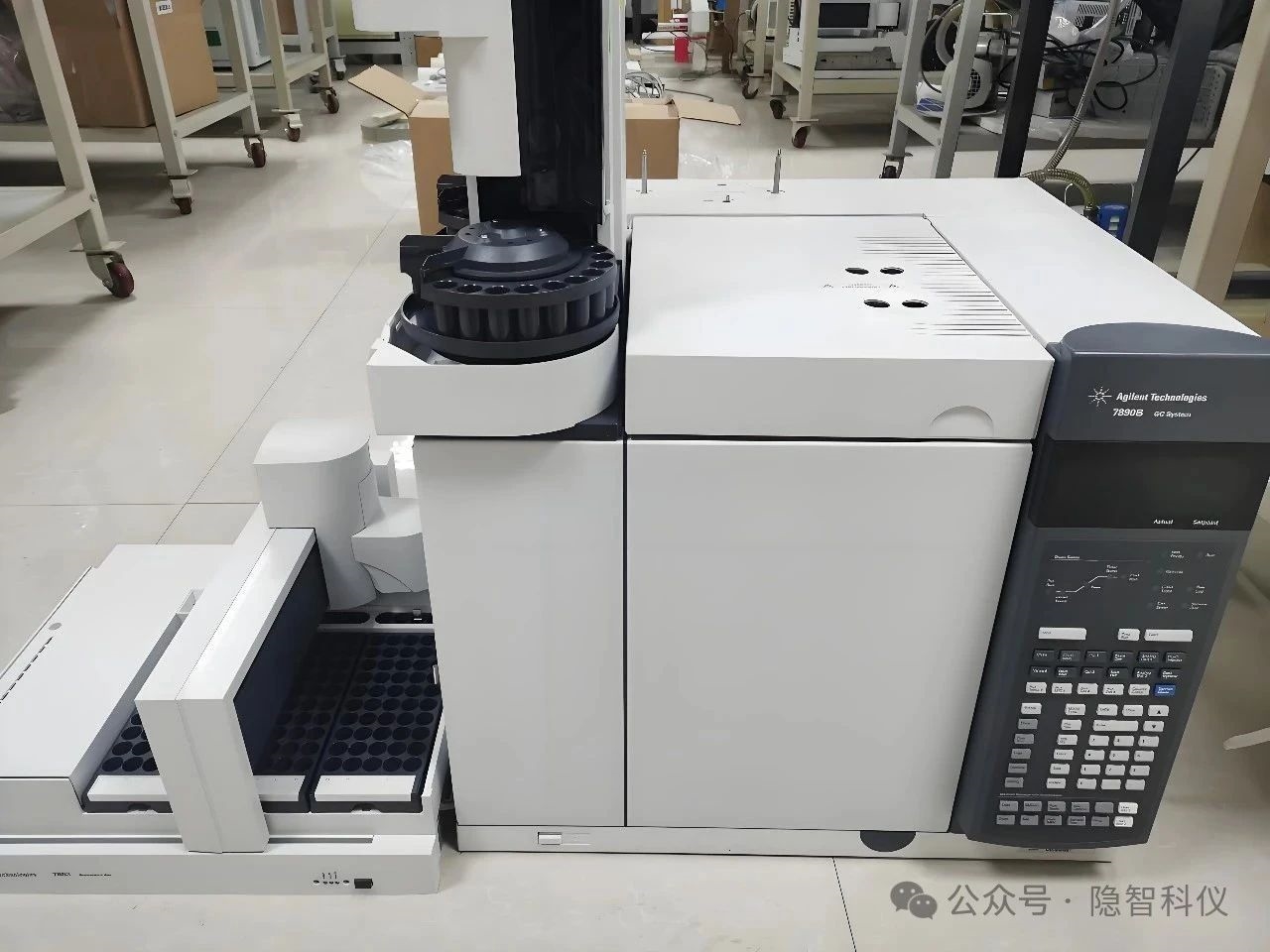
The application of digital twin technology is another highlight of market development after the first half of the year. By building a virtual maintenance environment, the equipment debugging cycle has been shortened by 50%, greatly improving maintenance efficiency. In manufacturing clusters such as the Yangtze River Delta and Pearl River Delta, over 40% of enterprises have connected to IoT remote operation and maintenance platforms, achieving real-time monitoring and data analysis of equipment status. This digital management model not only optimizes the allocation of maintenance resources, but also provides decision-making basis for equipment lifecycle management for enterprises, reducing maintenance costs by an average of 25% -30%.
It is worth noting that the proportion of transaction volume on online service platforms has increased to 35%, and the O2O repair model has rapidly emerged. The platform, represented by 'Equipment Doctor', integrates resources from 500 repair shops across the country, achieving full process digital services from fault declaration to solution matching and progress tracking. This model is particularly favored by small and medium-sized enterprises and research institutions because it breaks geographical limitations, solves the problem of service gaps in remote areas, and effectively controls maintenance costs through platform bidding mechanisms.
In terms of technical standards, industry associations are actively promoting the establishment of a national skill level assessment system to address the severe challenge of a shortage of 100000 senior technicians. The certification system for segmented fields is also becoming increasingly perfect, such as medical equipment maintenance requiring ISO13485 quality management system certification, and semiconductor equipment maintenance requiring compliance with SEMI S2 safety standards. These standardization measures have laid a solid foundation for the professional development of aftermarket services, and have also improved the service quality and credibility of the entire industry.
Improvement of aftermarket service capability under the wave of domestic substitution
The 2025 Government Work Report clearly proposes to accelerate the realization of high-level technological self-reliance and self-improvement, deploy major scientific instrument projects, and support the independent research and development of bottleneck equipment such as mass spectrometers and chromatographs. This policy orientation has directly promoted the sharp increase in the number of domestically produced instruments. In the first half of 2025, the market size of domestically produced precision instrument maintenance has exceeded 150 billion yuan, with a compound annual growth rate of 12%. In the field of industrial automation equipment maintenance, domestic equipment accounts for 45%, medical equipment maintenance accounts for 25%, and semiconductor testing equipment maintenance accounts for 15%, showing a comprehensive flowering situation.
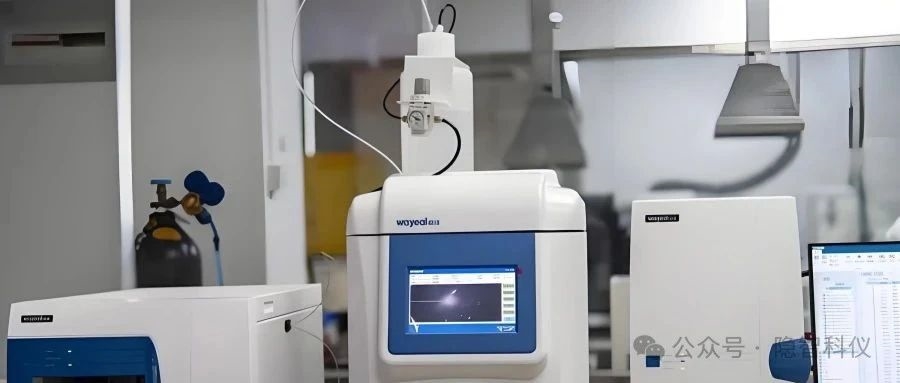
Domestic instrument manufacturers are actively building a localized service network to solve the problem of users' "dare to use, know how to use, and trust to use" domestic equipment. Local enterprises such as Zhongke Instrument, Shanghai and Wu Precision have achieved technological breakthroughs in the field of semiconductor testing equipment maintenance, and their market share has increased to 30%. These enterprises rely on the resources of research institutes in the Yangtze River Delta to focus on technological breakthroughs, while drawing on the supporting advantages of the industrial chain of enterprises in the Pearl River Delta to create a rapid response service system and form a differentiated competitive strategy.
However, the maintenance of core components of high-end equipment is still a shortcoming in the localization process. For example, the localization rate of precision optical components for lithography machines is less than 10%, and 60% of the high-end medical imaging equipment maintenance market is still dominated by international giants such as Zeiss from Germany and Agilent from the United States. To overcome this bottleneck, the country has established a billion yuan industrial fund to support the research and development of maintenance technology. In 2024, an additional 3 billion yuan of special funds will be added for precision instrument remanufacturing technology research and development. These measures aim to promote the establishment of a nationwide interconnected maintenance service platform and solve the problem of inconsistent service standards across regions.
In terms of service model innovation, domestic manufacturers are actively exploring the 'service package' model, which includes comprehensive services such as annual inspections, emergency response, spare parts reserves, etc., with a price range of 50000-500000 yuan/year. This model not only meets users' demand for stable services, but also reduces costs through large-scale operations, making it particularly suitable for small and medium-sized enterprises and research institutions with limited budgets. At the same time, the cooperation between domestic equipment manufacturers and third-party maintenance service providers is becoming increasingly close, forming a collaborative model of 'original factory technology+local service', effectively shortening service response time.
It is worth noting that the domestic substitution policy has had a certain impact on the second-hand imported instrument market. Under policy guidance, some research institutions have reduced their reliance on second-hand imported instruments and instead purchased domestically produced new equipment. This trend has prompted second-hand instrument dealers to adjust their supply structure, increase the proportion of domestically produced second-hand equipment, and strengthen cooperation with calibration institutions to enhance equipment reliability in response to market changes.
The prosperity and structural changes of the second-hand instrument market
In the first half of 2025, the escalating trade friction between China and the United States has injected strong momentum into the global second-hand instrument market. The 34% -104% tariffs imposed by the United States on China have directly led to a surge in the prices of new imported instruments, with some analytical instruments experiencing a terminal price increase of over 40%. This price shock has led users with limited budgets to turn to the second-hand market, creating a significant 'cost-effectiveness gap' effect. Data shows that after the US market raised tariffs on Chinese made scientific instruments to 35%, the volume of second-hand equipment transactions surged by 62% year-on-year, particularly in the fields of medical equipment, laboratory instruments, and more.
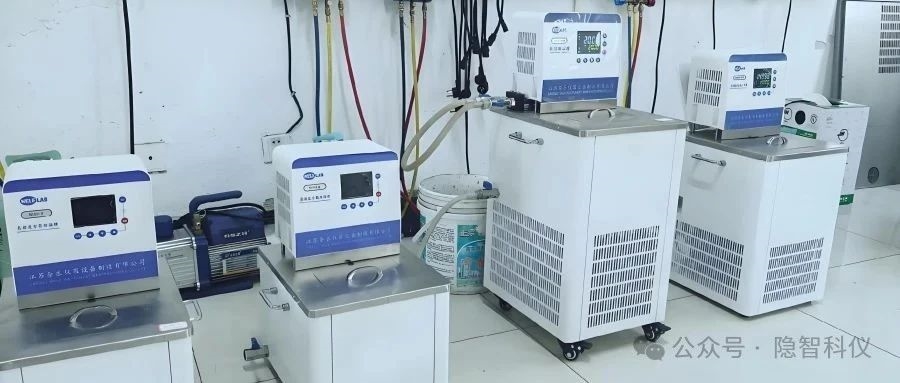
The export control of high-end technology has become another key factor in reshaping the second-hand instrument market. The export ban on high-end scientific instruments implemented by the US government in early 2025, as well as restrictions on equipment such as high parameter flow cytometers and specific liquid chromatography-mass spectrometry (LC/MS), has had a direct impact on Chinese research institutions and biopharmaceutical companies. Users who cannot obtain new devices are seeking alternative solutions in the second-hand market, driving a significant increase in demand for related categories. Mass spectrometers and flow cytometers required for proteomics research have become popular categories in the second-hand market, with prices remaining firm.
From the supply side, technological iteration has accelerated the release of a large number of high-performance second-hand devices into the market. In 2025, nearly 40% of the global second-hand market circulation equipment will be models released within 3-5 years due to technological iteration, and their performance can still meet most application scenarios, forming a 'technology redundancy dividend'. On the one hand, American manufacturers have launched 'subscription based services' to avoid tariffs (such as Thermo Fisher converting mass spectrometers into cloud services), leading to the premature elimination of a large number of traditional devices; On the other hand, breakthroughs in domestic instrument technology in China, such as surpassing foreign competitors in digital PCR equipment, have forced imported equipment to accelerate depreciation.
The regional characteristics are evident in the second-hand instrument market. The US "Localization of Critical Medical Devices Act" requires a domestication rate of 65% for federal procurement equipment, stimulating the internal circulation of domestic second-hand equipment, such as the triple increase in orders for Beckman Coulter blood cell analyzers. Chinese enterprises use the 'the Belt and Road' to expand in emerging markets such as Southeast Asia and Africa, and second-hand instruments have become an ideal choice for infrastructure projects because of their cost advantages. For example, in the African laboratory project assisted by China, 80% of the testing equipment was purchased from the second-hand market, highlighting the strategic value of second-hand instruments in international cooperation.
In terms of transaction models, digital platforms are changing the operation of the traditional second-hand instrument market. Blockchain technology enables device traceability (such as recording usage time and maintenance history), and IoT sensors monitor device status in real-time, improving buyer decision-making efficiency by 60%. Cross border platforms avoid tariffs through the 'bonded renovation' model (such as setting up renovation centers in Vietnam and exporting to the United States), and the scale of such business has exceeded 1.2 billion US dollars in the first half of 2025. Financial service innovation, such as equipment financing leasing and insurance custody, further lowers transaction barriers and promotes the transformation of the second-hand market towards standardization and scale.
The profound influence of green cycle and sustainable development concepts
In the first half of 2025, the global 'dual carbon' target has accelerated the process of equipment recycling. The restrictive policies of European and American countries on the carbon footprint of second-hand electronic devices (such as California's Electronic Device Recycling Act) resonate with China's' zero waste city 'pilot policy, prompting companies to prioritize the use of second-hand devices to reduce carbon emissions. According to calculations, the circulation of a single second-hand flow cytometer can reduce 1.2 tons of carbon emissions, and the combination of environmental attributes and cost advantages forms a dual competitiveness. This trend is particularly prominent in universities and research institutions, and many units have included equipment reuse in their sustainable development reports as an important measure to fulfill environmental responsibilities.
The advancement of remanufacturing technology provides technical support for green recycling. Micro nano processing technology reduces material loss by 30% and carbon footprint by 25% in maintenance. The remanufacturing rate of retired precision instruments has been increased to 40%, forming a circular economy model of 'maintenance upgrade remanufacturing'. For example, CETC Instruments uses laser cladding technology to repair aircraft engine blades at a cost of only 30% of new products, saving resources and reducing operational costs for users. This model is particularly suitable for small and medium-sized enterprises and county-level testing institutions that are financially constrained but still need to maintain high-quality testing capabilities.
At the policy level, the 'promoting waste recycling' proposed in the Government Work Report provides strong support for the second-hand instrument refurbishment industry. The wave of equipment updates has brought a large number of outdated instruments into the second-hand market, resulting in a significant increase in supply. At the same time, policies encourage green and low-carbon development, and promote the establishment of a more standardized second-hand equipment testing, certification, and circulation system. These measures effectively alleviate the long-standing problem of information asymmetry in the second-hand market and enhance buyer trust.
In terms of business models, the concept of 'Device as a Service' (DaaS) is gradually becoming popular, adapting to the trend of light asset transformation in scientific research institutions. Second hand instrument dealers offer flexible methods such as' trial before purchase 'and' short-term lease to purchase ', greatly reducing users' decision-making risks. For high-end second-hand instruments, professional dealers also provide 'certified refurbished instruments' services, including warranty and technical support, significantly improving the reliability and market acceptance of second-hand equipment. These innovative service models are changing the old image of the second-hand instrument market as a mixed bag of good and bad, driving the industry towards a more standardized and specialized direction.
It is worth noting that environmental compliance requirements are becoming an important consideration factor in second-hand instrument transactions. With the tightening of environmental regulations in various countries, equipment that does not meet the latest energy efficiency standards is facing restrictions on circulation. This has prompted the second-hand market to pay more attention to the environmental performance of equipment, accelerate the elimination of old and high-energy consuming equipment, and also create premium space for second-hand equipment that meets standards. In the field of medical equipment, strict disinfection and sterilization standards have further raised the entry threshold for second-hand equipment, promoting the continuous upgrading of renovation processes.
Market prospects that combine challenges and opportunities
Despite the booming development of the instrument aftermarket and second-hand instrument transactions in the first half of 2025, the industry still faces multiple structural challenges. The problem of relying on imported maintenance technology for core components of high-end equipment has not been fundamentally solved, such as the localization rate of precision optical components for lithography machines being less than 10%. The maintenance cost of imported equipment usually accounts for 30% -50% of the original value of the equipment, which poses a heavy burden on small and medium-sized enterprises. Meanwhile, 45% of customers are dissatisfied with the timeliness of cross regional repairs, and the problem of service gaps in remote areas remains prominent, reflecting the uneven coverage of service networks.
The risk of technological iteration is another major challenge facing the second-hand instrument market. With breakthroughs in quantum sensing, microfluidics, and other technologies, some old instruments are facing rapid depreciation pressure. Under the trend of intelligence and greenization, traditional second-hand equipment may be eliminated by the market if it cannot be upgraded. For example, the demand for old-fashioned spectrometers has significantly decreased due to high energy consumption and poor data compatibility, in the context of strict environmental requirements and the popularization of the Internet of Things. This requires second-hand equipment dealers to have stronger technical evaluation and upgrading capabilities to extend the economic life cycle of the equipment.
Policy sensitivity is an important factor that market participants must pay attention to. The domestic substitution policy may further compress the space for imported second-hand instruments, and some units may prioritize the purchase of domestic new equipment. Meanwhile, stricter regulation may increase the quality review requirements for second-hand equipment and raise compliance costs. For example, medical equipment maintenance requires ISO13485 certification, and semiconductor equipment maintenance requires compliance with SEMI S2 standards. Although these requirements enhance industry standardization, they also create technical barriers for small and medium-sized service providers.
Despite the challenges, the industry still holds enormous development opportunities. It is expected that by 2030, the size of China's precision instrument maintenance market will exceed 300 billion yuan, with intelligent services accounting for over 60%. The rise of the new format of 'Maintenance as a Service' (MaaS) will drive the industry to shift from a simple technical service to a comprehensive competitive pattern of 'technology driven+service value-added+ecological co construction'. If enterprises can seize the window of domestic substitution, through technological innovation, model reconstruction, and ecological cooperation, they are expected to occupy the strategic high ground in the trillion dollar market.
The differentiated development of regional markets provides diversified opportunities. Yangtze River Delta enterprises can rely on research institute resources to focus on high-end technological breakthroughs, while Pearl River Delta enterprises can leverage the advantages of industrial chain support to focus on rapid response services. By expanding markets in Southeast Asia and Central and Eastern Europe through the 'the Belt and Road', and setting up regional maintenance centers in Vietnam, Hungary and other regions, it can not only avoid trade barriers, but also meet the needs of emerging markets. This global layout strategy is increasingly being adopted by leading companies.
Talent cultivation and technological innovation will be the key to determining future competitiveness. The nationwide skill level assessment system promoted by industry associations is expected to alleviate the problem of a shortage of 100000 senior technicians. The calibration accuracy of laser interferometers has reached the nanometer level, and the error rate of AI fault diagnosis systems is less than 0.001%. These technological advancements will continue to enhance the added value of aftermarket services. If enterprises can take the lead in mastering these core technologies and building corresponding talent systems, they will occupy a favorable position in the industry reshuffle.
Overall, in the first half of 2025, the instrument aftermarket and second-hand instrument transactions will exhibit the characteristics of 'short-term adjustment and long-term optimization'. Under the multiple influences of policy promotion, technological innovation, environmental protection concepts, and market demand, the industry is undergoing profound changes. The future successful enterprises will be those market participants who can quickly adapt to changes, integrate resources, and innovate models. They will not only be able to cope with current challenges, but also seize long-term development opportunities and establish sustainable competitive advantages in the field of instrument lifecycle services.