-
E-mail
13920369716@139.com
-
Phone
13920369716
-
Address
11th Floor, Building D, Science and Technology Building, Binhai High tech Zone, Tianjin
Tianjin Jingtuo Instrument Technology Co., Ltd
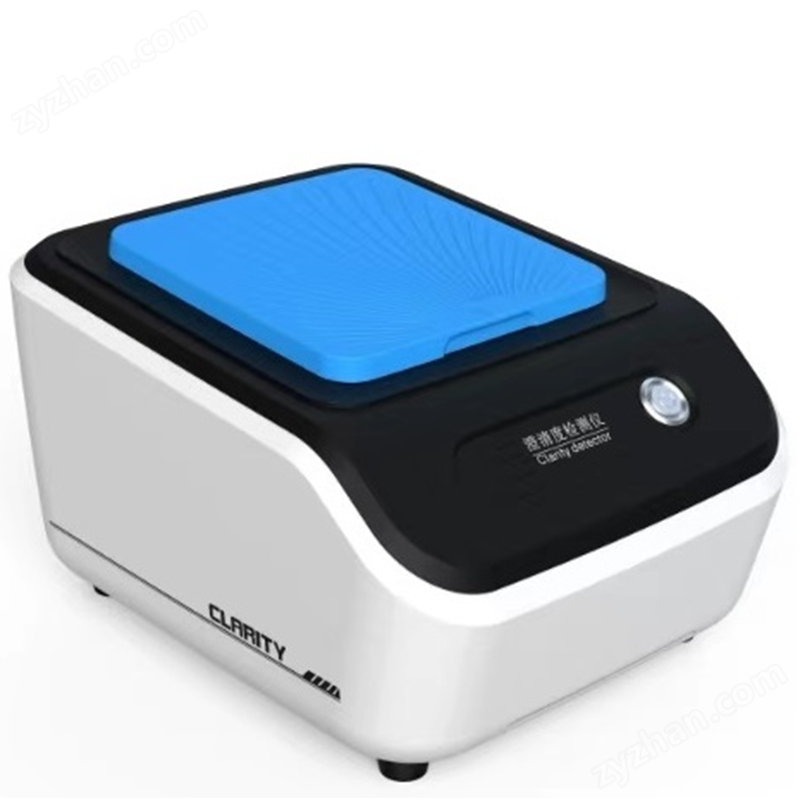
Clarity tester: a practical helper for liquid quality control
Date: 2025-10-14Read: 5
In many fields such as pharmaceuticals, food, and environmental protection, the clarity of liquids is not simply a visual indicator, but also contains key information related to purity, impurity content, and safety performance. The subjective bias and efficiency limitations of visual observation make it difficult to meet the rigorous requirements of modern production for quality control. The clarity tester, with its clever application of optical principles, transforms microscopic changes in liquids into objective judgment criteria, becoming a reliable tool that runs through production and testing processes.
Detection logic: Silent dialogue between light and impurities
The core working logic of the clarity analyzer is based on the interaction between light and matter. Instruments are usually equipped with highly stable LED light sources. After being processed by an optical lens group, the light will penetrate the detection cell containing the test sample in a uniform and parallel state. The detection cell is often made of highly transparent optical glass or quartz material, which greatly reduces the interference of the container on the detection.
When light passes through a pure and clear liquid, it can basically maintain its original propagation path; Once there are tiny suspended particles, impurity particles, or turbid substances in the liquid, light will undergo physical changes such as scattering, reflection, or absorption. At specific angular positions in the detection pool, high-precision optical sensors will keenly capture the light signals generated by these changes, convert them into electrical signals, and then amplify, filter, and analyze them by the built-in microprocessor. In the end, the instrument will compare with the preset standard database or color chart, and directly output the judgment result of whether the clarity is qualified. The entire process does not require manual calculation, effectively avoiding subjective errors.
Functional feature: Adapt to multi scene detection requirements
Say goodbye to subjective and objective testing
Traditional naked eye observation is difficult to quantify small differences in clarity and is susceptible to factors such as lighting and observer status. The clarity tester uses a standardized optical detection process to transform the originally vague concept of 'clarity' into comparable objective results. Whether it is extremely trace impurities or subtle turbidity changes, they can be accurately captured, making quality judgment systematic.
Convenient design that fits production needs
To meet the diverse needs of assembly lines and laboratories, the instrument emphasizes efficiency and flexibility in its operational design. Some models are equipped with automatic sampling systems, which can achieve continuous detection and automated analysis, greatly improving detection efficiency; The interactive interface often adopts intuitive display and operation methods, so even non professionals can quickly get started and complete the detection. At the same time, the instrument supports automatic data storage and export, facilitating the traceability and statistics of detection results, and complying with industry quality control standards.
Wide coverage of adaptability
From injections and active pharmaceutical ingredients in the pharmaceutical industry, to fruit juices and beverages in the food industry, to drinking water and industrial wastewater in the environmental protection field, clarity testers can provide suitable testing solutions. Based on the characteristics of different samples, some instruments can improve their adaptability by adjusting the light source or detection mode. Whether it is detecting trace impurities in high-purity liquids or monitoring the turbidity of sewage, they can meet basic detection needs.
Application value: Guarding quality and safety in multiple fields
Pharmaceutical Industry: Building a Strong Defense Line for Drug Safety
In drug production, the clarity of liquid preparations such as injections and oral liquids is directly related to drug safety, and trace insoluble impurities may cause adverse reactions. The clarity tester can strictly test according to pharmacopoeia standards, timely eliminate unqualified products, and become an important quality checkpoint before drug delivery, helping to ensure clinical drug safety.
Food industry: Control the bottom line of product quality
The clarity of food and beverages such as fruit juice and alcohol not only affects consumers' visual and taste experience, but also reflects the purity of raw materials and the level of processing technology. Through testing, turbidity problems caused by inadequate filtration and deterioration of raw materials during the production process can be detected in a timely manner, helping enterprises correct defects before product launch and maintain product quality reputation.
Environmental Protection: Assisting in Water Quality Monitoring and Management
Clarity is one of the core indicators for evaluating water quality in water treatment and environmental monitoring. The instrument can be used for water quality testing in waterworks to ensure that drinking water meets safety standards; It can also monitor the effectiveness of industrial wastewater treatment, determine whether the treatment process meets the standards through changes in turbidity, and provide data support for environmental compliance.
From precise analysis in the laboratory to batch testing on the production line, the clarity tester, with its objective detection capability and convenient operation design, has become an important part of the quality control system in multiple industries. It replaces subjective judgments with standardized data, which not only improves the efficiency of quality control, but also provides practical guarantees for product safety and compliance.