-
E-mail
13920369716@139.com
-
Phone
13920369716
-
Address
11th Floor, Building D, Science and Technology Building, Binhai High tech Zone, Tianjin
Tianjin Jingtuo Instrument Technology Co., Ltd
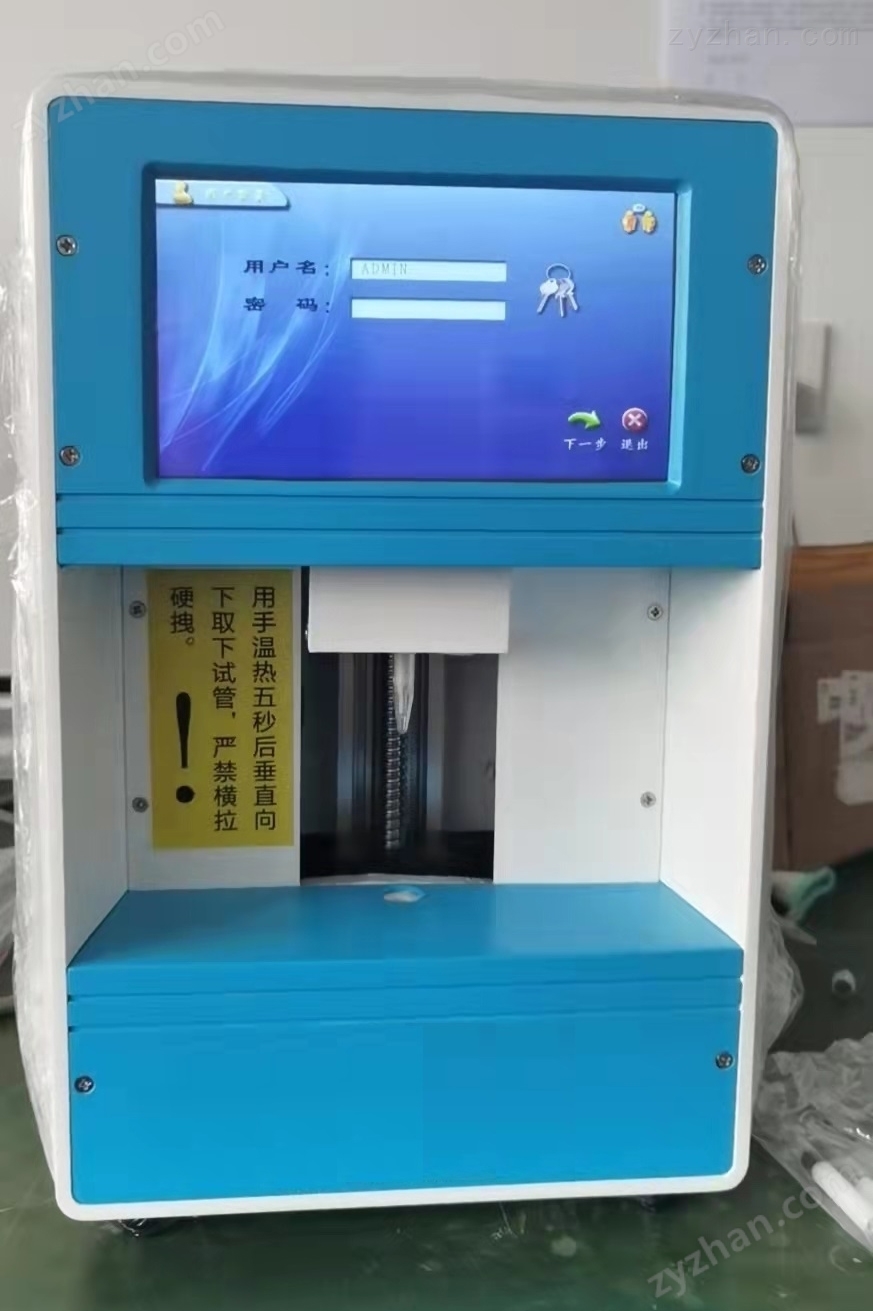
Working principle and application analysis of fully automatic osmotic pressure tester
Date: 2025-08-05Read: 5
The working principle and application analysis of the fully automatic osmotic pressure tester:
1、 Core working principle
1. Freezing point descent method (mainstream technology)
Based on the physical property that the freezing point drop of a solution is proportional to the solute molar concentration (Raoult's law), the temperature transition point (△ T) during the sample freezing process is accurately captured by a semiconductor sensor and automatically converted into the osmotic pressure molar concentration value (unit: mmol/kg).
Key process: The sample is cooled to a supercooled state (about -10 ℃) → Probe vibration induces instantaneous freezing → High precision thermistor records the freezing point temperature.
2. Dew point method (auxiliary technology)
Based on the principle of increasing the boiling point of a solution, after heating and evaporating the sample, the change in vapor pressure is sensed by a thermocouple to indirectly calculate the osmotic pressure value, which is suitable for specific organic solutions.
2、 Core application areas
1. Pharmaceutical quality control
Injection: Ensure that the osmotic pressure is isotonic with human blood (285-310mmol/kg) to prevent venous irritation;
• Eye drops/nasal spray: to avoid mucosal damage, in line with the limit of osmotic molar concentration in the Chinese Pharmacopoeia;
Biological agents: Verify the stability of cell culture media and protein solutions.
2. Food and Environmental Science
Food industry: Testing beverage osmotic pressure (such as sports drinks) to regulate taste and evaluate preservative concentration;
Water quality monitoring: Analyze the total dissolved solids (TDS) in water bodies and track heavy metal pollution.