-
E-mail
mkt.siwe@minebea-intec.com
-
Phone
18017281877
-
Address
Room 411, 4th Floor, Building 12, No. 9 Anqing Street, Shunyi District, Beijing, China
Yintaike Industrial Weighing Equipment (Beijing) Co., Ltd
Have you received these textbooks for the new semester? (Part 1)
Date: 2025-09-02Read: 10

On the second day of schoolAfter a carefree summer vacation, primary, middle, and high school students across the country have been vigorously advancing in the ocean of knowledge with new textbooks.
For procurement managers/production managers/system integrators/OEM vendors, there are reliable onesTextbookIt's also very important.
no matterProduction ManagerAre we concerned about efficiency, production capacity, and safetySystem IntegratorConcerns about the possibility of implementation, orprocurementThe most concerned about cost and reliability, I believe you are at InticoIndustrial weighing and testing seriesWhite PaperThe answer can be found in all of them.
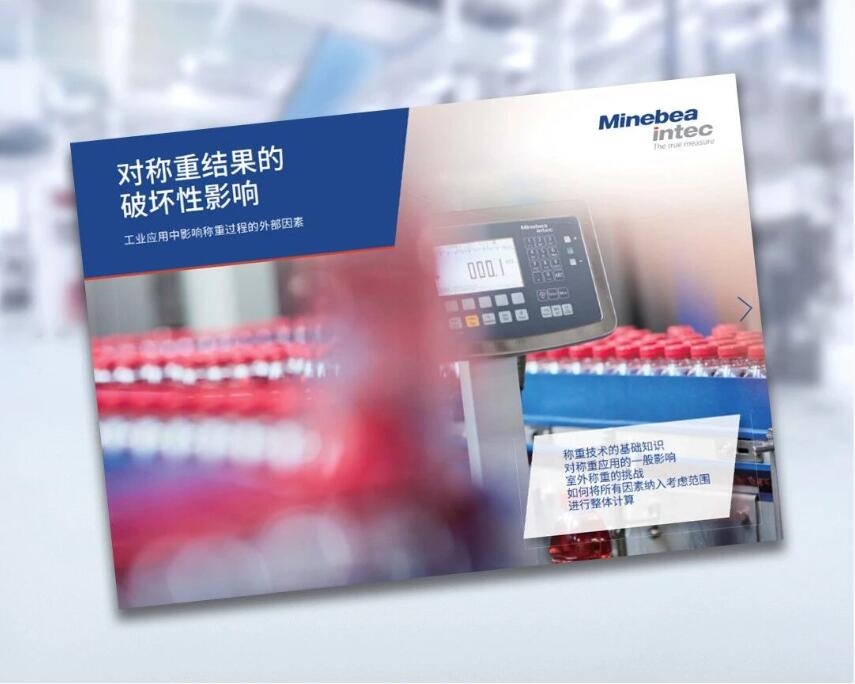
The destructive impact of symmetric weight results
Why is the weighing always inaccurate?
Weighing may seem like just a matter of weighing, but when it comes to putting it on the production line, there are a lot of troubles: as soon as the wind blows or the temperature changes, the reading starts to drift; The ground shook and the equipment was not properly installed, resulting in immediate deviation; Even differences in operating habits can lead to errors.
This book analyzes the interference sources of weighing one by one and provides an actionable checklist. For enterprises, it is not only a practical material for training employees, but also an important reference for improving production consistency and quality control.
Applicable Industries
All industries that require weighing equipment
target audience
Production Manager, Quality Manager, Operators
Training Manager
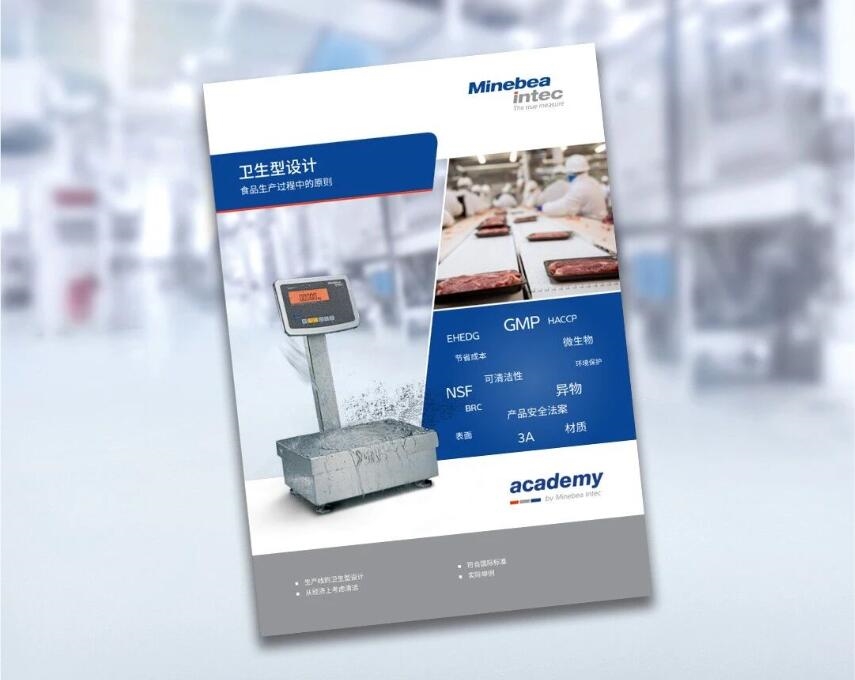
Sanitary design
What kind of design can avoid cross contamination?
In industries such as food and pharmaceuticals, even a slight lack of equipment design can lead to cleaning dead corners and residual pollutants, posing a risk of cross contamination. These subtle risks can have a very negative impact on quality testing and compliance audits.
This white paper provides an in-depth analysis of why problems are prone to occur, which details are often overlooked, and provides improvement directions in conjunction with international standards such as EHEDG, 3A, HACCP, FDA, etc. Through this book, we can help you transform "hygiene" from abstract requirements into concrete and actionable design principles, thereby better reducing pollution hazards, meeting regulatory requirements, and controlling cleaning and maintenance costs.
Applicable Industries
Pharmaceutical, daily chemical, food and beverage, etc
target audience
EHS personnel, quality managers, equipment engineers
Process Engineer
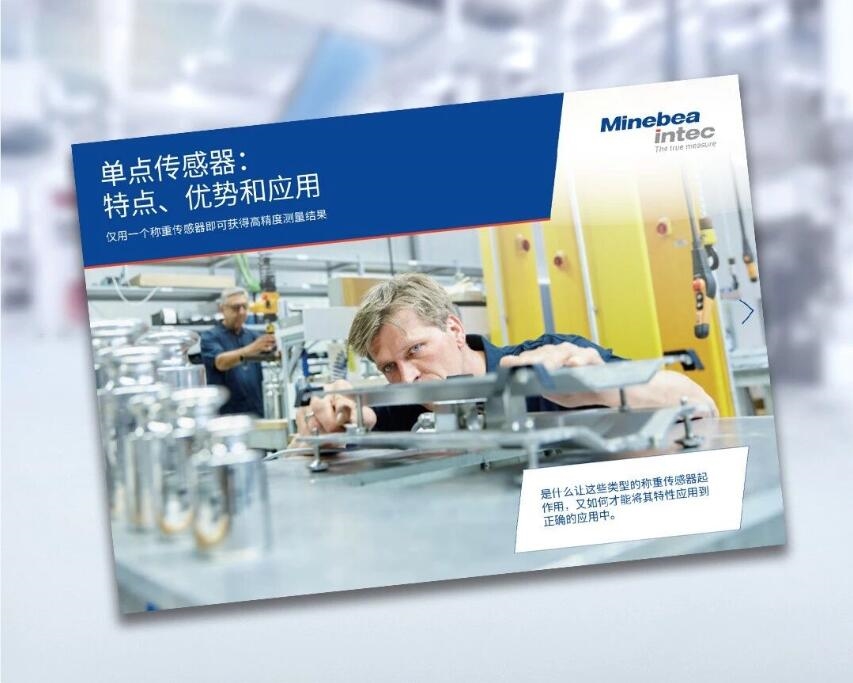
Single point sensor: characteristics, advantages, and applications
What scenarios are single point sensors most suitable for?
The single point weighing sensor is one of the most widely used sensors worldwide, and I believe you are not unfamiliar with it. Only one sensor is needed to achieve reliable weighing, which has helped countless OEMs and system integrators simplify their designs.
This white paper not only introduces the structure, materials, and key parameters of single point weighing sensors, but also analyzes typical application scenarios: from platform scales to inspection scales, filling machines, and packaging machines. This book can help OEMs and integrators reduce selection errors, shorten development cycles, lower costs, while ensuring stable equipment performance and compliance with industry requirements.
Applicable Industries
All industries
target audience
OEM manufacturers, system integrators, R&D engineers
Procurement Manager
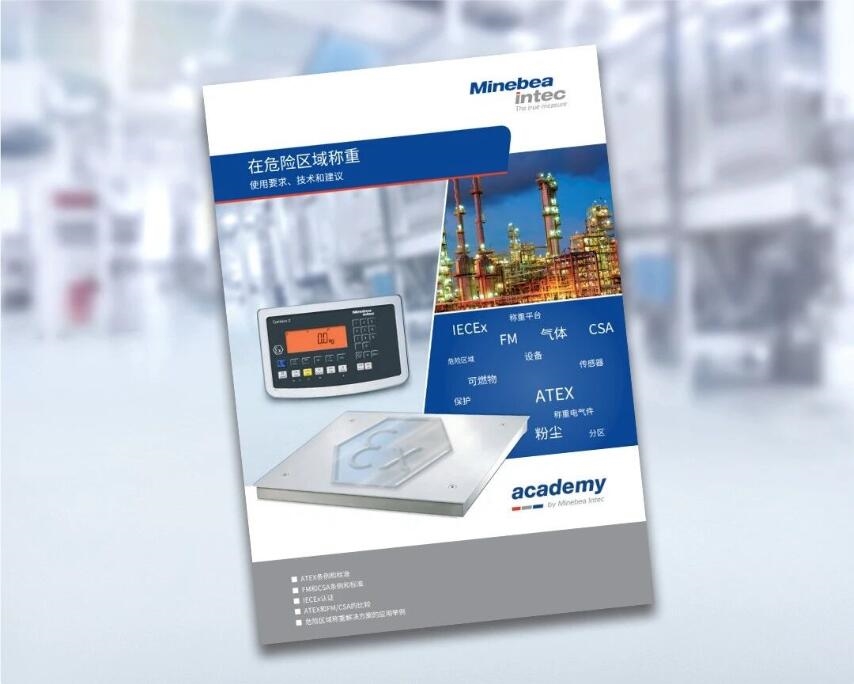
Weighing in hazardous areas
How to choose a compliant and stable explosion-proof scale?
In environments with flammable gases, dust, or explosion risks, weighing equipment should not only be accurate and reliable, but also ensure absolute safety.
This book will help you comprehensively grasp the key challenges in hazardous environments: how to choose the appropriate explosion-proof rating, and how to meet international standards such as ATEX and IECEx. Help you quickly determine the applicability of the equipment and visually demonstrate the feasible path to achieve safe weighing in hazardous areas through application examples.
Applicable Industries
Chemical, energy, grain processing, etc
target audience
EHS personnel, safety manager, compliance manager
Equipment Engineer
How to calculate the purchased equipmentNot cost-effective?
truck scaleHow to choose to truly meet the needs?
Static industrial scales must be viewedparameterWhat are there?
How to minimize production on the production line as much as possiblemetal foreign bodyRisk?
Next article revealed!
I'm confused and don't know how to buy it?
Welcome to consult with professional engineers from Intico!