-
E-mail
chx@tj-sci.com
-
Phone
19352617016
-
Address
Building 1, No. 5500 Yuanjiang Road, Minhang District, Shanghai
Yiyan Zhizao (Shanghai) Drug Testing Instrument Co., Ltd
Maintenance and upkeep guide for drug melting point analyzer
Date: 2025-12-03Read: 32
As a key precision instrument in drug inspection, the measurement accuracy of the melting point meter directly affects the quality assessment results of drugs. Scientific maintenance and upkeep are the core links to ensure the stability of instrument performance and extend its service life. The following is a comprehensive maintenance operation specification for the system, covering the key points of the entire process from daily operation to long-term storage.
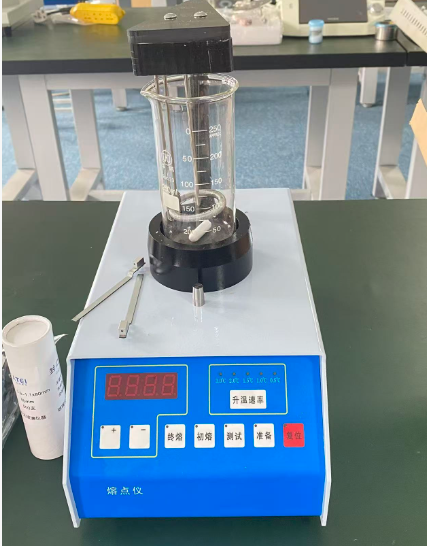
1、 Daily cleaning: eliminate pollution hazards
Cleaning is the foundation of instrument maintenance, and it is necessary to distinguish between external and internal components to avoid cross contamination and observation interference.
• Appearance cleaning: Use clean wipes or lint free soft wipes to wipe the instrument body daily to remove surface dust and stains. Focus on maintaining the observation window and magnifying glass components, and gently wipe them with a specialized lens soft cloth to ensure good transparency and avoid fingerprints and oil stains affecting clear observation of the sample melting process.
Internal cleaning: After each test, immediately clean the residual sample powder in the sample chamber, which can be lightly swept with a special small brush or blown clean with compressed air. After disassembling the test tube holder, sample holder, and matching glassware, soak and clean them in neutral detergent, rinse them clean with deionized water, air dry them, and reassemble them to prevent cross contamination of residues for subsequent testing.
2、 Thermal fluid management: ensuring precise temperature control
Thermal transfer fluid is the core medium for heat transfer, and its selection and replacement directly affect the stability of temperature control. It is necessary to strictly operate according to the melting point range specifications.
• Scientific selection: Select a suitable temperature transfer liquid based on the melting point range of the sample. The specific standard is: when the melting point is below 85 ℃, low boiling point temperature transfer liquids such as ethanol or water can be used; When the melting point is between 80 and 200 ℃, specialized silicone oil with a viscosity of not less than 50mm ²/s must be used; When the melting point is higher than 200 ℃, it is necessary to use high-temperature silicone oil with a viscosity of not less than 100mm ²/s (the original content "00mm ²/s" was corrected for a typo) to avoid the evaporation or decomposition of the liquid under high temperature transmission.
• Regular replacement: Silicone oil will gradually age and increase viscosity after long-term high-temperature use, leading to a decrease in thermal conductivity efficiency and affecting temperature control accuracy. It is recommended to replace the oil promptly every 300 hours of use or when the oil color darkens or becomes cloudy. Before replacement, the instrument power should be turned off. After the temperature of the oil bath tube drops to room temperature, the old oil should be drained according to the operating procedures. Rinse the oil bath tube with a small amount of new oil and then inject the specified amount of new temperature transfer solution.
3、 Key component maintenance: safeguarding core performance
The key components such as heating wires and temperature sensors directly determine the operating status of the instrument, and it is necessary to focus on protection, calibration, and inspection work.
Heating wire safety protection: When the heating wire is directly immersed in the temperature transfer liquid and connected to the power supply, safety regulations must be strictly followed during operation. When the power plug is not unplugged, it is strictly prohibited to use metal conductors to contact the heating wire to prevent electric shock accidents; At the same time, it is necessary to strictly prevent metal objects such as tweezers and sample spoons from falling into the temperature transfer liquid, in order to avoid short circuiting and burning of the heating wire or damage to the temperature control components.
Temperature sensor calibration: Instrument calibration is the key to ensuring measurement accuracy, and the use of standard mercury thermometers for calibration is prohibited (as they are fully immersed and do not match the installation method of the melting point sensor). National metrological certified melting point standards (such as naphthalene, benzoic acid, etc.) or specialized platinum resistance thermometers should be used regularly for calibration. It is recommended to calibrate every 6 months to ensure that the temperature reading error is within the allowable range.
• Insulation material inspection: The asbestos cloth at the bottom of the instrument is the core insulation component. If a large amount of thermal oil is accidentally dropped, it will cause a decrease in insulation performance and even pose a safety hazard. In daily use, attention should be paid to protection. Once contaminated, the machine should be stopped immediately for replacement to ensure normal heat dissipation of the instrument.
4、 Environment and Storage: Creating Stable Conditions
Appropriate environmental conditions can reduce the adverse effects of environmental factors on instruments and extend the service life of components.
• Environmental requirements for use: The instrument should be placed on a dry, well ventilated laboratory countertop, and the relative humidity of the environment should be controlled at 45%~75% to avoid moisture or direct contact with water. At the same time, it is necessary to stay away from temperature fluctuation sources such as air conditioning vents and heating, and maintain a stable ambient temperature (recommended 15-30 ℃) to prevent sudden temperature changes from affecting the accuracy of test results.
Long term storage specifications: When the instrument is not in use for more than one week, it needs to be thoroughly cleaned, the temperature transfer fluid drained (if not in use for a long time), covered with a dust cover, and stored in a dry, dust-free, and sun free room. Avoid storing in the same place as corrosive reagents, flammable and explosive materials to prevent corrosion or aging of the instrument casing and internal components.
5、 Safe operation and emergency response: avoiding risks and hidden dangers
Standardized operation is an important component of instrument maintenance, ensuring both instrument safety and operator safety.
• Prevention of sample contamination: Before loading the sample, it is necessary to wipe the outer wall of the capillary tube with a clean tissue to remove residual samples or stains, avoiding contamination of the furnace body and temperature transfer liquid, which may affect subsequent testing.
Safe handling of glass components: When operating the capillary tube, handle it gently to prevent the glass from breaking and injuring the hands. If the capillary tube breaks inside the furnace, the power should be immediately turned off. After the furnace cools down, open the cover and use a special tool to remove the broken fragments. Do not operate at high temperatures.
• Fault handling principle: When the instrument malfunctions (such as temperature control failure, display screen failure, etc.), it should be immediately shut down and powered off. After recording the fault phenomenon, contact the manufacturer's professional maintenance personnel for maintenance. It is strictly prohibited to disassemble the internal components of the instrument without authorization to avoid expanding the scope of the fault.
6、 Periodic inspection and maintenance: establishing a long-term mechanism
Regular systematic inspections can detect potential problems in a timely manner, achieve early prevention and treatment, and ensure the long-term stable operation of the instrument.
Software system maintenance: If it is an intelligent melting point meter, it is necessary to regularly check the instrument control software version and update it to the new version through regular channels in a timely manner to fix known vulnerabilities, obtain new functional support, and ensure that the operating interface and data processing functions are normal.
Periodic inspection of key components: Check the core components such as heating blocks, temperature sensors, and cooling fans every 3 months to see if the heating blocks are deformed, if the sensor wiring is secure, and if the fan rotates smoothly. If damage, wear or performance degradation of components is found, professional personnel should be contacted in a timely manner for replacement or repair.
In summary, by strictly implementing daily cleaning, scientifically managing the temperature transfer fluid, strengthening the maintenance of key components, optimizing the use and storage environment, standardizing safe operations, and establishing a periodic inspection mechanism, the measurement accuracy of the drug melting point meter can be effectively guaranteed, significantly extending the service life of the instrument and providing reliable equipment support for drug inspection work.