- Phone
-
Address
500 meters north of the intersection of Jingcheng Road and Xingyun Road in Xingyang, Zhengzhou City
Product Categories
Zhengzhou Jintai Machinery Manufacturing Co., Ltd
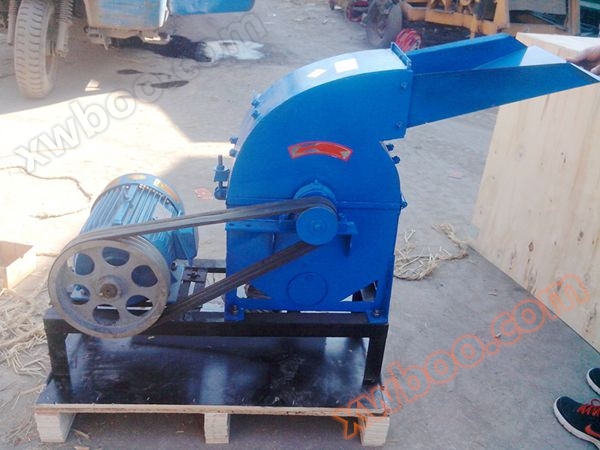
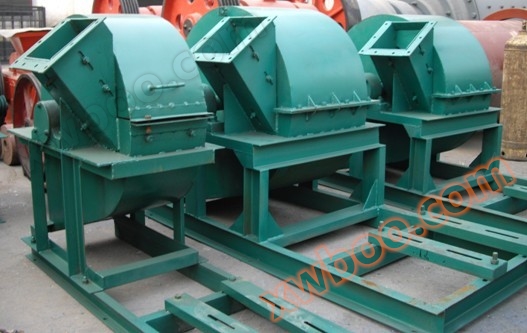
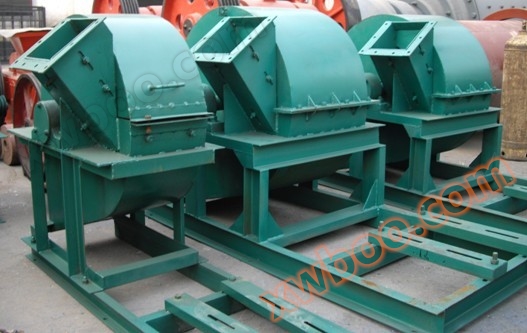
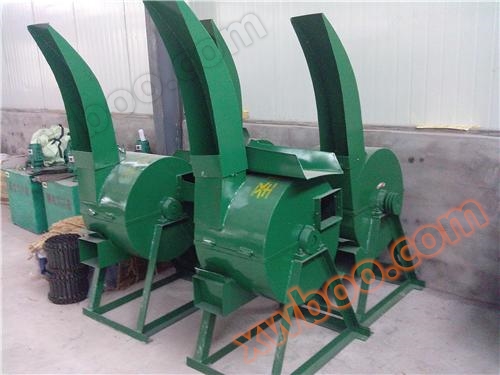
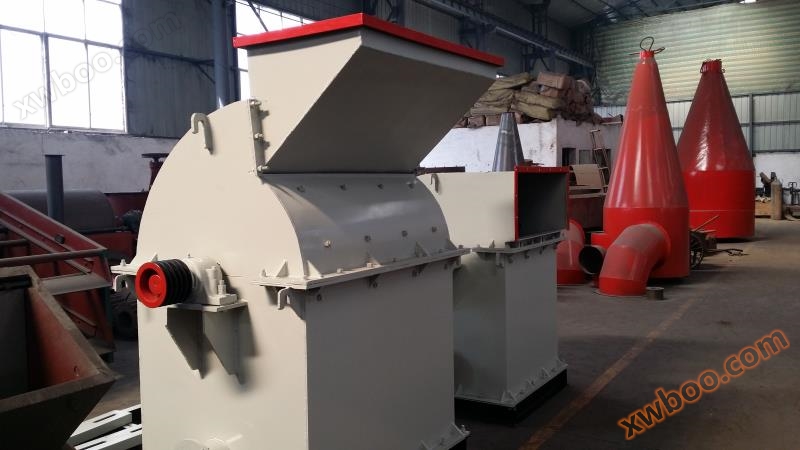
400 type straw crusher
NegotiableUpdate on 03/12
- Model
- Nature of the Manufacturer
- Producers
- Product Category
- Place of Origin
Overview
: 7.5kW : 0.3-0.8t/h Note: This production capacity is only the average, and the specific production capacity output value is subject to the customer's on-site configuration production capacity! 【 Applicable materials 】: Corn, sorghum, wheat straw, bean straw, corn stover, rice straw, peanut seedlings, sweet potato seedlings, peanut skins, dry weeds, corn, sorghum, sweet potato jerky, crushed soybean cakes and other miscellaneous dry materials, as well as coarse crushed cakes. 【 Product introduction 】: Straw crusher is a machine that uses high-speed rotating hammers to crush feed. It has the characteristics of reasonable structure, durability, safety and reliability, easy installation, convenient operation, low vibration, strong universality, high productivity and safe use. It can crush various raw materials, such as corn, sorghum, wheat straw, bean straw, corn stover, rice straw, peanut seedlings, sweet potato seedlings, peanut skins, dry weeds, corn, sorghum, sweet potato jerky, crushed soybean cakes and other miscellaneous dry materials, as well as coarse crushed cakes. It is suitable for processing various livestock, poultry and aquatic feed in small and medium-sized feed factories, breeding farms, township enterprises and farmers.
Product Details
Straw crusher is a mechanical device that uses high-speed rotating hammers to crush feed. It has the characteristics of reasonable structure, durability, safety and reliability, easy installation, convenient operation, low vibration, strong universality, high productivity and safe use. It can crush various raw materials, such as corn, sorghum, wheat straw, bean straw, corn stover, rice straw, peanut seedlings, sweet potato seedlings, peanut skins, dry weeds, corn, sorghum, sweet potato jerky, crushed soybean cakes and other miscellaneous dry materials, as well as coarse crushed cakes. It is suitable for processing various livestock, poultry and aquatic feed in small and medium-sized feed factories, breeding farms, township enterprises and farmers.
All models are driven by hydraulic pressure and can be operated manually or automatically controlled by PLC
◆There are different ways of discharging materials, such as flipping the package, pushing the package (side push and forward push), or manually picking up the package (packaging)
◆Installation does not require foot screws, and diesel engines can be used as power sources in areas without power supply
◆There are ten levels of extrusion pressure ranging from 63 tons to 400 tons for users to choose from, and production efficiency ranges from 4 tons/shift to 40 tons/shift
◆Compression chamber size and package block size can be customized according to customer requirements
During work, the processed material enters the crushing chamber from the hopper and is shattered by the high-speed rotating working parts, while changing the direction of material movement. Due to the high-speed rotating working parts damaging the sedimentation of the material layer, the material moves with the rotor. During this process, particles repeatedly collide with the working parts and the body, as well as between particles, resulting in friction. Thus, it is gradually crushed until its geometric diameter is smaller than the diameter of the sieve hole. Under the action of centrifugal force and airflow, the crushed material is loaded into the sieve hole and leaked into the crushing chamber, and discharged from the discharge port. The grinding fineness of this machine is determined by the size of the sieve aperture. Users can choose the appropriate sieve according to the particle size of the feed. Hammer type vulnerable parts should be regularly inspected for wear and tear; When one corner of the hammer is worn out to the point where there is no water chestnut, it can be flipped or turned around for use, but the installation position of the hammer cannot be replaced with each other, nor can it be replaced with a new one at will, so as not to affect the balance of the rotor.
| model | 500 | 600 | 800 | 1000 | 1200 | 1500 |
| Feed particle size (mm) | 100-200 | 100-450 | 100-650 | 100-900 | 100-900 | |
| Maximum material hardness | Below 4.5 | Below 4.5 | Below 4.5 | Below 4.5 | Below 4.5 | Below 4.5 |
| Material moisture content | Below 20% | Below 20% | Below 20% | Below 20% | Below 20% | Below 20% |
| Host speed (RPM) | 3100 | 3100 | 3100 | 2850 | 2050 | 2050 |
| Main engine power (kw) | 18.5-22/4 | 22-30/4 | 30-37/4 | 45-55/4 | 90+11 | 110+15 |
| Fan type | one | one | one | Split body | Split body | Split body |
| Note: The smaller the particle size, hardness, moisture content of the material, the higher the yield | ||||||
| Comparison of Wood Materials | 500 | 600 | 800 | 1000 | 1200 | 1500 |
| Miscellaneous wooden blocks | 300(kg) | 600(kg) | 1000(kg) | 1500(kg) | 2000(kg) | 2500(kg) |
| Leftover material | 400(kg) | 800(kg) | 1500(kg) | 2500(kg) | 3000(kg) | 3500(kg) |
| wood shavings | 500(kg) | 1000(kg) | 1500(kg) | 4000(kg) | 4500(kg) | 5000(kg) |