-
E-mail
3008035224@qq.com
-
Phone
13671610249
-
Address
No. 253 Yulu Road, Jiading District, Shanghai
Product Categories
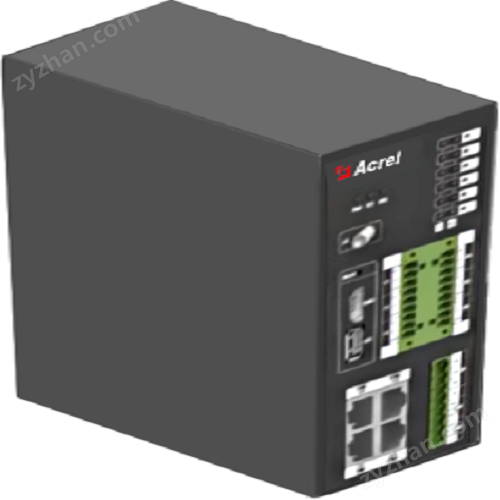
- ACCU Coordination Controller
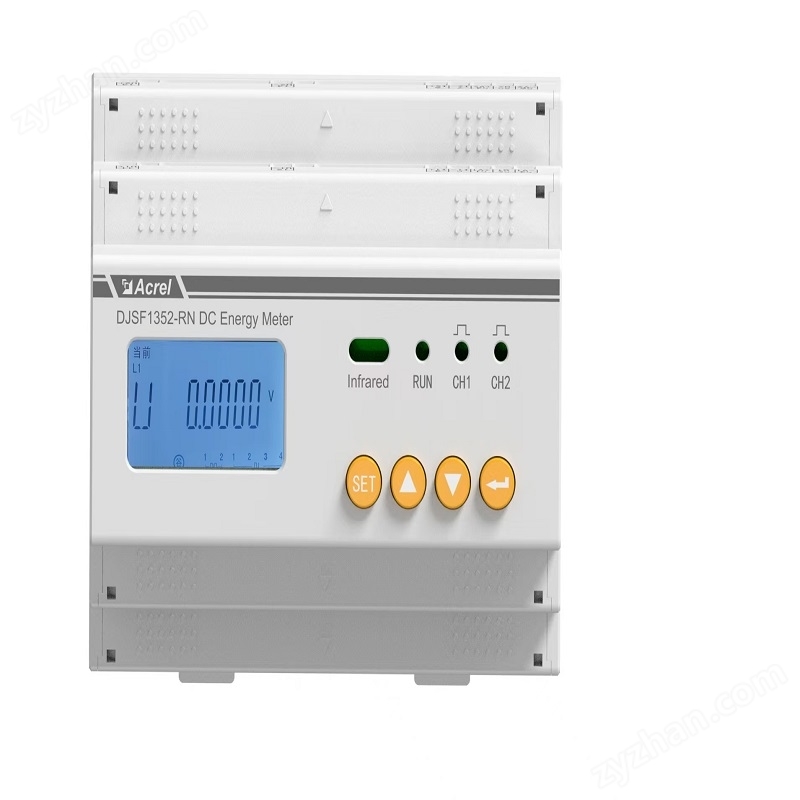
- DJSF1352 series DC energy meter
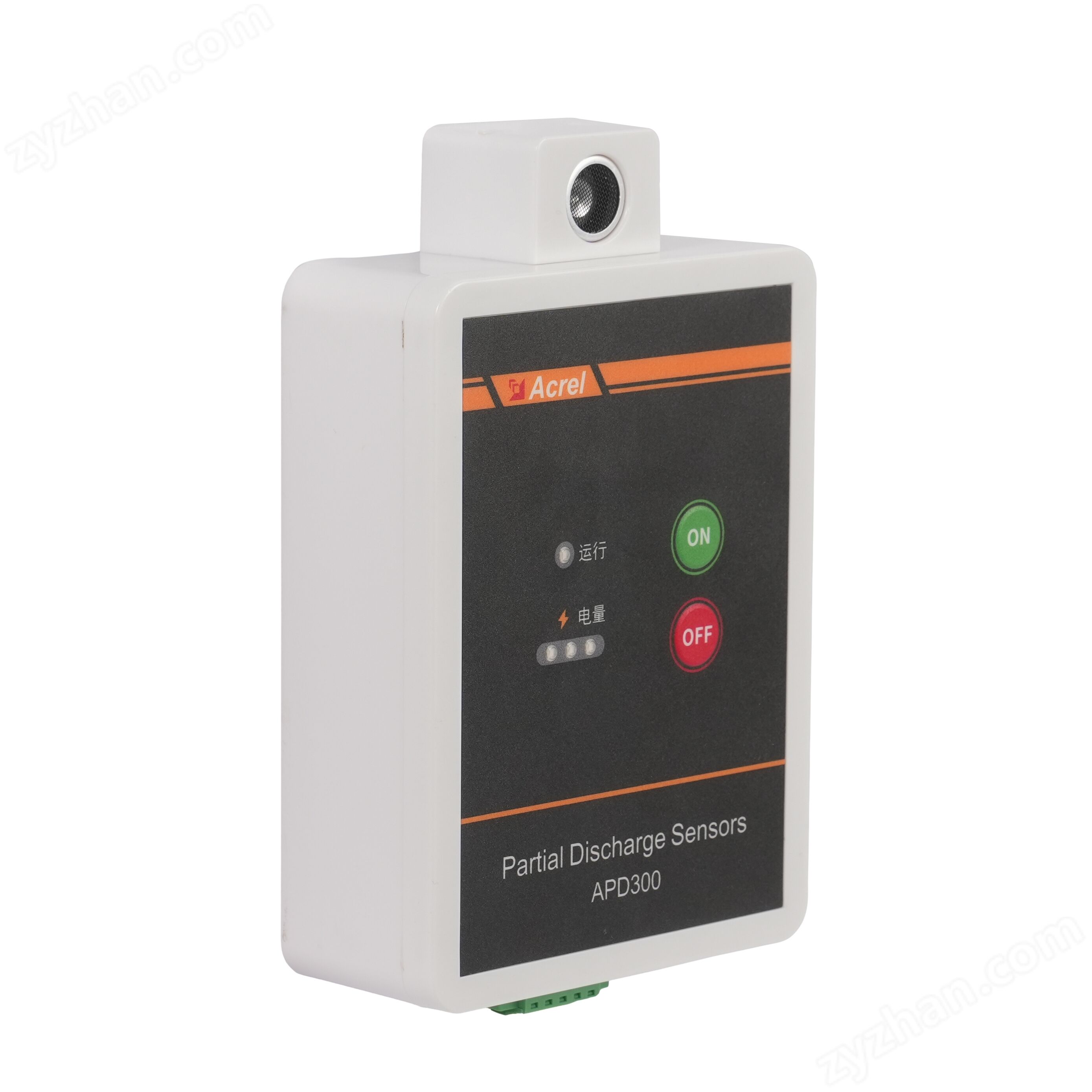
- APD partial discharge sensor
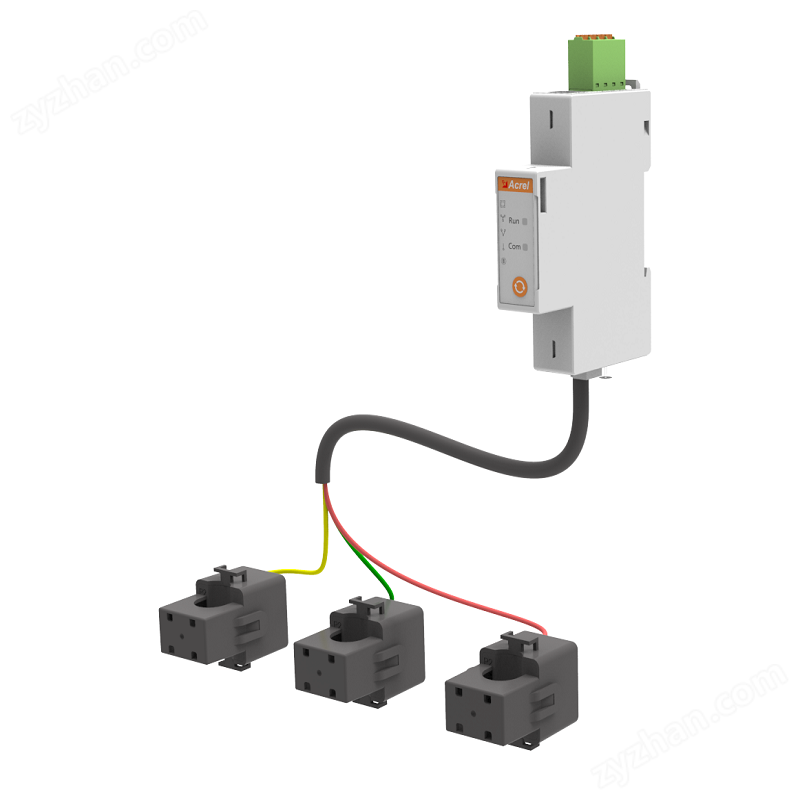
- Four remote unit ARTU
- APM series network power meter
- DDS/DTS/ADL series electric energy meters
- Power transmitter BD
- ANET series intelligent communication management machine
- Microcomputer protection and measurement device AM
- DC insulation monitoring instrument
Ankerui Electric Co., Ltd


Ankerui AM5SE-F line protection and measurement device is suitable for electrical incoming cabinets below 35KV
NegotiableUpdate on 01/05
- Model
- Nature of the Manufacturer
- Producers
- Product Category
- Place of Origin
Overview
The AM5SE-F line protection and measurement device integrates protection, control, measurement, communication, and monitoring functions, with abundant resources, complete configuration, easy maintenance, and stable performance. It is suitable for the protection and measurement of power systems with voltage levels of 35kV and below, and achieves incoming line protection.
Product Details
Introduction to Device 1
1.1 Overview
AM5SE-F Line Protection Measurement and Control DeviceIntegrating protection, control, measurement, communication, and monitoring functions, with abundant resources, complete configuration, easy maintenance, and stable performance, suitable for35kVProtection and measurement of power systems with voltage levels of up to and including incoming lines, main transformers, distribution transformers, motors, capacitors, busbars, etcPTWaiting for protection. The application areas cover industries such as power, water conservancy, transportation, petroleum, chemical, coal, metallurgy, etc.
AM5SE-F Line Protection Measurement and Control DeviceThe hardware design adopts reliable configuration, and the software is equipped with specialized protection algorithms, which have strong anti-interference performance, high reliability, flexible protection implementation methods, and can be compatible withAcrel-2000ZPower MonitoringThe system is used in conjunction to provide guarantees for the safe and reliable operation of the power system.
1.2 Device Selection Table

1.3 External dimensions

Note:
1. The square hole size is 245.5 * 158;
2. The opening size is measured in millimeters (mm).
1.4 Installation method
The device adopts panel embedded installation. Firstly, holes are made on the screen panel according to the opening size, as shown in Figure 1. Then place the device into the opening as shown in Figure 2 until the device panel is against the cabinet panel. Place the bracket inside the cabinet panel (with one bracket on each side), as shown in Figure 3. Rotate the four fixing screws to securely fix the device to the cabinet panel, and finally cover it with four flip covers. (There is a small gap above the flip cover. When disassembling, a flathead screwdriver should be inserted into the small gap to remove the flip cover.)

1.5 Networking diagram

1.6 Selection guidance

1.7 Appearance Introduction

Similar Product Recommend