-
E-mail
ec@hkaco.com
-
Phone
13412598543
-
Address
Building T6, PCI Future Community, No. 30 Kaitai Avenue, Huangpu District, Guangzhou City
Product Categories
Guangzhou Hongke Electronic Technology Co., Ltd
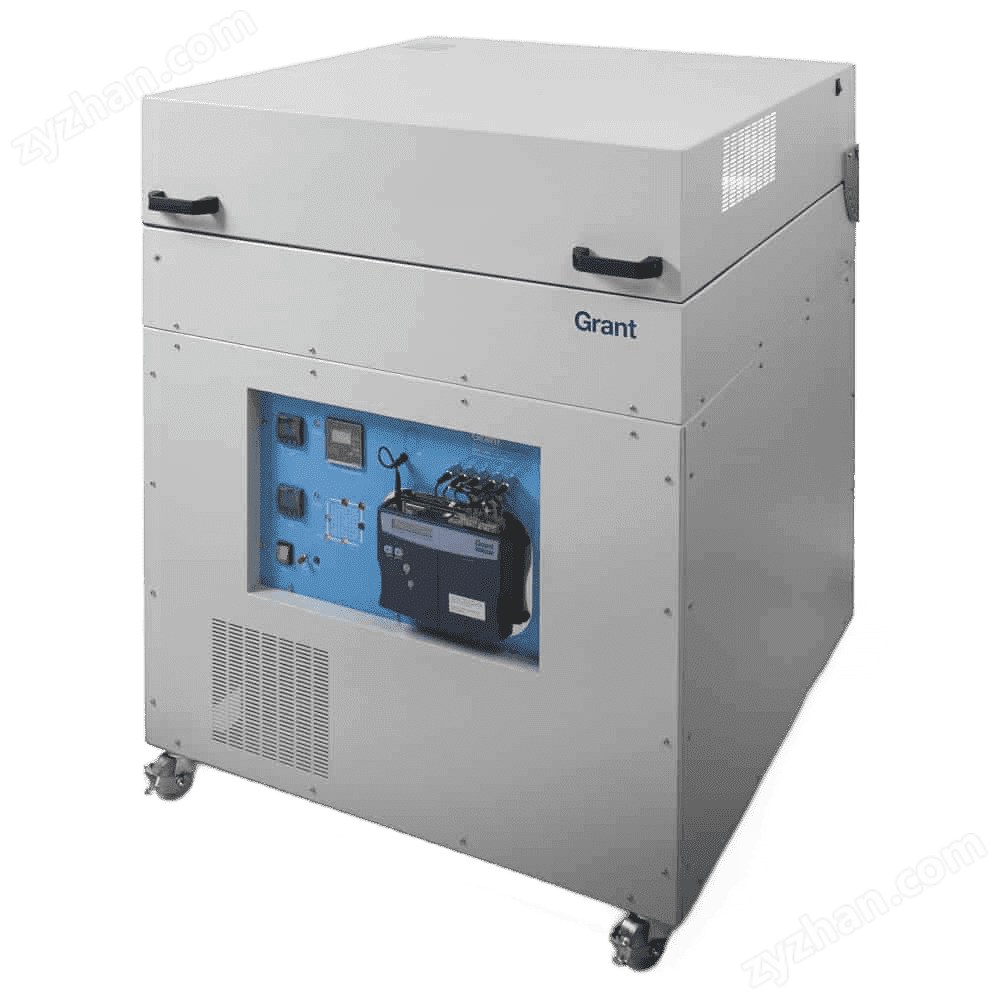
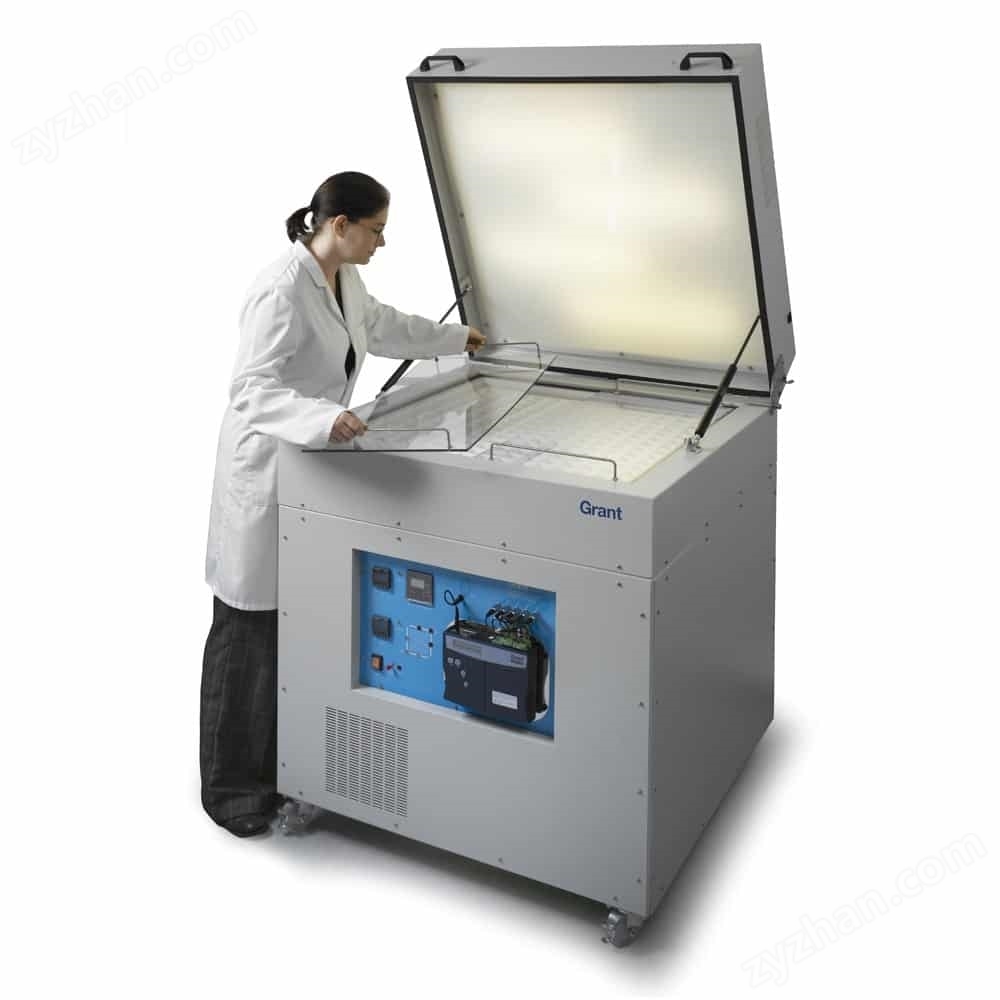
GRD1R LH temperature gradient culture plate
NegotiableUpdate on 01/04
- Model
- Nature of the Manufacturer
- Producers
- Product Category
- Place of Origin
Overview
The Grant GRD1R LH temperature gradient culture plate design is used to conveniently obtain feedback results of various small components or materials such as seeds, small animals and plants, microorganisms, and various small components or materials at different temperatures. The design principle is to heat one side of the aluminum plate while cooling the other side, thereby forming a temperature gradient on the plate surface. By rotating the gradient plate again by 90 degrees, a porous temperature difference is formed. The $r $n gradient system can perform multi-directional temperature cycling, and the system can explore the temperature gradient direction within 24 hours. After that, the system automatically rotates the gradient direction 90 degrees on the layout and cycles back to the final direction
Product Details
Flip the gradient plate to easily achieve multi sample and porous temperature difference testing
working principle
Click on Grant GRD1R LH temperature gradient culture plateDesigned for convenient access to feedback results of various small components or materials such as seeds, small animals and plants, microorganisms, and various small components or materials at different temperatures. The design principle is to heat one side of the aluminum plate while cooling the other side, thereby forming a temperature gradient on the plate surface. By rotating the gradient plate again by 90 degrees, a porous temperature difference is formed.
The gradient system can perform multi-directional temperature cycling, and the system can explore the temperature gradient in a determined direction within 24 hours. Afterwards, the system automatically rotates the gradient direction 90 degrees on the layout and cycles back to its original position, thereby obtaining orthogonal data between the highest and lowest temperatures.
Advantages and Highlights
Instant temperature control:After setting the temperature gradient, a 90 degree gradient flip can be performed at any time to form a temperature difference test
Multi sample testing:Removable organic glass panels for insulation, divided into 196 cultivation work areas, each with different temperatures, allowing for testing of many samples
over-temperature protection:Each edge has over temperature disconnect protection
24-hour adjustable timer:Can control/switch gradient direction in 2 stages within a 24-hour cycle
Multi channel Squirrel data collector:Record temperature and time, with 5 sensors located at the corners and center respectively, and analyze with a PC
Customized lampshade:Full spectrum LED can be provided as required
Main application scenarios:Seed research
Breaking the dormancy period of seeds and optimizing pre cultivation:Breaking seed dormancy and optimizing pre cultivation, GRD1 can provide multiple temperature conditions to help researchers find the most suitable temperature for seed pre cultivation, effectively breaking seed dormancy and improving germination rate.
Seed germination test at constant temperature:GRD1 allows germination testing of dormant and non dormant seeds over a wide temperature range, and can investigate the interactions between temperature and other factors such as water stress and chemical transport.
Study on Seed Germination under Alternating Temperature:GRD1 is capable of implementing complex temperature gradient cycles (unidirectional and perpendicular directions), providing 196 different thermal energy environments, and providing quantitative data for studying the effects of alternating temperature on seed germination.
Other applications: biological research, etc
GRD1 has a wide range of applications, in addition to seed related research mentioned above, it can also be used for biological research, such as testing the parasitic effects of nematodes on insects. It is used as an important tool globally, especially in the field of seed conservation, such as the Millennium Seed Project.
Technical Specifications


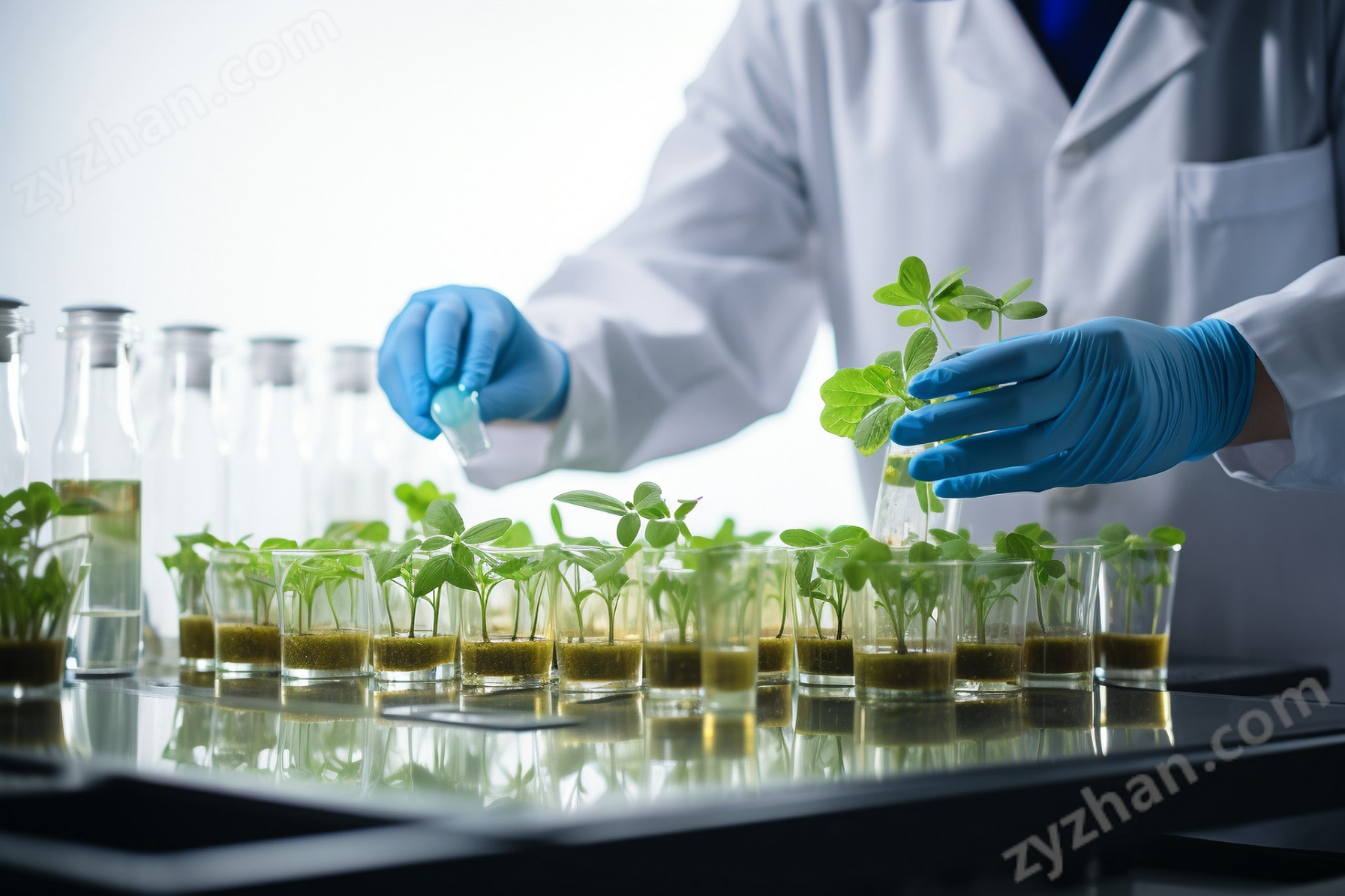
Click on a case study 丨Application of temperature gradient incubator in exploring the effect of temperature on plant germination
Application of temperature gradient incubator in exploring the effect of temperature on plant germination
Global climate change has led to significant changes in the germination cycle of plants. The Grant GRD1R LH temperature gradient incubator has been developed to investigate the impact of temperature on plant germination and contribute to ecosystem research.
The warming climate andAffected seeds
Global warming refers to the release of pollutants from human activities such as industrialization and the burning of fossil fuels了A large amount of greenhouse gasesThese gasesThe phenomenon of entering the atmosphere causing the Earth's temperature to gradually rise over the past few decades. Global warming has brought about a series of serious environmental problemsproblem:Rising temperatures lead to melting glaciers and polar ice sheets, causing sea levels to rise and posing a threat to coastal areasThe survival of islands;Weather events such as rainstorm, drought, hurricane, etcalsoFrequent occurrence, bringing benefits to human society and ecosystemssevereinfluence In addition, climate change also leads to ecosystem degradationsuffer, encounter, meet withDestruction and reduction of biodiversity.

In the context of global warming, plant diversityalsoHas been seriously threatened.
Taking seed germination as an example,Seeds within a certain temperature rangeonly thenSprouting,When the ambient temperatureAbove or belowcorrespondingthresholdtimeIt will not sprout.Germination is a "high-risk stage" in the plant life cycle that is directly regulated by temperature. With the increase of temperature, the dormancy period of many plant seeds is shortened, the germination time is advanced, and the plant growth cycle is not coordinated, which affects the stability of the ecosystem.

Faced with the constantly rising environmental temperature, seedsThe level of tolerance to temperature determines whether the species can surviveChanges have already occurredMaintain a stable population size in the environment.ButExploring the Effect of Temperature on PlantsseedThe impact of germination can help predict plant responses to environmental changes and determine species conservation strategiesin sequenceOrder, maintain biodiversity.
Temperature affects plant germinationofinfluenceof研究
2019In, researchers from the Institute of Botany of the Czech Academy of Sciences investigated the effects of temperature on the germination of eight herbaceous plants in southwestern Australia to assess local species at risk of decline under the backdrop of global warmingThe situation.sampleThere are varieties distributed around the world,There is also Australiaofspecies.
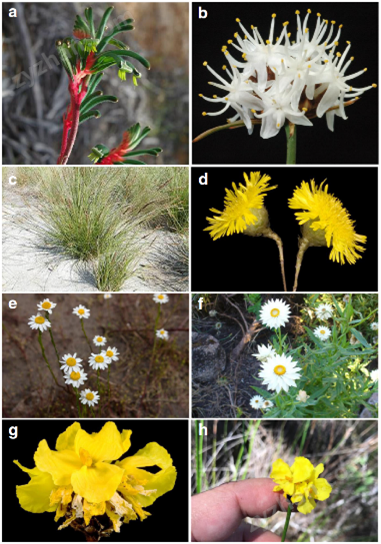
8 species involved in the study
Researchers utilize Grant GRD1R LHTemperature gradient incubator simultaneously providesof196Different temperature combinationsconduct an experiment.The "temperature gradient plate" in the incubatorThe temperature gradient provided is higher than traditionalofThe incubator is more precise and can more accurately characterize the response of seeds to different temperature scenarios.
researcherscollect了Plot the average optimal germination temperature, germination rate, germination time and other parameters of the seeds了The germination temperature curves of 8 species.
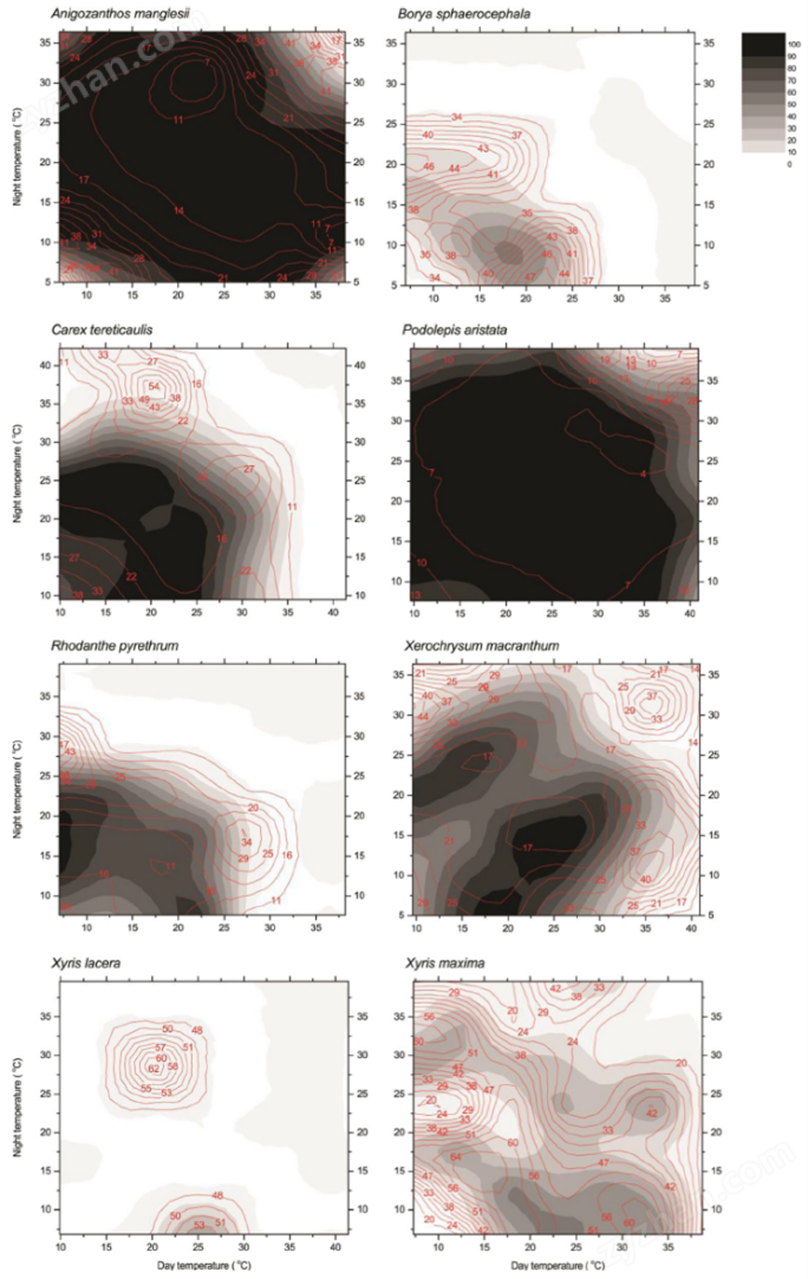
Research findings
The results show thatA.manglesiiandPAristataThey can all be in a wider rangeday and nightGermination within a constant temperature and alternating temperature range exhibits good tolerance to day and night temperatures. By contrast,X.macranthumShow the rightday and nightStrong demand for alternating temperature, day night temperatureThe germination rate is lower when the temperature is relatively constant.R.pyrethrumThey prefer to germinate at lower alternating temperatures.C.tereticaulisTending to germinate under lower temperature conditions,ButWhether it is constant temperature or alternating temperature, above 30Both temperatures can lead to germination failure. These data demonstrate the temperature characteristics of germination in different plant varieties, which can be used to predict the temperature response of plant seedsfeatureAccurate and precisebiodiversityofprotectworkIt is of great significance.
References:Cochrane, A. (2019). Effects of temperature on germination in eight Western Australian herbaceous species. FoliaGeobotanica. doi:10.1007/s12224-019-09335-6
Point into BiologyTemperature gradient cultivationSolution
As a national laboratory instrument integrator, Diancheng BiotechnologyAlways committed to providing customers with advanced technologylaboratory equipmentsolutionDian ChengGrantGRD1R LHA temperature gradient incubator is an efficient bidirectional temperature gradient system that can be used to study the response of seeds, small plants, insects, microorganisms, or any small components or materials to temperature changes.If you are interested inClick on Grant Temperature gradient incubatorIf you are interested in the product, please feel free to contact us at any time.

Point to GrantGRD1R LHTemperature gradient incubator
Similar Product Recommend