- Phone
-
Address
Oulong Technology Park, No.1 Jinma Road, High tech Zone, Weifang City, Shandong Province
Product Categories
- Disease control and hygiene equipment
- Petrochemical analysis instruments
- Food rapid testing equipment
- Other specialized instruments
- Meteorological, hydrological and environmental monitoring
- Soil testing instruments
- Material analysis instruments
- Plant physiological instruments
- Laboratory instruments
- Grain detection instrument
- Molecular Biological Instruments
- Water quality testing instrument
Shandong Hengmei Electronic Technology Co., Ltd

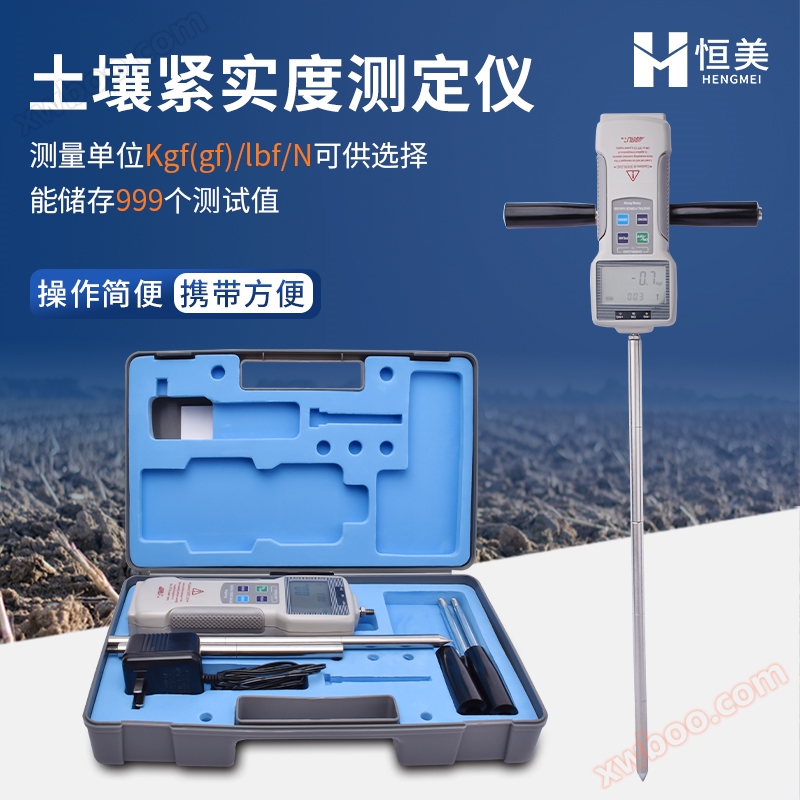
High intelligence soil hardness tester
NegotiableUpdate on 07/07
- Model
- Nature of the Manufacturer
- Producers
- Product Category
- Place of Origin
Overview
Product details Instrument introduction Soil compaction, also known as soil hardness or soil solidity or soil penetration resistance
Product Details
product details
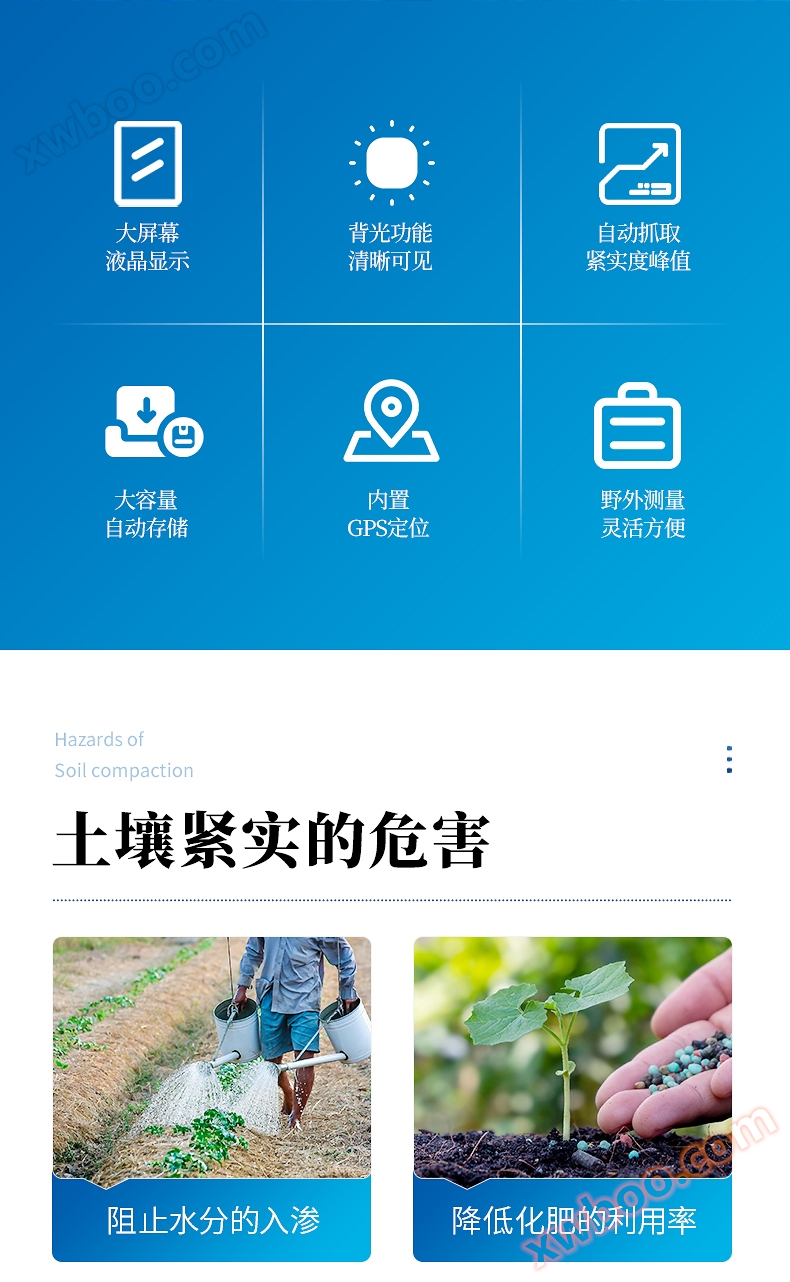
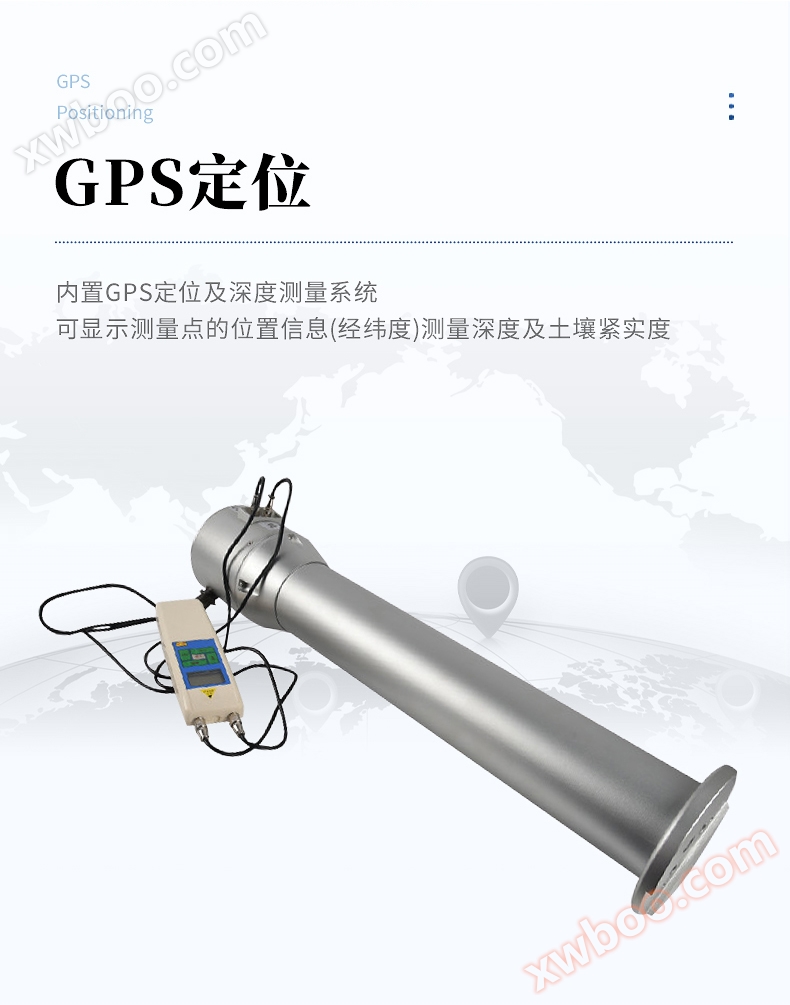
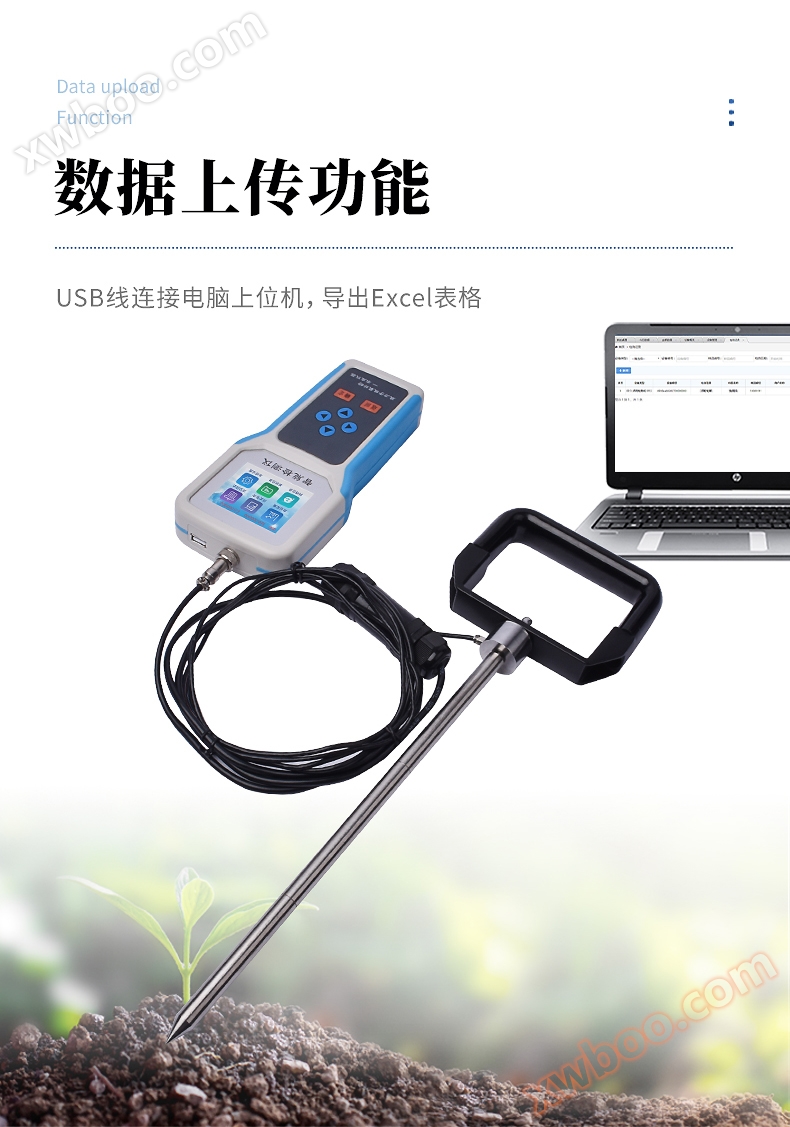
Instrument Introduction
Soil compaction, also known as soil hardness or soil solidity or soil penetration resistance. It is generally expressed as the resistance (in Pa) when a metal plunger or probe is pressed into the soil. Soil compaction refers to the ability of soil to resist external forces, including compaction and fragmentation, and is one aspect of soil properties. In addition, soil physical properties include soil texture, structure, porosity, etc., which involve soil solidity, plasticity, permeability, drainage, water storage capacity, and the difficulty of root penetration.
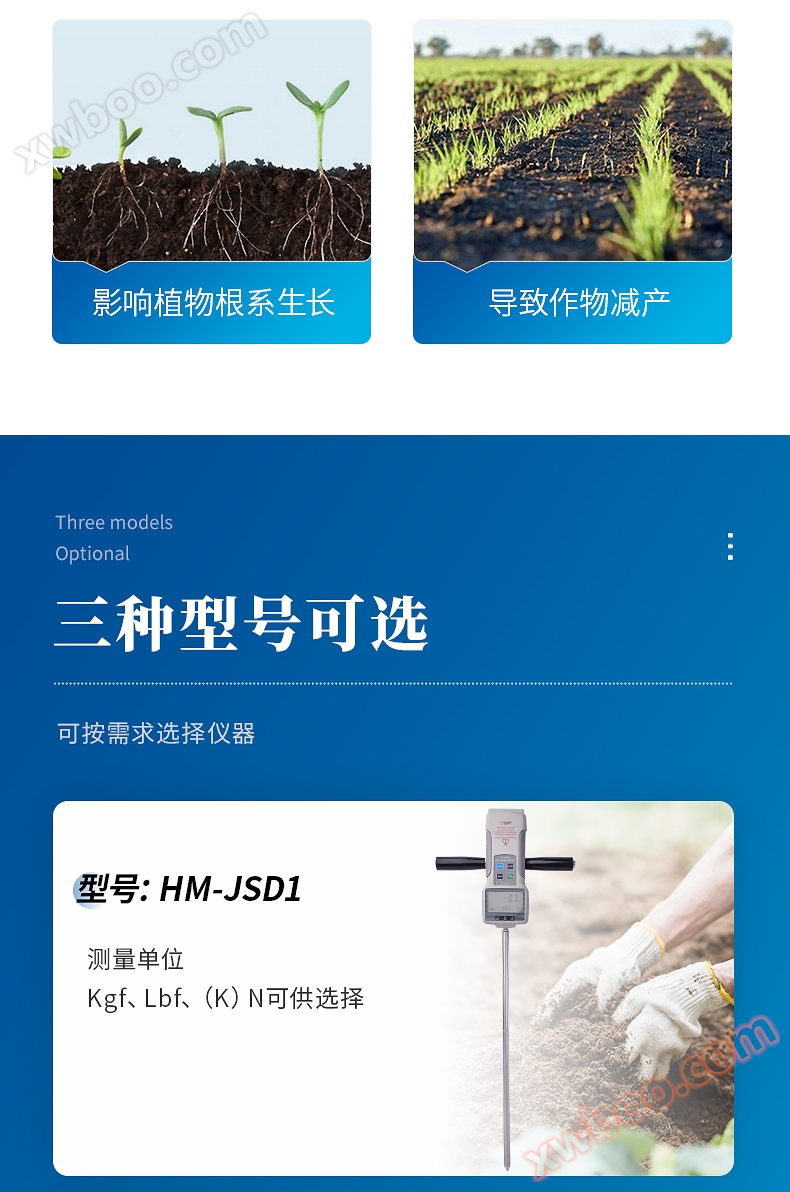
Soil compaction is composed of soil resistance to shear, compression, and friction forces. It is a composite indicator of soil strength. When a metal plunger or probe is pressed into soil, there are two methods: dynamic load and static load. The measured values of different methods are different, but they are related. The shape of the plunger includes cones, flat heads, spheres, wedges, etc., which also have an impact on the measured values. The measured values of the same method are mainly determined by soil texture, bulk density, and moisture content. The impact of moisture content is the greatest among them. Soil compaction can predict soil carrying capacity, tillage performance, and resistance to root extension. The size of soil compaction can affect the perforation and growth of crop roots, and is an important soil physical property indicator used to evaluate soil tillage. Tight soil can prevent water infiltration, reduce fertilizer utilization, affect plant root growth, and lead to crop yield reduction.
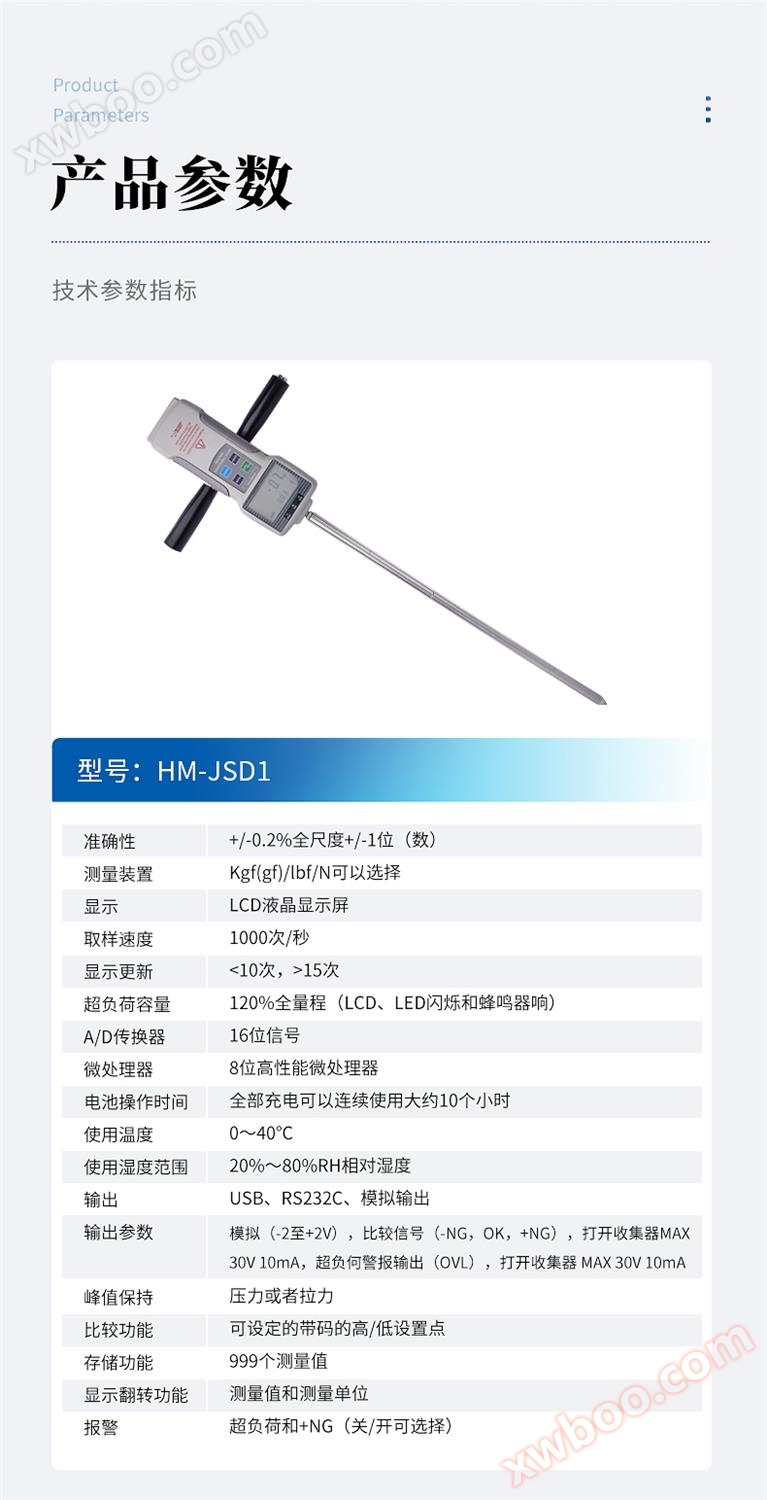
Technical Parameter
1. Accuracy:+/-0.2% full-scale+/-1 digit (number)
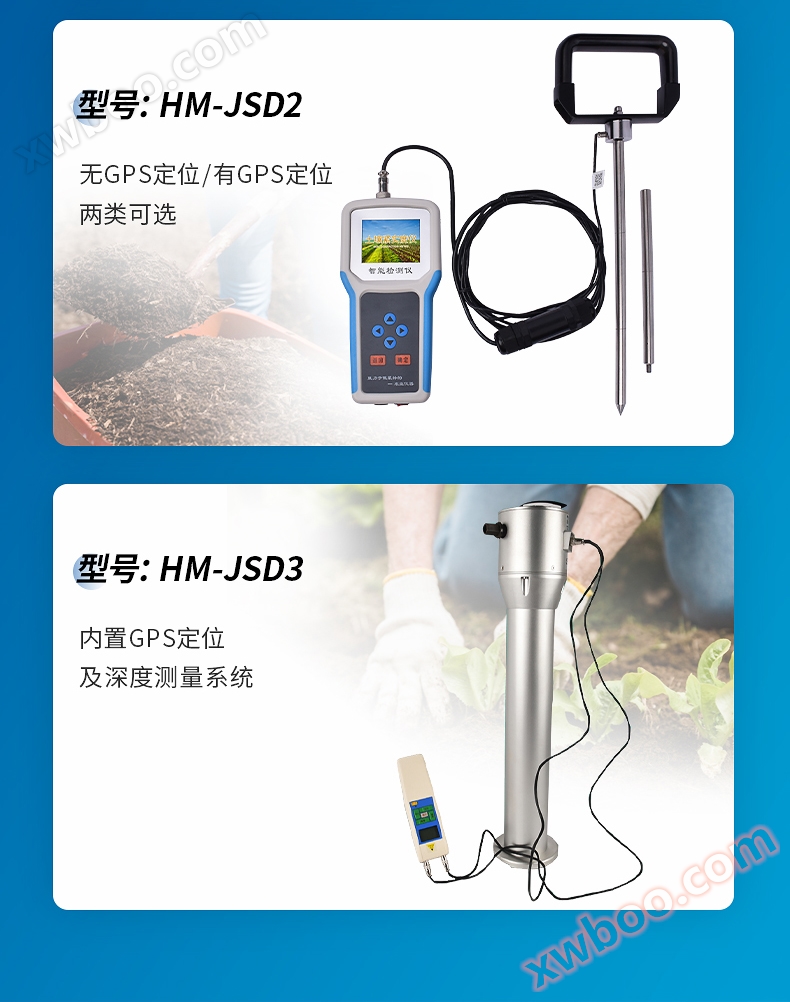
2. Measurement device: Kgf (gf)/lbf/N can be selected
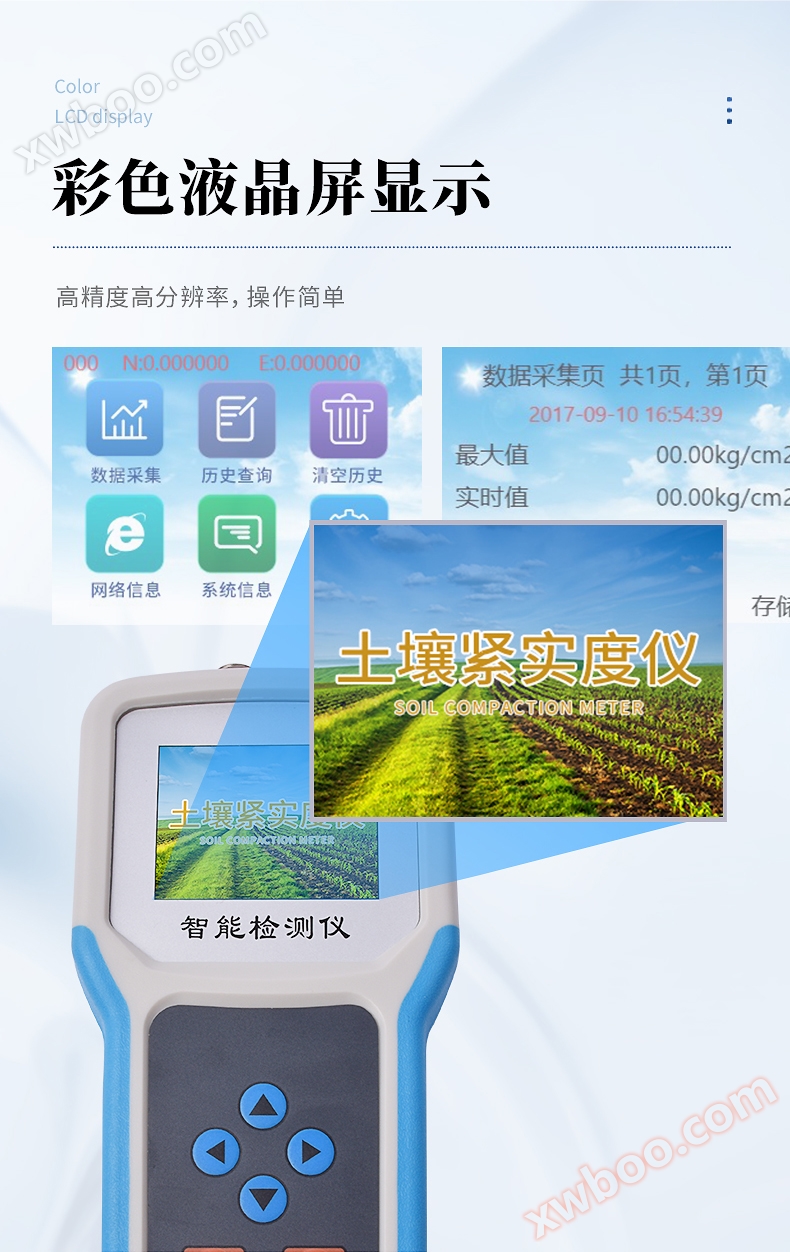
3. Display: 5-digit LCD screen - Device - Mode - Overload LED LCD screen - Comparison LED LCD screen (reversible)
4. Sampling speed: 1000 times/second
5. Display update: 10<,>15 times
6. Overload capacity: 120% full range (LCD, LED flashing, buzzer ringing)
7. A/D converter: 16 bit signal
8. Microprocessor: 8-bit high-performance microprocessor
9. Battery operation time: It can be used continuously for about 10 hours when fully charged
10. Charging time: approximately 8 hours
11. Operating temperature: 0-40 ℃
12. Usage humidity range: 20% to 80% RH relative humidity
13. Power supply: Internal NIMI rechargeable battery, AC adapter
14. Output: USB, RS232C, analog output
15. Output parameters: Simulate (-2 to+2V), compare signals (- NG, OK,+NG), open collector MAX 30V 10mA, over negative alarm output (OVL), open collector MAX 30V 10mA
16. Peak holding: pressure or tension
17. Comparison function: Customizable high/low setting points with codes
18. Storage function: 999 measurement values
19. Display Flip Function: Measurement Values and Units
20. Alarm: Overload and+NG (Off/On selectable)
21. Other functions:
(1) Auto reset (1-60 second setting)
(2) Damping mode (4 horizontal settings)
(3) The button sound can be turned off or on to select
22. Automatic power-off function: selectable from 1 minute to 60 minutes
23. External connection switch: display hold, reset, and peak/trace selection
24. Measurement calibration: It can be calibrated by oneself to adapt to environmental changes
25. Gravity acceleration: The gravity acceleration can be adjusted
26. Size and weight:
Host - length 220.5 x width 78 x height 32.3mm, approximately 520g
Host+Backboard+Handle - Length 230.5 x Width 90 x Height 44.5mm, Approximately 1150
Configuration List
1. 1 host
2. 1 set of software
3. 1 piece of aluminum plate
4. 2 straight handles
5. 4 hexagon socket bolts
6. 1 probe
7. 1 connecting rod
8. 1 set of charger
9. 1 plastic box
10. 1 copy of instruction manual
11. 1 certificate of conformity
12. 1 warranty card
Address of this article: https://www.hmdzkj.com/product/271.html
- Previous: No more
- Next article: No more