-
E-mail
15093177890@163.com
-
Phone
15093177890
-
Address
B06-1 Qidi Zhenghang Intelligent Manufacturing Industrial Park, Intersection of Xinxiang Road and Luoning Road, Shangjie District, Zhengzhou City, Henan Province
Product Categories
- Fruit freeze dryer
- Multi manifold cover type freeze-drying machine
- Low temperature coolant circulation pump
- Experimental freeze dryer
- Electric heating stainless steel reactor
- In situ freeze dryer
- Fruit and vegetable freeze-drying equipment
- Explosion proof high and low temperature circulation device
- Pet food freeze dryer
- Cover type freeze-drying machine
Zhengzhou Kewangda Biological Instrument Co., Ltd

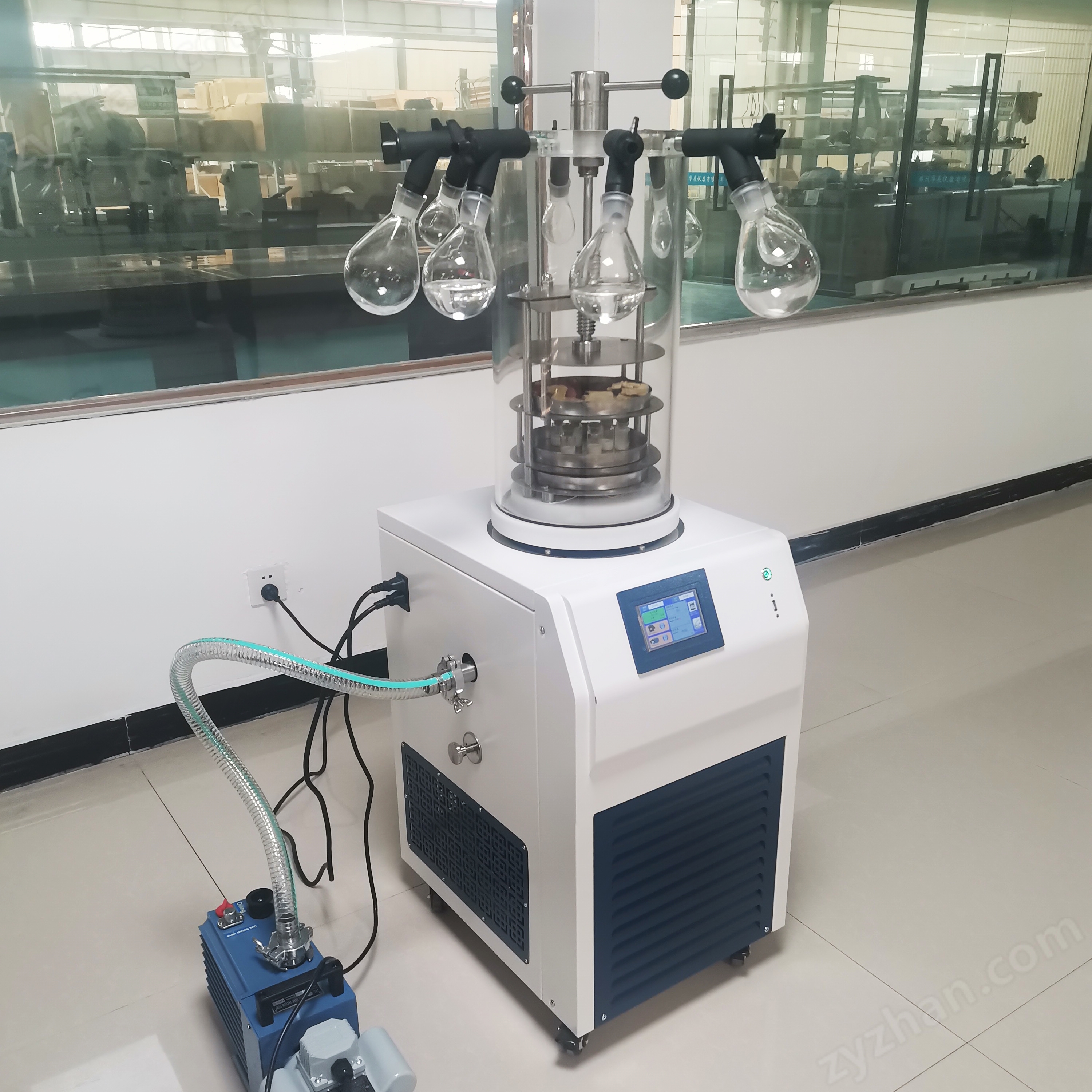
In situ freeze dryer
NegotiableUpdate on 01/04
- Model
- Nature of the Manufacturer
- Producers
- Product Category
- Place of Origin
Overview
In situ freeze dryer is a drying device used for drugs, food, and other biological materials, which removes moisture at low temperatures to maintain the structure and composition of the product.
Product Details
In situ freeze dryer is a drying device used for drugs, food, and other biological materials, which removes moisture at low temperatures to maintain the structure and composition of the product.

Safety Design inIn situ freeze dryerThe development and use of this technology are crucial, and the following will provide a detailed introduction to its security design from multiple perspectives.
1. Vacuum safety design
The interior of the in-situ freeze dryer is usually in a vacuum state, so vacuum safety design is crucial:
Integrity of the vacuum system: Ensure that the vacuum system is designed properly to prevent leakage and contamination.
Vacuum monitoring: Real time monitoring of changes in vacuum degree, timely detection of abnormal situations, and ensuring that the system operates within a safe range.
Explosion risk assessment: Evaluate the impact of flammable and explosive gases on vacuum environments during the design phase, and take explosion-proof measures if necessary.
2. Mechanical safety design
The in-situ freeze dryer involves multiple mechanical components such as compressors, vacuum pumps, etc. Its safety design includes:
Protective device: The equipment should be equipped with a safety cover to prevent operators from coming into contact with moving parts.
Overload protection: Install overload protectors on motors or other critical components to prevent equipment damage in abnormal situations.
Emergency stop device: Operators can quickly cut off the power supply in emergency situations to ensure personal safety.
3. Electrical safety design
The safety design of electrical systems is equally important, mainly including:
Grounding design: The equipment should have an effective grounding design to prevent static electricity and leakage.
Electrical component selection: Use electrical components that meet safety standards, such as explosion-proof switches, overload protectors, etc.
Circuit design: The electrical control system should have good isolation design to prevent short circuits or fires caused by electrical faults.
4. Thermal safety design
Due to the special requirements of freeze-drying machines in terms of low temperature and heat management, thermal safety design includes:
Temperature control system: An accurate temperature control system can prevent equipment damage or fire risks caused by high temperatures.
Thermal insulation material: Select insulation materials to ensure the thermal efficiency of the equipment during operation and reduce heat leakage.
Cooling system: Design a reasonable cooling system to prevent equipment overheating and malfunctions.
5. Operational safety design
Many safety hazards are related to the operational behavior of operators, so operational safety cannot be ignored:
Operation training: Provide operation training to enable operators to understand equipment functions and safety operating procedures.
User Manual: Write a detailed user manual, including safety precautions, troubleshooting, and maintenance guidelines.
Warning signs: Clear safety warning signs should be set up on the equipment to remind operators to pay attention to safety precautions.
6. Regular maintenance and inspection
Regular maintenance and inspection are also very important to ensure the long-term safe operation of the equipment:
Equipment inspection: Regularly conduct comprehensive inspections of equipment to ensure the normal operation of various systems.
Maintenance records: Establish detailed maintenance records to trace and evaluate the safety performance of equipment.
Fault analysis: Analyze any faults that occur, identify the cause, and take improvement measures to avoid similar problems from happening again.
7. Environmental safety design
The safety design of in-situ freeze-drying machines should also consider their impact on the environment:
Waste gas treatment: The waste gas generated during the freeze-drying process should be treated by an effective waste gas treatment device to prevent environmental pollution.
Noise control: The equipment should take noise control measures during operation to ensure that it does not affect the operators and the surrounding environment.
Energy saving design: Adopting energy-saving technologies to improve equipment energy efficiency, reduce energy consumption, and meet environmental protection requirements.

In situ freeze dryerTechnical Specifications