-
E-mail
350007515@qq.com
-
Phone
15106375376
-
Address
Shandong Province
Product Categories
Liangshan County DeDe Second hand Equipment Purchase and Sales Department


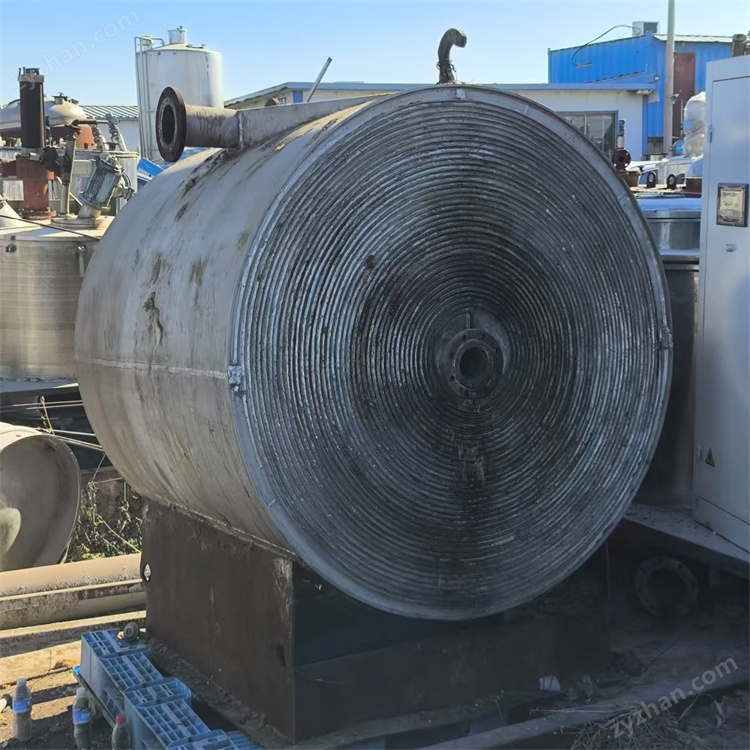
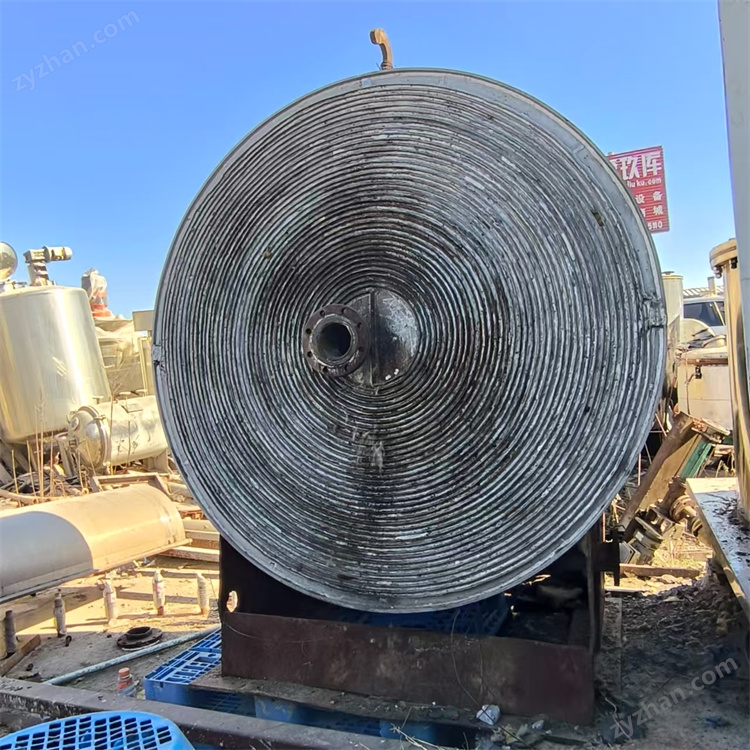
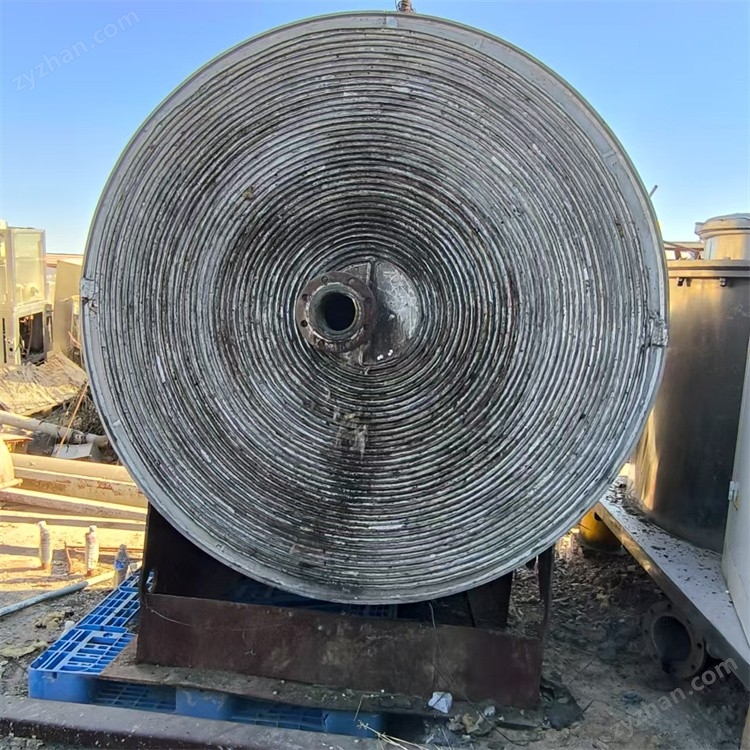
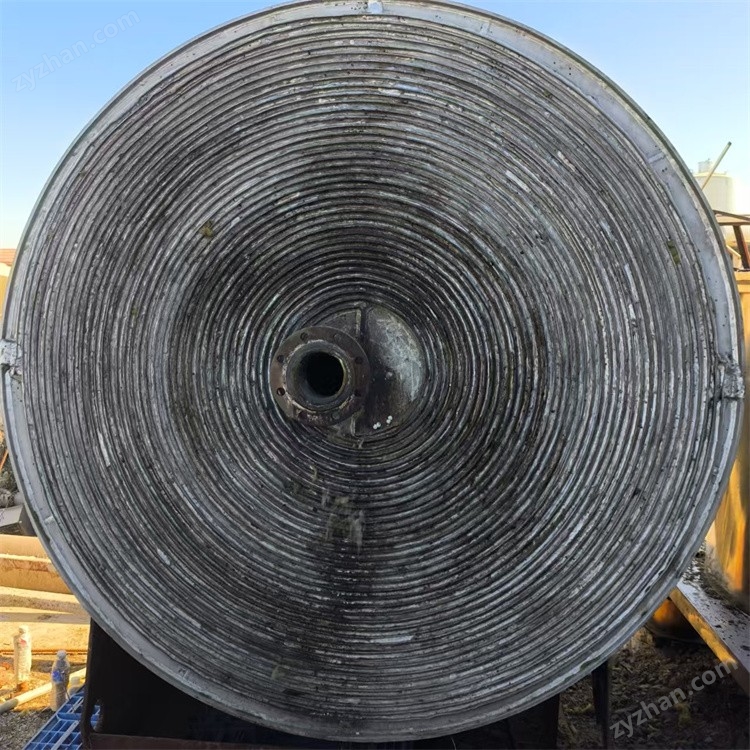
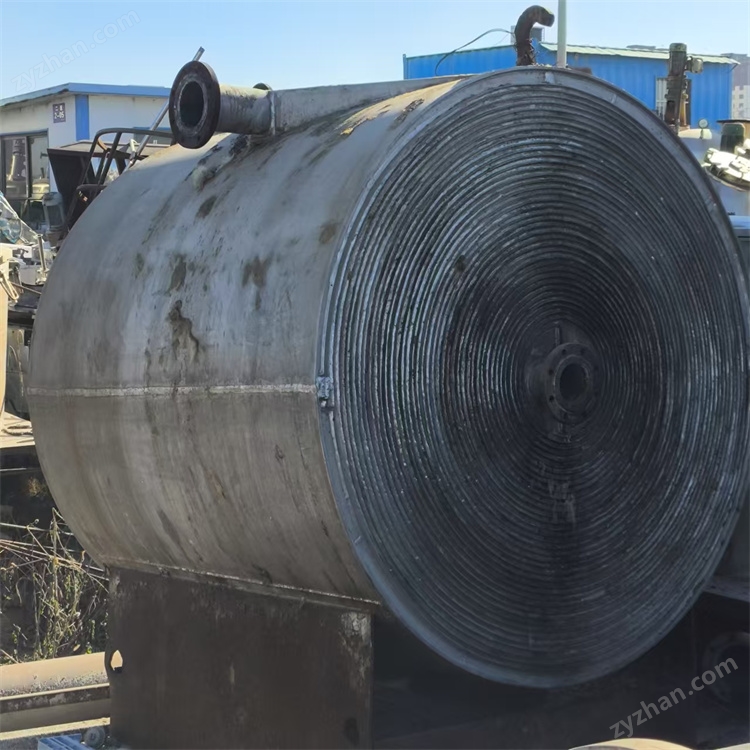
Long term supply of second-hand steam heat exchangers
NegotiableUpdate on 01/05
- Model
- Nature of the Manufacturer
- Producers
- Product Category
- Place of Origin
Overview
Long term supply of second-hand steam heat exchangers: Liangshan County DeDe Second hand Equipment Purchase and Sales Department provides long-term supply of second-hand drying equipment, second-hand domestically imported disc separators, second-hand heat transfer oil furnaces, second-hand horizontal spiral centrifuges, second-hand plate and frame filter presses, second-hand horizontal scraper centrifuges, and second-hand horizontal two-stage piston pushing centrifuges Used tube bundle dryer, used flash dryer, used enamel reaction kettle, used stainless steel reaction kettle, used stainless steel tube condenser, etc., used stainless steel cold and hot cylinders, used high-pressure homogenizer, used dairy equipment, used beverage equipment, edible oil processing plant, feed processing plant, alcohol plant, etc
Product Details
Long term supply of second-hand steam heat exchangers
Company Introduction
Liangshan County DeDe Second hand Equipment Purchase and Sales Department provides long-term supply of second-hand drying equipment, second-hand domestically imported disc separators, second-hand heat-conducting oil furnaces, second-hand horizontal spiral centrifuges, second-hand plate and frame filter presses, second-hand horizontal scraper centrifuges, and second-hand horizontal two-stage piston pushing centrifuges Used bundle dryer, used flash dryer, used enamel reaction kettle, used stainless steel reaction kettle, used stainless steel tube condenser, etc., used stainless steel cold and hot cylinders, used high-pressure homogenizer, used dairy equipment, used beverage equipment, edible oil processing plant, feed processing plant, alcohol plant, dairy plant, food protein plant, beverage plant complete set of production equipment
dehangershouhuagongshebei-miaoyuanyuan
Long term supply of second-hand steam heat exchangers
1、 Common types of steam heat exchangers
Shell and tube heat exchanger
Structure: Steam flows through the shell side, while the heated medium flows through the tube side.
Features: High pressure resistance, easy maintenance, suitable for high flow, high temperature and high pressure scenarios (such as chemical plants and power plants).
plate heat exchanger
Structure: Composed of corrugated metal plates stacked together, steam and medium flow alternately through the plates.
Features: Compact and efficient, high heat transfer coefficient, suitable for small and medium flow rates and clean media (such as food processing, HVAC systems).
Finned tube heat exchanger
Structure: Install fins outside the heat exchange tubes to increase the heat dissipation area.
Features: Enhance heat transfer on the air side, commonly used for air heating (such as drying equipment, warm air systems).
Spiral plate heat exchanger
Structure: Two metal plates are rolled into a spiral channel, and steam and medium exchange heat in reverse flow.
Features: self-cleaning, anti scaling, suitable for high viscosity or particulate media (such as petroleum and chemical).
2、 Key selection parameters
Heat load demand: Calculate the required heat exchange capacity (kW or kcal/h) and determine the heat exchange area.
Steam parameters: pressure (MPa), temperature (℃), flow rate (kg/h).
Medium characteristics: flow rate, inlet and outlet temperature, viscosity, corrosiveness, and tendency to scale.
Pressure drop limitation: Avoid affecting system operation due to excessive pressure drop.
Material selection: carbon steel, stainless steel (304/316), titanium (corrosion-resistant), etc.
3、 Typical application scenarios
Industrial heating: chemical reactor heating, petroleum pipeline heating.
HVAC: Steam water heat exchange is used for building heating.
Food processing: sterilization, steaming, fermentation tank temperature control.
Paper industry: pulp drying, heat recovery system.
Power industry: steam turbine waste heat recovery, boiler feedwater preheating.
4、 Common Problems and Maintenance Suggestions
efficiency decline
Reason: scaling, blockage, and poor discharge of steam condensate.
Solution: Regular chemical cleaning, inspection of drain valves, and addition of filtration devices.
leak
Reason: Aging of sealing gasket (plate type), corrosion of weld seam (shell and tube type).
Solution: Replace gaskets or plates, and conduct regular pressure testing.
Accumulation of condensate water
Impact: Reduce heat transfer efficiency and cause water hammer.
Improvement: Optimize the selection of drain valves and add a condensate recovery system.
Vibration and noise
Reason: High steam flow rate and insufficient pipeline support.
Solution: Install shock absorber brackets and adjust steam pressure.
5、 Energy saving and optimization direction
Waste heat recovery: using the waste heat from condensed water to preheat the incoming water or other processes.
Intelligent control: using PLC or DCS system to automatically adjust steam flow, avoiding waste of overheating.
Material upgrade: Extend the lifespan by using nano coatings or corrosion-resistant alloys.
Regular maintenance: Establish standardized processes for cleaning, leak detection, and efficiency evaluation.
Similar Product Recommend


