-
Phone
18874850637
-
Address
Bancang South Road, Changsha Economic and Technological Development Zone, Hunan Province
Product Categories
Changsha Jitian Environmental Protection Technology Co., Ltd
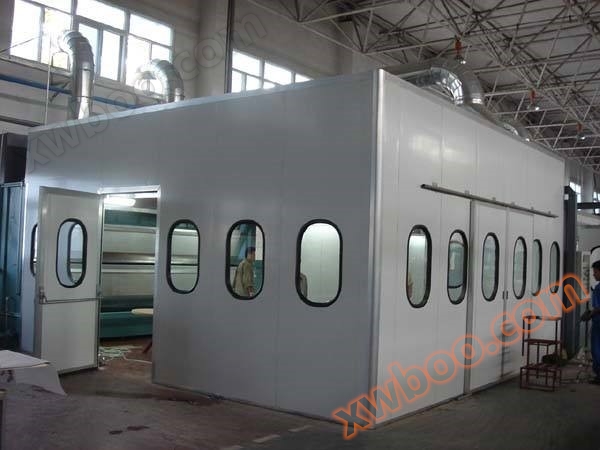
Spraying organic waste gas treatment
NegotiableUpdate on 04/01
- Model
- Nature of the Manufacturer
- Producers
- Product Category
- Place of Origin
Overview
1、 The composition and hazards of spraying organic waste gas mainly include volatile organic solvents such as benzene, toluene, and xylene. Inhaling benzene can cause symptoms such as dizziness, chest tightness, nausea, vomiting, etc; Inhaling toluene or xylene can cause central nervous system numbness in humans
Product Details
1Composition and hazards of spraying organic waste gas
Spray organic waste gas mainly includes volatile organic solvents such as benzene, toluene, and xylene. Inhaling benzene can cause symptoms such as dizziness, chest tightness, nausea, vomiting, etc; Inhaling toluene or xylene can cause symptoms of central nervous system anesthesia, ranging from mild dizziness, nausea, chest tightness, and fatigue to severe coma and even death due to respiratory and circulatory failure.
IISpray organic waste gas treatment process
Our company adopts adsorption technology to address the high volume and low concentration of exhaust gas generated during spraying operations+The treatment process of catalytic combustion.
IIISpray organic waste gas integrated treatment equipment
1Purpose:
This equipment is mainly used for the purification treatment of volatile organic waste gases during various painting operations, and is most suitable for organic waste gases with lower concentrations that are not suitable for direct combustion or catalytic combustion and adsorption recovery treatment.
2Working principle
This equipment is designed based on two basic principles: adsorption and catalytic combustion. That is, adsorption concentration catalytic combustion method. Firstly, the organic waste gas is concentrated by adsorbing and desorbing with activated carbon, and then converted intoCO2andH2ODischarge. Part of the exhaust gas after combustion is discharged into the atmosphere, and the majority is sent to the adsorption bed for the desorption and regeneration of activated carbon. This may meet the heat energy requirements for combustion and desorption, achieving the goal of energy conservation. The regenerated activated carbon can be used for the next adsorption; During desorption, purification can be carried out using another adsorption bed, which is suitable for both continuous and intermittent operations.
3Technical performance characteristics
1)、 The equipment has advanced design principle, stable performance, simple operation, safety and reliability, energy saving and labor saving, and no secondary pollution. The equipment occupies a small area.
2)Adopting a new type of activated carbon adsorbent material - honeycomb activated carbon has superior kinetic performance compared to granular activated carbon. Extremely suitable for use under high air volume.
3)、 Low power consumption, requires electric heating to start during catalytic combustion. At the beginning of catalytic combustion in a catalytic bed, the combustion heat of organic matter can be sufficient to maintain the required temperature for the reaction, at which point the electric heating stops on its own.
4)、 The activated carbon bed that adsorbs organic waste gas can be used to desorb and regenerate the waste gas after catalytic combustion. The desorbed gas is then sent to the catalytic combustion chamber for purification without the need for external energy, with low operating costs and significant energy-saving effects.
4Engineering Case


