-
E-mail
sales2@airs-tech.com
-
Phone
18939760017
-
Address
Room 703, Building 35, C2 International Zone, Lane 1555, Jinshajiang West Road, Jiading District, Shanghai
Anruis (Shanghai) Technology Co., Ltd
Laboratory Air Safety during Safety Production Month
Date: 2025-09-18Read: 10
June is scorching hot, and the national "Safety Production Month" activity is in full swing. As the cradle of technological innovation and the engine of industrial upgrading, the safe operation of laboratories is crucial. However, behind precision instruments and chemical reactions, there is an invisible threat that is often overlooked - laboratory air pollution. It is colorless and odorless, but it may silently erode the health of experimenters and even cause serious accidents. On this Safety Production Month, let us focus on laboratory air safety in China, sound the alarm, and build a strong defense line.
Organic solvent poisoning incident in a chemistry laboratory of a certain university: Experimental personnel used a large amount of volatile organic solvents (such as benzene derivatives, acetone, etc.) for synthesis operations in poorly ventilated laboratories for a long time. Local exhaust facilities are not effectively used or the wind speed is insufficient, resulting in a large accumulation of toxic vapors indoors. Several students have experienced acute poisoning symptoms such as dizziness, vomiting, and even temporary confusion, and have been urgently sent to the hospital.
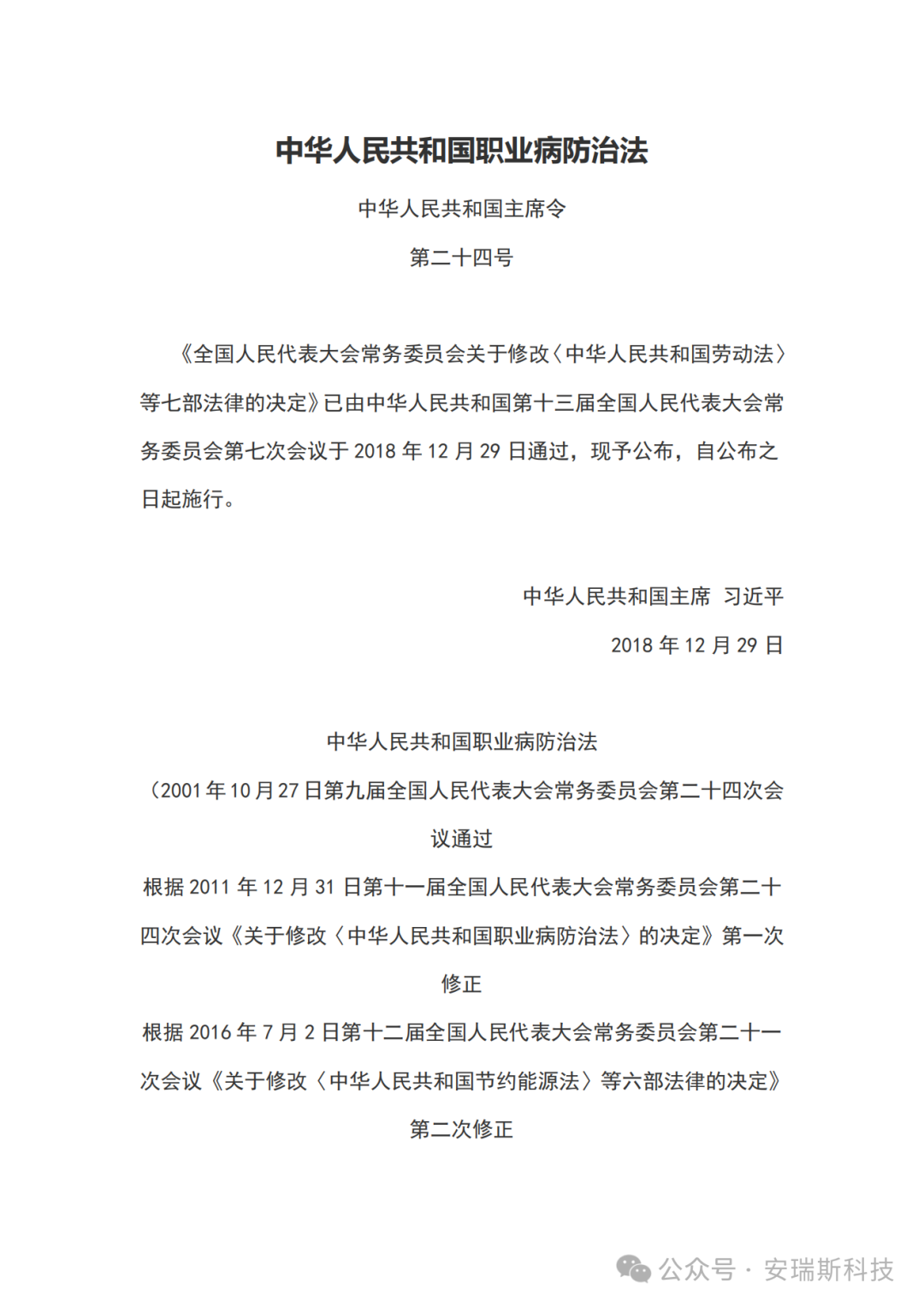
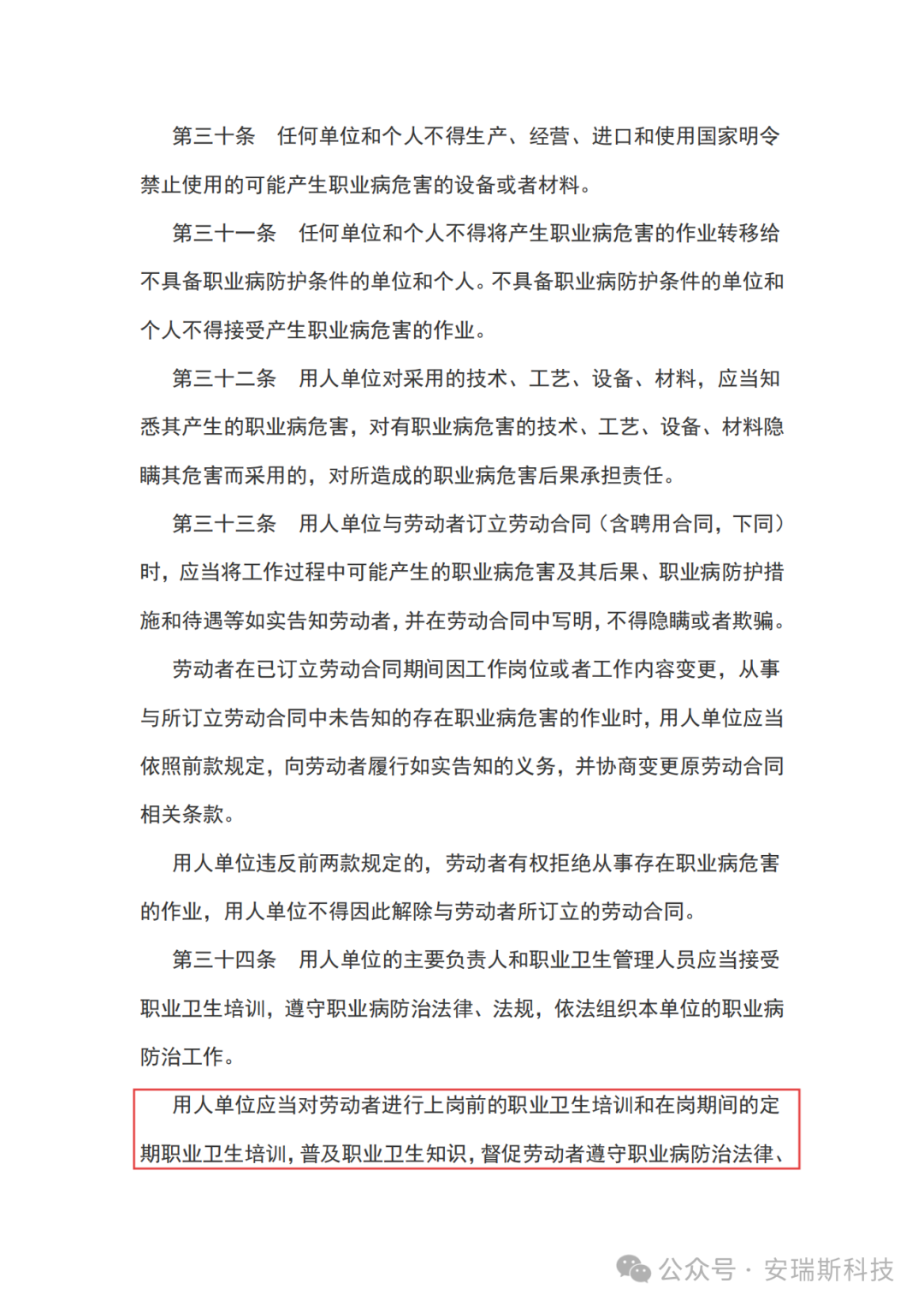
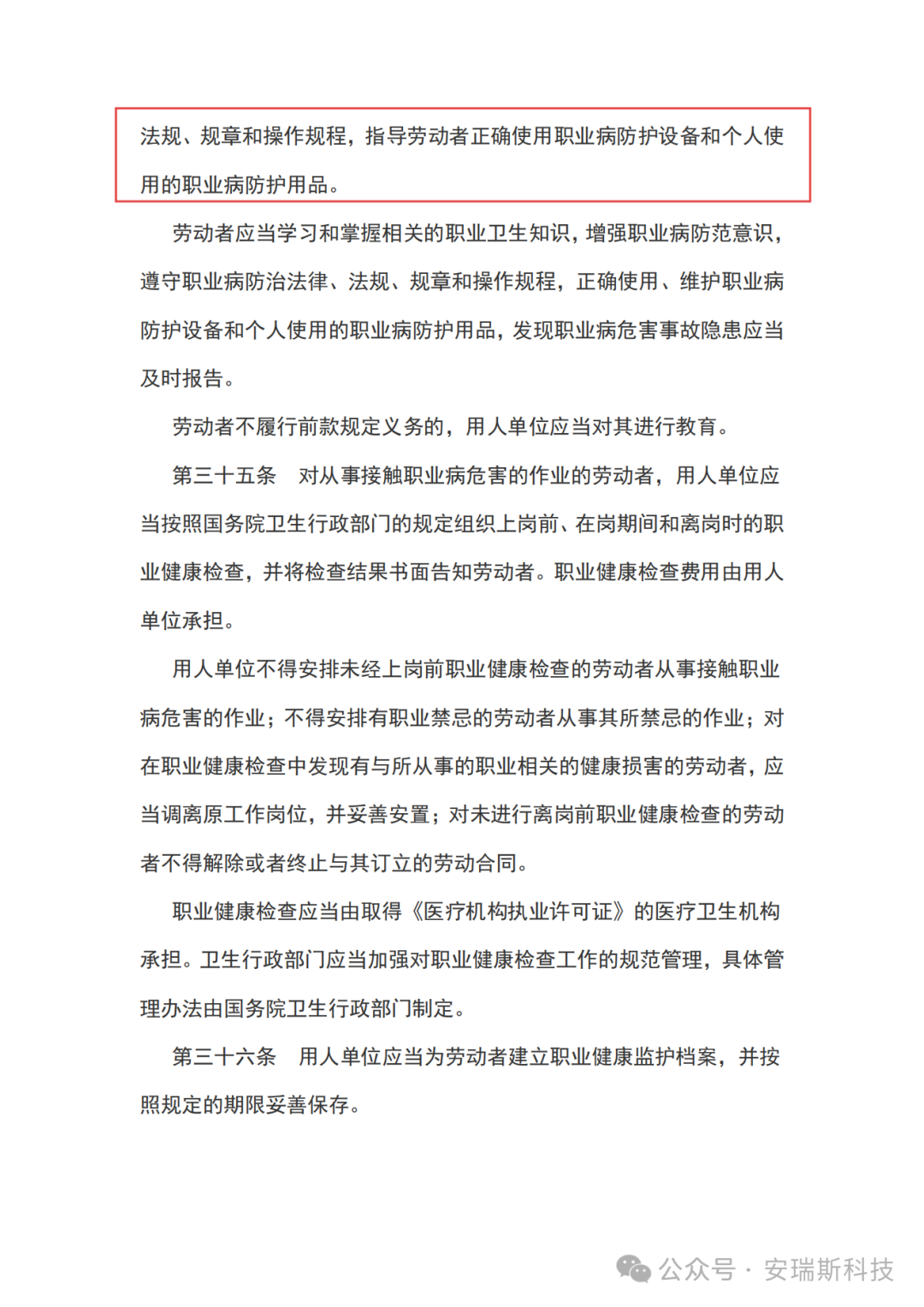
Occupational Disease Prevention and Control Law of the People's Republic of China
This law clarifies the main responsibility of laboratory managers: requiring all laboratories involving toxic and harmful substances to be equipped with ventilation systems (Article 15), and organizing at least one occupational health examination annually (Article 34)

GB/T 18883-2022 Air Quality Standard
This standard specifies concentration limits for 19 indicators including physical, chemical, biological, and radioactive properties in indoor air; At the same time, corresponding detection methods for indoor air quality parameters have been stipulated (such as tightening the formaldehyde limit to ≤ 0.08mg/m ³)

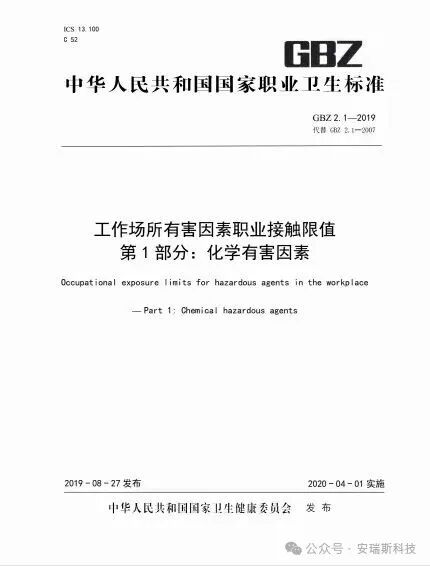
GBZ 2.1-2019 Occupational Health Standards
This standard specifies occupational exposure limits for harmful chemical substances (such as toxins and dust) in the workplace air, including maximum allowable concentration, time weighted average allowable concentration, and short-term exposure allowable concentration. These limits are intended to protect workers from acute and chronic health damage caused by harmful chemical factors in their occupational activities.
1. Chemical damage
High concentrations of organic solvent vapors (such as benzene and xylene) have strong anesthetic effects and can inhibit the central nervous system, leading to dizziness, drowsiness, delayed reactions, and in severe cases, coma and respiratory failure.
2. Biological infection risk
The tiny droplets (aerosols) generated during the manipulation of microorganisms and tissue samples may carry pathogens.These tiny particles (with a diameter less than 5 microns) can directly enter deep into the lungs. For example, a malfunction in a biosafety cabinet has caused the spread of Brucella and infected individuals. The equipment for handling contaminated waste, such as a dual lock system with two people, is insufficient in some laboratories and poses a risk of leakage.
3. Unknown hazards of new materials
Nanoparticles (such as carbon nanotubes and graphene dust) are extremely small, and ordinary protective measures may not be able to stop them.Long term inhalation of such new materials may cause lung damage (such as abnormal shadows detected by CT scans), but their specific hazards are still under study.
Case Study
1、 Narrow border clean air type fume hood: used for pre-treatment chemical experiments and instrument reflection experiments.
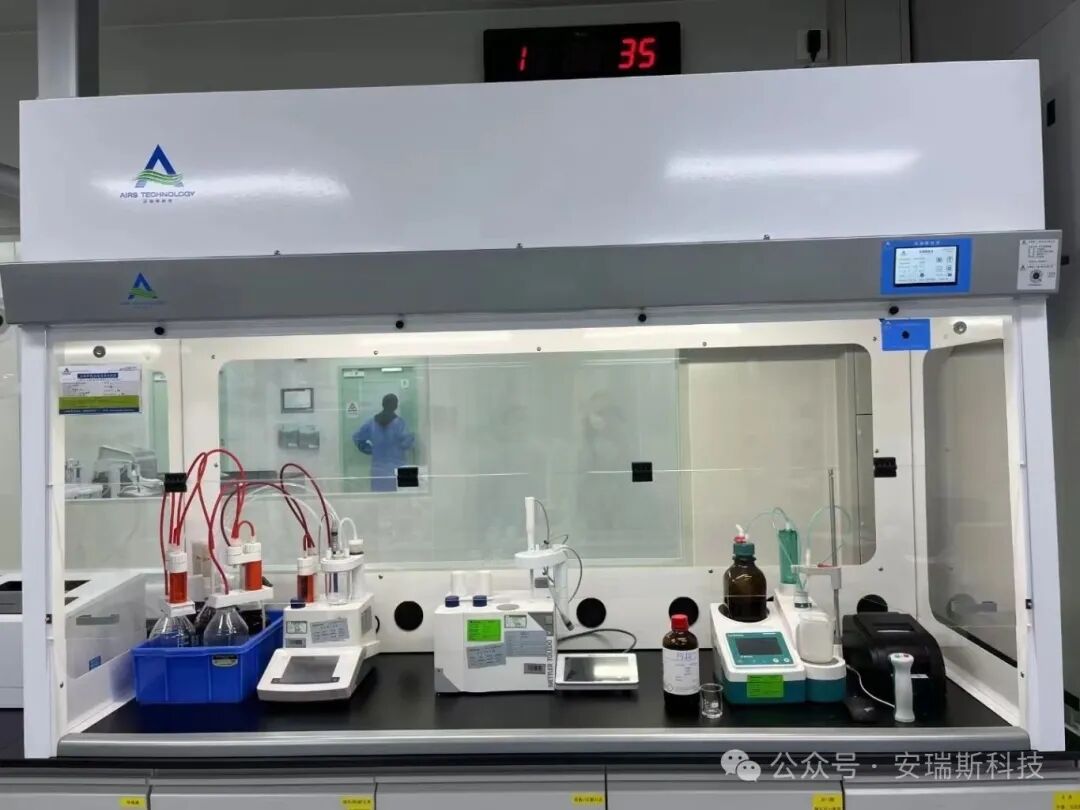
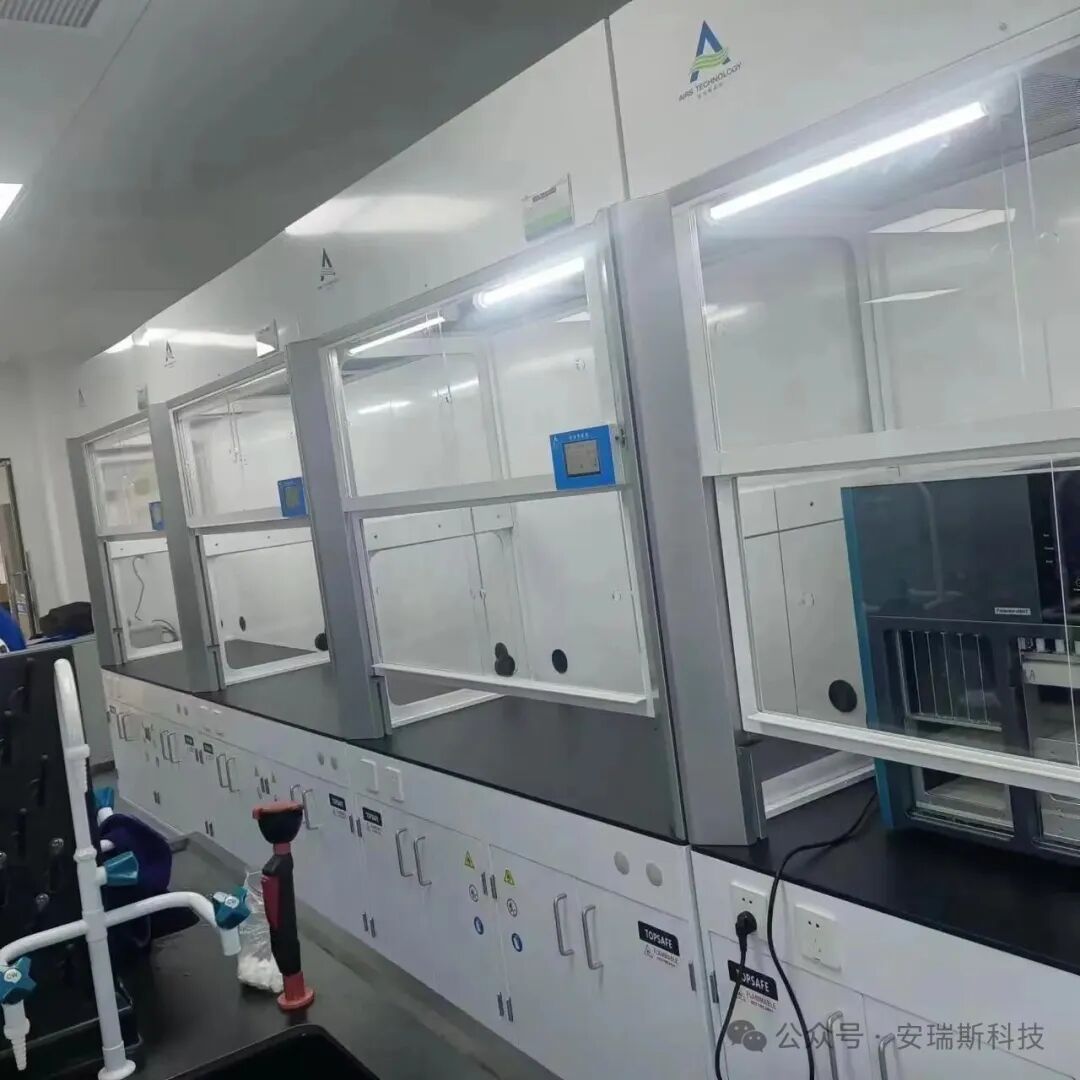
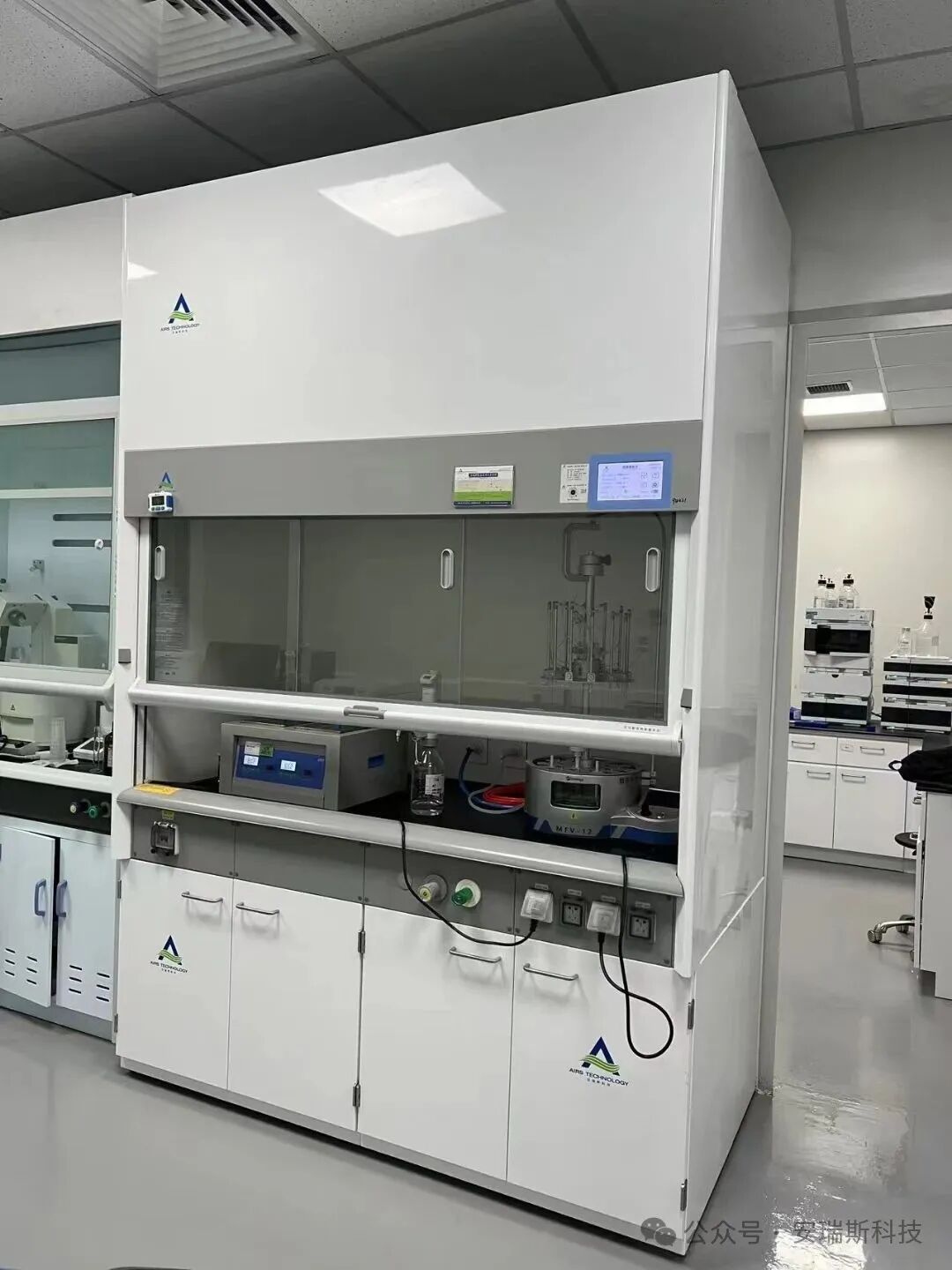
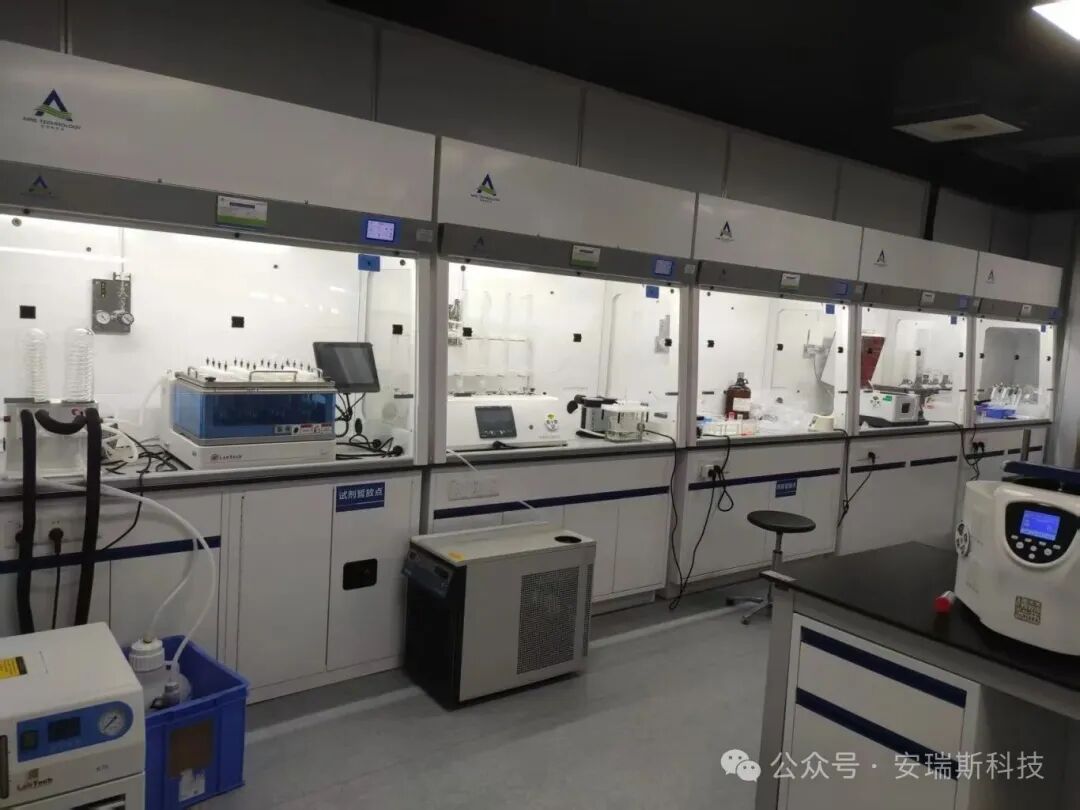
2、 Instrument protection cabinet: It provides protection against chemical volatiles generated during the operation of large instruments and equipment, in addition to a walk-in fume hood.

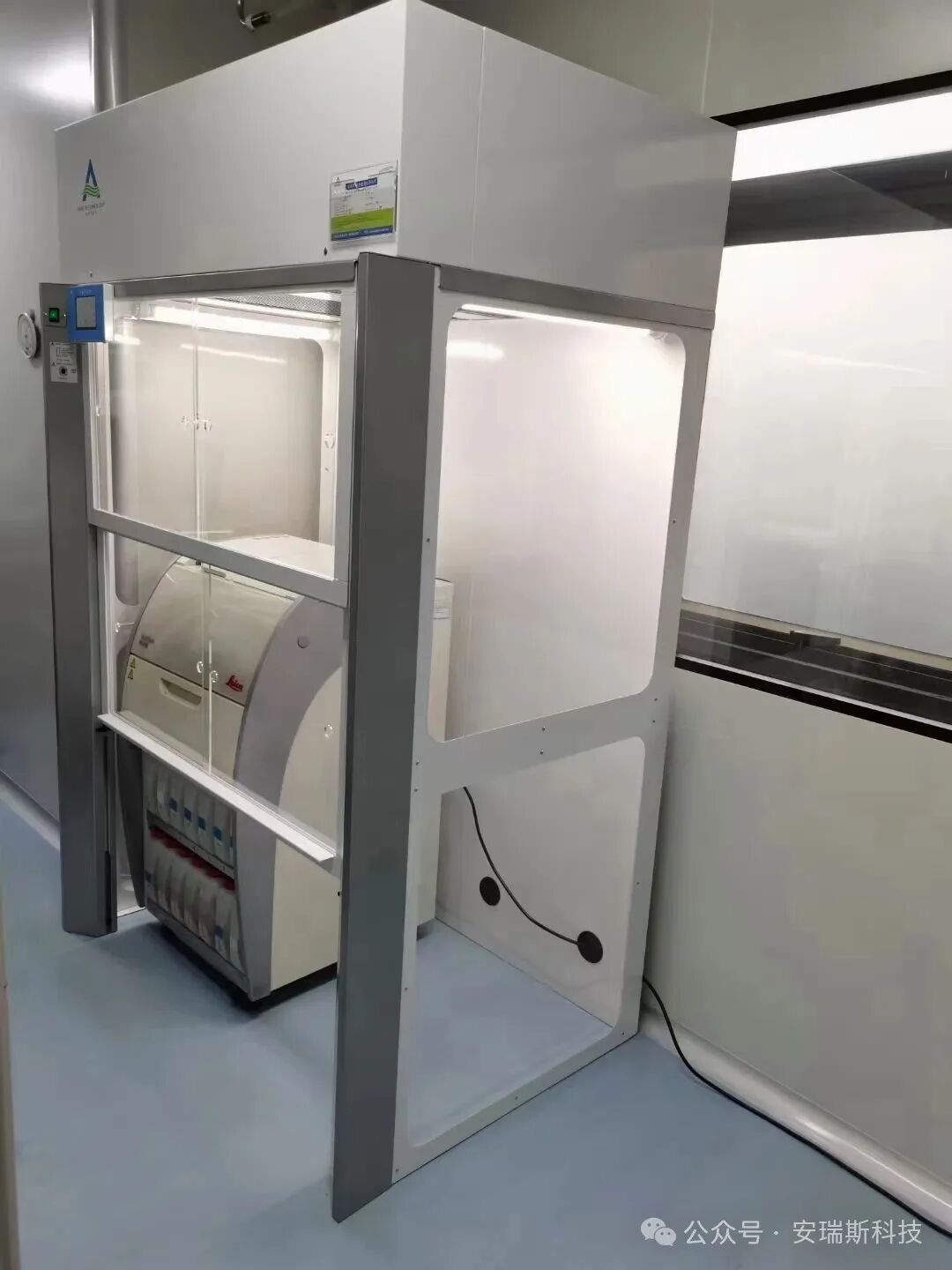
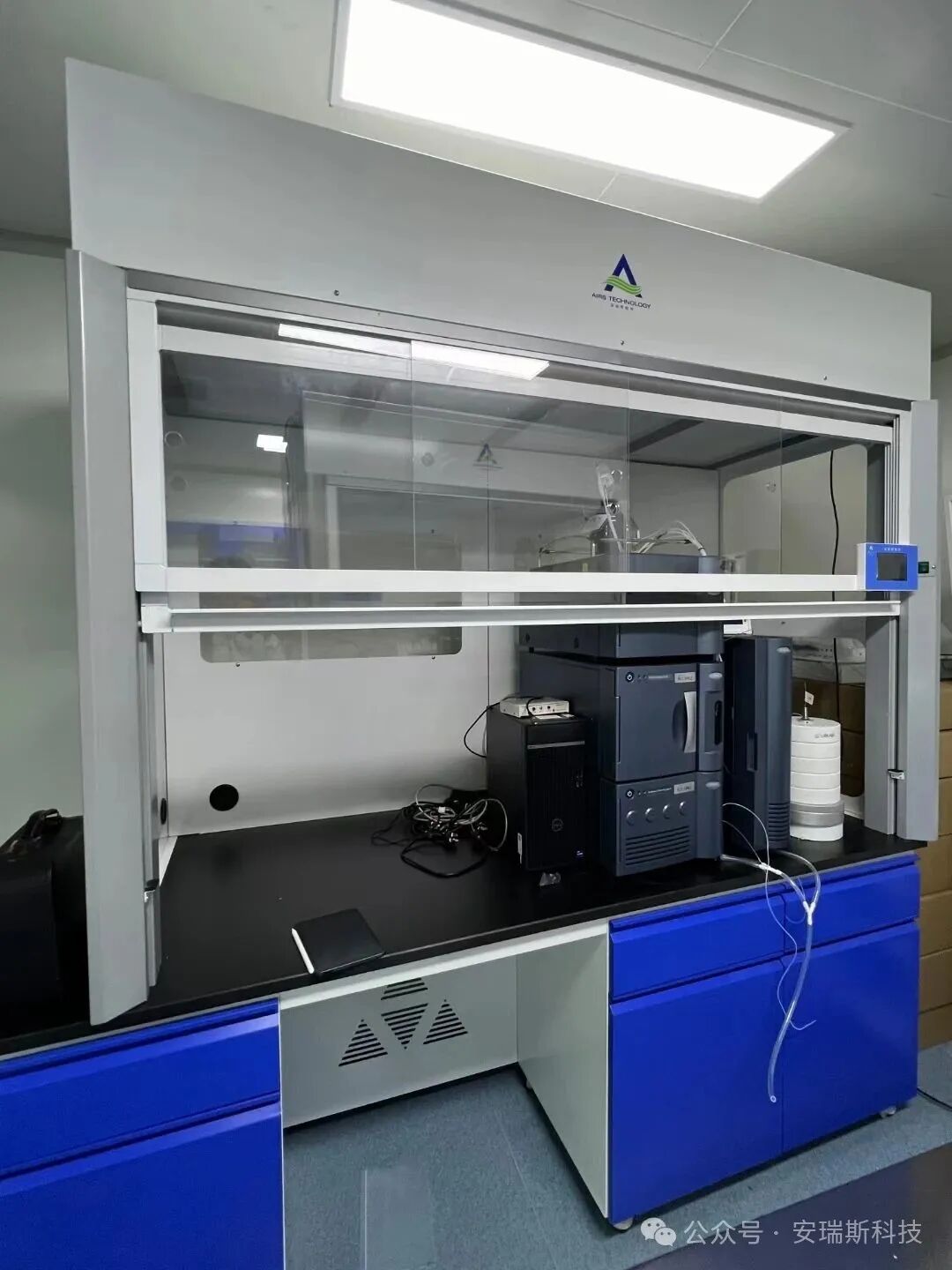
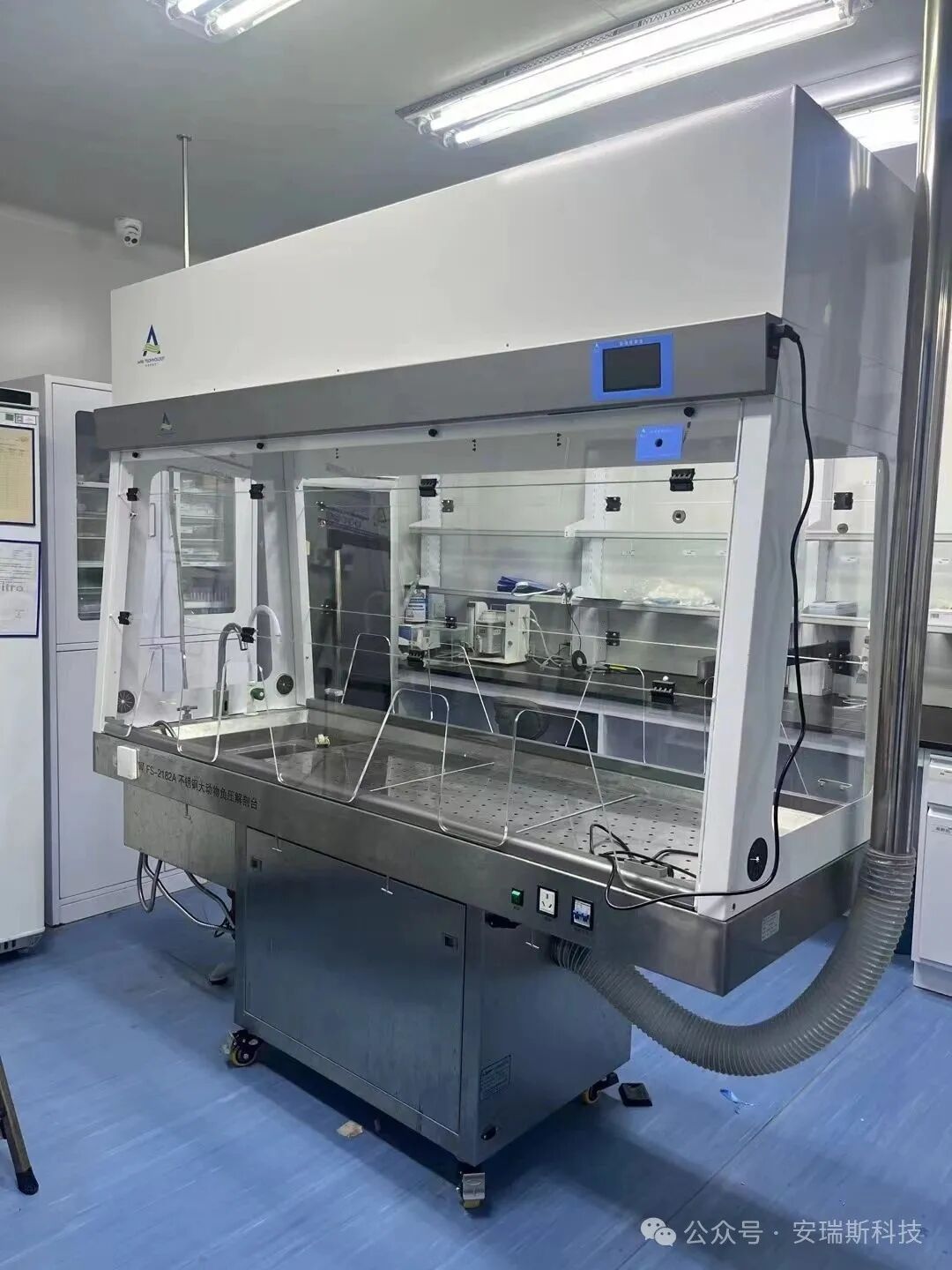
3、 Balance weighing cover: used for safety protection of highly active drug weighing (OEB 5) D, meeting the requirements of high-precision weighing.


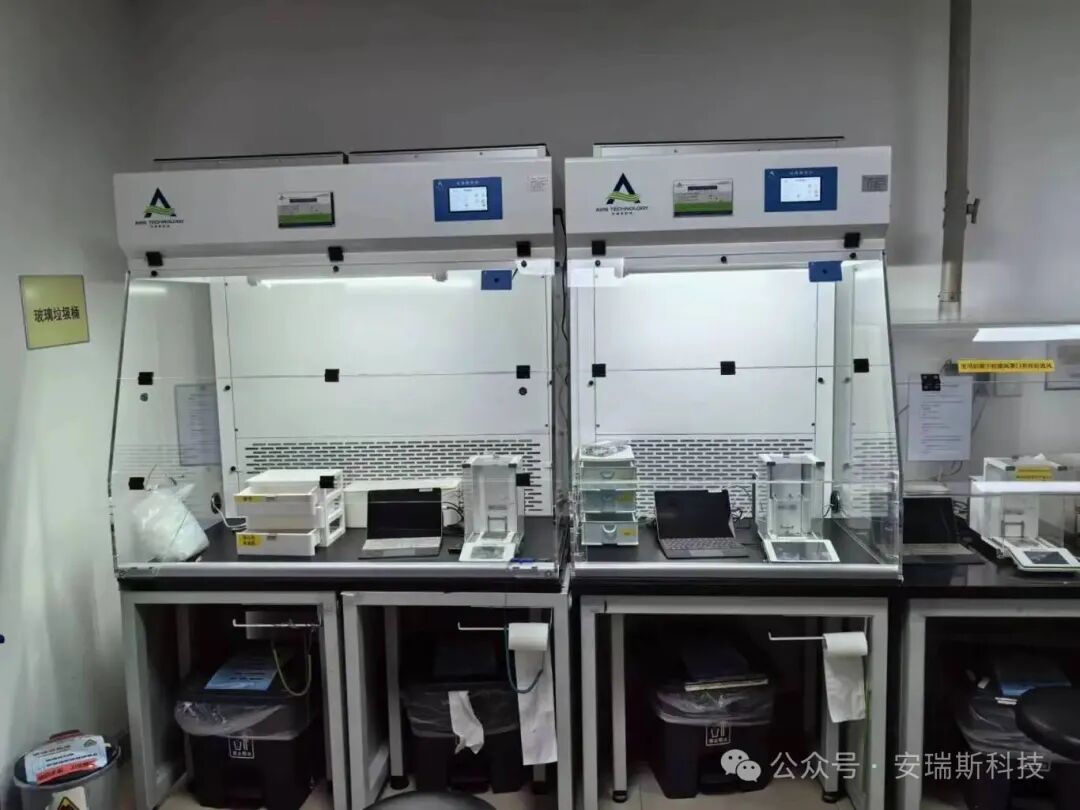
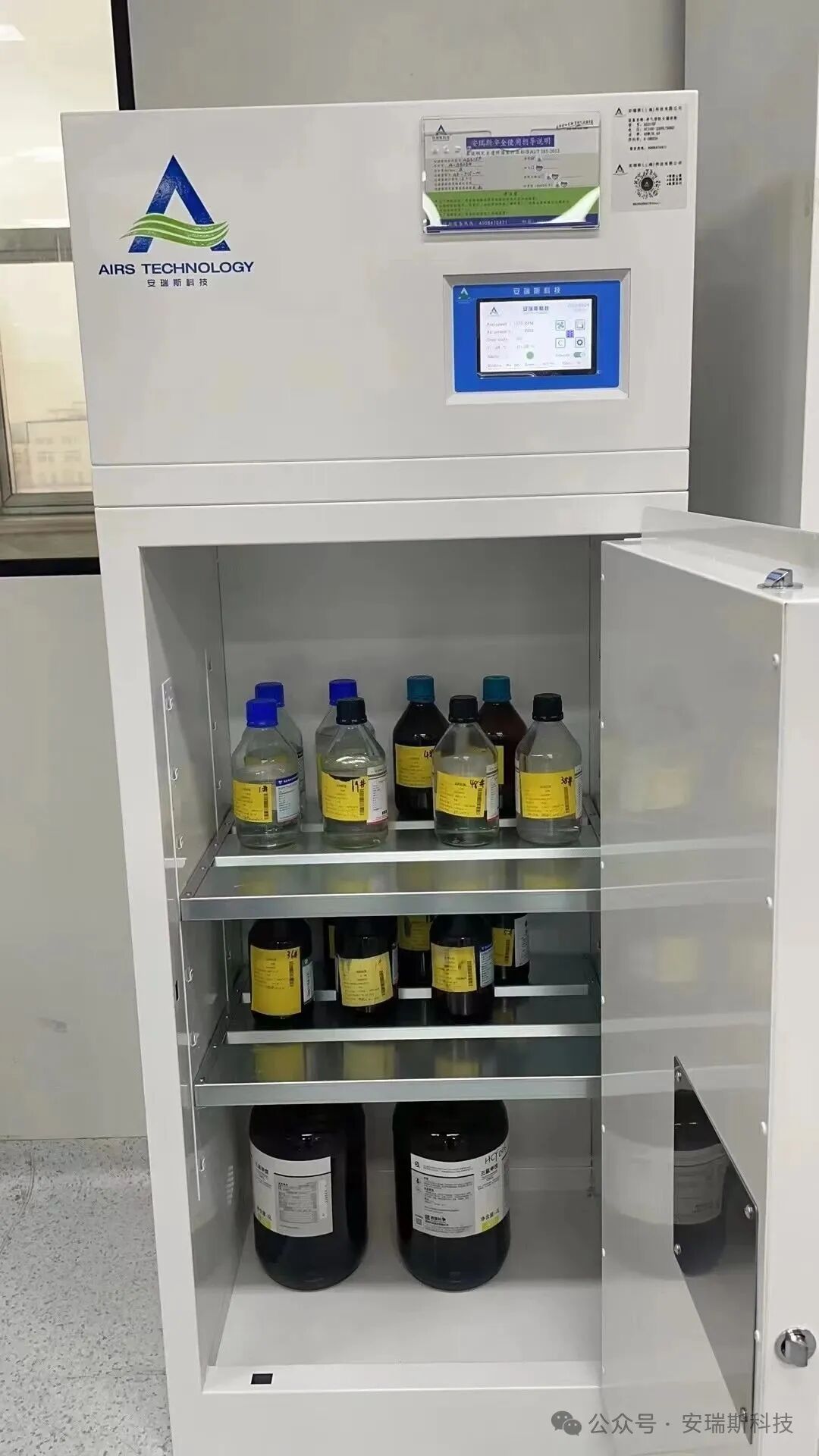
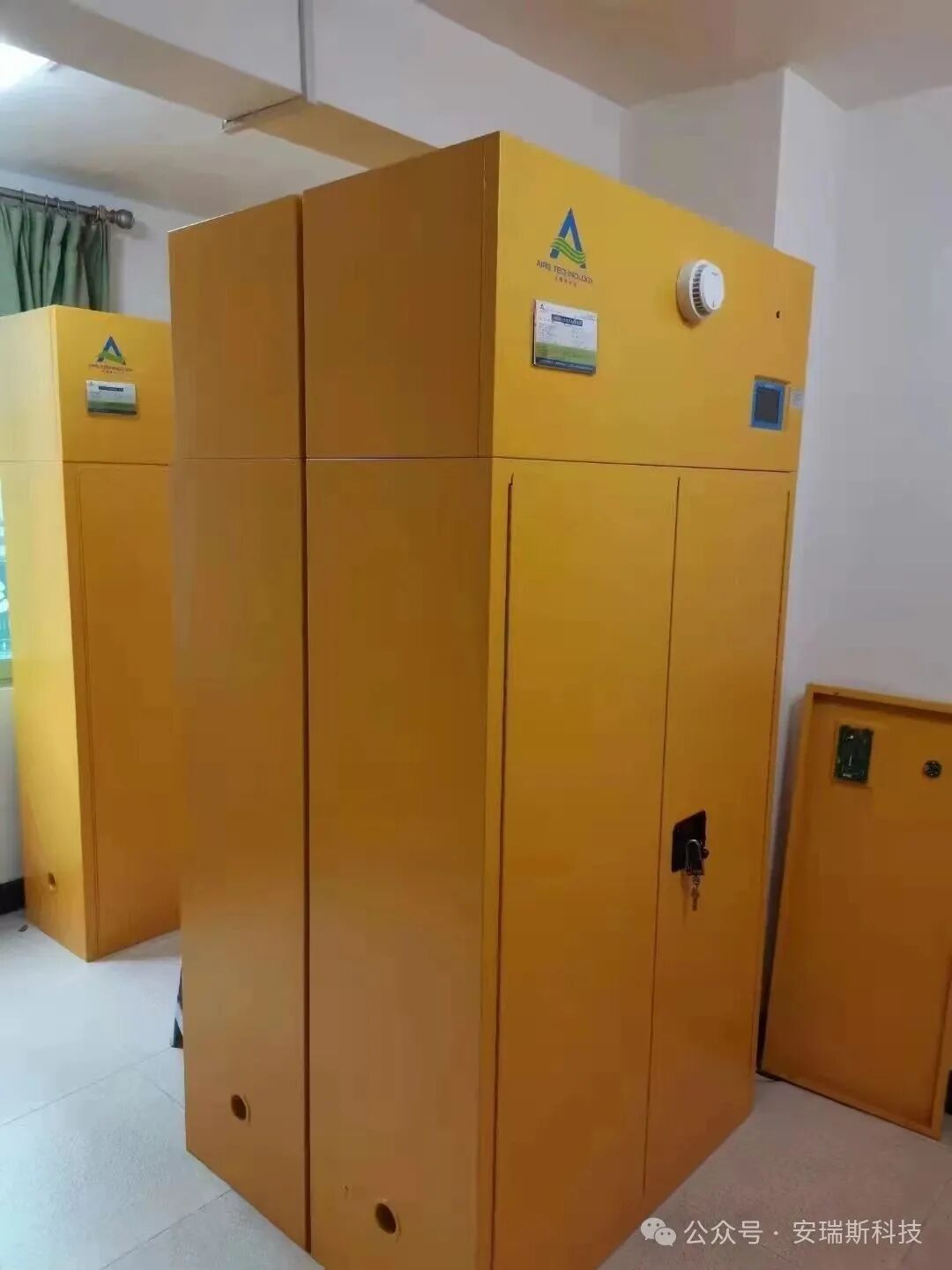
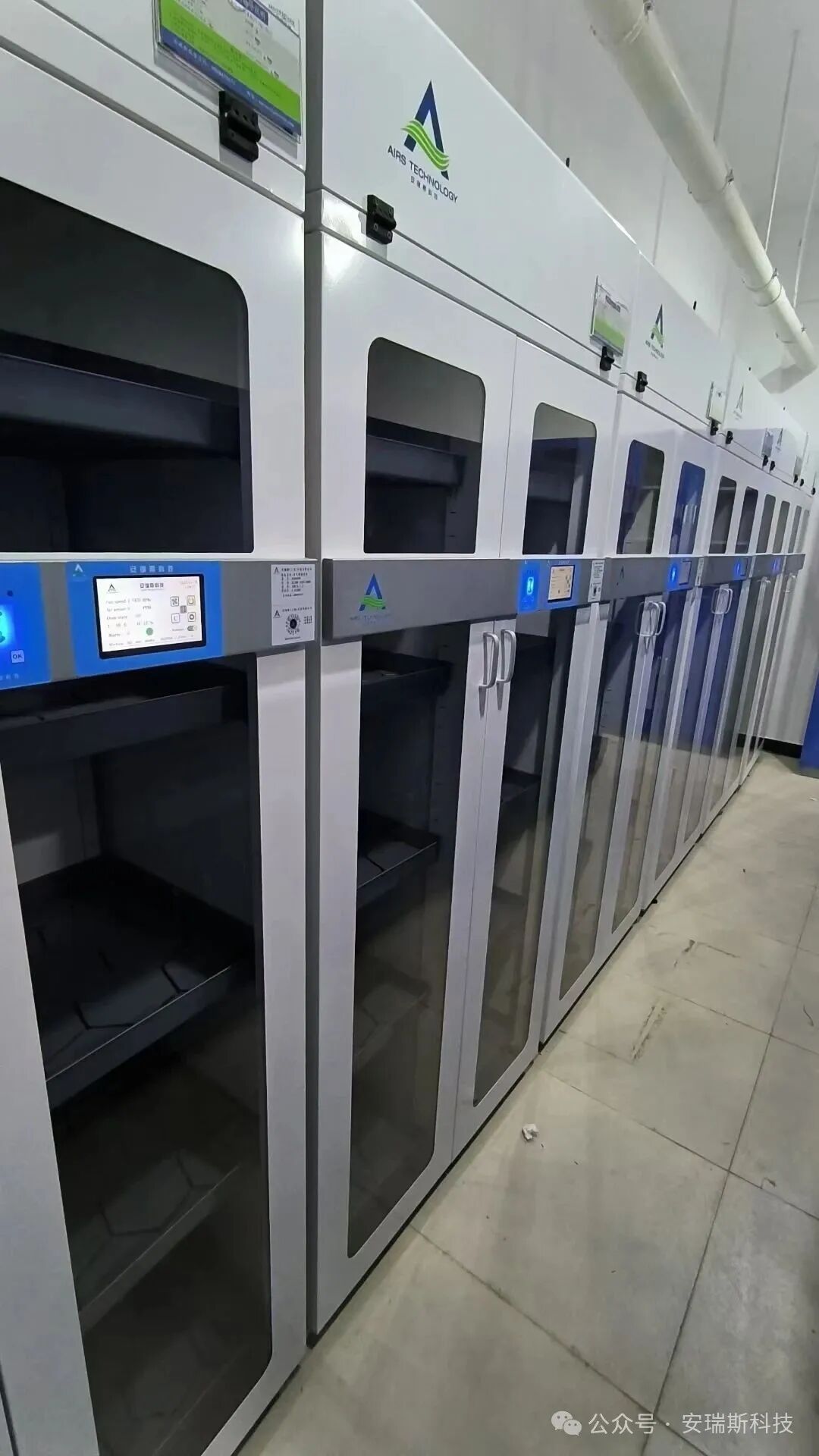
4、 Clean gas chemical storage cabinet: no external pipeline required, self purifying, displaying chemical storage information

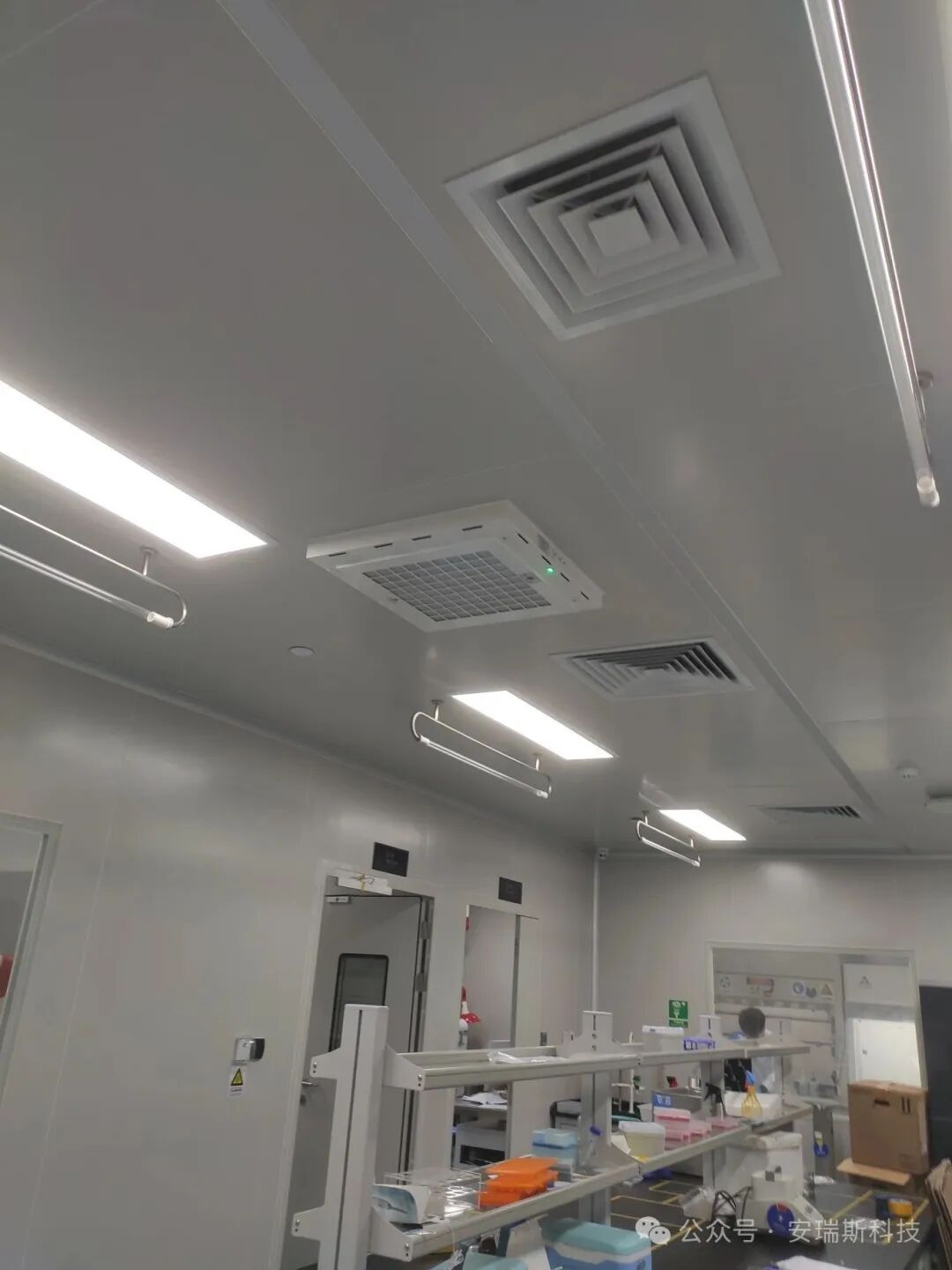
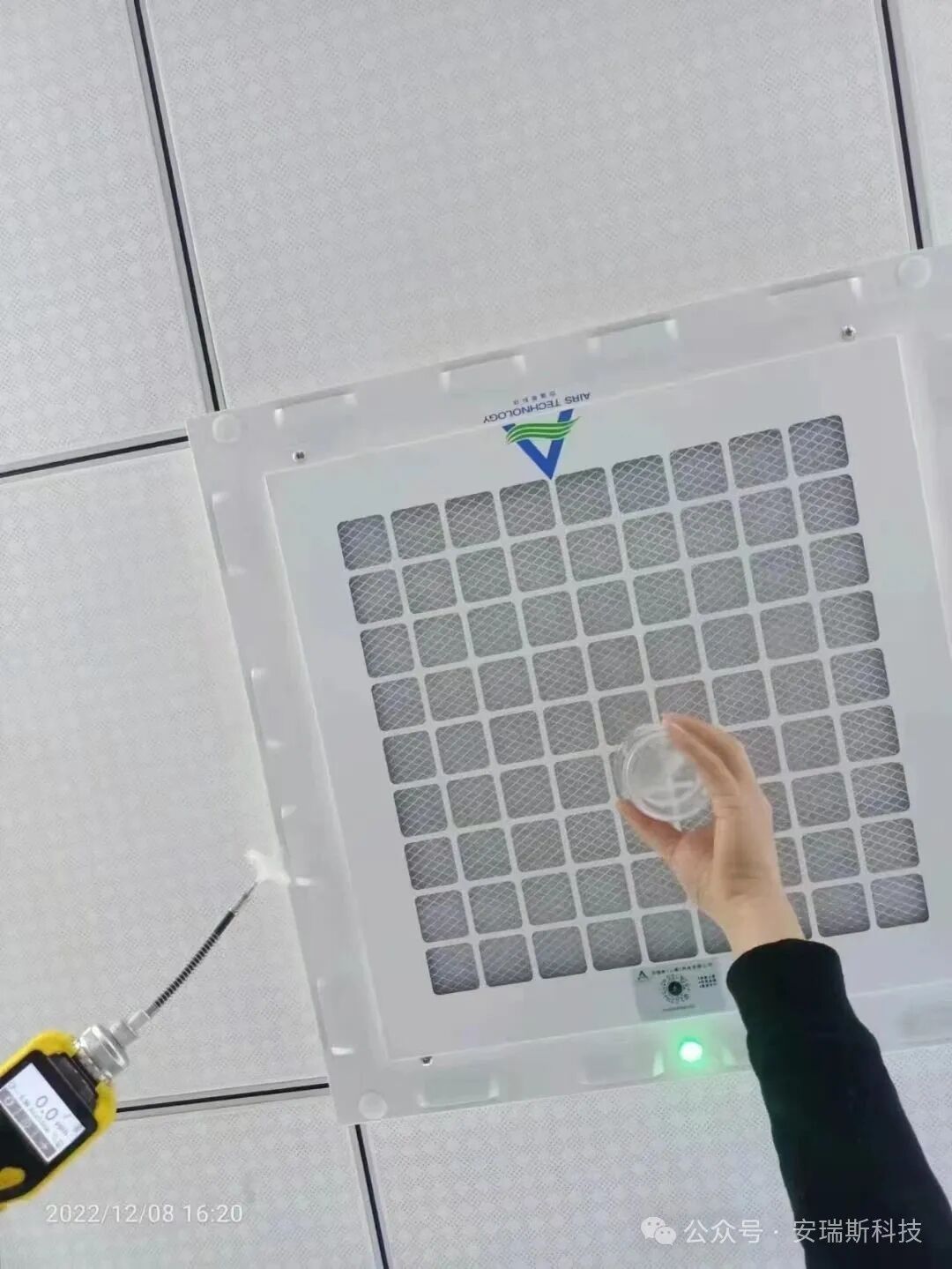
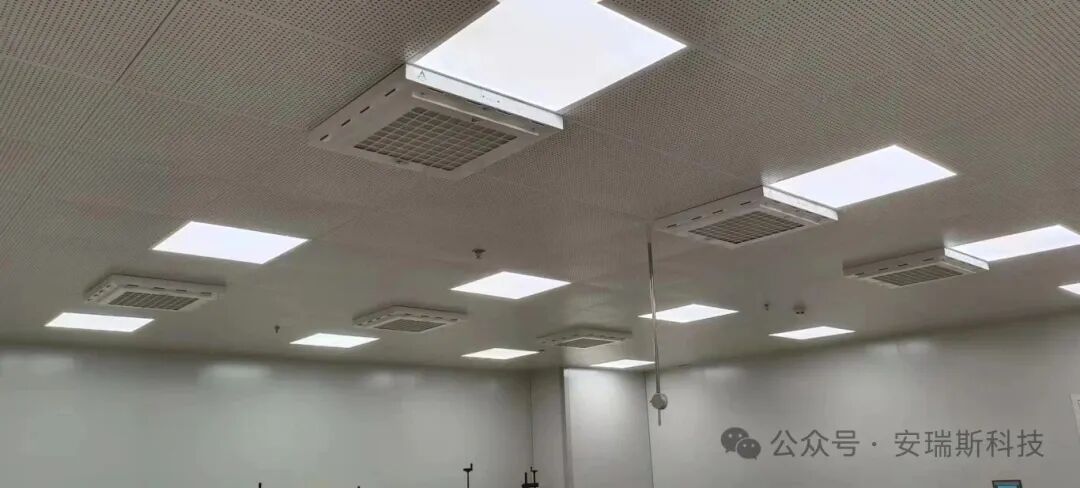
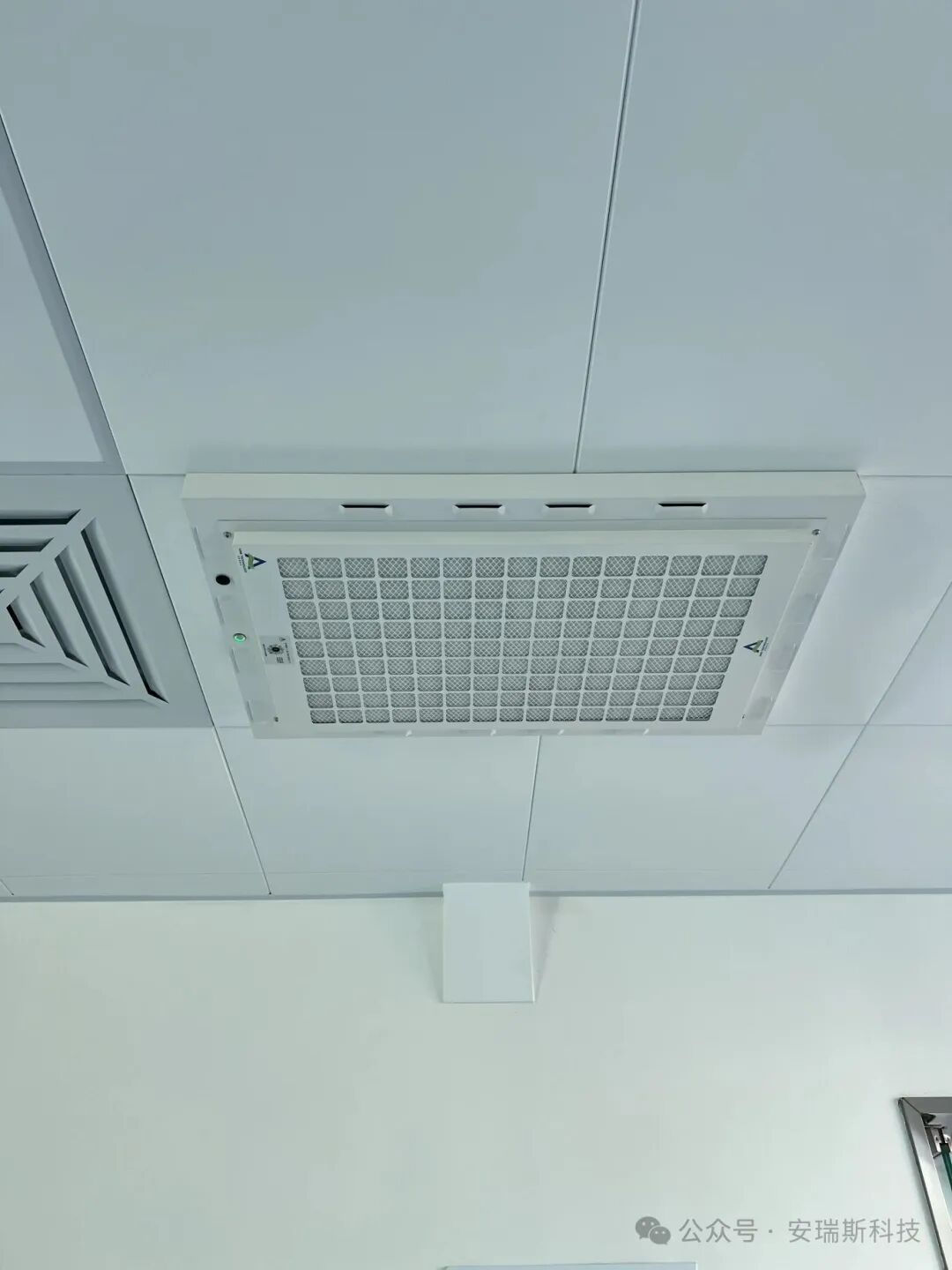
5、 Ceiling mounted air purifier: targeting harmful gases, PM2.5, bacteria, and virus particles, effectively reducing pollutant concentrations and improving indoor environmental safety.
Last Article: Hazardous Chemical Safety Management during 'Safety Production Month'
Next Article: The correct usage method of clean air fume hood