-
E-mail
jdjm17@aliyun.com
-
Phone
13381663924,18301025881
-
Address
No. 8 Xiaotun Road, Fengtai District, Beijing
Beijing Jiade Precision Technology Co., Ltd
Precautions for operating stainless steel biogas fermentation tank
Date: 2025-12-27Read: 5
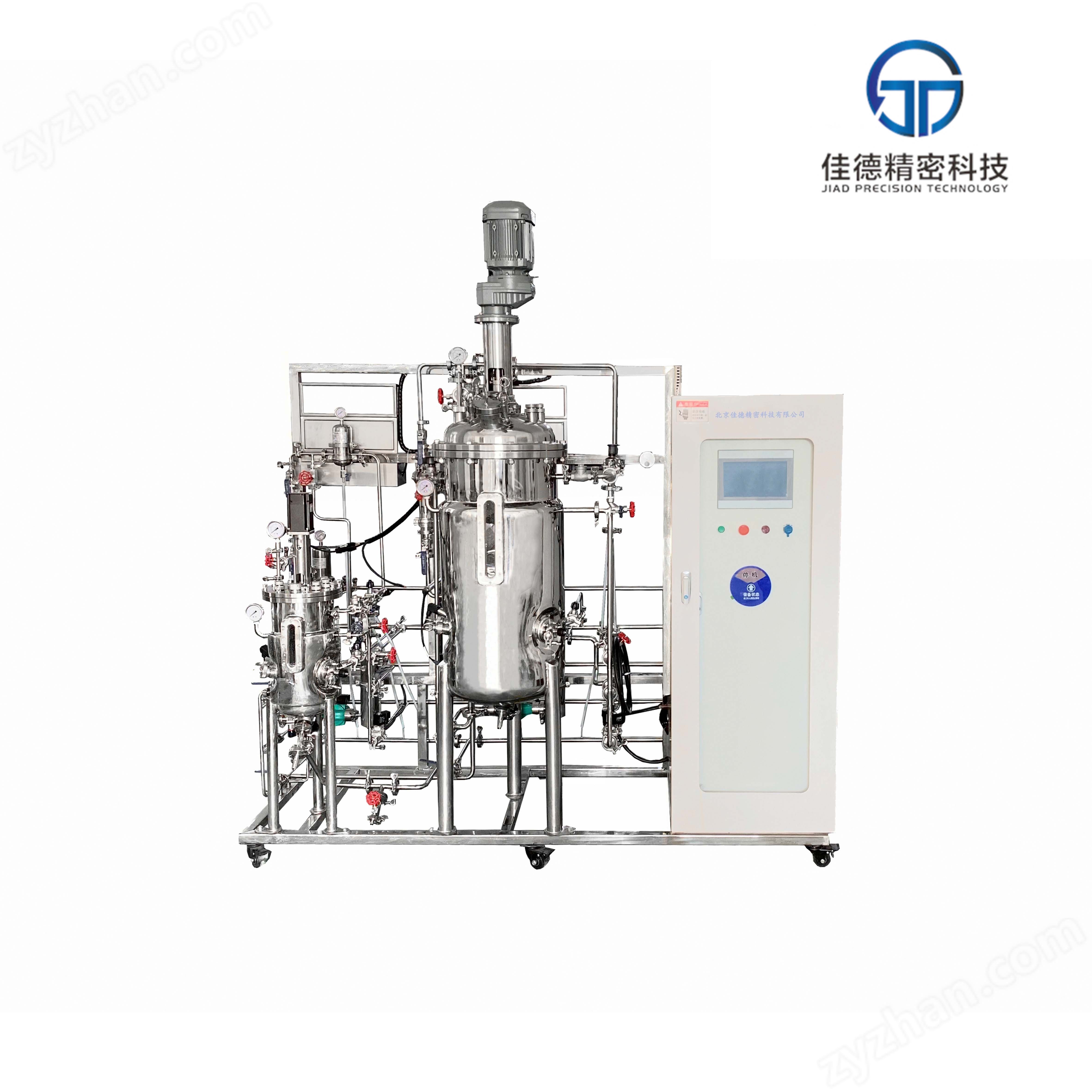
As the core equipment of anaerobic fermentation, the operation specifications of stainless steel biogas fermentation tank directly affect the efficiency and safety of biogas production. Based on the characteristics of stainless steel material and anaerobic fermentation process, this article systematically summarizes key operational precautions, covering pre use preparation, fermentation process control, and post maintenance to assist in efficient and safe operation.
1、 Preparation before use: Ensure that the equipment is in good condition and in a sterile environment
•Comprehensive inspection of equipment status: Before operation, carefully inspect the appearance of the fermentation tank, focusing on checking whether there is any deformation, cracks, or leakage risk in the welding parts of the tank to ensure structural integrity. At the same time, verify the firmness of the feeding port, discharging port, ventilation port, and sensor interface to prevent loosening or damage. The mixing device should operate flexibly, the motor should have no abnormal noise, and all valves (such as feed valves and exhaust valves) should be tested for sealing performance to avoid leakage hazards.
•Cleaning and disinfection: First, rinse the impurities in the tank with clean water, and then use a soft brush to clean any dead corners. When using high-temperature steam disinfection, maintain 121 ℃ -123 ℃ for 20-30 minutes to ensure that there are no dead corners for microbial inactivation. After disinfection, naturally cool to a suitable temperature to avoid rapid cooling that may cause stress damage to the equipment.
•Calibration monitoring instrument: Perform dual calibration on pH and dissolved oxygen sensors, first immerse them in pH 7.0 buffer to adjust the benchmark, and then verify the accuracy through pH 4.0 buffer to ensure reliable monitoring of fermentation process parameters.
2、 Fermentation process control: precise operation and risk prevention
•Standardize feeding and inoculation: add the pre prepared culture medium at a uniform speed according to the process requirements to avoid liquid splashing or excessive foam, and reserve 10% -20% space to prevent overflow. Solid raw materials need to be dissolved into a suspension first. Strictly follow the principle of sterility during inoculation, use flame or ultraviolet sterilization to sterilize the inoculation environment, and control the amount of seed liquid within 5% -10%.
•Optimize ventilation and stirring: Set the stirring speed according to microbial requirements to avoid overloading and deformation of the tank body. Real time monitoring of dissolved oxygen concentration, maintaining a stable level by adjusting ventilation volume; When the pH value deviates, fine tune it with dilute hydrochloric acid or sodium hydroxide solution to prevent severe fluctuations from affecting fermentation efficiency.
•Prevent structural instability and corrosion: Regularly check the foundation settlement and bolt connection status to prevent tank tilting or collapse caused by foundation deformation or bolt fatigue fracture. Pay attention to hidden corrosion risks, such as coating cracking or bolt corrosion, especially in damp areas, which need to be detected early through regular inspections.
•Avoid overpressure and overload operation: Install and regularly verify pressure relief devices to prevent tank expansion and cracking caused by pressure exceeding the design value. Control the solid concentration of the feed to avoid structural deformation caused by excessive mechanical stirring torque.
3、 Fermentation completion and post production maintenance: safe discharge and long-term maintenance
•Smooth discharge and cleaning: After fermentation is complete, first turn off the ventilation and stirring system, then slowly open the discharge valve to discharge and reduce splashing. Immediately rinse the residue with clean water, use a cleaning agent to remove stubborn dirt, and ensure there is no residue before rinsing again.
•Comprehensive maintenance: Check the wear and tear of the mixing device, valves, and sensors, and replace damaged parts in a timely manner. Clean the outer wall of the tank, use specialized stainless steel cleaner to treat rust spots, maintain a dry and ventilated environment, and prevent corrosive substances from corroding.
•Idle tank management: During short-term idle periods, empty the liquid and set up warning signs to prevent damage to the gas film; Long term idleness requires professional risk assessment, and if necessary, the components should be dismantled and recycled. It is prohibited to reuse them for pressure equipment.
4、 Emergency and safety measures
•Power outage handling: Immediately close the intake and exhaust valves to maintain pressure and prevent the fermentation broth from flowing back and contaminating the air filter.
•Personnel protection: Avoid contact with high-temperature pipelines during operation to prevent burns; Set up warning tapes around the tank to reduce unnecessary personnel from approaching.
•Parameter monitoring: It is prohibited to arbitrarily change the control cabinet settings. If the DO value needs to be adjusted according to the process requirements, it is necessary to ensure fermentation stability.
By following the above precautions, the operating efficiency and safety of stainless steel biogas fermentation tanks can be improved, the equipment life can be extended, and the biogas project can be protected.