-
E-mail
info-china@gerresheimer.com
-
Phone
18661195281
-
Address
Building 3, Rail Transit Industrial Park, No. 355 Longjin Road, Changzhou City, Jiangsu Province
Gresham Plastic Packaging (Changzhou) Co., Ltd
Analysis of Chemical Resistance and Safety of HDPE Medical Plastic Bottles
Date: 2025-12-11Read: 6
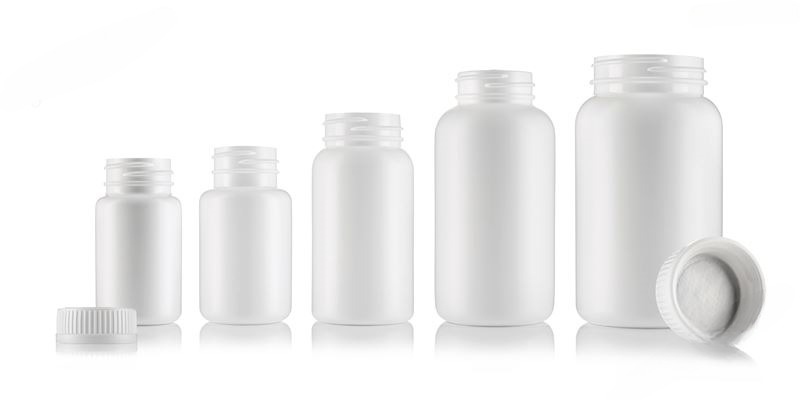
High density polyethylene (HDPE) is a commonly used plastic material for manufacturing medical plastic bottles, widely used in fields such as pharmaceutical packaging, medical devices, and food packaging. HDPE medical plastic bottles have become one of the important materials in the pharmaceutical and medical industries due to their excellent physical and chemical properties, especially in terms of chemical resistance, high temperature resistance, mechanical strength, and safety. This article will start fromHDPE medical plastic bottleAnalyze the chemical resistance and safety aspects.
1、 Chemical resistance analysis
The chemical resistance of HDPE material is one of the key factors for its widespread application in medical and pharmaceutical packaging. HDPE has strong corrosion resistance and can resist the erosion of various acids, alkalis, salt solutions, and organic solvents. The following are the characteristics of HDPE in terms of chemical resistance:
1. Acid and alkali resistance: HDPE has excellent corrosion resistance to many acidic and alkaline substances, especially strong corrosion resistance to low concentration acid and alkali solutions. Common drugs, such as liquid medicines and antibiotics, often contain trace amounts of acidic and alkaline components. HDPE bottles can effectively resist the erosion of these substances on the bottle body, ensuring that the long-term storage of drugs is not affected.
2. Tolerance to solvents: HDPE has good tolerance to most organic solvents. Although some polar solvents (such as benzene, chloroform, etc.) may have a certain solubility effect on HDPE, HDPE exhibits high stability for most common solvents. For example, common drug solvents or alcohol components in topical drugs (such as ethanol) will not easily penetrate or damage the structure of HDPE bottles.
3. Oxidation resistance: Due to the relatively stable molecular structure of HDPE, its oxidation resistance is also strong. Many drugs need to be stored in packaging bottles for a long time, and the oxidation resistance of HDPE can effectively prevent the degradation or deterioration of drug ingredients. Especially for some drugs that need to avoid exposure to sunlight and oxygen, HDPE bottles can provide some protection.
4. Oil resistance: HDPE also has a certain degree of oil resistance, which can resist the penetration of various oil substances. This has made it widely used in the packaging of some medical products, especially in the packaging of oily drugs, creams, and cream like drugs.
2、 Security analysis
HDPE, as a non-toxic, odorless, and tasteless plastic, has been recognized by multiple standard certification agencies as a safe material that meets the requirements of food and drug packaging. Its safety is reflected in the following aspects:
1. Non toxicity: HDPE itself is non-toxic and will not release harmful substances under normal use conditions. Due to its low density and high molecular weight characteristics, HDPE molecules are tightly bound together and are not easily subjected to chemical reactions with the external environment. Therefore, it will not have toxic effects on drugs or other medical liquids, nor will it pose a threat to human health.
2. Compliant with food and drug packaging requirements: As a packaging material for the medical industry, HDPE meets multiple international standards, including the requirements for food packaging materials set by the US Food and Drug Administration and the EU Food Contact Materials Directive. HDPE medical plastic bottles do not contain heavy metals or harmful chemicals during the production process, ensuring that they do not contaminate drugs or liquids during use.
3. Biocompatibility: HDPE has good biocompatibility, which makes it widely used in medical device packaging. HDPE is not prone to adverse reactions with biological tissues and is therefore widely used in the packaging of medical bottles, infusion bottles, syringes, and other products.
4. High temperature resistance and low temperature resistance: HDPE has good high temperature resistance and can withstand processing at higher temperatures, such as high temperature disinfection, steam sterilization, etc. Therefore, it can maintain its structural stability during the disinfection process. In addition, HDPE has excellent low-temperature performance and can maintain its firmness in low-temperature environments, making it less prone to brittle cracking.
HDPE medical plastic bottles have become a common packaging material in the medical industry due to their excellent chemical resistance and high safety. Its characteristics such as acid and alkali resistance, organic solvent resistance, oxidation resistance, and oil resistance enable it to withstand the storage needs of various drugs and maintain the quality and stability of drugs. Meanwhile, HDPE itself is non-toxic, free of harmful substances, and meets multiple global food and drug packaging safety standards, ensuring its safety during use.