-
E-mail
info-china@gerresheimer.com
-
Phone
18661195281
-
Address
No. 5 Huiyuan Road, Wangniudun Town, Dongguan City, Guangdong Province, China
Gresham Plastic Products (Dongguan) Co., Ltd
Briefly describe the common problems and solutions of macromolecular injectors
Date: 2025-11-03Read: 4
In the fields of biopharmaceuticals, gene therapy, and medical devices, macromolecular syringes are responsible for accurately delivering sensitive macromolecular drugs such as proteins, nucleic acids, antibodies, etc. to the target location. Its working environment often involves high viscosity, low dosage, and high-value drugs, with high requirements for injection accuracy and system stability. However, in practical operation, large molecule injectors may encounter obstacles that affect delivery efficiency. Mastering common problem-solving strategies is the key to ensuring its smooth operation at all times.
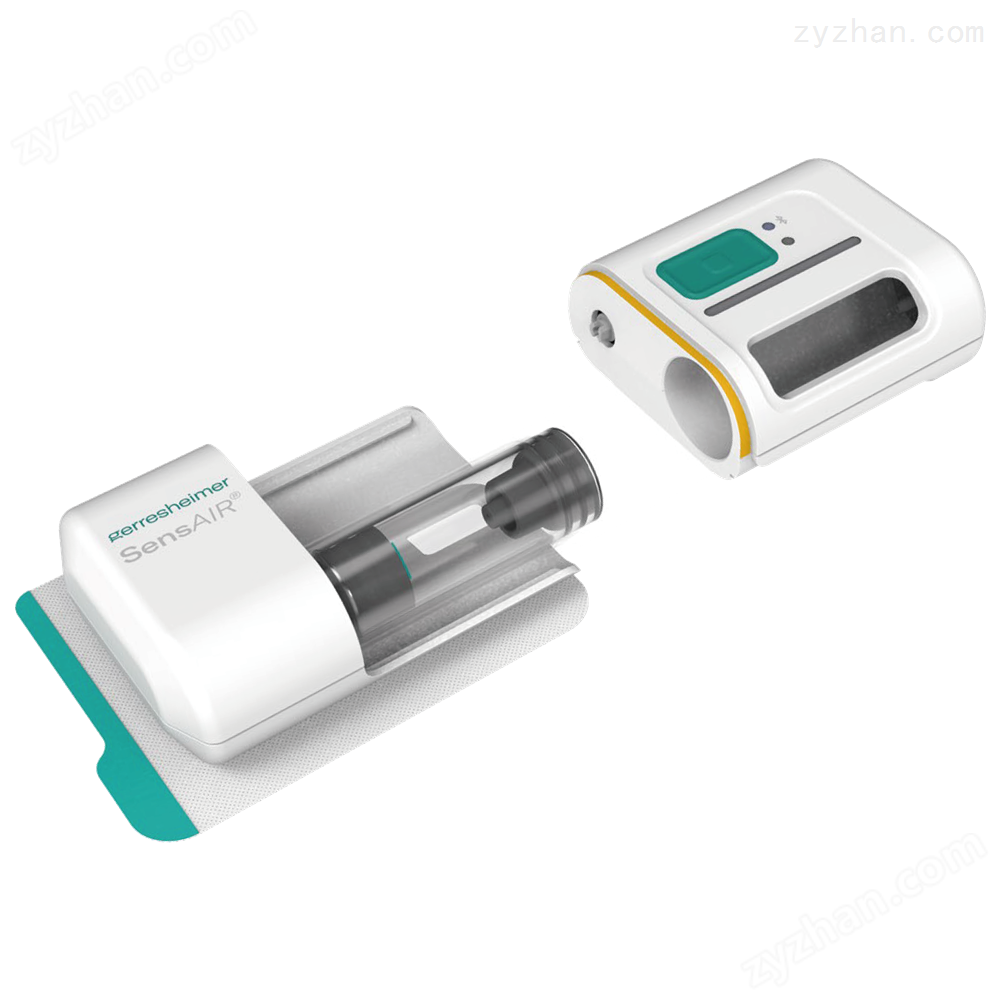
Problem 1: Inaccurate injection dosage or poor reproducibility
Reason: The inner wall of the syringe is adsorbing medication, the piston seal is aging and leaking, or there is a step error in the drive system.
Countermeasure: Priority should be given to using low adsorption materials (such as Teflon coating) for syringes, and pre rinse 3-5 times with diluent before use to reduce surface adhesion. Regularly inspect the piston sealing ring and replace it immediately if wear or deformation is found. Calibrate the pulse parameters of the drive motor to ensure that the propulsion stroke is consistent with the set value.
Problem 2: Alarm for sudden pressure rise or blockage during injection process
Reason: The needle or tubing is blocked by particulate matter, or the viscosity of the medication is too high and has not been preheated.
Countermeasure: Dissolve the medication thoroughly before operation to avoid the formation of bubbles or particles. If necessary, use a 0.22 μ m filter membrane for filtration. For high viscosity preparations (such as monoclonal antibodies), the drug solution and syringe can be placed in a constant temperature box (such as 25 ℃) for preheating to reduce viscosity resistance. If blockage occurs, do not forcefully apply pressure. Instead, reverse the suction or replace the needle.
Problem 3: Bubble interference occurs, affecting dose accuracy
Reason: Improper operation during liquid filling may introduce air, or insufficient degassing of the drug solution.
Countermeasure: Use the "slow suction and slow push" method to fill the liquid, hold the syringe vertically, gently tap the tube wall to make the bubbles float up and then discharge. For formulations that are prone to producing bubbles, it is recommended to use a vacuum degassing device to process the drug solution or choose an intelligent injection system with bubble detection sensors.
Problem 4: Unstable injection speed or pulsation
Reason: Poor stepper control of the drive motor or mechanical clearance in the propulsion mechanism.
Countermeasure: Optimize the acceleration curve in the control program and adopt an S-shaped acceleration and deceleration mode to reduce start stop impact. Regularly maintain the screw and guide rail, remove dust and re lubricate to ensure smooth and smooth propulsion without any jerking.
Problem 5: Excessive residue of medication, wasting expensive preparations
Reason: The syringe has a large dead volume or the piston is not fully advanced.
Countermeasure: Choose a specialized high molecular weight injector with a low dead volume design, paired with a "zero dead space" needle. Ensure that the programmed stroke is sufficient to push the piston to the bottom, but avoid excessive pressure that may damage the sealing structure.