-
E-mail
251651220@qq.com
-
Phone
18173490139
-
Address
No. 48 Baisha Industrial Avenue, Baishazhou Industrial Park, High tech Zone, Hengyang City, Hunan Province
Hunan Yuerui Technology Co., Ltd
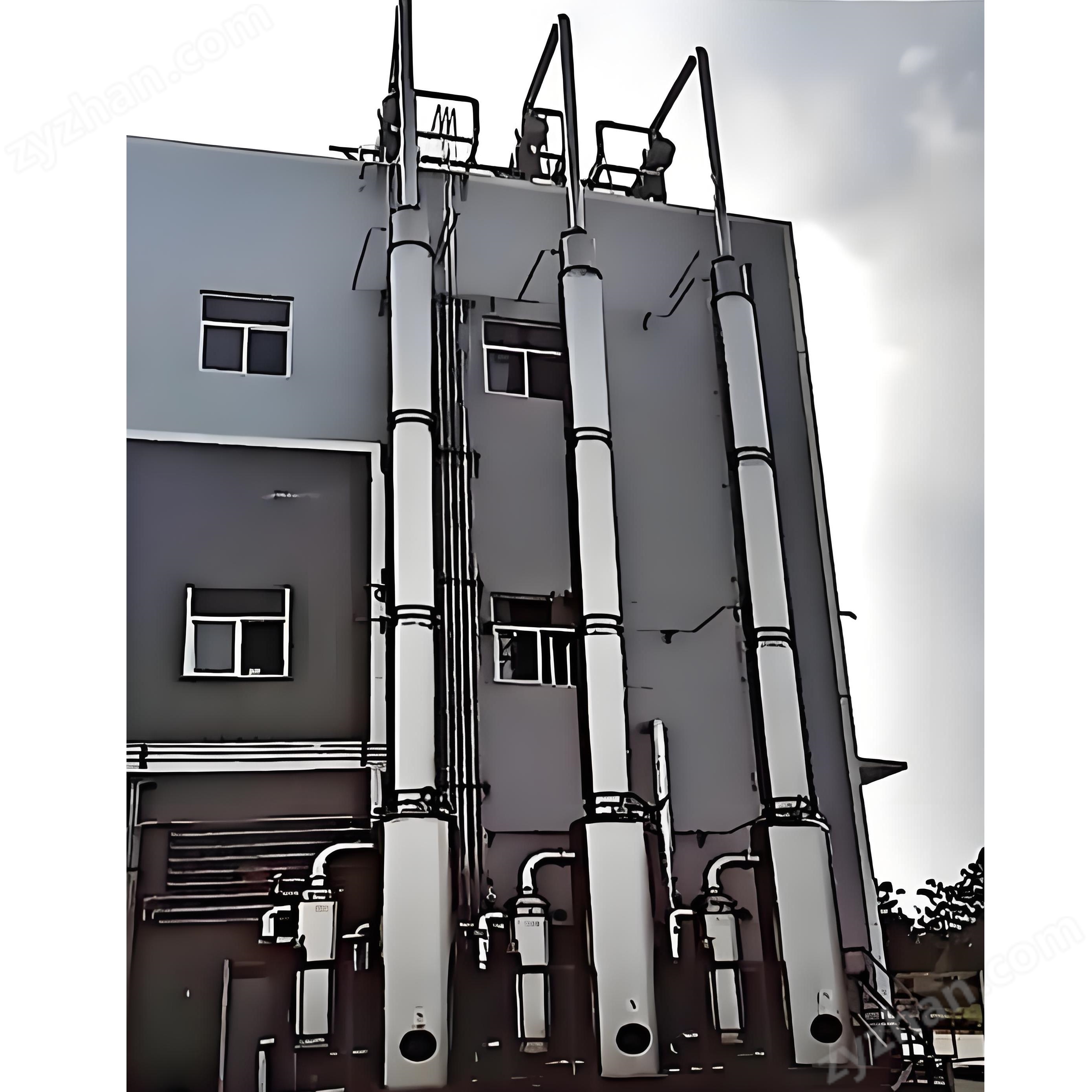
The multifunctional alcohol recovery tower adopts a three-stage recovery system
Date: 2025-12-10Read: 61
The multifunctional alcohol recovery tower adopts a three-stage recovery system, which can concentrate low concentration alcohol (30-50 degrees) to 93-95 degrees with a recovery rate of up to 95%, reducing raw material waste. The key components such as the tower body and condenser are made of stainless steel material, which effectively resists the corrosion of alcohol and chemical solvents and extends the service life of the equipment. The residual liquid discharge has extremely low alcohol content, which meets environmental standards. At the same time, the closed design reduces volatilization loss and reduces environmental pollution.
Measurement steps for multifunctional alcohol recovery tower:
-Preparation work: Check whether the equipment has "intact" and "cleaned" status signs, ensure that the circuit connections of each pump are normal, and prevent reverse and phase failure from occurring. At the same time, check the opening status of the valves to ensure that they have been reset to the closed state, and check the airtightness of the system to ensure that there are no running, emitting, dripping, leaking or other phenomena in each pipeline.
-Add alcohol: Add the recovered alcohol into the distillation kettle to 1/2-2/3 cans.
-Heating distillation: Open the steam valve under the condition of gauge pressure of 0.2-0.5MPa for heating, allowing ethanol vapor to enter the tower.
-Condensation reflux: Open the cooling water of the tube condenser and the coil cooler separately, so that the ethanol vapor in the tower enters the condenser and condenses into liquid. Then open the reflux valve to allow all the condensed liquid to reflux into the tower.
-Control discharge: When the temperature at the top of the tower stabilizes below 78.5 ℃, open the discharge valve and observe from the flow meter. Control the reflux ratio to 1:2-1:3 and maintain the concentration of recovered ethanol above 93.
-Continuous feeding: If the amount of recovered ethanol is large, the continuous feeding method can be used. After heating the distillation kettle to boiling, a small amount of material can be continuously added to the distillation kettle at a rate consistent with the rate of ethanol distillation.
-End operation: As the distillation is about to end, when the temperature in the distillation rises to 100-102 ℃, the temperature at the top of the tower also increases accordingly. At this time, the reflux valve should be closed, and the heating steam flow rate of the distillation kettle should be appropriately increased to evaporate the residual ethanol in the kettle and tower, collect it in the dilute ethanol storage tank, and merge it into the next batch of dilute ethanol for distillation.