-
E-mail
shouwang6368@126.com
-
Phone
18051034886
-
Address
No. 19, Tuanshan East Road, Lishui Economic Development Zone, Nanjing City
Nanjing Shouwang Machinery Equipment Co., Ltd
Chain Conveyor: Collect! The usage guide from startup to operation
Date: 2025-10-20Read: 4
Chain Conveyor: Collect! The usage guide from startup to operation
Pipe chain conveyorIt is a new type of continuous conveying equipment that uses a closed pipeline as the conveying channel, and drives accessories such as scrapers or discs through chains to achieve horizontal, inclined, or vertical conveying of powdery, granular, and small block materials. Compared with traditional conveyors, it has significant advantages such as closed and environmentally friendly, small footprint, high conveying efficiency, and strong adaptability. It is widely used in multiple industries such as chemical, building materials, grain, and mining. Before use, fully understanding its structure and working principle is the foundation for ensuring safe and efficient operation in the future.
(1) Core structure composition
Conveyor pipeline: It is usually made of materials such as stainless steel and carbon steel. Suitable materials are selected according to the characteristics of the materials to ensure smooth inner walls of the pipeline, reduce material transportation resistance, and ensure airtightness to prevent material leakage and dust flying.
Chain and accessories: Chain is a key component for power transmission, commonly including plate chains, roller chains, etc; The attachments include scrapers, discs, etc., whose shape and size need to match the characteristics of the conveyed material. For example, discs can be selected for conveying powdered materials, while scrapers are more suitable for conveying block shaped materials.
Drive device: composed of a motor, reducer, coupling, etc., providing power for the conveyor. The motor power can be adjusted according to the conveying volume and distance to ensure stable operation of the equipment.
Tensioning device: Its main function is to adjust the tightness of the chain, prevent chain looseness from causing chain jumping, detachment and other faults. Common methods include spiral tensioning, heavy hammer tensioning, etc.
Inlet and outlet: A reasonable feeding speed control device should be installed at the inlet to avoid material accumulation and blockage; The discharge port should be designed with appropriate discharge methods based on subsequent process requirements to ensure smooth discharge of materials.
(2) Working principle
After the chain conveyor is started, the driving device drives the chain to circulate in the closed pipeline, and the accessories on the chain (scraper or disc) push the material to move along the inner wall of the pipeline. During horizontal conveying, the material relies on the thrust of attachments and the internal friction of the material itself to move forward; In inclined or vertical conveying, in addition to the thrust of the attachments, the squeezing force between the materials also plays a role, ensuring that the materials can be stably conveyed upwards without slipping.
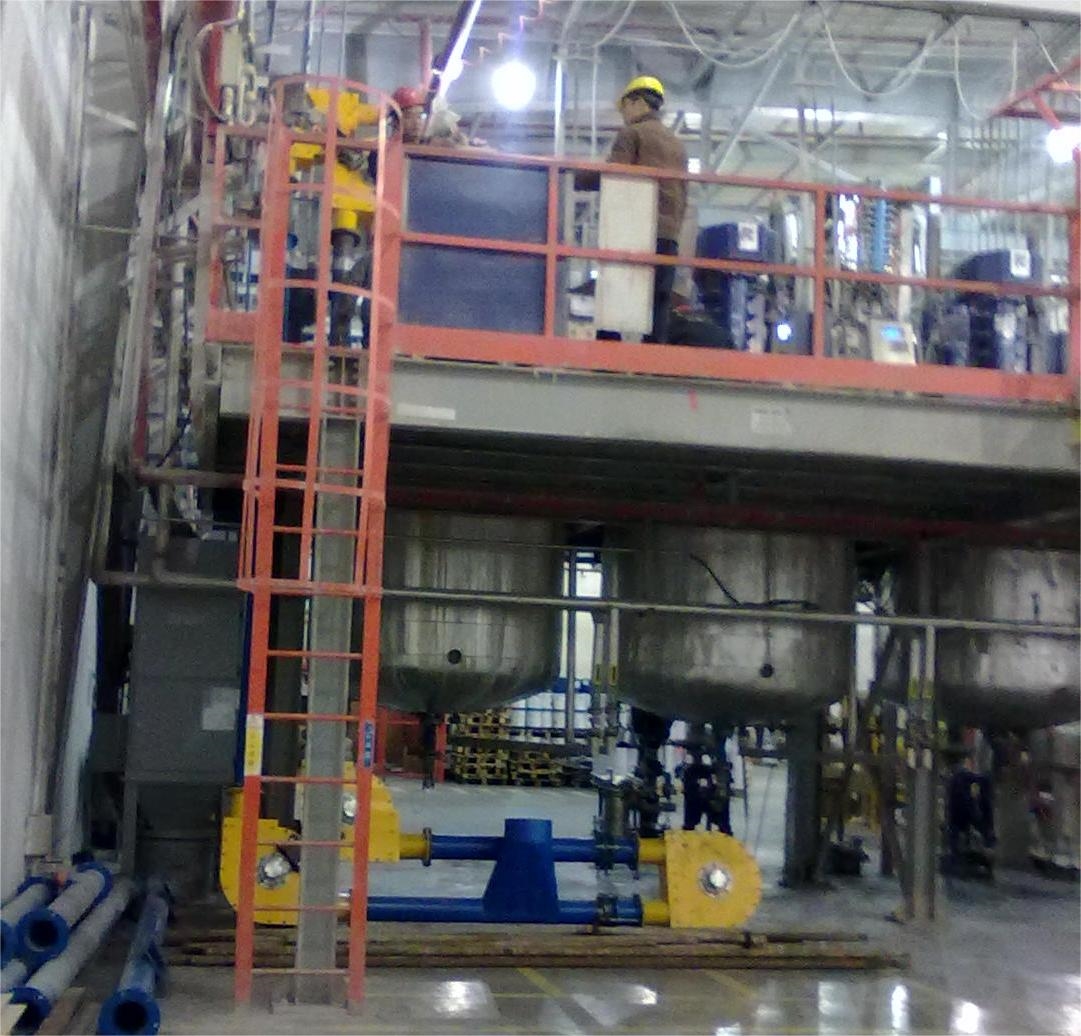
2、 Operation process of pipe chain conveyor
(1) Check before startup
Equipment appearance inspection: Check whether the conveying pipeline is deformed, damaged, leaking, etc; Check whether the accessories such as chains, scrapers, discs, etc. are intact, and whether there is wear, breakage, or looseness; Check if the casing of the driving device and tensioning device is intact, and if the connection parts are secure.
Lubrication system inspection: Check whether the lubricating oil level of key parts such as the drive device and tensioning device is within the specified range, whether the oil quality is good, and whether there is any deterioration or pollution; Check whether the lubrication pipeline is unobstructed, whether there are blockages or leaks, to ensure that the lubrication system can work normally and provide good lubrication conditions for equipment operation.
Electrical system inspection: Check whether the switches, contactors, relays and other electrical components in the distribution box are intact, whether the wiring is firm, and whether there is any looseness or detachment; Check whether the insulation resistance of the motor meets the requirements to avoid motor failure caused by insulation damage; Check whether the emergency stop button, limit switch and other safety protection devices are sensitive and reliable, to ensure that the power can be cut off in a timely manner in emergency situations, and to protect the safety of equipment and operators.
Material preparation inspection: Confirm that the characteristics of the material to be conveyed (such as particle size, humidity, viscosity, etc.) are consistent with the design parameters of the conveyor, to avoid equipment blockage, wear and tear caused by inconsistent material characteristics; Check if there is too much material accumulation at the feed inlet to ensure smooth feeding, and clean up any large impurities, metal foreign objects, etc. that may exist in the material to prevent them from entering the conveyor and damaging the equipment.
(2) Power on operation steps
Start auxiliary equipment: If the conveyor is equipped with feeding equipment (such as screw feeder, vibrating feeder), dust removal equipment and other auxiliary equipment, these auxiliary equipment should be started first, and after they operate normally, the conveyor can be started up.
Empty load start conveyor: Press the "start" button on the distribution box to start the conveyor motor, and the conveyor will be in idle operation. Closely observe the operation of the conveyor, including whether the running speed of the chain is uniform, whether there is abnormal noise, whether the vibration is normal, etc. At the same time, check whether the temperature of each part is within the normal range (such as motor temperature generally not exceeding 80 ℃, bearing temperature generally not exceeding 70 ℃). The no-load operation time is usually 5-10 minutes. After ensuring that the equipment has no abnormal conditions, the feeding operation can be carried out.
Gradual feeding: Slowly feed the material into the conveyor through the feeding equipment. The initial feeding amount should be controlled at 30% -50% of the rated conveying capacity, and then gradually increase the feeding amount according to the operation of the conveyor and the material conveying effect until the rated conveying capacity is reached. During the feeding process, close attention should be paid to the flow of materials at the feeding inlet and in the pipeline to avoid material accumulation and blockage. If material accumulation is found at the feeding port, the feeding amount should be reduced or suspended in a timely manner, and the feeding should be resumed after the material is cleared.
(3) Monitoring during operation
Monitoring of operating parameters: During the operation of the conveyor, regularly check and record the operating parameters of the equipment, such as motor current, voltage, speed, conveying capacity, temperature of various parts, etc. If sudden increase in motor current, unstable voltage, significant decrease in delivery capacity, or abnormal temperature rise in various parts are found, the machine should be stopped immediately for inspection, the cause should be identified and the fault eliminated before restarting the equipment.
Material transportation status monitoring: observe whether the transportation of materials in the pipeline is smooth, whether there are blockages or blockages; Check if the discharge volume and status of the material at the discharge outlet are normal, and if there is any material leakage. If a pipeline blockage is found, the feeding should be stopped immediately and corresponding dredging measures should be taken, such as reversing the conveyor (if allowed by the equipment design), cleaning the blocked area, etc. It is strictly prohibited to forcefully operate the equipment in a blocked state to avoid damaging components such as chains and scrapers.
Abnormal situation handling: During operation, if you hear abnormal noise from the equipment (such as metal impact sound, friction sound, etc.), severe vibration, or smell an odor (such as burning smell), you should immediately press the emergency stop button, cut off the power, and stop the equipment from running. Then organize professional personnel to conduct a comprehensive inspection of the equipment, identify the cause of abnormalities, take effective maintenance measures, eliminate faults, and conduct a no-load test run to confirm that the equipment is normal before it can be put back into use.
(4) Shutdown operation steps
Stop feeding: First, stop the operation of the feeding equipment and stop feeding into the conveyor. Wait until the material in the pipeline is basically conveyed (i.e. there is no material discharge at the discharge port or the discharge volume is significantly reduced) before proceeding to the next step.
Empty load operation: After the materials in the pipeline are basically transported, let the conveyor continue to run empty for 3-5 minutes to clean up the residual materials in the pipeline, reduce the accumulation of materials in the pipeline, and gradually cool down various parts of the equipment to avoid damage caused by sudden temperature drops.
Stop the conveyor: Press the "stop" button on the distribution box to stop the operation of the conveyor motor. If equipped with auxiliary equipment, stop the operation of the auxiliary equipment after the conveyor stops.
After shutdown inspection and cleaning: After shutdown, check whether there are any material residues or damages in various parts of the conveyor, and promptly clean the residual materials in the pipeline, inlet and outlet to avoid material agglomeration and deterioration, which may affect the next equipment operation. At the same time, perform simple cleaning on the equipment to keep its appearance clean.