-
E-mail
fengjunjie@noozle.com.cn
-
Phone
13918684639
-
Address
Building 4, 3255 Shengang Road, Songjiang District, Shanghai
Nuoze Fluid Technology (Shanghai) Co., Ltd
Study on the properties of exfoliated hexagonal boron nitride nanosheets reinforced polypropylene composites
Date: 2025-11-24Read: 4
Study on the properties of exfoliated hexagonal boron nitride nanosheets reinforced polypropylene composites
1、 Introduction
This article belongs to the special topic of micro jet homogenizer application, with a total of 11500 words. It will take about 40 minutes to read.
summary
This study prepared exfoliated hexagonal boron nitride nanosheets (e-hBN) using microjet homogenization method and composite them with polypropylene (PP) using melt extrusion technology. The results indicate that the uniform dispersion of e-hBN in the PP matrix is crucial, as it can significantly enhance multiple properties of the composite material. In homopolymer PP (HP), e-hBN simultaneously enhances the tensile strength and toughness of the material; For impact copolymer PP (IP), there is limited improvement in its mechanical properties, but the antioxidant stability of all composite materials is significantly improved due to the barrier effect of e-hBN, and the carbonyl index decreases significantly after thermal aging. In addition, the addition of e-hBN also enhances the thermal conductivity of the composite material. In summary, e-hBN is a multifunctional nanofiller that can effectively endow PP composite materials with better comprehensive properties.
keywords
Peel off hexagonal boron nitride; Micro jet homogenizer; Polypropylene composite material; Thermal conductivity; Mechanical performance; Oxidative stability
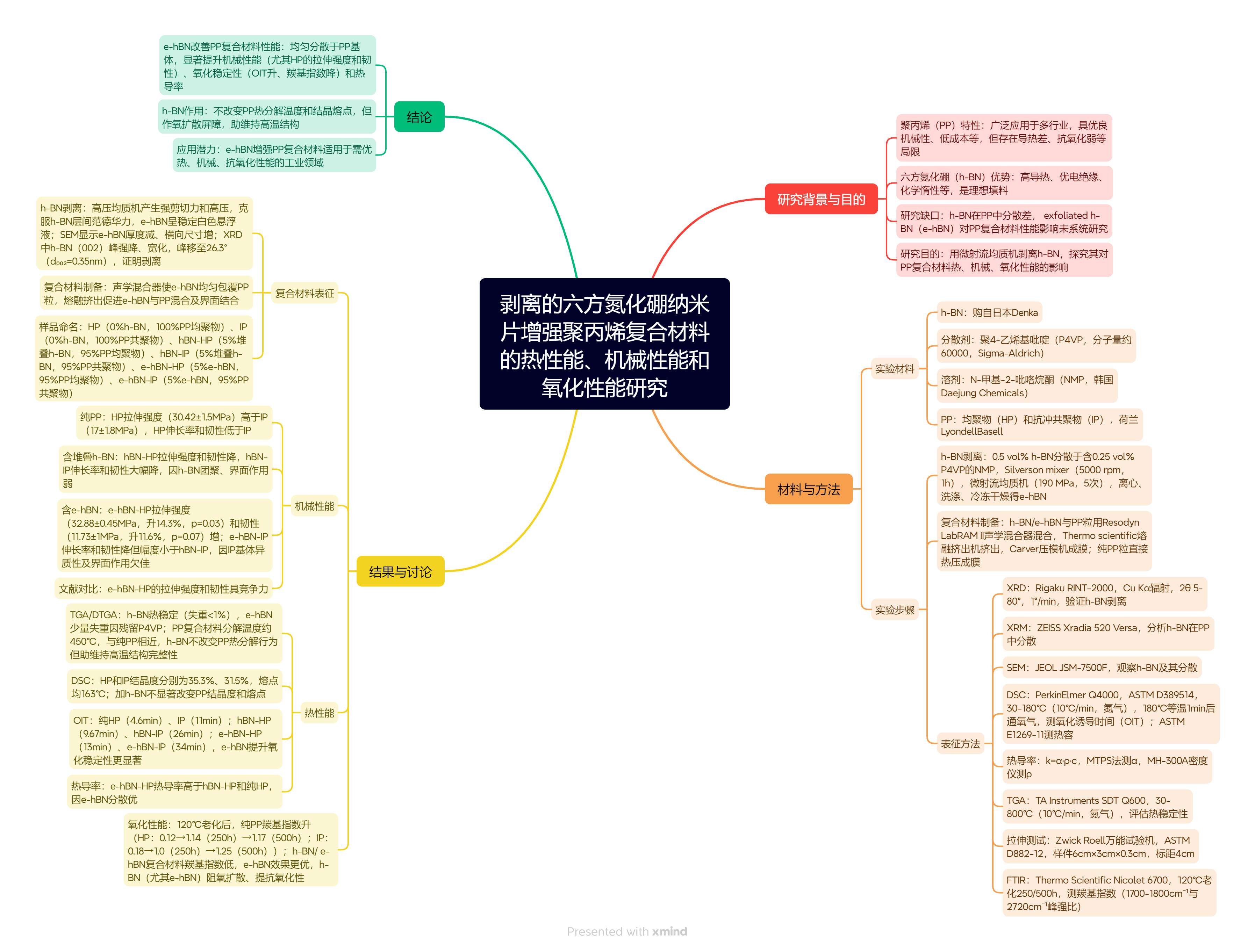
2、 Overall framework
Terminology explanation
| Abbreviations/English terms | Chinese name | Definition and Characteristics |
|---|---|---|
|
PP Polypropylene |
polypropylene | A universal thermoplastic with good chemical resistance, electrical insulation, and processability, widely used in packaging, automotive, electronic and electrical fields |
|
HP Homopolymer PP |
Homopolymer polypropylene | Made from pure propylene monomer polymerization, with regular molecular chains and high crystallinity, possessingHigh stiffness, high strengthThe characteristics are good, but the impact resistance is poor |
|
IP Impact Copolymer PP |
Impact resistant copolymer polypropylene | Introducing ethylene rubber phase into polypropylene significantlyImprove toughness and impact resistance, suitable for occasions that require bearing impact |
|
h-BN Hexagonal Boron Nitride |
Hexagonal boron nitride | Two dimensional layered material, structurally similar to graphite, with excellent thermal conductivity and electrical insulation, known as' white graphite ' |
|
e-hBN Exfoliated h-BN |
Peel off hexagonal boron nitride | By using physical or chemical methods to significantly widen the interlayer distance of h-BNFluffy porous structureThe specific surface area significantly increases and the dispersibility is better |
3、 Introduction
This study aims to address the inherent limitations of polypropylene materials, such as low thermal conductivity, poor oxidation resistance, and insufficient mechanical strength, by introducing e-hBN. Compared with traditional fillers, h-BN has a unique combination of high thermal conductivity and insulation, but its poor dispersibility in the polymer matrix is a key challenge. The innovation of this study lies in systematically exploring the effect of delamination process on the dispersion of h-BN in PP matrix, and focusing on evaluating the enhancing effect of e-hBN on the thermal, mechanical, and long-term oxidation resistance of composite materials, thus filling the research gap in this field.
4、 Basic process
| link | core steps | Key details and parameters |
|---|---|---|
| Material Preparation | raw materials | -h-BNDenka, Japan -polymerPP provided by LyondellBasell(HPandIP) -Solvent and dispersant: NMP,P4VP |
| H-BN peeling | Liquid-phase exfoliation | 1. Pre dispersionMix h-BN and P4VP in NMP and shear at high speed (5000 rpm, 1 h). 2. Micro jet homogenizationUsing a microjet homogenizer, in190 MPaLower cycle5Next time. 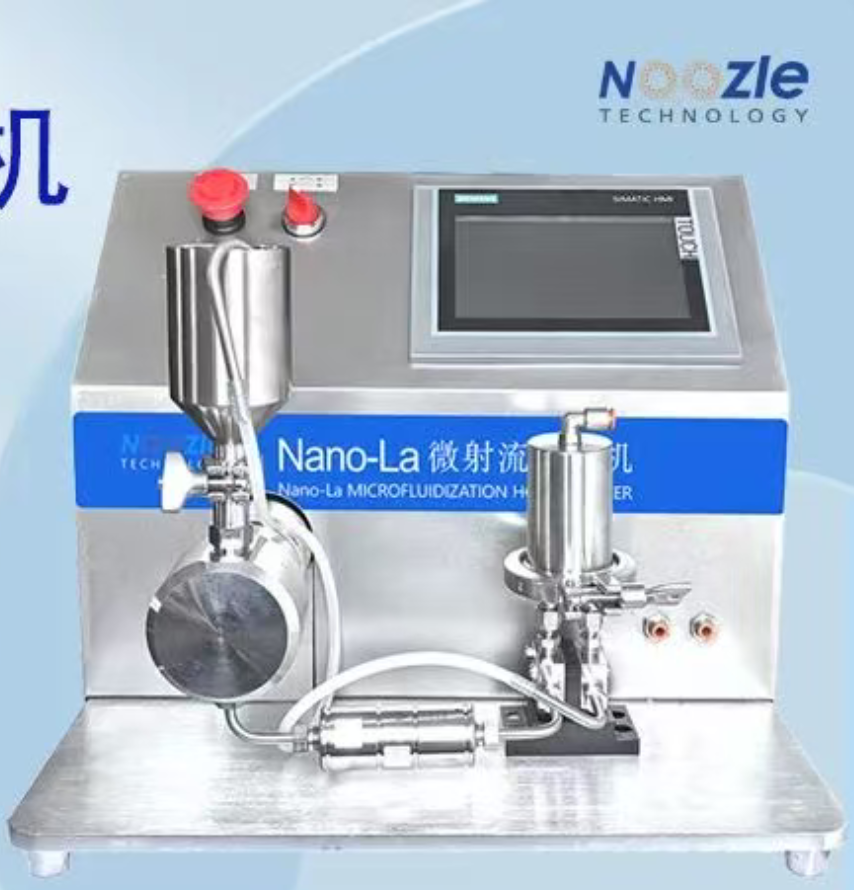 3. post-processingObtained by centrifugation, washing, and freeze-dryinge-hBNPowder. |
| Preparation of composite materials | melting blend | 1. premix: UseAcoustic resonance mixerMix the filler with PP particles. 2. Melt extrusion: UseDouble screw extruderPerform melt blending. 3. hot pressing: Usetablet pressHot pressed into standard test sheets. |
| Characterization and Testing | performance evaluation | -Structure and morphology: XRD, SEM, 3D XRM -thermal performance: TGA, DSC (OIT), thermal conductivity -mechanical properties: Tensile testing -Oxidative stabilityFTIR (carbonyl index CI) |
5、 Results and Discussion
Characterization of h-BN reinforced PP composites
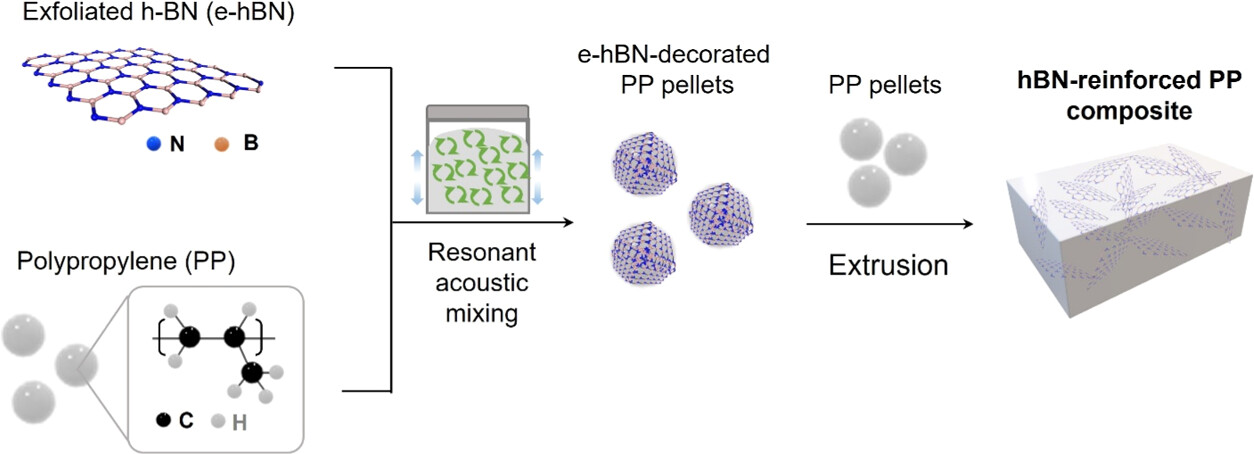
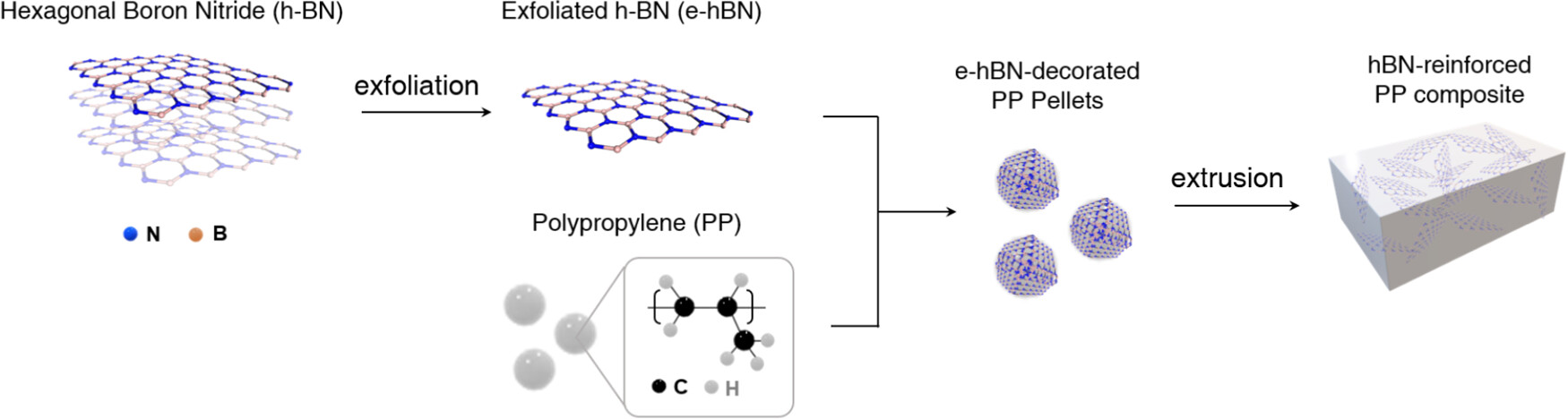
This study used a systematic approach to prepare h-BN reinforced polypropylene composites. Firstly, liquid phase exfoliation of h-BN was carried out using microjet homogenization technology, and SEM and XRD characterization confirmed the successful acquisition of exfoliated h-BN nanosheets with increased interlayer spacing and reduced thickness. To achieve ideal dispersion of fillers in the matrix, a resonant acoustic mixer was used to pre coat e-hBN nanosheets on the surface of PP particles, and then composite them by melt extrusion. This preparation strategy lays the foundation for obtaining high-performance composite materials by optimizing the dispersion process.
To ensure effective exfoliation and uniform dispersion of h-BN nanosheets, a liquid-phase exfoliation process using a microjet homogenizer was employed. This method effectively overcomes the strong van der Waals forces between the h-BN layers by applying strong shear forces and high pressure. The h-BN suspension is forced through narrow gaps at high speeds, generating turbulence and shear stress required to separate thick layers into thin nanosheets. The obtained exfoliated nanosheets displayed a stable white suspension, intuitively confirming successful exfoliation.
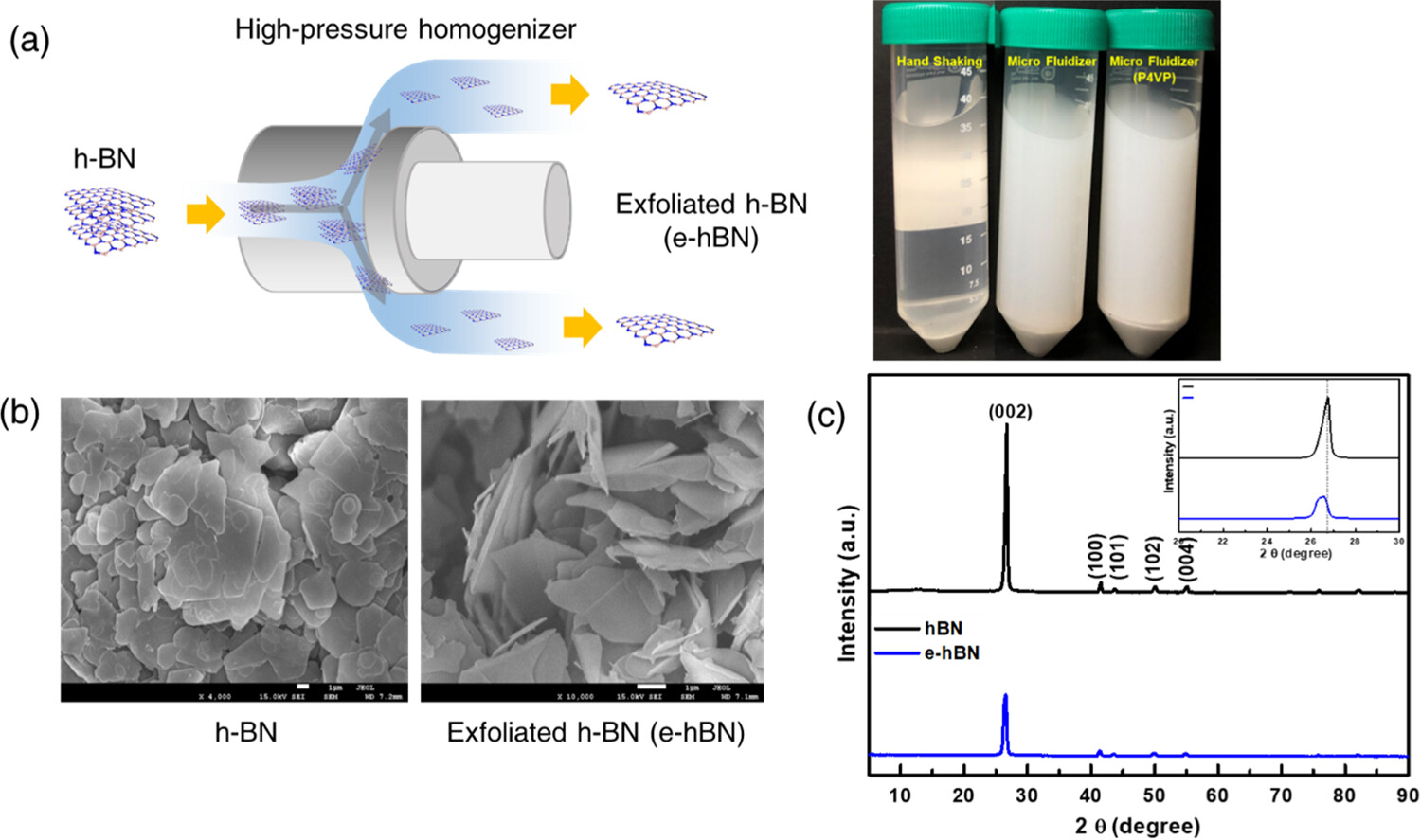
The peeling process was further validated using a scanning electron microscope (SEM), as shown in Figure 2b. The image shows that the block shaped h-BN is composed of thick stacked layers, while the peeled h-BN nanosheets exhibit significantly reduced thickness and increased lateral size. This morphological transformation enhances the surface area of h-BN nanosheets, promotes better interfacial interaction with PP matrix, and helps improve the performance of composite materials. X-ray diffraction (XRD) analysis provided additional evidence of successful exfoliation (Figure 2c). The XRD patterns of block shaped h-BN exhibit characteristic diffraction peaks at 2 θ values of 26.8, 41.7, 43.9, 50.2, and 55.2 °, corresponding to the (002), (100), (101), (102), and (004) planes of hexagonal h-BN, respectively. A significant decrease in the intensity of the (002) peak was observed, accompanied by a broadening of the peak. These changes indicate a weakening of layer stacking along the C-axis, confirming the separation of h-BN layers. In addition, the (002) peak shifted towards 26.3 ° with a spacing (d002) of 0.35 nm, indicating an increase in interlayer separation and verifying the successful production of peeled h-BN nanosheets.
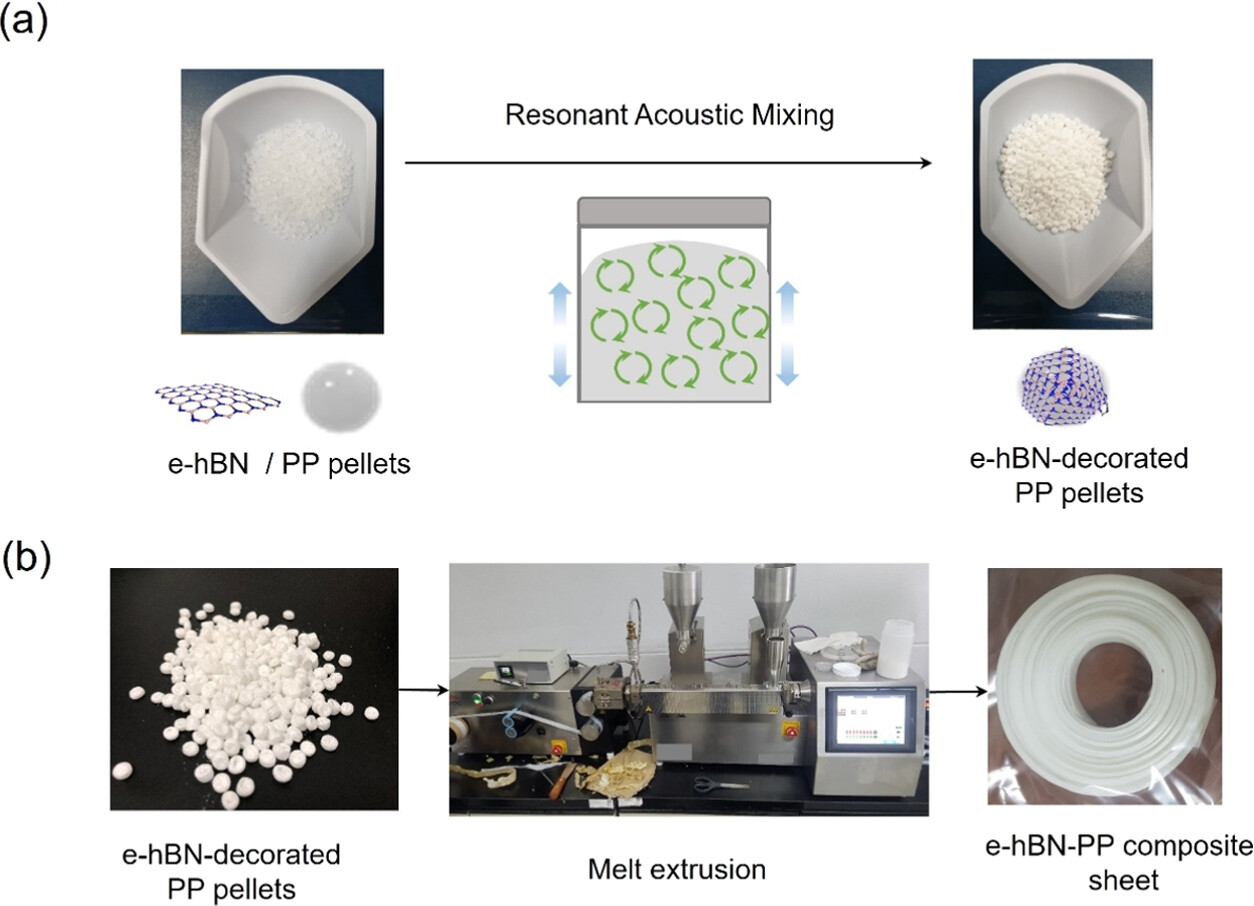
The preparation of polypropylene (PP) composites reinforced with exfoliated h-BN (e-hBN) nanosheets involves two key steps, as shown in Figure 3. In the first step, e-hBN nanosheets were uniformly coated onto PP particles using a resonant acoustic mixer (Figure 3a). The high-frequency sound waves generated by the acoustic mixer produce rapid vibrations, allowing the e-hBN nanosheets to be uniformly dispersed and effectively adhered to the surface of PP particles. This step is crucial as it ensures that the nanosheets are evenly distributed within the polymer matrix during subsequent processing, thereby enhancing the overall uniformity and performance of the composite material. In the second step, the h-BN coated PP particles were subjected to melt extrusion process (Figure 3b). During this process, the mixture is heated to melt PP, promoting the mixing of nanosheets with the polymer matrix. This method not only ensures the uniform incorporation of e-hBN, but also promotes a strong interfacial bonding between the filler and the polymer.
Mechanical Properties of h-BN Reinforced PP Composite Materials
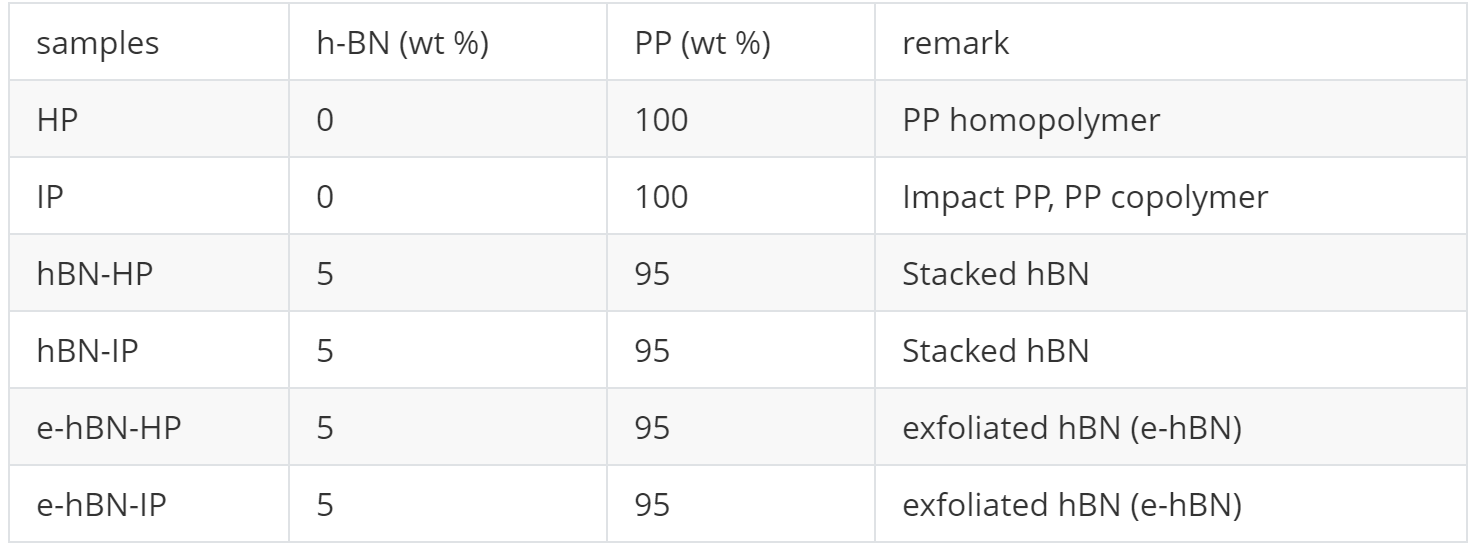
Compared with impact copolymer PP (IP), pure HP exhibits excellent tensile strength (30.42 ± 1.5 MPa), attributed to its higher crystallinity. However, HP exhibits lower elongation and toughness, highlighting its stiffness but reducing its ductility. The addition of stacked h-BN (hBN HP) results in a decrease in tensile strength and toughness, mainly due toDue to the aggregation of h-BN particles, h-BN particles act as stress concentrators and hinder stress transmission.
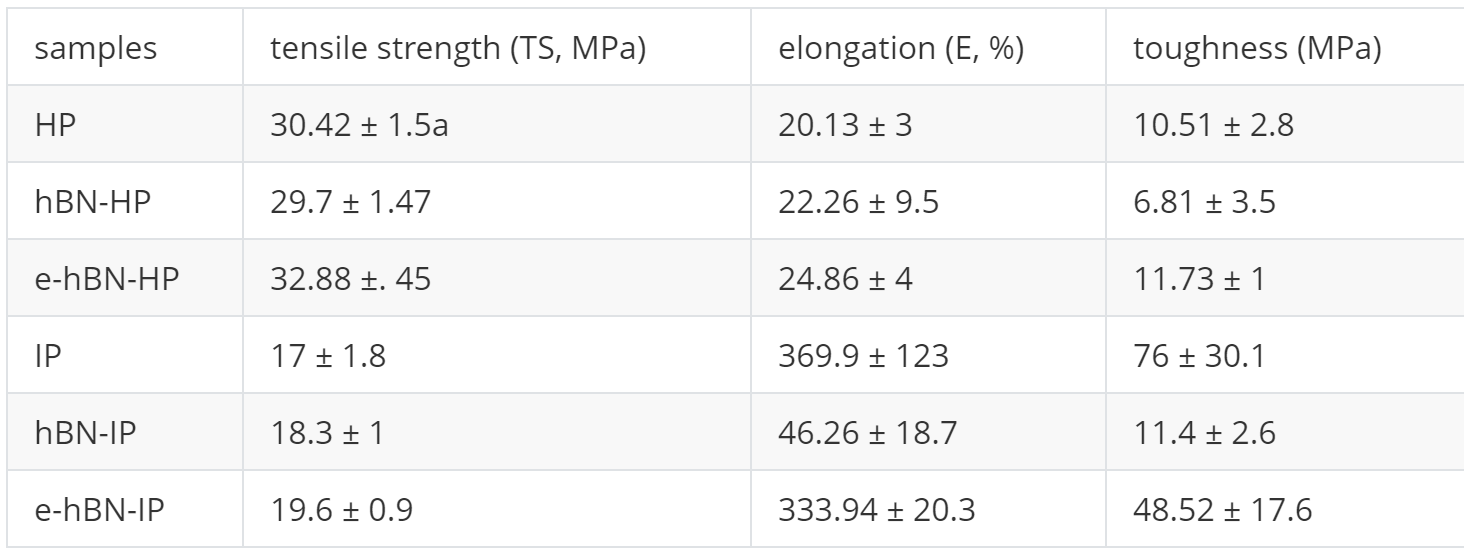
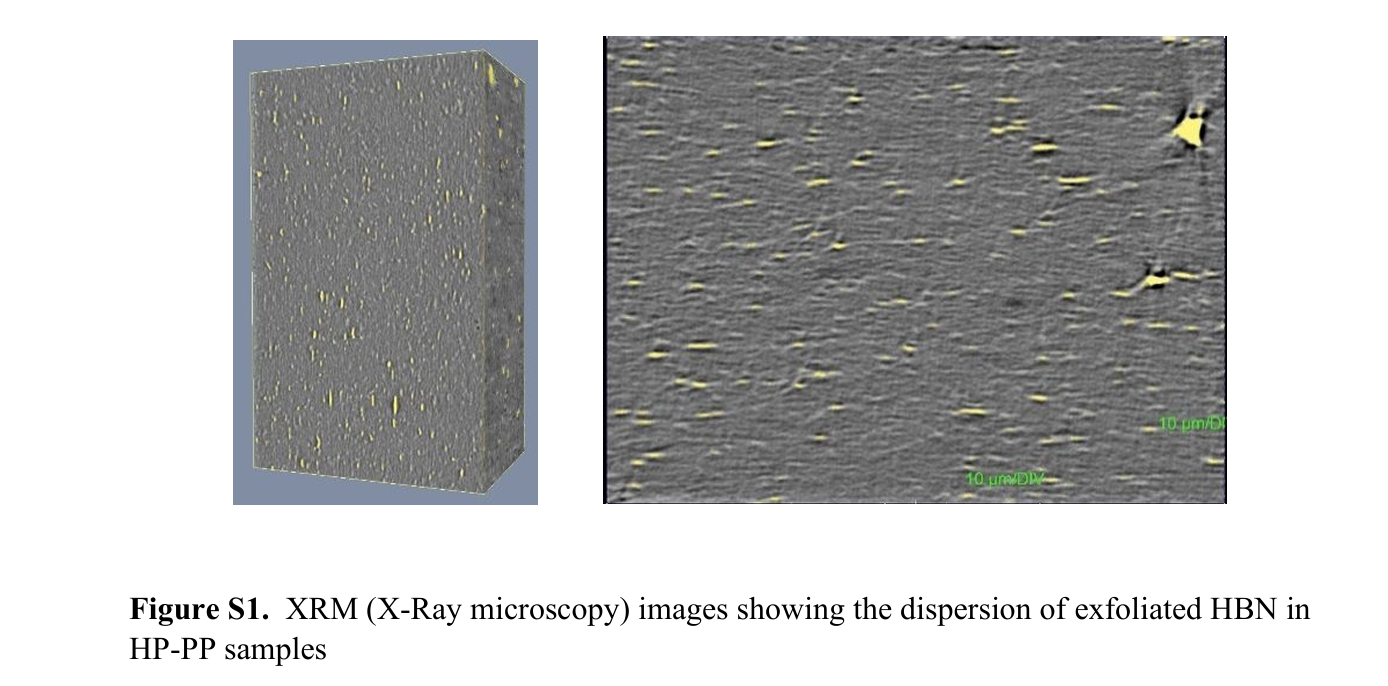
On the contrary, the addition of peeled h-BN (e-hBN HP) significantly increased the tensile strength (32.88 ± 0.45 MPa, an increase of 14.3%); P=0.03) and toughness (1 MPa ± 11.73, an increase of 11.6%; p = 0.07)。 theseEnhancement is attributed to the uniform dispersion of e-hBN nanosheets in the polymer matrix, thereby achieving efficient stress transferAs confirmed by XRM imaging (Figure S1)
In contrast, due to the rubber like ethylene domains in the matrix, IP samples exhibit higher elongation and toughness compared to HP. However, the addition of stacked h-BN (hBN IP) significantly reduced elongation and toughness, which may be due to poor filler dispersion and weak filler matrix interface interaction. The addition of exfoliated h-BN (e-hBN IP) also resulted in a decrease in elongation and toughness of the IP sample, although this decrease was less significant compared to stacked h-BN. These observations indicate that the limited improvement in the mechanical properties of e-hBN IP composites is due to poor interfacial interactions between the IP matrix and h-BN nanosheets, as well as the inherent heterogeneity of the IP matrix. This trend is consistent with the research findings reported by Chan et al., who observed negligible changes in mechanical properties after adding 10%, 15%, and 20% h-BN.
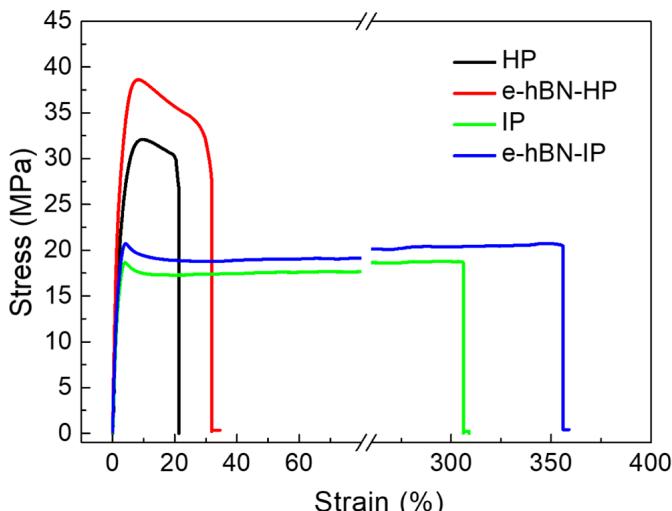
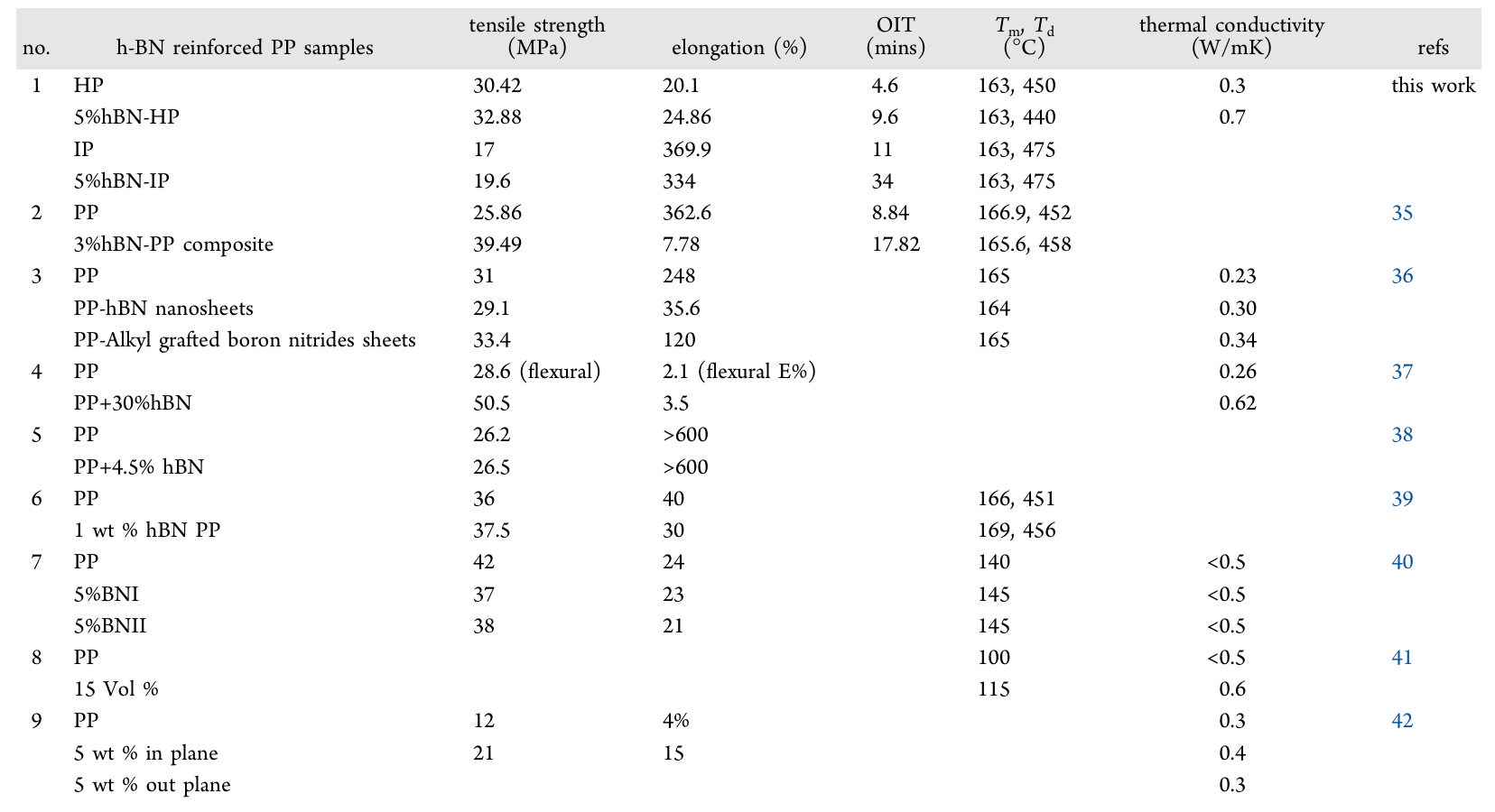
Therefore, by adding exfoliated h-BN nanosheets, especially in homopolymer PP, the mechanical properties of PP composites can be significantly improved. The observed enhancement in tensile strength and toughness is attributed to the uniform dispersion and effective stress transfer achieved by the peeled h-BN. Optimizing dispersion techniques and enhancing filler matrix interactions can further improve the mechanical properties of these composite materials, especially in matrices with more complex structures, such as impact copolymer PP. The mechanical properties of the composite materials developed in this study were compared with literature reports on h-BN reinforced PP composites (Table 3). The tensile strength and toughness achieved by e-hBN reinforced HP composite material (e-hBN HP) are competitive, demonstrating the effectiveness of peeling h-BN in improving the performance of composite materials.
Thermal properties of h-BN reinforced polypropylene composites
The thermal stability of h-BN reinforced polypropylene (PP) composites was studied using thermogravimetric analysis (TGA) and derivative thermogravimetric analysis (DTGA). Figure 5a shows the TGA curves of h-BN and detached h-BN (e-hBN), indicating that h-BN itself has excellent thermal stability with a weight loss of less than 1%.
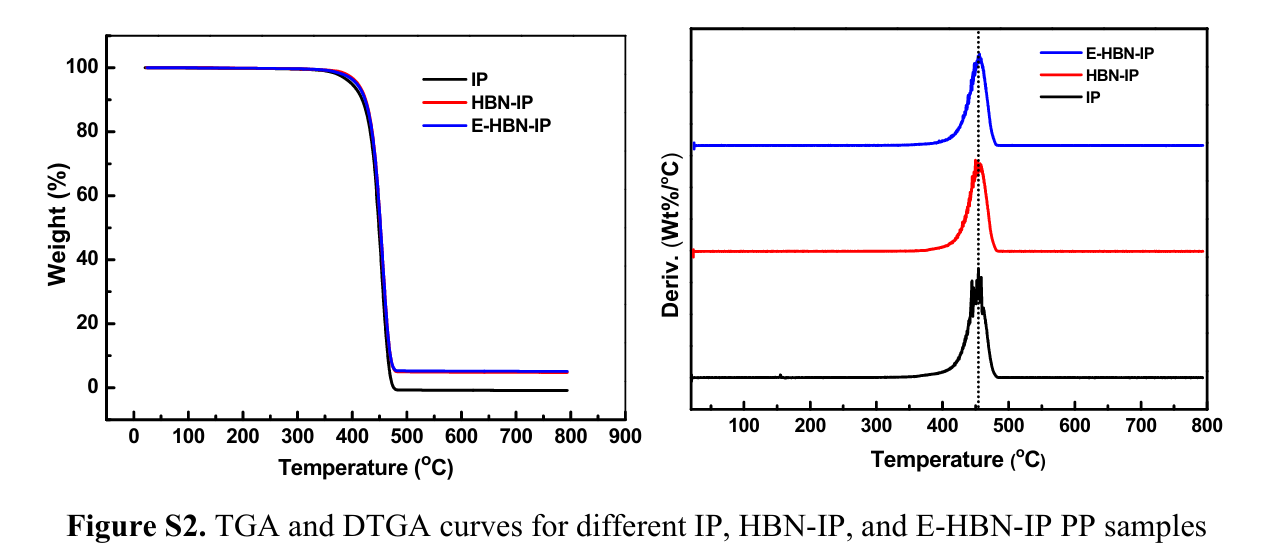
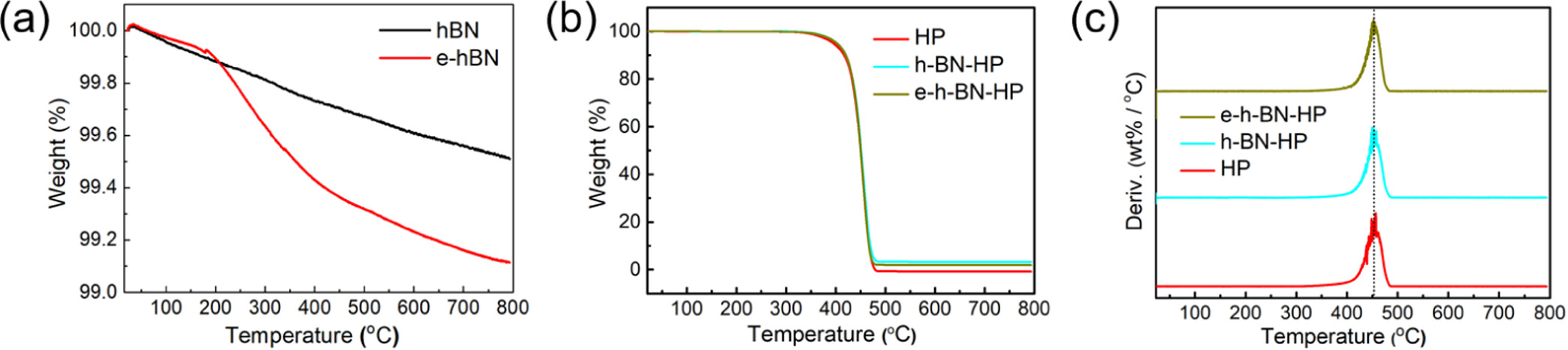 The e-hBN sample showed minimal weight loss, attributed to residual poly (4-vinylpyridine) (P4VP) used as a dispersant in the e-hBN preparation process. However, despite the high thermal stability of h-BN, the addition of h-BN did not significantly improve the thermal decomposition of PP, as shown in Figures 5b and 5b. The decomposition temperature of pure HP, h-BN HP, and e-hBN HP samples is approximately 450 ° C, and their degradation rates are similar. Similar trends were observed in the h-BN-IP samples, therefore Figure S2 provides TGA and DTGA data for these samples. This indicates that the addition of h-BN does not significantly alter the thermal decomposition behavior of the PP matrix, although the presence of h-BN helps maintain the structural integrity of the composite material at higher temperatures.
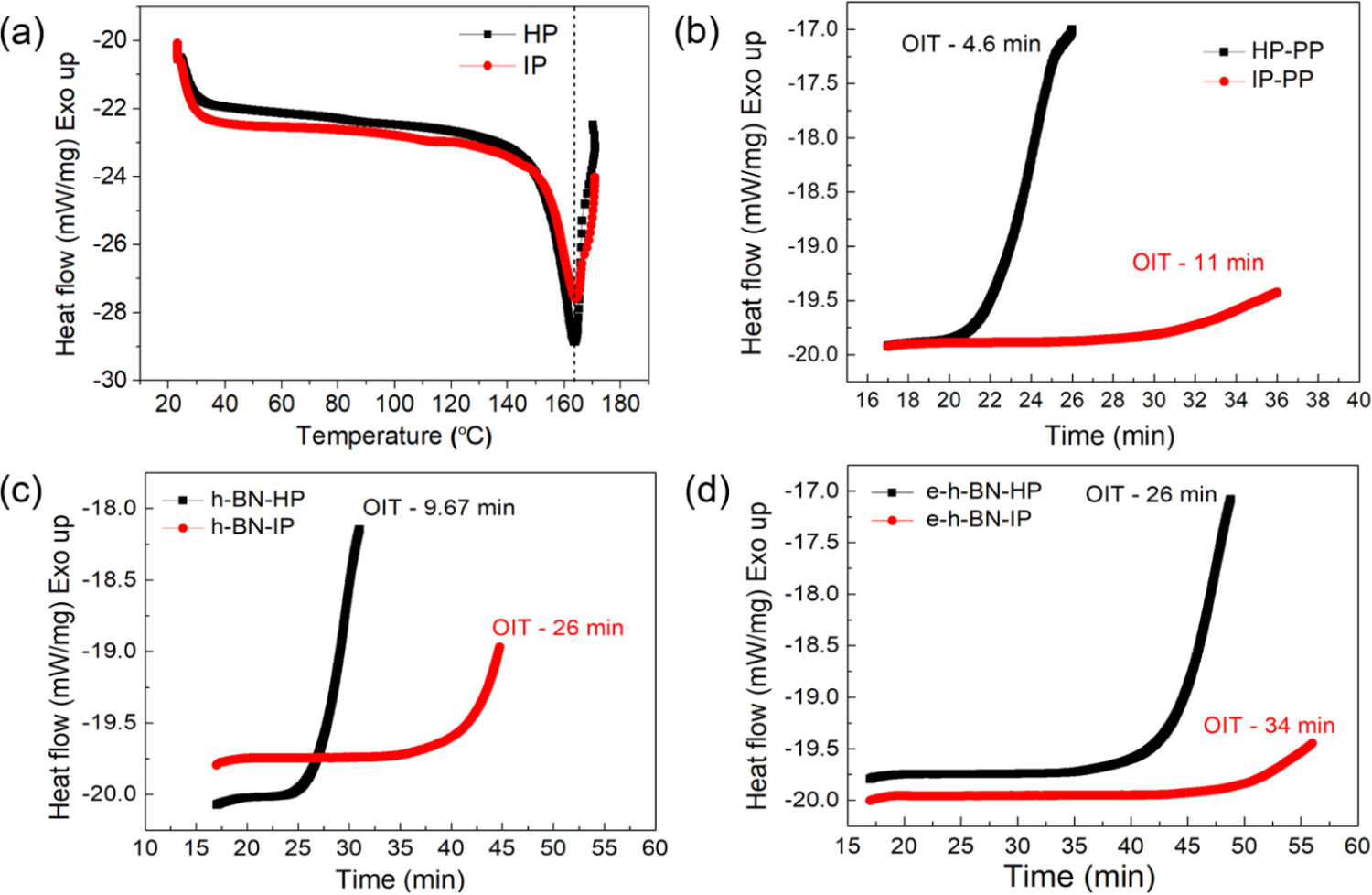
Analyze the crystallinity and melting characteristics of PP composite materials through DSC measurement. The formula for calculating the percentage of crystallinity is:among whichIt is the melting heat of PP samples,It is the melting heat of pure crystalline PP (207 J/g). The crystallinity percentages of pure HP and IP were 35.3% and 31.5%, respectively, and the melting peaks of both samples were observed at 163 ° C (Figure 6a). The difference in crystallinity between HP and IP is related to their mechanical properties, with HP having higher crystallinity and exhibiting higher strength, while IP having lower crystallinity helps enhance its ductility. Although h-BN was added to PP composite materials, there was no significant improvement in the thermal properties of PP, indicating that h-BN reinforcement had no significant effect on the crystallinity or melting characteristics of the polymer matrix, as shown in Table 3.
Measure oxygen induction time (OIT) to evaluate the oxidative thermal stability of PP composite materials (Figure S3).
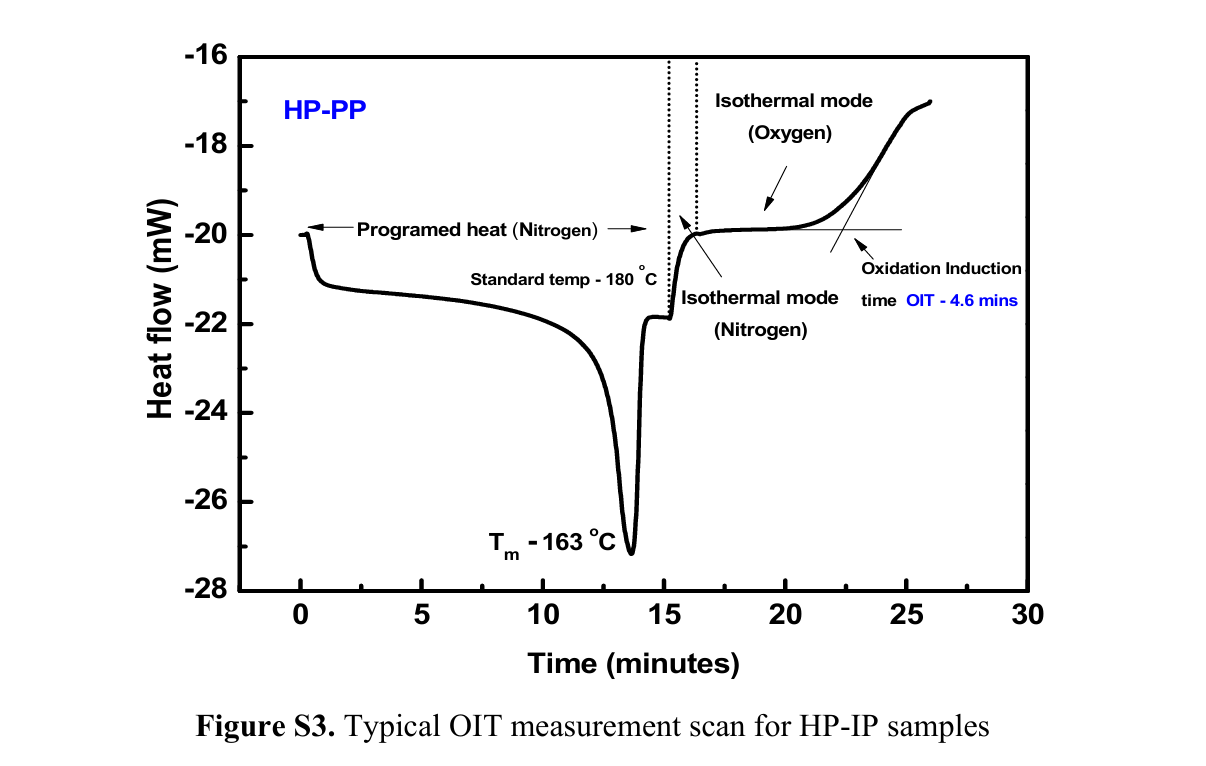
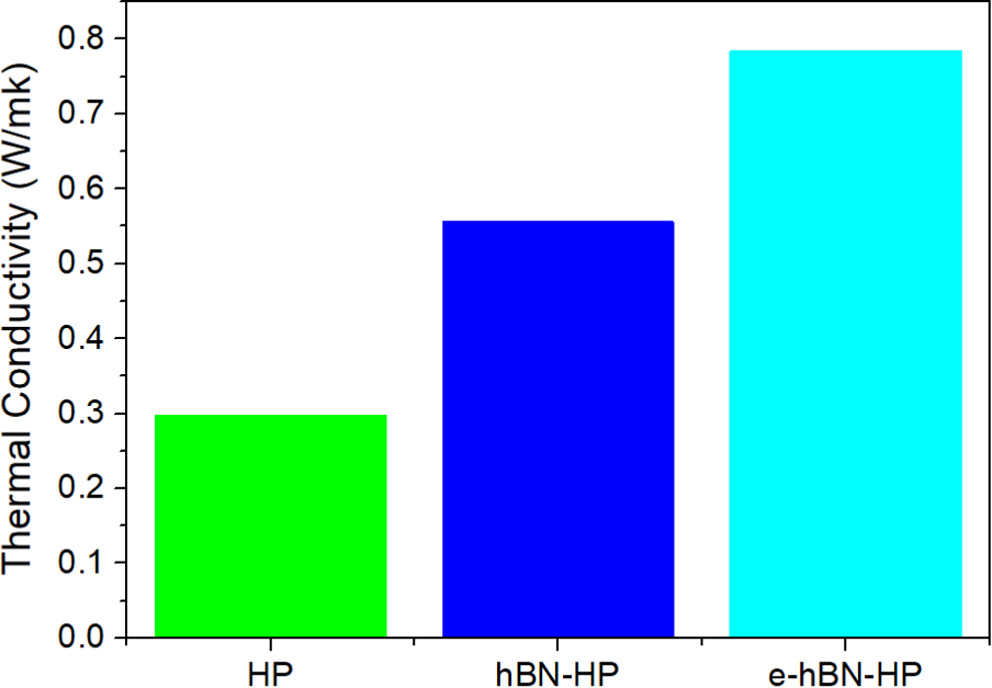
The OIT value was measured at 180 ° C, as the OIT values at 200 and 220 ° C are unrealistic due to their values being less than 1 minute. For pure HP and IP, the OIT values are 4.6 minutes and 11 minutes, respectively (Figure 6b). Adding h-BN increased the OIT of h-BN-HP to 9.67 minutes and h-BN-IP to 26 minutes (Figure 6c). Further enhancement of shed h-BN was observed, resulting in an OIT value of 13 minutes for e-hBN HP and 34 minutes for e-hBN IP (Figure 6d). These results indicate that the addition of hexagonal boron nitride (h-BN), especially its exfoliated form (e-hBN), significantly improves the oxidation stability and thermal properties of polypropylene (PP) composites.The increase in oxidation induction time (OIT) observed in PP samples reinforced with h-BN and e-hBN indicates that h-BN is an effective barrier for oxygen diffusion, thereby delaying the onset of oxidation. The better dispersion of e-hBN in PP matrix further enhances this protective effect, as evidenced by the higher OIT values of e-hBN HP and e-hBN IP samples compared to the non peeled samplesThe improvement in oxidation stability is partly attributed to the high thermal conductivity of h-BN, which enhances the heat dissipation performance of the composite material. In addition to OIT measurement, thermal conductivity measurement can also provide important insights into the thermal properties of composite materials. The addition of thermal conductive h-BN improves the thermal conductivity of the PP matrix, which helps with better heat dissipation. The e-hBN reinforced composite material exhibits higher thermal conductivity (Figure 7), which may be due to the dispersion of e-hBN in the PP matrix, enhancing the heat dissipation performance of the composite material
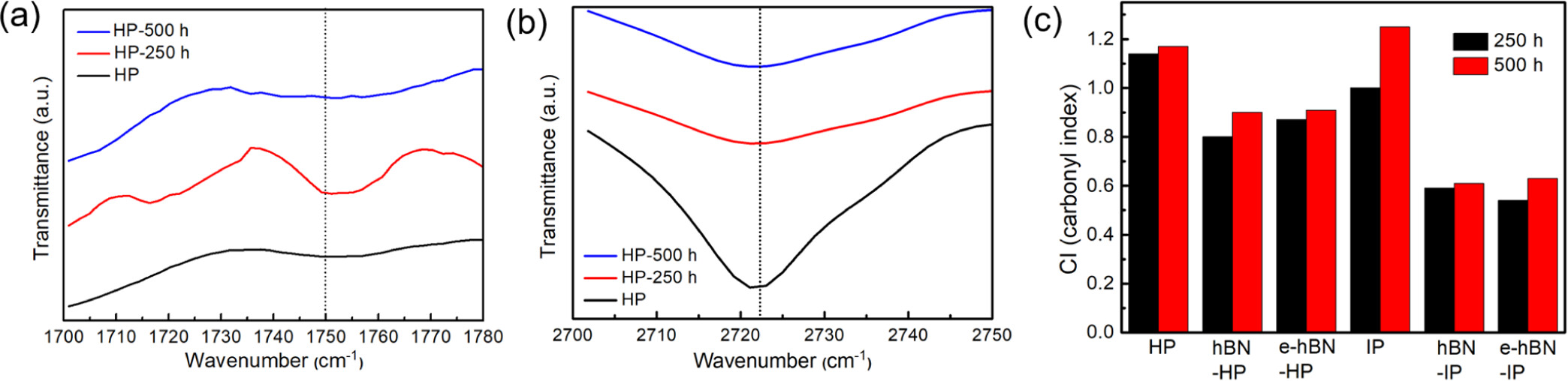
Evaluate the oxidation resistance of composite materials through thermal aging studies, where HP and IP samples were placed at 120 ° C for 250 and 500 hours to simulate long-term heat exposure. To monitor the formation of oxidation products, especially carbonyl (- C ═ O) groups, Fourier transform infrared (FTIR) spectroscopy was used.
The FTIR spectrum (Figure 8a) shows that the carbonyl group ranges from 1700 to 1780The characteristic absorption peak of the region indicates polymer oxidation. The carbonyl index (CI) is an effective indicator for evaluating the degree of oxidation of polymer samples, calculated as the carbonyl peak (1700-1780))The intensity and reference peak (2730))The ratio of intensity. As expected, the thermal aging of pure HP and IP samples resulted in a significant increase in carbonyl peak intensity, with a noticeable increase in carbonyl index (CI). For HP samples, the CI value increased from 0.12 (pure) to 1.14 after 250 hours and to 1.17 after 500 hours of aging, indicating significant oxidation. Similarly, for IP samples, the CI value increased from 0.18 (pure) to 1.0 after 250 hours and from 1.25 to 1.25 after 500 hours, indicating significant oxidation over time. However, the addition of h-BN nanosheets to the PP matrix significantly improved antioxidant activity. Compared with the heat aged samples without h-BN, the CI values of the HP and IP samples enhanced by h-BN and peeled h-BN (e-hBN) were lower. The FTIR results further support the findings of the OIT study, confirming that the addition of h-BN nanosheets enhances the antioxidant properties of PP composites, whether non exfoliated or exfoliated. Compared with the heat aged PP sample without h-BN, the CI value of the h-BN reinforced sample is lower, indicating a decrease in the degree of oxidation. This indicates that the incorporation of h-BN nanosheets, especially exfoliated nanosheets, enhances the material's oxidation resistance under thermal aging conditions.
VI. Conclusion
This study successfully confirmed that,Stripped hexagonal boron nitride (e-hBN)As a high-performance nanofiller, it can significantly enhance the comprehensive performance of polypropylene (PP) composite materials. The core conclusion is as follows:
Preparation and dispersion are key: AdoptingMicro jet homogenization methodSuccessfully prepared e-hBN and passedAcoustic mixing and melt extrusionThe combined process has achieved the integration of e-hBN in PP matrixuniformly dispersedThis is the foundation for performance improvement.
Significant improvement in mechanical performance (especially in HP): InHomopolymer PP (HP)The addition of e-hBN has achievedSimultaneous enhancement of strength and toughnessIn impact copolymer PP (IP), the improvement of mechanical properties is limited due to the complex structure of the matrix itself.
Significant improvement in thermal oxidation stabilityThe addition of e-hBN significantly prolongs the material'sOxidation induction time (OIT)And effectively reduced the thermal agingCarbonyl Index (CI)This indicates that e-hBN can act as a physical barrier, effectively hindering oxygen diffusion and delaying the oxidative degradation of PP.
Improved thermal conductivityE-hBN forms a more effective thermal conductivity pathway in the PP matrix, enabling the composite material toImproved thermal conductivity.
The thermal decomposition behavior was not significantly affectedThe addition of fillers did not change the properties of PP itselfThermal decomposition temperatureThis indicates that its stability is mainly improved through physical interactions, rather than altering the chemical degradation mechanism of the polymer.
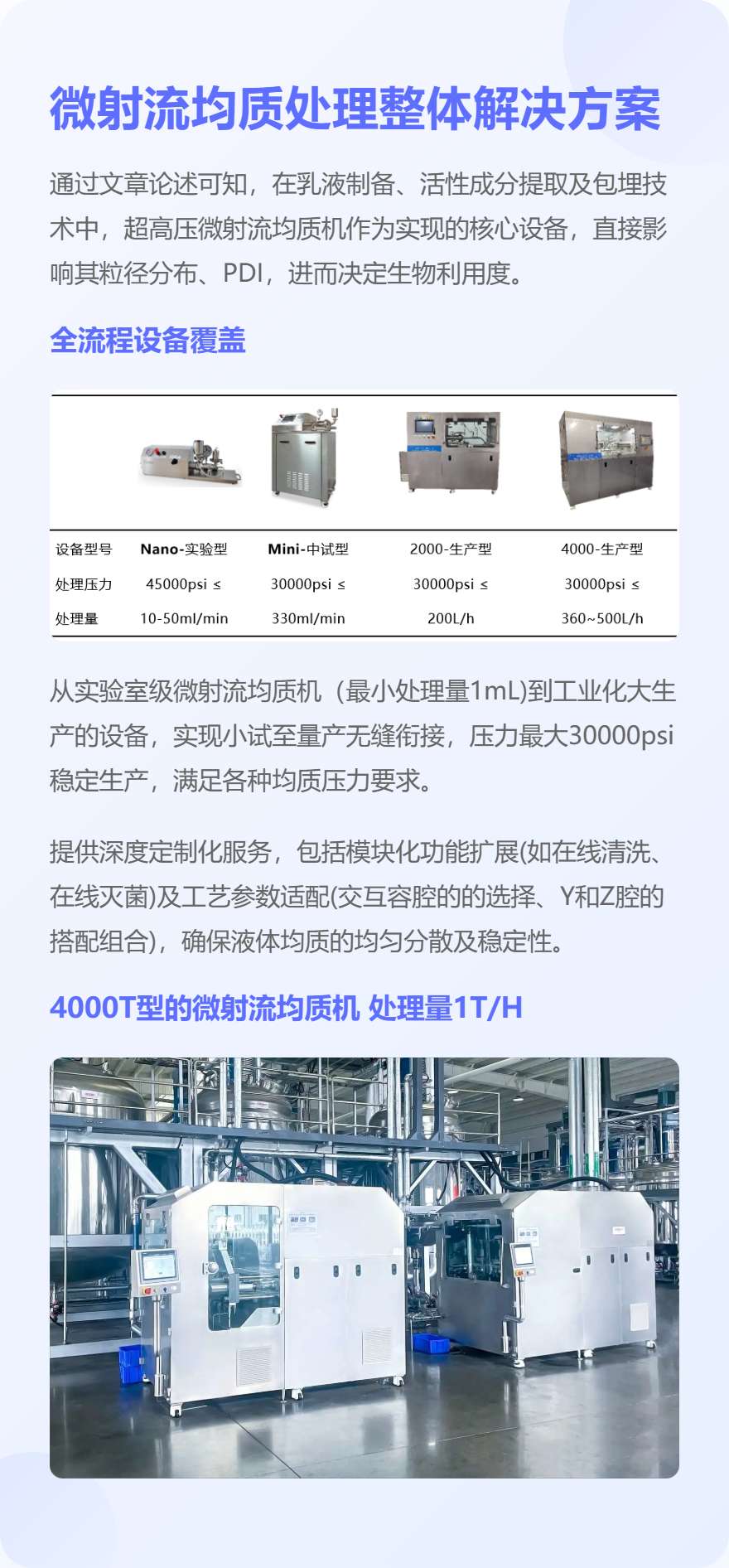
Integrated solution for micro jet homogenization treatment