-
E-mail
512032841@qq.com
-
Phone
15666889209
-
Address
Oulong Technology Park
Shandong Boke Instrument Co., Ltd
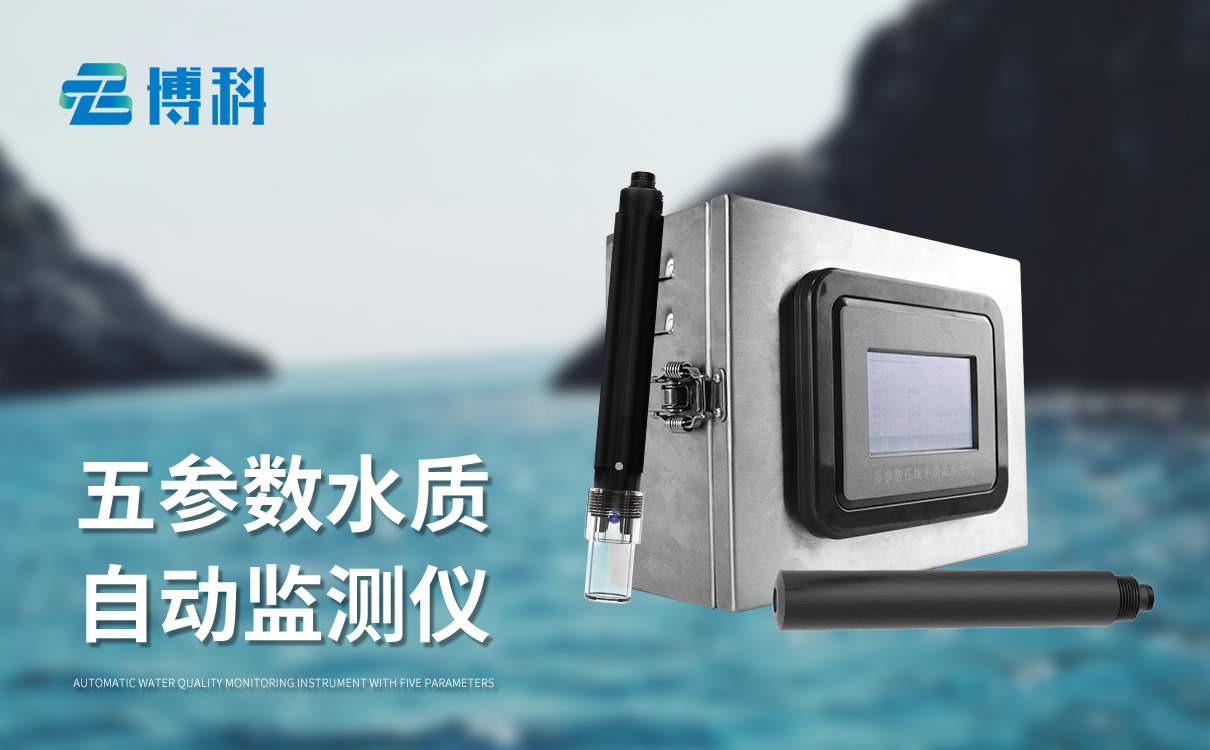
Five parameter automatic water quality monitoring instrument: fast and accurate analysis, real-time grasp of water quality dynamics
Date: 2025-12-15Read: 5
Five parameter water quality automatic monitoring instrument: fast and accurate analysis, real-time grasp of water quality dynamics BK-ZS05 Shandong Boko Instrument Manufacturer is continuously updating. As a core equipment in the field of modern environmental monitoring, the five parameter water quality automatic monitoring instrument has become a "digital sentinel" for safeguarding water resource security and evaluating water health status with its fast, accurate, and continuous monitoring capabilities. This device provides multi-dimensional data support for water quality dynamic analysis by integrating real-time monitoring functions of five key parameters: dissolved oxygen, pH value, conductivity, turbidity, and temperature. It is widely used in surface water monitoring, drinking water source protection, sewage treatment, and industrial production.
Technical principle: Multi sensor collaboration, precise capture of water quality changes
The core of the five parameter water quality automatic monitoring instrument lies in its highly integrated sensor array and intelligent algorithm. The dissolved oxygen sensor adopts the principle of fluorescence quenching, which detects the interaction between fluorescent substances and oxygen molecules in water, achieving accurate measurement without the need for chemical reagents, and the fluorescent cap has a lifespan of several years; The pH sensor utilizes the potential difference between the glass electrode and the reference electrode, combined with automatic temperature compensation technology, to eliminate the interference of temperature on the measurement results; The conductivity sensor adapts to a wide range of monitoring needs from pure water to high salinity wastewater through the quadrupole electrode method; The turbidity sensor adopts a 90 ° scattered light method, which is sensitive to low turbidity water bodies and reduces the attachment of suspended solids through self-cleaning function; The temperature sensor serves as a key correction parameter, compensating in real-time for errors caused by temperature effects on other parameters. This multi-sensor collaborative working mode ensures high accuracy and reliability of data.
Application scenario: Full field coverage, safeguarding water quality safety
In surface water monitoring, the five parameter monitoring instrument can be deployed in water sources such as rivers, lakes, and reservoirs. By continuously monitoring parameters such as pH value, dissolved oxygen, and conductivity, it can capture the acute impact of industrial wastewater discharge, agricultural non-point source pollution, and other events on water bodies in real time. For example, the environmental protection department in a certain area discovered a sudden drop in dissolved oxygen in a river through monitoring, combined with abnormal pH values, and quickly identified illegal discharge behavior by upstream chemical enterprises, taking timely measures to avoid pollution diffusion. In the protection of drinking water sources, equipment can be installed at water intake, sedimentation tank and other links to monitor water quality changes in real time and ensure water supply safety. In a drinking water source area, sediment inflow was caused by a rainstorm. The monitor sent an alarm of turbidity exceeding the standard in time, and the management personnel quickly started sedimentation treatment to prevent unqualified water from entering the water supply system.
Core value: Real time warning and data-driven decision-making
The core value of the five parameter water quality automatic monitoring instrument lies not only in real-time monitoring, but also in its warning function and data visualization capability. The device uploads data to the cloud platform through IoT technology, and automatically triggers multi-level alarms (SMS, APP, platform pop ups) when parameters exceed the standard, shortening emergency response time. For example, a certain brand of equipment has achieved direct data connection with the environmental protection department's regulatory platform. When the dissolved oxygen is below the threshold, the system automatically sends warning messages to the relevant personnel's mobile phones, greatly improving the efficiency of pollution incident disposal. In addition, the device supports functions such as historical data query, curve analysis, and time period statistics, providing data basis for water environment governance and scientific research. In a river ecological restoration project, researchers intuitively evaluated the effectiveness of restoration measures such as dredging and planting aquatic plants by monitoring changes in parameters such as dissolved oxygen and turbidity.
Future outlook: Intelligent upgrading, empowering sustainable development
With the integration of IoT, big data, and artificial intelligence technologies, the five parameter water quality automatic monitoring instrument is evolving towards intelligence and networking. In the future, devices will have stronger self diagnostic capabilities, lower maintenance costs, and higher data security, providing more solid technical support for the sustainable utilization of water resources. For example, by analyzing historical data through machine learning algorithms, devices can predict water quality trends and develop prevention and control plans in advance; By combining mobile monitoring platforms such as drones and unmanned ships, we can achieve integrated monitoring of air, space, and earth, covering a wider range of water areas.
The five parameter water quality automatic monitoring instrument has become the "smart brain" of water quality management with its fast and accurate analysis ability and real-time dynamic monitoring advantages. Whether it is safeguarding drinking water safety, preventing water pollution incidents, supporting scientific research and innovation, or promoting ecological restoration, it is supported by scientific data to help achieve the ecological vision of "clear water, green banks, and shallow fish".