-
E-mail
15937541@qq.com
-
Phone
13520007136
-
Address
No. 2, Lane 5235, Hunan Road, Pudong, Shanghai
Shanghai Huazheng Special Boiler Manufacturing Co., Ltd. (formerly known as Shanghai Huazheng Thermal Energy Equipment Co., Ltd.)
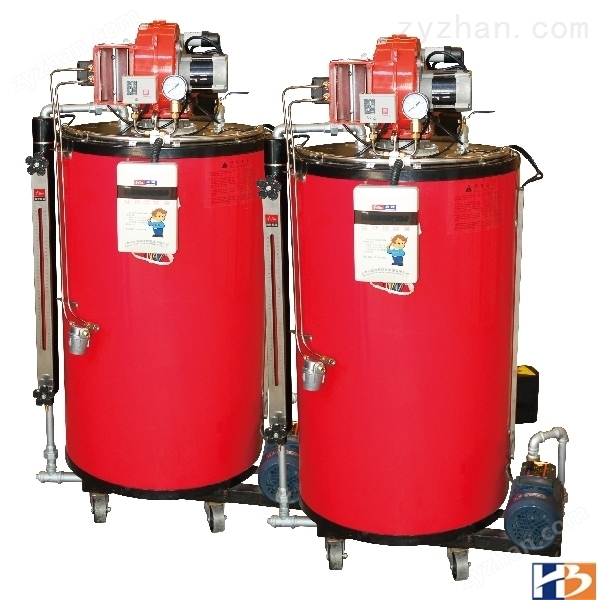
Structural components of fuel steam generator
Date: 2025-12-16Read: 88
A fuel steam generator is an efficient thermal energy conversion device widely used in industrial production and life services. It converts water into high-temperature steam by burning fuel, providing a stable heat source for various processes. Its core structure consists of multiple key components working together to ensure efficient and safe operation of the equipment. The following is a detailed explanation of the main structural components and functions of a fuel steam generator.
1、 Boiler body: core heat exchange unit
The boiler body is the core part of the fuel steam generator, responsible for completing the heat transfer and steam generation process. It mainly consists of the following components:
1. Furnace: As the main place for fuel combustion, the furnace is made of high-temperature resistant alloy steel and other materials, designed in a specific shape and size to optimize combustion efficiency. Fuel is atomized here and mixed with air for combustion, producing high-temperature smoke.
2. Drum: Used for storing water and steam, separating steam water mixtures, and ensuring the purity of the output steam. There is a steam water separation device inside the drum, which effectively distinguishes between steam and moisture.
3. Heating surface: including water-cooled walls, smoke pipes, and other components. When high-temperature flue gas flows through these pipes, it transfers heat to the internal water, gradually converting it into steam. The design of the heating surface directly affects thermal efficiency and steam production.
2、 Combustion System: Energy Conversion Engine
The combustion system is responsible for the atomization, ignition, and combustion processes of fuel, and is the power source of the steam generator. Its key components include:
1. Burner: Fuel is atomized through a nozzle, mixed with air, and ignited to produce a high-temperature flame. The design of the burner needs to ensure sufficient combustion of fuel and reduce harmful emissions.
2. Fuel supply system: including fuel pumps, filters, and pipelines to ensure stable delivery of fuel to the burner. The system may be equipped with regulating valves to control fuel flow and pressure, adapting to different load requirements.
3. Air supply device: such as blower or induced draft fan, providing oxygen required for combustion and optimizing combustion efficiency. Some equipment is also equipped with air preheaters, which use the waste heat of flue gas to heat the air, further improving energy efficiency.
3、 Water cycle system: steam generation network
The water circulation system ensures efficient flow and heating of water within the equipment, which is divided into the following steps:
1. Water supply system: including water pumps and valves, which transport pre treated water to the boiler. Pre treatment may involve deoxygenation and filtration to prevent corrosion and scaling.
2. Soda separation device: located inside the drum, it separates the moisture in the steam to ensure the dryness and purity of the output steam. This step is crucial for equipment safety and steam quality.
3. Condenser (optional): In some high-efficiency designs, the condenser recovers waste heat from flue gas to preheat the feedwater, reducing energy consumption. It cools the high-temperature flue gas through heat exchange while increasing the water temperature.
4、 Control System and Safety Devices: Intelligent Assurance
Modern fuel steam generators heavily rely on automation and safety mechanisms to ensure stable operation and risk prevention
1. Control system: Integrated pressure, temperature, and water level sensors to monitor equipment status in real-time. By adjusting the burner, water pump and other components through PLC or microprocessor, automatic start stop and load regulation can be achieved.
2. Safety protection device: including safety valve (automatic pressure relief in case of overpressure), low water level protection (to prevent dry burning), and leakage protector. These devices intervene urgently in abnormal situations to prevent explosions or equipment damage.
3. Instrumentation and alarm system: equipped with pressure gauges, thermometers, and alarm indicator lights, providing intuitive feedback to operators and supporting rapid fault diagnosis.
5、 Auxiliary equipment: Improve overall performance
Improve the functionality of auxiliary equipment, enhance applicability and maintenance convenience:
1. Smoke and air duct system: composed of induced draft fan and flue, it guides the exhaust of smoke and maintains negative pressure in the furnace, optimizing the combustion environment.
2. Dust cleaning devices, such as dust collectors and slag discharge machines, regularly remove combustion residues to prevent blockages and efficiency degradation.
3. Shell and support structure: protects internal components from external environmental influences, while providing mechanical support and installation interfaces.
The structural design of the fuel steam generator reflects engineering precision, and the various components work together to achieve efficient and safe steam production. From the heat exchange of the boiler body to the intelligent management of the control system, each link has been optimized to meet the diverse needs of industrial, commercial, and other scenarios. Understanding these components can help operators better maintain equipment, improve operational lifespan, and enhance energy efficiency performance.