-
Phone
13702067485
-
Address
Haitai International Industrial Base, Binhai High tech Zone, Tianjin, China
Tianjin Development Zone Rui'er Environmental Protection Technology Co., Ltd
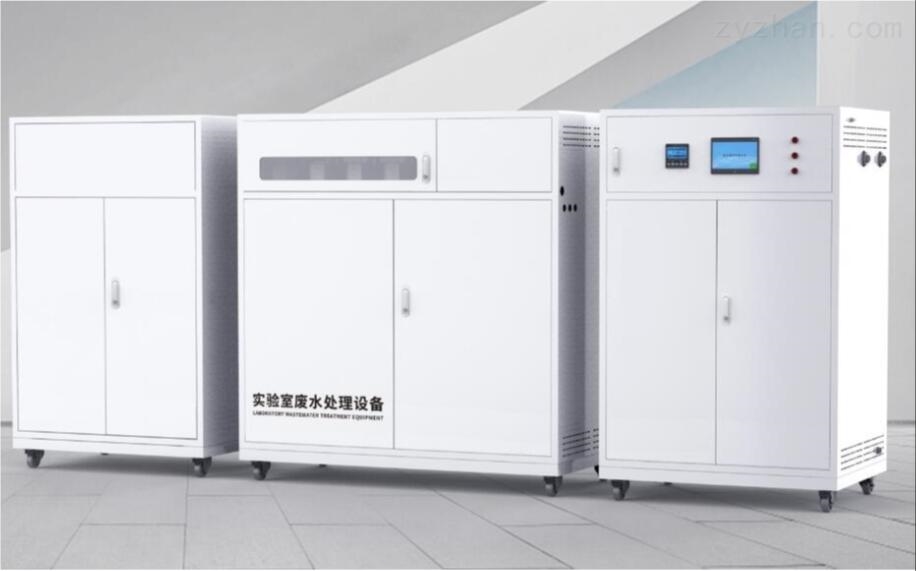
Process principle and characteristics of laboratory sewage treatment equipment
Date: 2025-09-18Read: 5
The laboratory sewage treatment equipment achieves wastewater purification through a multi-stage treatment process, which mainly includes the following technical steps:
1. Preprocessing stage
By using physical methods such as sieving and precipitation, large suspended particles and impurities can be removed to reduce the subsequent processing load. Some equipment uses chemical neutralization to adjust the pH value, creating suitable conditions for subsequent processing.
2. Core processing stage
Biological treatment: using microorganisms to degrade organic matter (such as activated sludge process, biofilm process), converting pollutants into harmless substances.
Chemical treatment: Decompose recalcitrant organic compounds through oxidants such as ozone and nanophotocatalysis, or remove heavy metals through ion exchange and adsorption.
Physical and chemical treatment: Combining filtration and membrane separation (such as reverse osmosis and ultrafiltration) technology to further purify water quality.
3. Deep processing and disinfection
Using ultraviolet, chlorine dioxide or ozone disinfection to kill pathogenic microorganisms and ensure the safety of effluent. Some devices are integrated with intelligent monitoring systems to adjust processing parameters in real-time.
Equipment features and advantages
1. Efficiency and pertinence
In response to the complex composition of laboratory wastewater (containing organic solvents, heavy metals, acid and alkali, etc.), a multi-stage process combination is adopted to achieve high treatment efficiency.
Cutting edge techniques such as nano zero valent iron and photocatalysis can efficiently remove trace pollutants.
2. Intelligence and automation
Equipped with IoT and AI control systems, automatically adjusting processing parameters and reducing manual intervention.
Modular design supports flexible expansion and adapts to different laboratory needs.
3. Environmental Protection and Economy
Integrated design saves space and operates with low energy consumption.
Some equipment can recycle water resources, reducing secondary pollution.
4. Safe and reliable
Multiple disinfection techniques ensure the safety of effluent, and some equipment has automatic protection functions.
Anti corrosion materials and sealed design prevent the leakage of harmful substances.
The laboratory sewage treatment equipment effectively solves the problem of wastewater pollution through the above processes and characteristics, and is widely used in scientific research, medical treatment, chemical industry and other fields.