-
E-mail
safooculture@126.com
-
Phone
13921516406
-
Address
No. 61 Huairen Road, Donggang Town, Xishan District, Wuxi City
Wuxi Saifu Safety Equipment Co., Ltd
Accident Warning | The Importance of Practical Application of Indoor Hazardous Chemical Storage Cabinets
Date: 2025-09-04Read: 10
The storage of hazardous chemicals is urgent and cannot be delayed

In industrial production, scientific research and experimentation, and many other industries, hazardous chemicals (hazardous chemicals) are a double-edged sword with both advantages and disadvantages. With their characteristics of flammability, explosiveness, toxicity, and corrosion, they provide key support for the promotion of various industries and the operation of social life. They are an important driving force for technological progress and industrial development. However, the hidden safety risks cannot be ignored. Even a slight negligence in storage and use can lead to major accidents such as fires, explosions, and poisoning, causing casualties, significant economic losses to enterprises, and long-term irreparable damage to the surrounding environment. Therefore, the safe and standardized storage of hazardous chemicals is a key issue that hazardous enterprises and units must seriously address.
Next, let's delve into indoor hazardous chemical storage cabinets and explore the important role they play in hazardous chemical safety management.
Accident Warning

A laboratory fire accident at a university in Hunan provinceOn October 10, 2011, a chemical laboratory at a university in Hunan Province caught fire due to improper storage of chemical reagents such as phosphorus oxychloride and ethyl cyanoacetate in a drug storage cabinet. The entire four story building was burned to ashes, and all the computers and materials in the laboratory were destroyed, resulting in a fire area of nearly 790 square meters and direct property losses of 429000 yuan.
cause of the accidentThere is water leakage on the west side of the laboratory control panel, and the self igniting reagents that come into contact with water are not stored in a safe location. The management of flammable materials that come into contact with moisture is not strict.
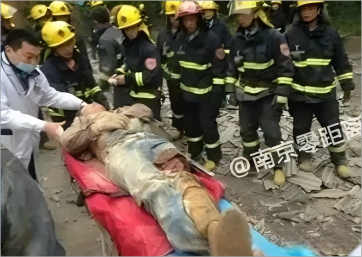
An explosion accident occurred during the dismantling of a laboratory at a university in NanjingOn the morning of April 30, 2013, at around 9:00 am, an accidental explosion occurred during the demolition and construction of an abandoned laboratory at a university in Nanjing. Two of the four workers on site were seriously injured, and two were lightly injured. One of the seriously injured personnel died despite hospital rescue efforts. Residents within a radius of several kilometers around the explosion felt a significant shock.
cause of the accidentThere is a certain amount of discarded chemicals and gas storage tanks in the abandoned chemical laboratory where the accident occurred. Demolition workers caught fire while cutting the gas storage tank, and then exploded while extinguishing the fire, resulting in the accident. The chemical properties of residual chemicals in the laboratory are unknown, and the specific name and residual amount of gas in the gas storage tank are also unknown. Processing in this state is a prerequisite for causing accidents.
From numerous chemical accidents, we are well aware of the significant importance of storing hazardous chemicals. In a laboratory demolition explosion accident at a university in Nanjing, abandoned chemicals and gas storage tanks were not properly disposed of, causing a fire and explosion when demolition workers cut them, resulting in casualties and surrounding impacts; A laboratory fire at a university in Hunan caused building damage and property damage due to improper storage of chemical reagents and potential water leakage hazards. These accident warnings indicate that if the storage of hazardous chemicals is neglected, not in compliance with regulations, and unclear about their characteristics, it is like planting a "timed bomb" that can cause serious accidents at any time.
Storage of hazardous chemicals, these red lines must not be touched:
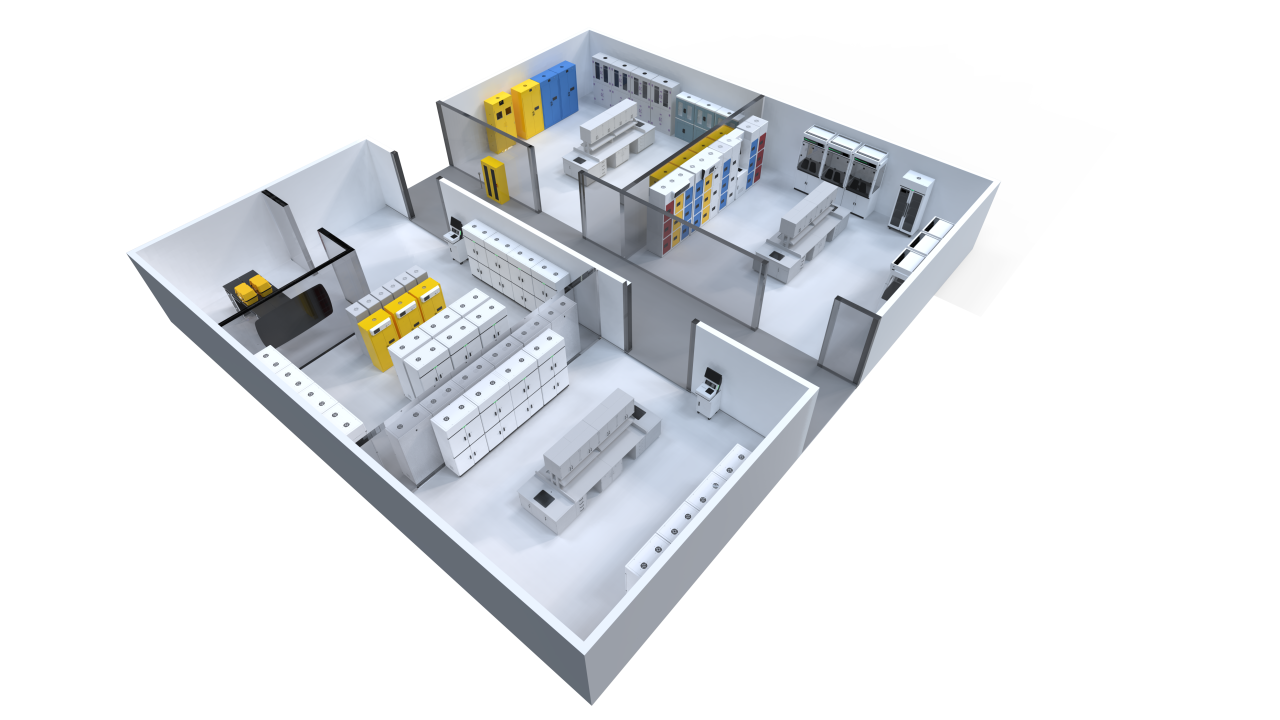
The taboo to mix is "high voltage lines":Strong acids and bases must be physically isolated. When oxidants come into contact with flammable materials, they become "powder kegs". Chemicals with conflicting properties must be stored in separate cabinets.
The container label is "lifeline":The name, concentration, date, and warning signs are indispensable. Containers with blurry handwriting and detached labels are dangerous "blind boxes".
Sealing failure is the "trigger":Is the reagent bottle cap not tightened? Is the packaging container not tightly sealed? The leakage of volatile, toxic and harmful substances often begins from here.
Excess storage is a 'powder magazine':Is the experimental bench or fume hood filled with reagents? Is the reagent cabinet severely overloaded? This is not only a violation, but also a major hidden danger.
Environmental runaway is a catalyst:Poor ventilation, uncontrolled temperature and humidity, lack of explosion-proof facilities... Environmental degradation can rapidly amplify risks.
Legal and regulatory requirements
Regulations on Safety Management of Chemical and Chemical Laboratories (T/CCSAS 005-2019):This specification specifies the relevant requirements for the storage capacity of hazardous chemicals.
Guidelines for Safety Management of Hazardous Chemical Cabinets in Industrial Enterprises (DB32/T 4293-2022):It is stipulated that the total amount of hazardous chemicals in a factory building or the same fire compartment where the indoor storage cabinet for hazardous chemicals is located shall not exceed the relevant provisions of GB 50016.
General rules for storage of commonly used hazardous chemicals (GB15603-1995):This is the national standard for storage regulations, which have detailed provisions for the storage of hazardous chemicals.
Safety Technical Requirements and Management Regulations for Hazardous Chemical Storage Cabinets (DB4403T79-2020):This is a local standard in Shenzhen that has specific requirements for the design, manufacturing, and use of hazardous chemical storage cabinets.
Key points of secure storage


Specialized facilities for classified storage
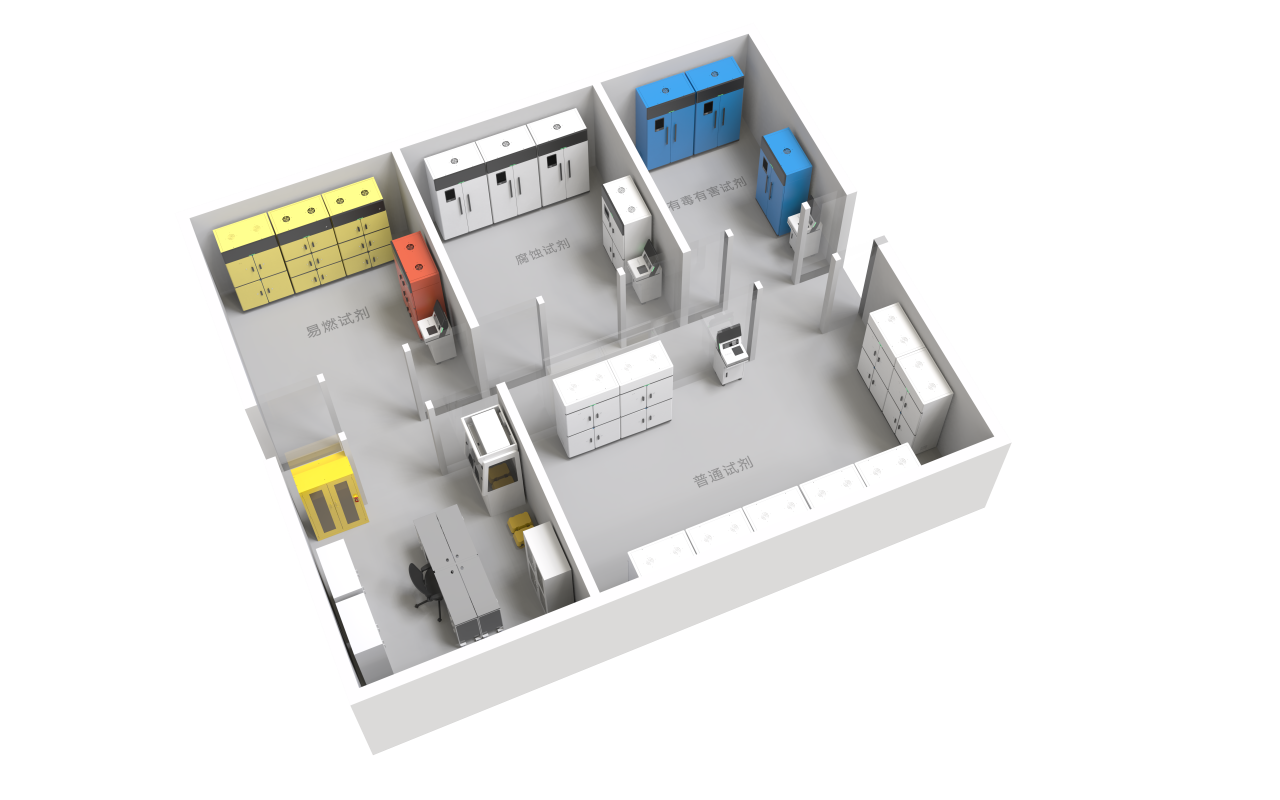
Hazardous chemicals have diverse properties, and classified storage is crucial. It can usually be classified into categories such as flammable materials, explosive materials, toxic substances, corrosive substances, oxidants, etc. Different categories need to be placed in dedicated areas or cabinets to avoid mutual reactions. Mixing oxidants with flammable materials can easily cause explosions. At the same time, the laboratory should be equipped with specialized storage facilities that meet safety standards, such as indoor hazardous chemical (liquid/solid) safety storage cabinets. This equipment is used to store chemicals, which are stored in separate warehouses, zones, and categories according to their characteristics. Chemicals that can react with each other should not be stored together, solid and liquid should not be placed in a disorderly manner, reagents should not be stacked, and reagent bottles containing reagents should not be placed with openings. The product design is based on customs and domestic and foreign fire safety regulations, in order to facilitate visual management of hazardous chemicals.
Storage environment controlThe storage environment of hazardous chemicals has a significant impact on their safety. The storage area should be well ventilated to reduce the concentration of volatile gases of hazardous chemicals and minimize the risk of poisoning and explosion. For some hazardous chemicals with special requirements for temperature and humidity, such as certain organic reagents that need to be stored at low temperatures, corresponding temperature control equipment should be equipped to ensure that the storage environment meets the requirements. In addition, the storage area should avoid direct sunlight to prevent the decomposition or explosion of hazardous chemicals caused by temperature rise.
Chemical limited storageReasonably control the storage amount of hazardous chemicals according to the actual usage needs of the laboratory, and avoid excessive storage. Excessive storage not only increases security risks, but also occupies a large amount of storage space. For some hazardous chemicals with large quantities but high risks, a small quantity and multiple purchases can be made to ensure that the storage capacity in the laboratory is always within a safe range. At the same time, regular inventory checks should be conducted on stored hazardous chemicals, and expired or deteriorated hazardous chemicals should be promptly cleared to prevent them from causing safety accidents.