-
E-mail
334656717@qq.com
-
Phone
13868817608
-
Address
No. 833 Xinbu Road, Rui'an Economic Development Zone, Zhejiang Province
Zhejiang Jiangnan Pharmaceutical Machinery Co., Ltd
Analysis of Equipment Composition for Ampoule Packaging Automatic Production Line
Date: 2025-07-24Read: 9
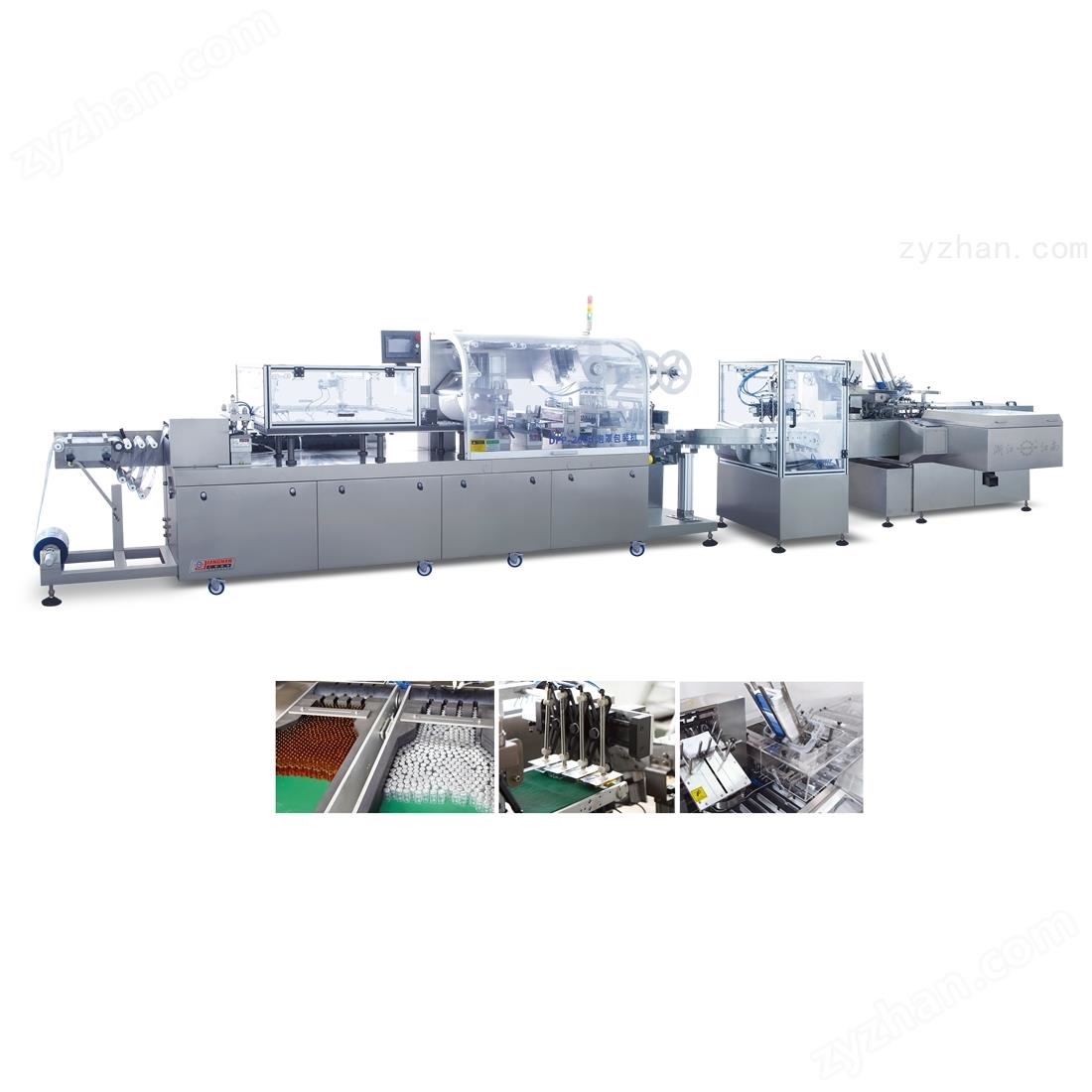
In industries such as pharmaceuticals,Ampoule bottle packaging automatic production lineImproved packaging efficiency and quality, ensuring product stability and safety. So, what equipment does such an efficient automated production line consist of?
Firstly, the conveying equipment for ampoules. It is responsible for orderly transfer of ampoules between various processes. Common ones include conveyor belts, which are usually made of food grade or medical grade rubber or plastic. The surface is flat and has a certain degree of friction, which can ensure stable placement of ampoules without scratching the bottle body due to excessive friction. The speed of the conveyor belt can be flexibly adjusted according to the production rhythm to ensure that the safety bottles can enter the next stage at a constant speed. At the same time, in order to accurately control the spacing between ampoules, some positioning devices such as baffles or photoelectric sensors will be equipped. By sensing the position of the ampoules, they can be stopped or released in a timely manner, so that the ampoules can accurately reach the corresponding workstation.
Cleaning equipment is a crucial step. Due to the strict sterile environment required for ampoules, they must be cleaned. Generally, there are ultrasonic cleaning machines that use high-frequency vibrations generated by ultrasound in water to quickly remove dirt, dust, and other impurities attached to the inner and outer walls of ampoules. There is also a spray cleaning machine that sprays cleaning solution onto ampoules through nozzles at multiple angles, thoroughly rinsing all parts of the bottle and removing residual substances. These cleaning equipment are usually paired with a purified water supply system to ensure the cleanliness of the cleaning water and avoid secondary pollution.
Filling equipment is one of the core components. It can accurately infuse medication into ampoules and can be flexibly adjusted according to different dosage requirements. High precision peristaltic pumps or piston filling machines are commonly used, which ensure that the amount of liquid in each ampoule meets the standard by precisely controlling the flow rate and filling time of the liquid, and the error is controlled within a very small range, such as within ± 1%, thereby ensuring the therapeutic effect and safety of the drug.
The sealing device immediately takes effect. Common ones include wire drawing sealing machines, which heat the neck of ampoules and then use mechanical structures to draw and seal the bottleneck, forming a tight seal to prevent liquid leakage and the entry of external air, microorganisms, etc. into the bottle. There is also a flame sealing machine that uses high-temperature flames to melt and seal the bottleneck. Its sealing effect is firm and the sealing is good, but the size and duration of the flame need to be strictly controlled during operation to avoid damaging the ampoule.
In addition, there are labeling equipment, coding equipment, and packaging molding equipment. The labeling equipment can accurately stick labels onto ampoules, indicating important information such as the name, specifications, and production date of the drug; The coding device further prints more detailed batch numbers, expiration dates, and other information on the bottle body or label for easy traceability and management; The packaging molding equipment will pack the filled, sealed, and labeled ampoules into paper boxes or plastic packaging in a certain quantity and arrangement, completing the final packaging process.
In short, the ampoule packaging automatic production line achieves a series of automated operations from ampoule transportation, cleaning, filling, sealing to packaging through the close cooperation of these different functional equipment, providing strong guarantees for efficient and standardized production in the pharmaceutical industry.