-
E-mail
417399865@qq.com
-
Phone
13663800518
-
Address
No. 36, Xianfu Street, Gongyi City, Henan Province
Zhengzhou Dufu Instrument Factory
Laboratory parallel reactors (exported to various places such as Hangzhou/Zhengzhou/Guangzhou/Suzhou)
Date: 2025-11-08Read: 47
1、 The principle of laboratory parallel reactor
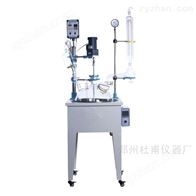
A laboratory parallel reactor is a device used for simultaneous reactions in multiple reaction systems. Its principle is to improve reaction efficiency by simultaneously conducting reactions in multiple reactors. This device usually consists of multiple reactors, temperature control systems, stirring systems, and reactant addition systems. Among them, multiple reactors can simultaneously carry out reactions in different reaction systems. The temperature control system can control the temperature of the reaction system, the stirring system can ensure uniform mixing of the reaction system, and the addition of reactants to the system can ensure that the reactants are added to the reaction system in a certain proportion.

2、 Application of laboratory parallel reactors
Laboratory parallel reactors are widely used in fields such as chemical reactions, catalytic reactions, and biological reactions. Its main advantage is that it can simultaneously carry out reactions in multiple reaction systems, thereby improving reaction efficiency and reducing experimental costs. In addition, laboratory parallel reactors can also be used for optimizing reaction conditions and screening reaction systems, providing more possibilities for chemical research. In chemical research, laboratory parallel reactors can be used for the synthesis of new compounds, optimization of reaction conditions, and screening of catalysts. In biological research, laboratory parallel reactors can be used for drug screening, enzyme catalyzed reactions, and other applications. In short, laboratory parallel reactors are one of the experimental equipment in chemical laboratories, and their applications have broad prospects in both chemical and biological fields.
3、 Experimental analysis of laboratory parallel reactors
Mixing control of parallel tanks
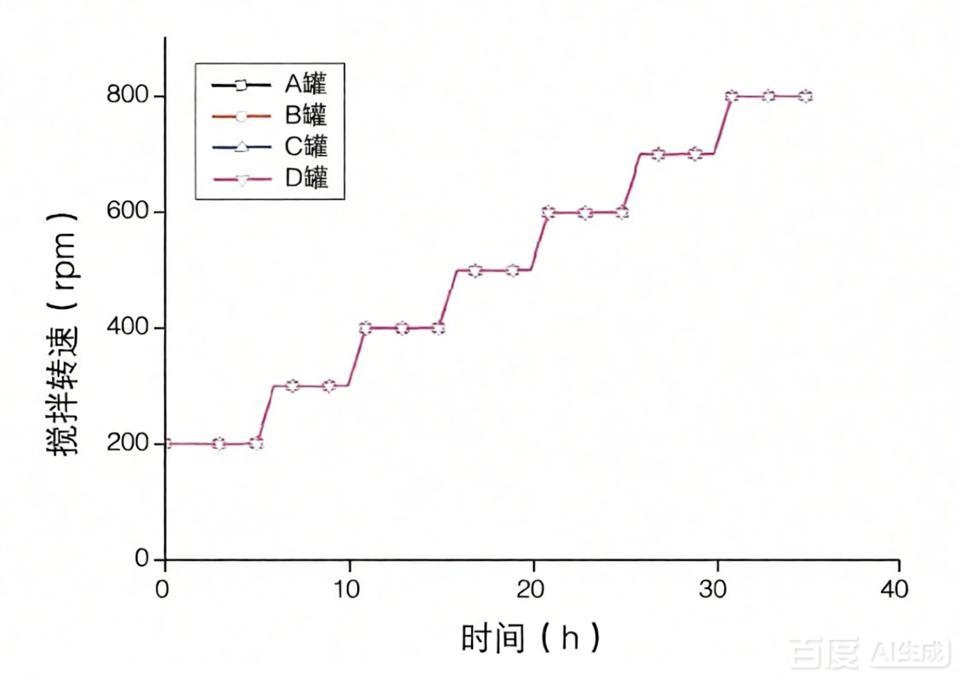
Mixing control characteristic curve of 500mL quadruple parallel tank
The oxygen supply capacity of the reactor is particularly important, and the volumetric oxygen transfer coefficient (KLa) is closely related to the stirring speed and blade shape. Therefore, stable control of the reactor stirring parameters is particularly important.
Set parameters for different speeds for testing, collect online stirring speeds using upper computer software, and measure actual speeds using a speedometer. In the case of long-term stirring work, the speed differences between four reactors were compared to analyze the parallelism of stirring control. The stirring speeds of the four tanks continued to work stably at different set values, and the differences in stirring control between the four reactors were small, providing a basic condition for subsequent parallelism cultivation.
Temperature control of parallel tanks
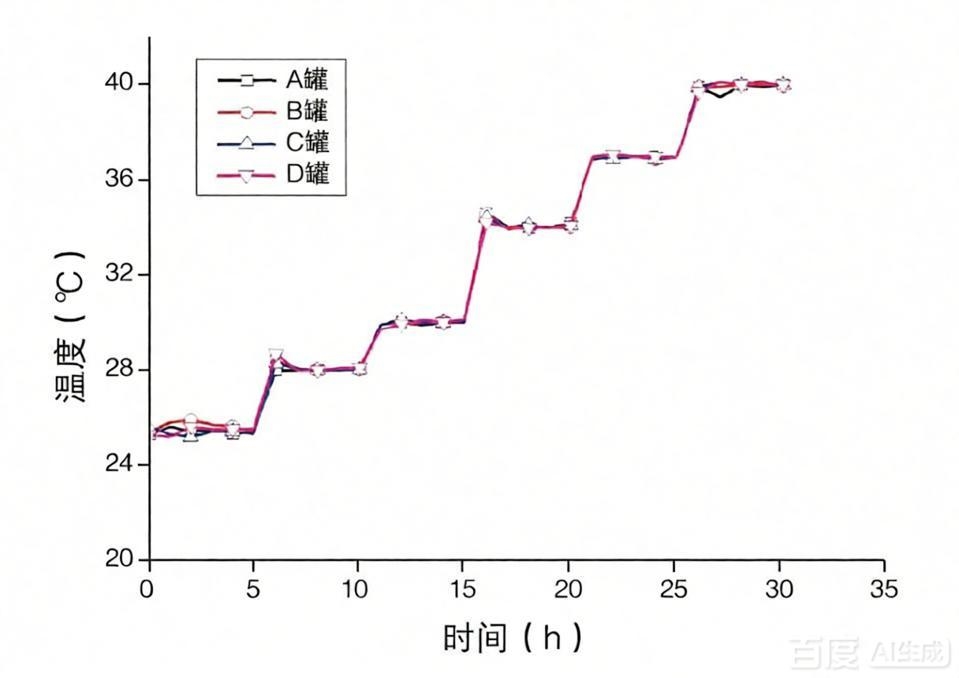
Temperature control characteristic curve of 500mL quadruple parallel tank
The growth and metabolic status of microorganisms are closely related to the ambient temperature, and the precise temperature control function and parallel ability of the system to achieve control are important indicators for evaluating the parallel cultivation of fermentation reactors.
After setting the temperature parameters, the temperature control system can quickly stabilize the temperature at the set value, and the temperature control performance of the reactor is good within the testing temperature range. After calculation, the maximum deviation of the six temperature control points from 25.0 ℃ to 40.0 ℃ is 2.0%, which is within the required deviation of 5.0%.
By comparing the temperature control parallelism between units A, B, C, and D in a 500mL parallel tank system, the experiment used the Least Significant Difference t-test (LSD-t), with P<0.05 indicating statistical significance and good parallelism.
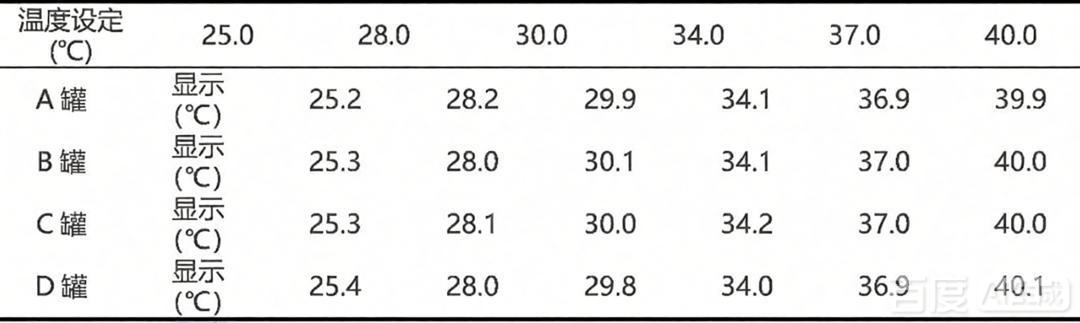
Temperature control parameters for 500mL quadruple parallel tank
Ventilation control of parallel tank associated dissolved oxygen
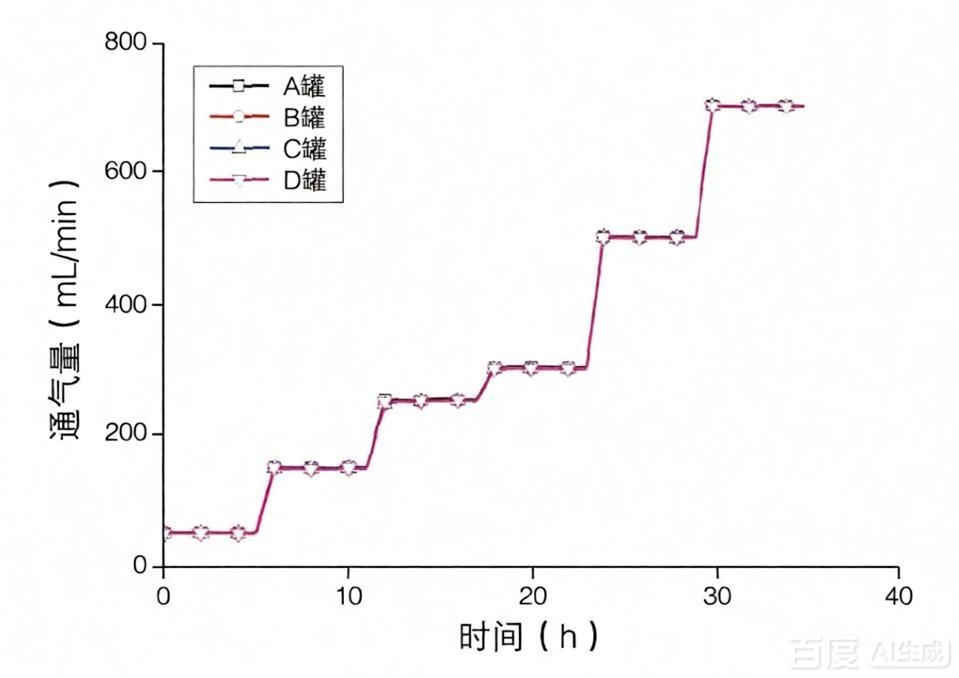
Ventilation flow control curve of 500mL quadruple parallel tank associated with DO
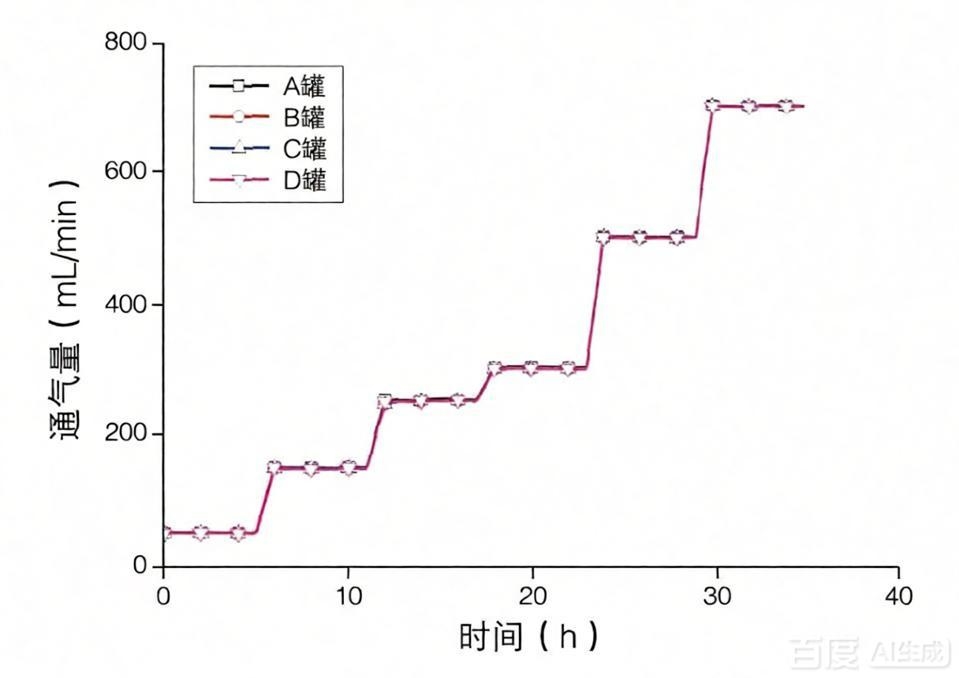
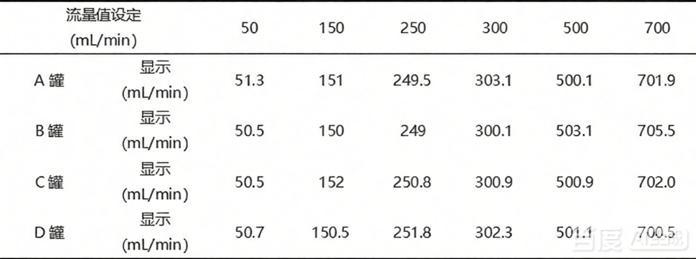
The stable dissolved oxygen (DO) range value maintained by parallel reactors depends on the precise gas path control module. Tested the gas mass flow control system (MFC), set different air and oxygen flow rates, and adjusted the tank pressure to stabilize at the same value. Comparing the measurement and control accuracy and the parallelism of the flow control system between the four tank group units, the difference in ventilation flow control between the four tanks was calculated and analyzed using LSD-t test. After calculation, the maximum deviation of different ventilation flow control points was 2.6%, indicating that the ventilation flow control system was better. LSD (when P<0.05) comparative analysis was conducted on the parallelism of ventilation flow control between the four tank units, and there was no significant difference in ventilation flow control between the four tank units, indicating good parallelism.
PH control of parallel tanks
PH control curve of 500mL quadruple parallel tank
The reactor adopts contact electrochemical sensors to control the pH range of the reaction process, equipped with Hamilton intelligent ARC pH electrodes, and can be correlated through specific ventilation strategies. When the electrode detects that the pH value of the fermentation broth deviates from the set range, it will be fed back to the upper computer control system, indirectly controlling the feeding system to automatically replenish alkali or acid. Set different pH values and test whether the pH feedback control system of the bioreactor meets the requirements. The 500mL quadruple bioreactor system has good feedback control within the pH range required for cultivating conventional microorganisms (pH=5.0~8.0).
For the oxygen supply capacity of a bioreactor, the oxygen transfer rate is a particularly important measurement parameter, OTR=KLa ·△ C. Among them, KLa is the volumetric oxygen transfer coefficient; △ C is the oxygen concentration gradient. The OTR in biological processes is influenced by the fluid dynamics conditions in the bioreactor, and varies depending on the type and scale of the bioreactor. Therefore, when using a 500mL reactor for fermentation cultivation, the type and scale of the reactor change, resulting in changes in fluid dynamics conditions. The cultivation conditions of conventional fermentation tanks are not suitable, and the fermentation condition parameters need to be adjusted to improve the oxygen supply capacity of the reactor.
Ventilation rate, stirring speed, and blade shape are important factors that affect the oxygen supply capacity of the reactor. Adjusting the ventilation rate and stirring speed are commonly used simple and effective methods for regulating oxygen supply.
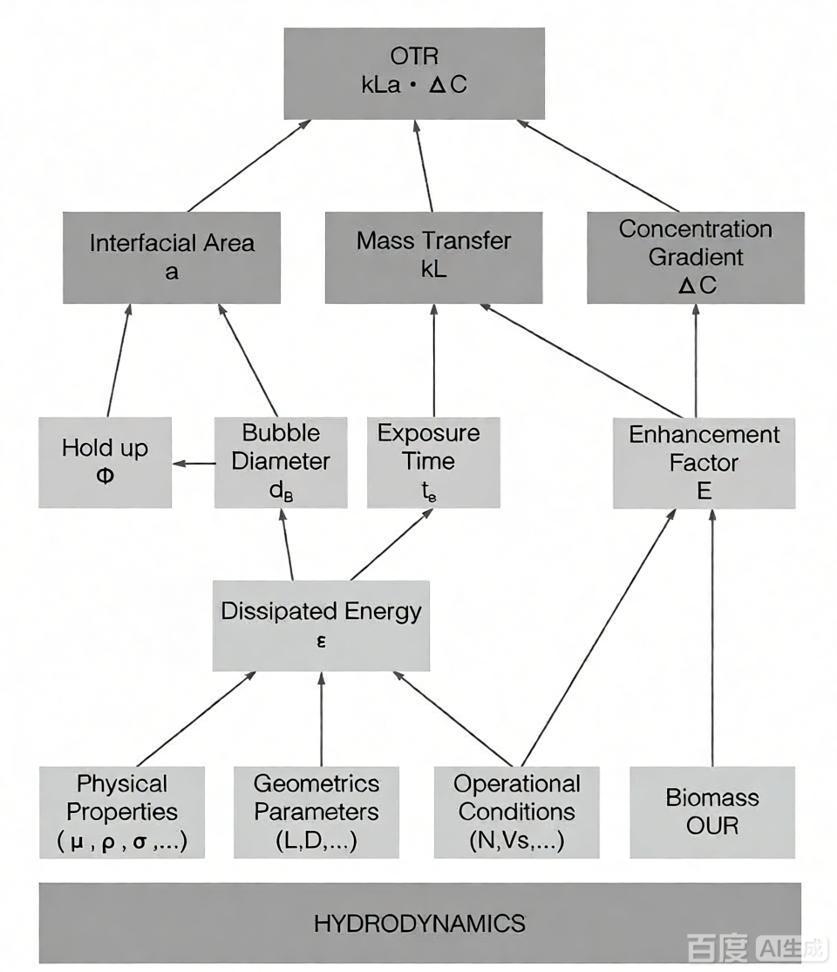
The relationship between parallel fermentation tank OTR and fluid dynamics parameters
Parallelism of parallel tank hot film cultivation
Use this reactor to batch culture and ferment the S288C strain, and analyze the culture parallelism between the four tanks.
Under the same cultivation conditions, the cell metabolism of the bacterial cells showed a consistent trend in tanks A, B, C, and D of the 500mL reactor, and the parallelism between different reactors in the quadruple tank was good. The offline parameters such as sugar consumption rate and bacterial biomass were quantitatively analyzed in combination with online parameters. During the exponential growth period, the changes in metabolic parameters showed a correlation with bacterial growth. During the entire fermentation process, without changing the aeration rate, the bacterial cells mainly undergo anaerobic fermentation in one growth stage, showing a synchronous increase in dry cell weight (DCW) and CER (see Figure 11). At this stage, oxygen utilization is low and DO fluctuations are small. When glucose is exhausted and fermentation stops entering the plateau stage, CER sharply decreases. After a brief period of platform adaptation, the bacterial cells begin to undergo secondary fermentation, exhibiting a secondary increase in DCW and CER. Comparative analysis shows that the substrate carbon source consumption rates are similar among the four tanks, and the fermentation cycle changes are the same. The macroscopic parameters have a good linear relationship and exhibit good parallelism.
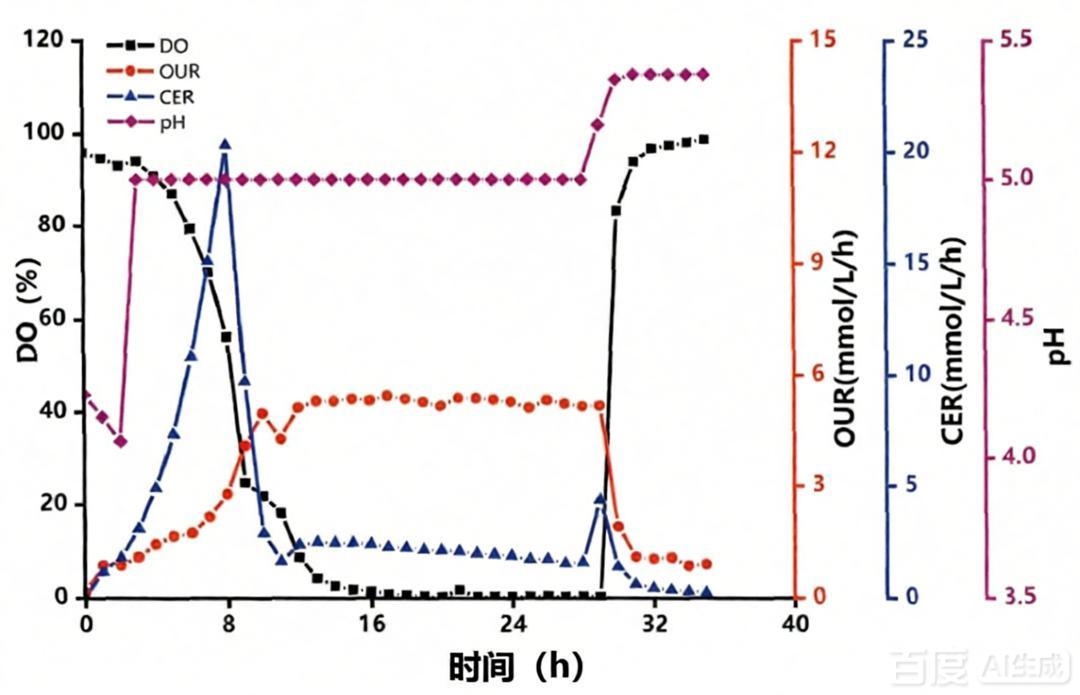
Macro parameters of strain fermentation culture in a 500mL parallel tank
Conclusion
With the rapid development of biopharmaceutical research and applications, there is an urgent need for process testing bioreactor platforms to bridge the gap between the availability of genetic and cell engineering strains and the quantitative characterization of strain metabolic characteristics under cultivation process conditions, achieving rapid quantitative characterization of strain physiological metabolic characteristics and optimization of cultivation processes. This article provides a comprehensive evaluation and optimization of the oxygen supply capacity of the independently developed 500mL quadruple parallel bioreactor system, laying the foundation for the subsequent analysis of metabolic characteristic parameters of microbial communities and cell lines.
Under the cold model parameter control experiment of a 500mL quadruple bioreactor, its performance was analyzed and evaluated. After comparison and calculation, the maximum deviation of the pH, temperature, speed, and ventilation rate control modules of the 500mL parallel tank at different parameter settings was within the 5% deviation requirement. According to LSD-t parameterization test calculation, there is no significant difference between the four reaction tank units, and the cold model parameter control of the reactor meets the control requirements and has good overall parallelism.
The experimental results of the strain in a 500mL bioreactor showed good repeatability and parallelism, which can accurately characterize the macroscopic characteristic parameters of the bacterial fermentation process. From traditional unit operations to systematic engineering, from macro to micro, the current research aims to infiltrate and integrate with various high-tech fields to form edge technology science. With the deepening development of biotechnology research, it is of great significance to explore from an engineering perspective, from macroscopic experience description to microscopic essential understanding, in order to lay a solid foundation for constructing a process testing and analysis platform that combines macroscopic and microscopic aspects. This is of great significance for process optimization and scaling up.