-
E-mail
1286489081@qq.com
-
Phone
15003823299
-
Address
A02 Building, Aux Industrial Park, Xuchang Road, Shangjie District, Zhengzhou City
Zhengzhou Haiqi Instrument Technology Co., Ltd
Wide application of single-layer glass reaction kettle
Date: 2025-08-20Read: 4
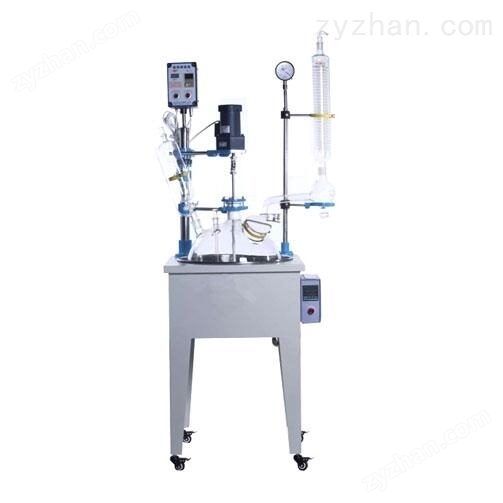
Single layer glass reactors are widely used in multiple industries due to their excellent corrosion resistance, thermal stability, and ease of operation, providing efficient experimental and production solutions.
1. In the field of chemical synthesis, it is commonly used for organic synthesis, drug synthesis, and dye synthesis, providing a controllable and transparent environment for the reaction process, suitable for laboratory and small-scale production needs.
2. Bioengineering applications: supporting cell culture, enzyme reactions, and fermentation processes, its good transparency facilitates real-time observation of reaction dynamics by researchers, ensuring experimental accuracy.
3. Food Industry and Environmental Engineering: Used for quality control and safety monitoring in food processing, while also treating wastewater or waste gas in the field of environmental protection to ensure efficient and environmentally friendly processes.
4. New Materials and Fine Chemicals: Applied to the synthesis of high-performance composite materials and fiber functional materials, meeting the precision needs of fields such as national defense, aerospace, and electronics.
5. Other industrial sectors, including petrochemicals, metallurgy, pharmaceuticals, and coatings, ensure product quality and safety through precise temperature control and mixing systems.
In the future, with the development of technology, single-layer glass reactors will further optimize their design, improve temperature control accuracy and energy-saving performance, and expand into more emerging fields.
Last Article: Process principle of double-layer glass reactor