-
E-mail
2952667958@qq.com
-
Phone
13912479193
-
Address
No. 55 Hanlin Road, Xishan District, Wuxi City, Jiangsu Province
Product Categories
Wuxi Guanya Constant Temperature Refrigeration Technology Co., Ltd

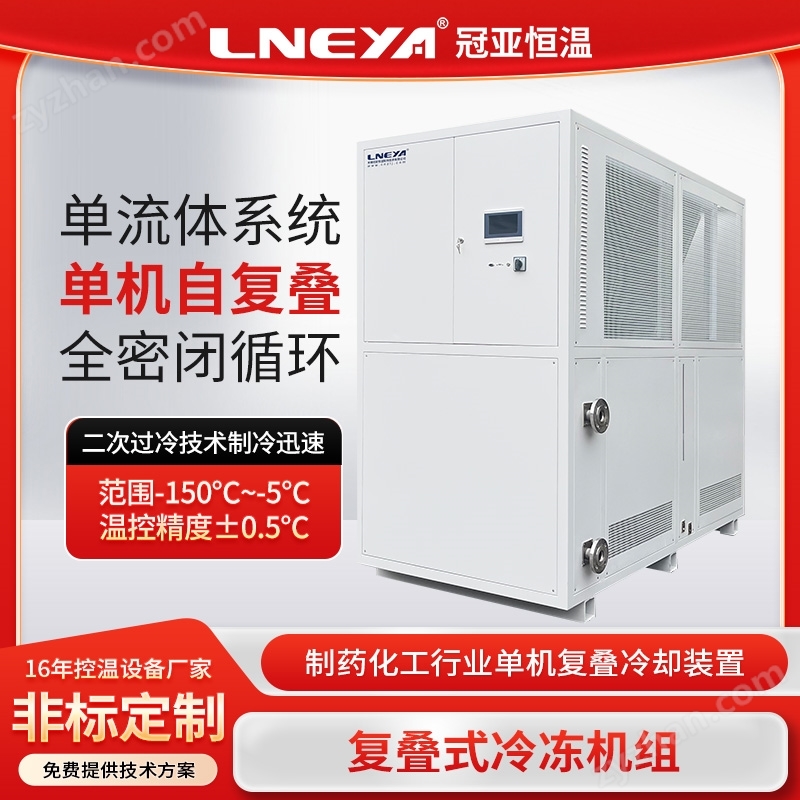

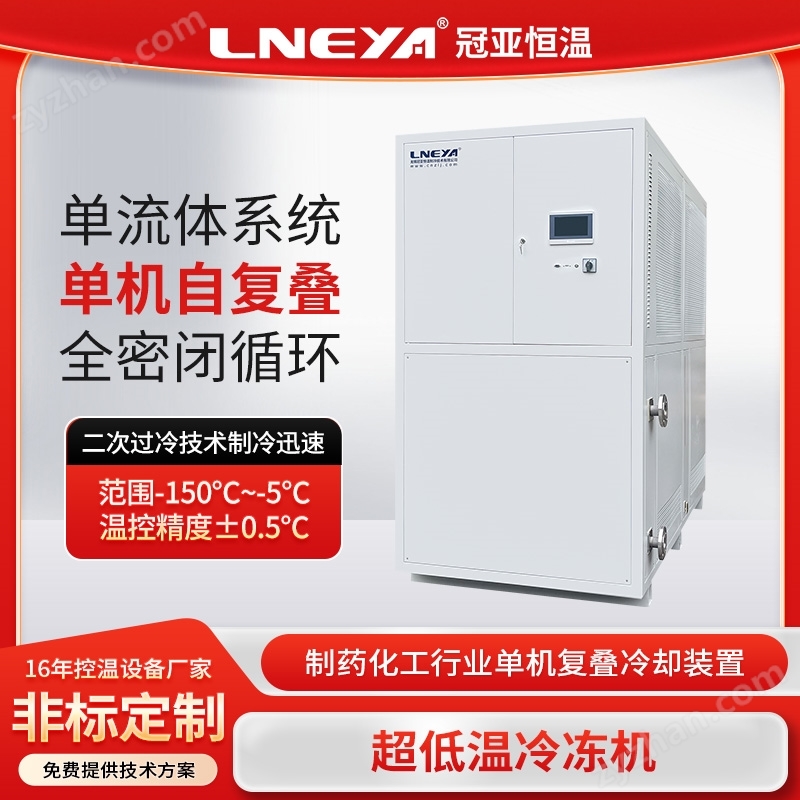

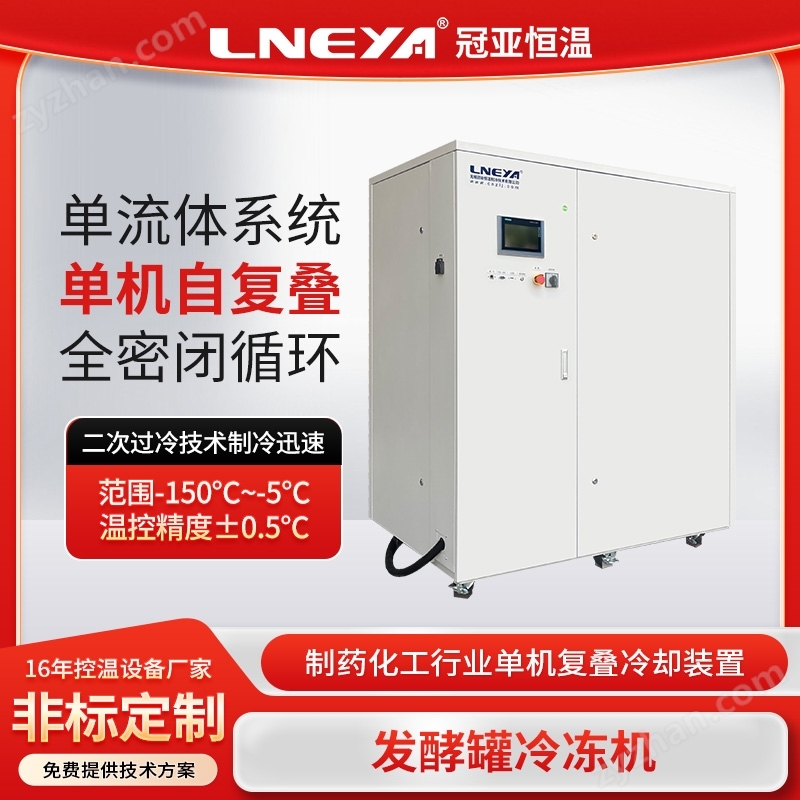
-60 industrial low-temperature freezer - low-temperature ice water machine
NegotiableUpdate on 01/05
- Model
- Nature of the Manufacturer
- Producers
- Product Category
- Place of Origin
Overview
【 Wuxi Guanya 】 LT series freezer (refrigeration cycle chiller) temperature range -80 ℃~30 ℃, temperature control accuracy of 0.5 ℃, secondary supercooling technology, rapid refrigeration; Adopting brand semi closed piston compressors, semi closed piston two-stage compressors, semi closed screw compressors, -60 industrial low-temperature freezers - low-temperature ice water machines
Product Details

Guanya Refrigeration - Low Temperature Refrigerator (Supporting Non Standard Customization)
The medium-sized single fluid low-temperature freezer produced by Wuxi Guanya Constant Temperature Refrigeration Technology Co., Ltd,
The cooling temperature range is from -100 ℃ to -5 ℃, with fast cooling speed,
Used for rapid cooling of liquids,
Widely used in industries such as petrochemicals, pharmaceuticals, biochemistry, freeze-drying, pharmaceuticals, etc


-60 industrial low-temperature freezer - low-temperature ice water machine
-60 industrial low-temperature freezer - low-temperature ice water machine
Industrial oil cooler is one of the core cooling equipment in the mechanical processing industry, which uses lubricating oil circulation to dissipate heat from high-speed operating components. Its application standards and maintenance specifications directly affect the use and processing quality of the equipment. Following scientific application and maintenance guidelines, it can ensure the stable operation of the oil cooler and provide continuous and reliable cooling support for mechanical processing.
2、 Operation and maintenance specifications for industrial oil coolers
(1) Daily inspection standards
Check the operation status of the oil cooler daily, including the operation of the fan, the sealing of the pipeline, and whether the oil temperature and pressure display are normal. If any abnormalities such as dripping or abnormal noise are found, stop the machine in a timely manner for troubleshooting. Regularly clean the surface of the equipment and the radiator of dust and debris to avoid blockages that may affect heat dissipation; Check the status of the filter, replace the clogged filter element in a timely manner, and ensure smooth oil flow.
(2) Regular maintenance standards
Replace the cooling oil according to the equipment manual cycle, and clean the oil tank and pipelines to remove internal oil sludge and impurities; Check the wear and tear of vulnerable components such as oil pumps and seals, and replace them promptly in case of aging or damage. Regularly verify the accuracy of temperature and pressure sensors to ensure accurate monitoring data; Perform insulation inspection on electrical circuits to prevent faults caused by circuit aging.
(3) Fault Handling Standards
When the cooling effect decreases, priority should be given to checking for radiator blockage, insufficient oil volume, or oil deterioration issues; Immediate shutdown is required in case of pipeline leakage, replacement of seals, and inspection of pipeline corrosion. Fault handling requires recording the problem phenomenon, handling process, and replacement part information, establishing operation and maintenance files, providing reference for subsequent maintenance, and avoiding the recurrence of similar faults.
Industrial oil coolers must strictly follow application standards such as working condition adaptation, installation environment, and operating parameters, and cooperate with daily inspections, regular maintenance, and standardized fault handling in order to fully exert their cooling effect. Standardized application and operation are key links in ensuring the stable operation of mechanical processing equipment and improving production continuity.

Similar Product Recommend