-
Phone
133-5511-0836
-
Address
No. 9, Win Win Road, Shuyuan Industrial Park, Qufu City, Jining City, Shandong Province
Product Categories
Shandong Xinjiaqiang Machinery Equipment Co., Ltd

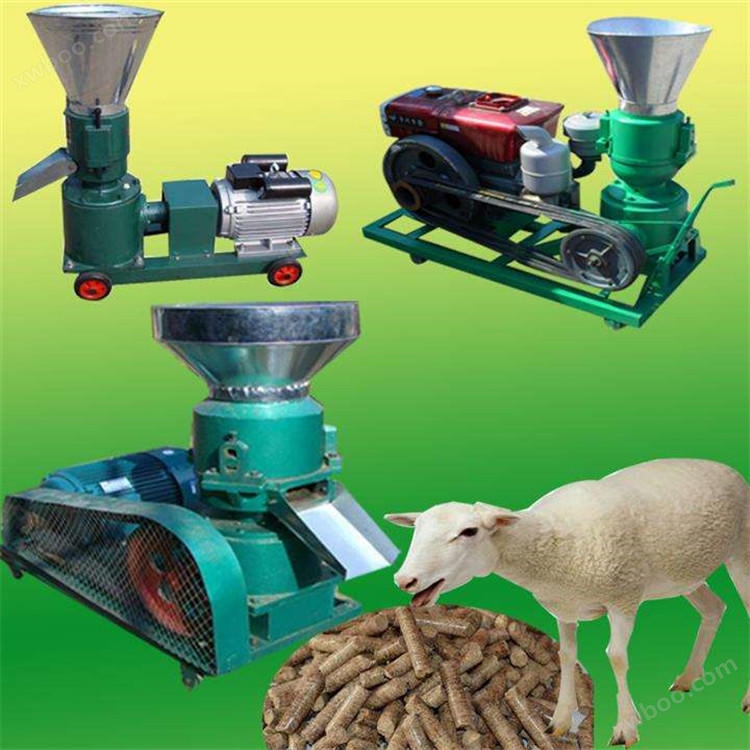
Chicken, duck, cow, and sheep feed pellet machine, directly supplied by Xinjiaqiang manufacturer for breeding straw feed pellet machine
NegotiableUpdate on 01/06
- Model
- Nature of the Manufacturer
- Producers
- Product Category
- Place of Origin
Overview
Chicken, duck, cow, and sheep feed pellet machine, directly supplied by Xinjiaqiang manufacturer for breeding straw feed pellet machine
Product Details


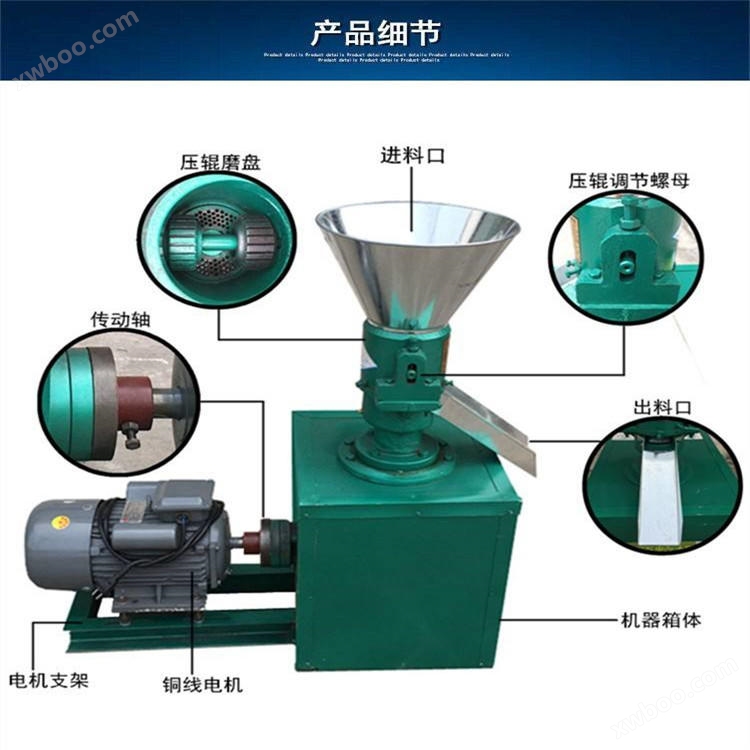
Feed pellet machine (also known as pellet feed machine, feed pellet machine, pellet feed forming machine) belongs to feed pellet equipment. It is a feed processing machinery that uses corn, soybean meal, straw, grass, rice husk and other raw materials as raw materials, and directly presses them into pellets after crushing the raw materials.
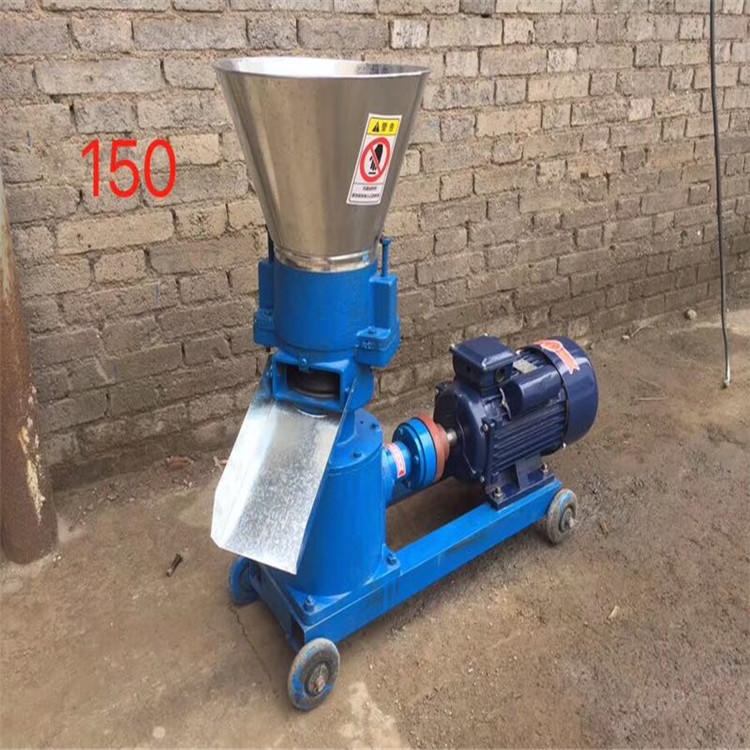

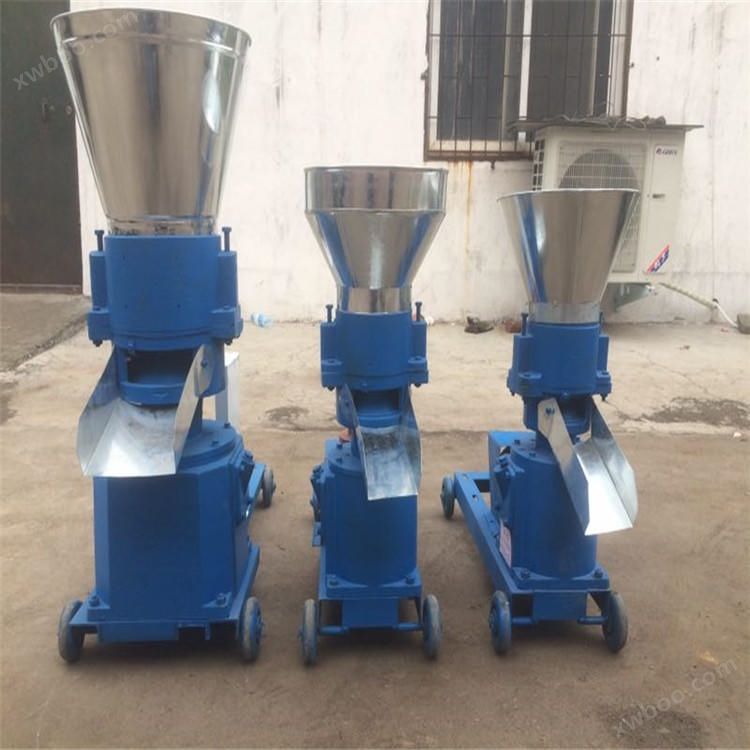
Scope of use:
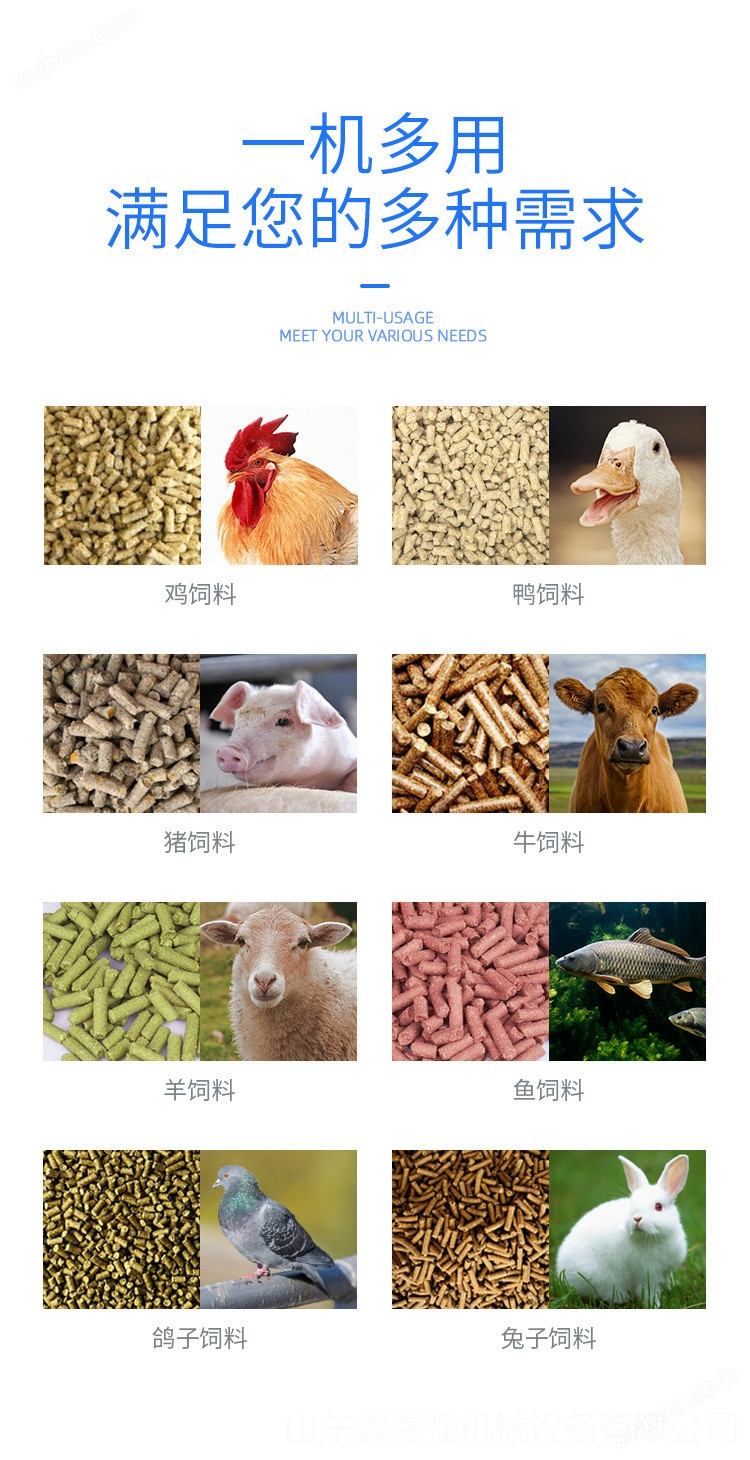
The feed pellet machine is widely used in large, medium, and small aquaculture, grain and feed processing plants, livestock farms, poultry farms, individual farmers, and small and medium-sized farms. It is also used by farmers or large, medium, and small feed processing plants.
Key Features:
1. Simple structure, wide adaptability, small footprint, and low noise.
2. Powdered feed and grass powder can be granulated without the need for or with a small amount of liquid addition, so the moisture content of pellet feed is basically the same as that of the material before granulation, which is more conducive to storage.
3. Chickens, ducks, fish, etc. can achieve higher economic benefits than mixed powdered feed.
4. Dry material processing produces feed pellets with high hardness, smooth surface, and internal maturation, which can improve the digestion and absorption of nutrients.
5. The process of particle formation can cause denaturation of trypsin resistance factors in grains and beans, reducing adverse effects on digestion, killing various parasitic eggs and other pathogenic microorganisms, and reducing various parasitic and digestive system diseases.
Similar Product Recommend