-
Phone
1585425488618669720001
-
Address
No. 100 Zhoukou Road, Sifang District, Qingdao City
Product Categories
- Commercial and household water purification equipment
- Medical water purification equipment
- General laboratory instruments
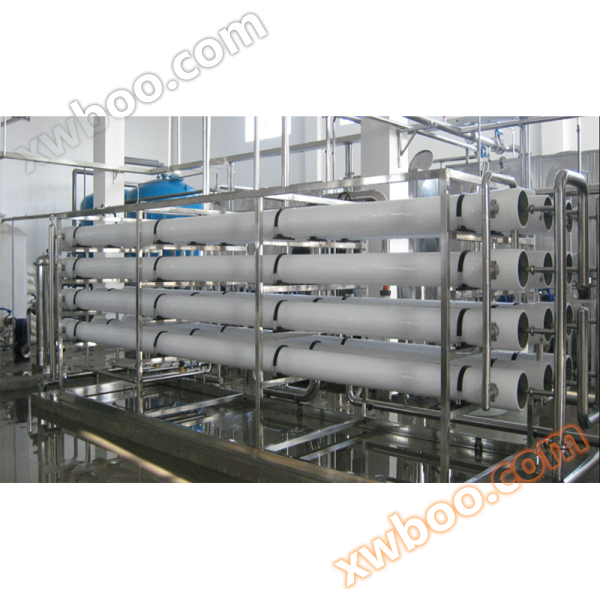
- membrane separation equipment
- Laboratory freeze dryer
- Industrial water purification equipment
- Ultrasonic Cleaning Machine
- Trace cleaning system
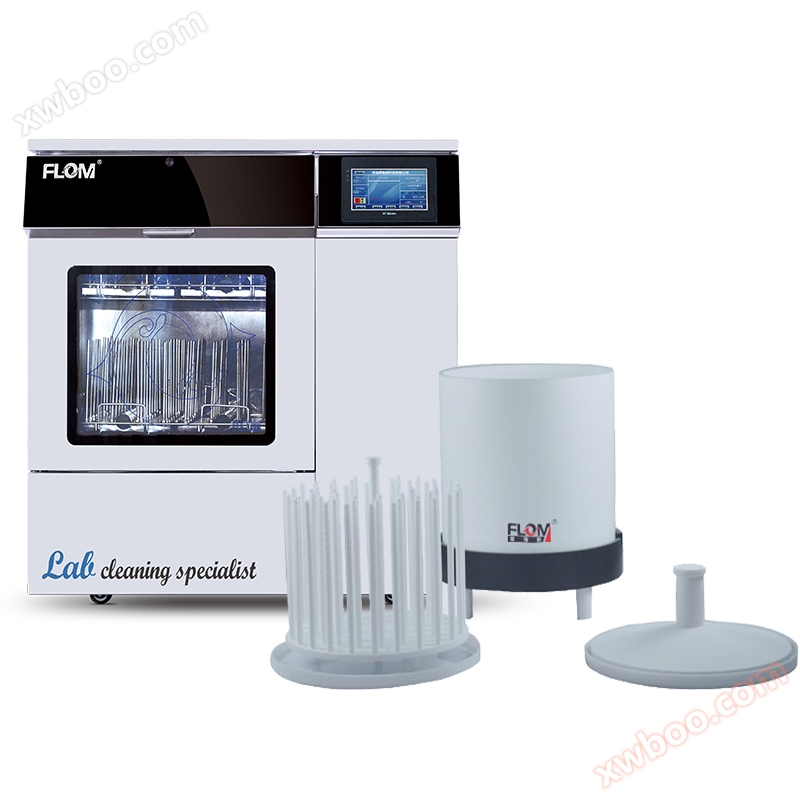
- Fully automatic glassware cleaning machine
- Comprehensive wastewater treatment equipment
- Ultrapure Water Polishing System
Qingdao Fulham Technology Co., Ltd

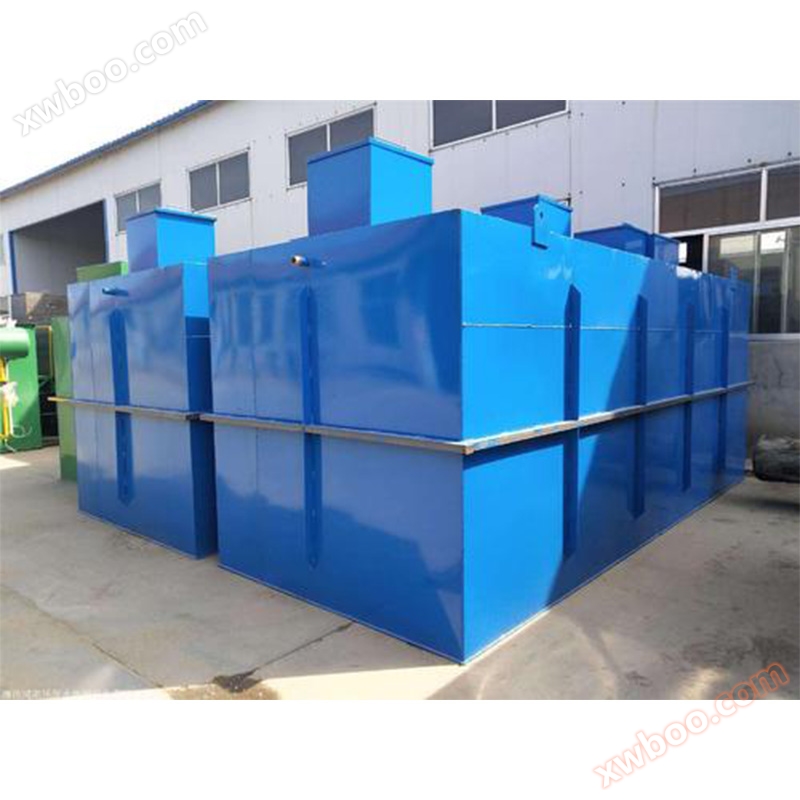
FLOM - Hospital Sewage Treatment Equipment
NegotiableUpdate on 06/29
- Model
- Nature of the Manufacturer
- Producers
- Product Category
- Place of Origin
Overview
The comprehensive water quality of hospital sewage is similar to that of domestic sewage, but its chemical composition is more complex than that of domestic sewage. Because its per capita discharge is greater than that of domestic sewage, its CODcr and BOD5 are higher. The indicators are generally lower than those of urban domestic sewage, and the content of bacteria and fecal Escherichia coli is similar to that of domestic sewage. However, due to the large amount of disinfectant used in hospitals and various departments such as laboratory, testing, inspection, and surgery, the composition of their sewage also contains heavy metals, organic solvents, disinfectants, and other substances. Therefore, full attention must be paid to the treatment of hospital sewage.
Product Details
Sources and main pollutants of hospital sewage
From the functions, facilities, and personnel composition of various departments in the hospital, it can be seen that the discharge of hospital sewage is much more complex than that of general domestic sewage. The amount of wastewater discharged by different departments varies in terms of its composition. The main departments that discharge sewage in hospitals include: diagnosis and treatment rooms, laboratories, wards, laundry rooms, X-ray photography and printing, radiology departments, animal rooms, isotope therapy, operating rooms, etc; Domestic sewage discharged by hospital administrative departments and medical staff.
Through testing and research on hospital wastewater, one of the main pollutants in hospital wastewater is pathogenic microorganisms; The second is toxic and harmful physical and chemical pollutants.
Principles of Hospital Sewage Treatment
1. Special attention should be paid to preventing the discharge of infectious disease pathogens and environmental pollution.
2. Wastewater and waste liquids containing certain toxic and harmful chemicals should be collected separately as much as possible.
3. Wastewater containing radioactive substances is first subjected to decay treatment in a decay tank before being discharged into a comprehensive sewage treatment system.
4. The comprehensive sewage from hospitals should be treated according to different requirements based on its discharge direction, and can only be discharged to the outside after meeting the discharge standards.
5. Comprehensively consider the basic requirements for standardized discharge of sewage from comprehensive hospitals and infectious bacteria rooms, while strengthening risk control awareness, and improving the ability to deal with construction emergencies from the aspects of process technology, engineering construction, and supervision and management.
Hospital sewage treatment process
When choosing a sewage treatment process, the actual effect of the treatment process should be considered first, combined with the actual situation. Firstly, it is necessary to ensure that the removal efficiency of the treatment process meets the requirements of sewage treatment discharge, and to ensure that the effluent quality of the sewage treatment plant meets the standards. In accordance with the requirements of the "Discharge Standards for Water Pollutants in Medical Institutions" (GB18466-2005), hospital wastewater has high requirements for disinfection processes, and must undergo disinfection treatment to meet standards before being discharged.
When choosing a sewage treatment process, the maturity, reliability, and stability of the process should also be considered. Under the premise of ensuring compliance, the economic indicators of the process should be considered. Optimal processes such as low investment, low operating costs, minimal land occupation, short process flow, and convenient operation management.
Similar Product Recommend