-
E-mail
2109676989@qq.com
-
Phone
15961853932
-
Address
No.1 Zhangjingjingshi Road, Xibei Town, Xishan District, Wuxi City
Product Categories
Wuxi Shenyu Environmental Protection Equipment Co., Ltd


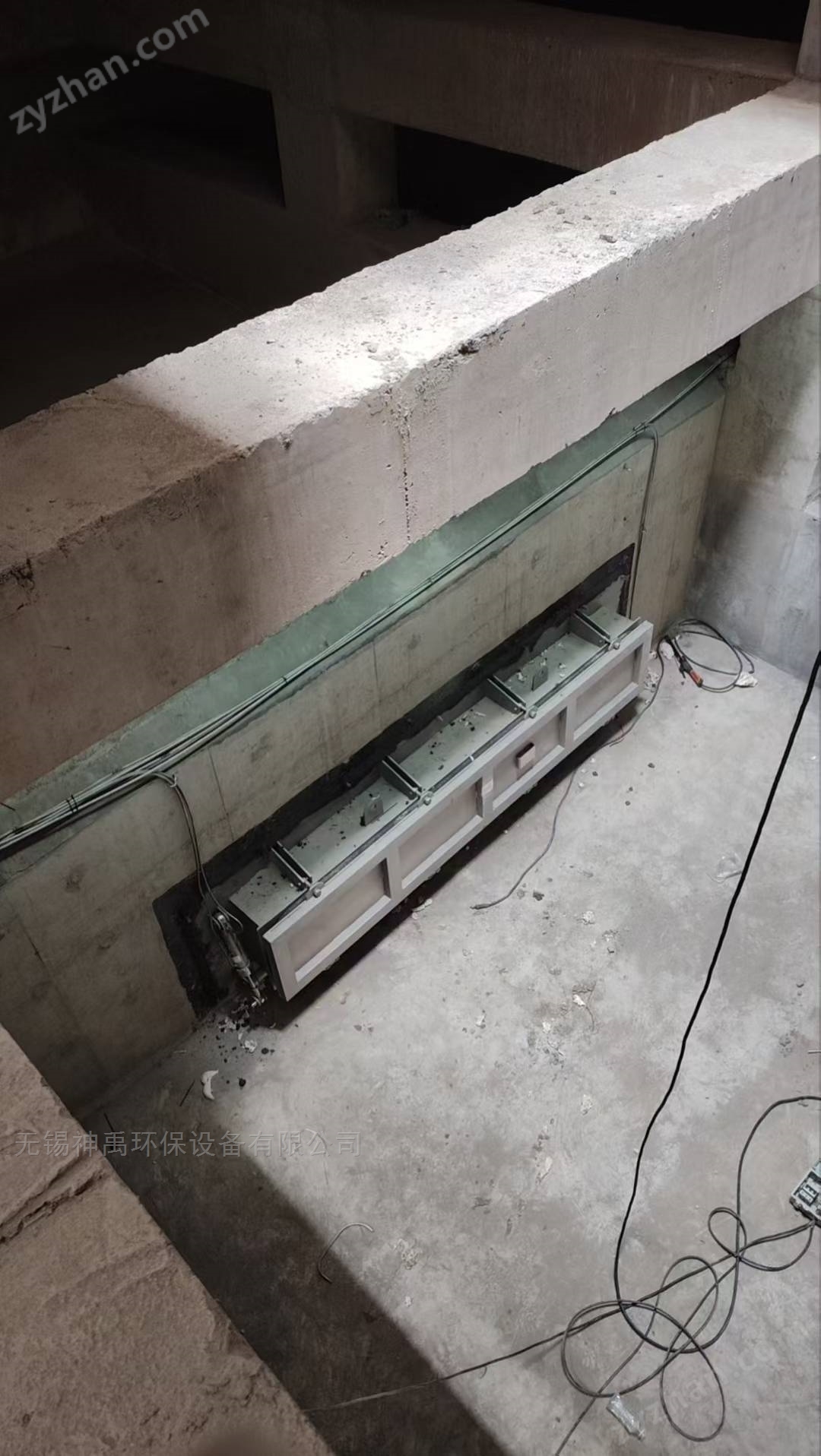
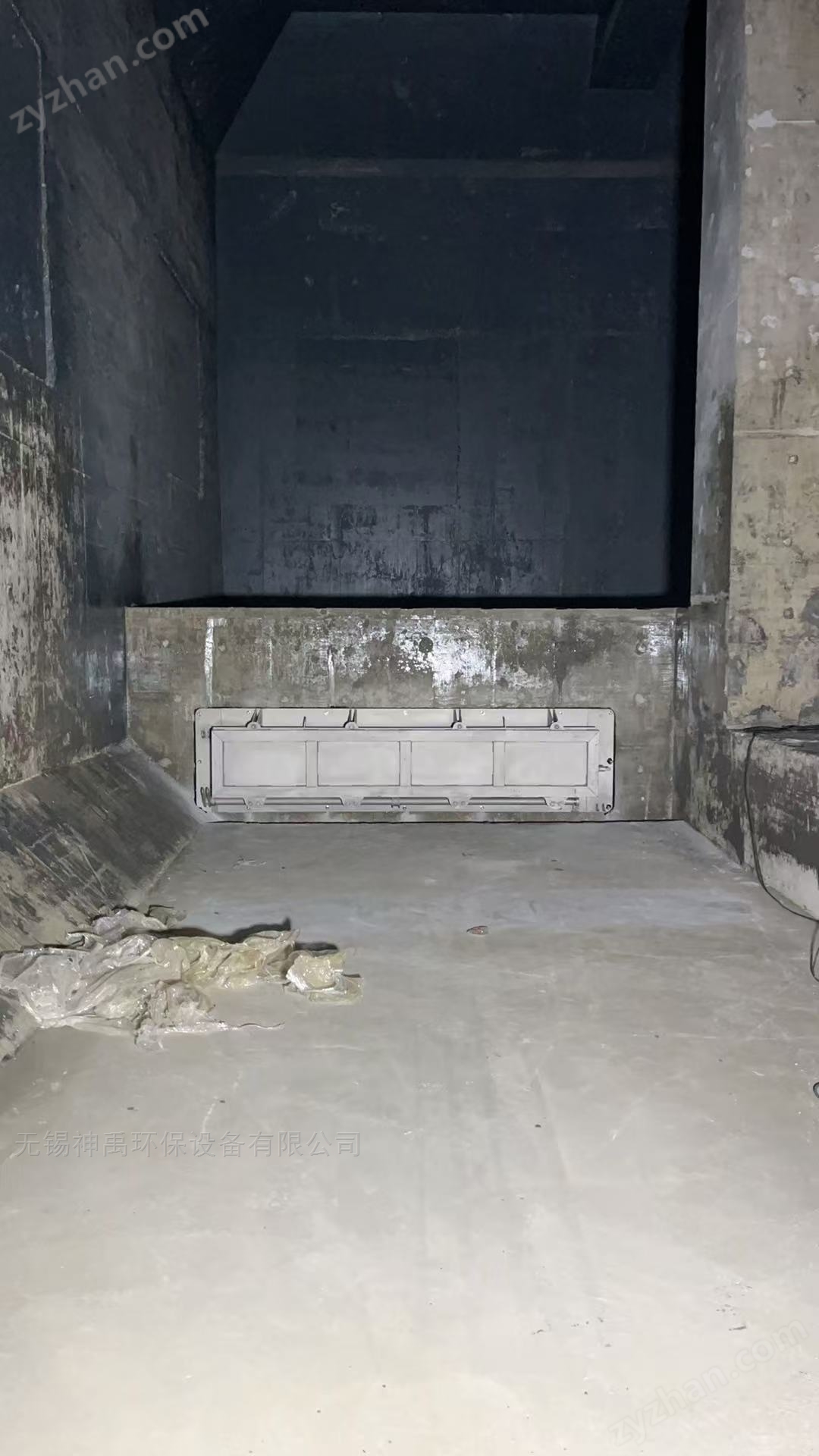
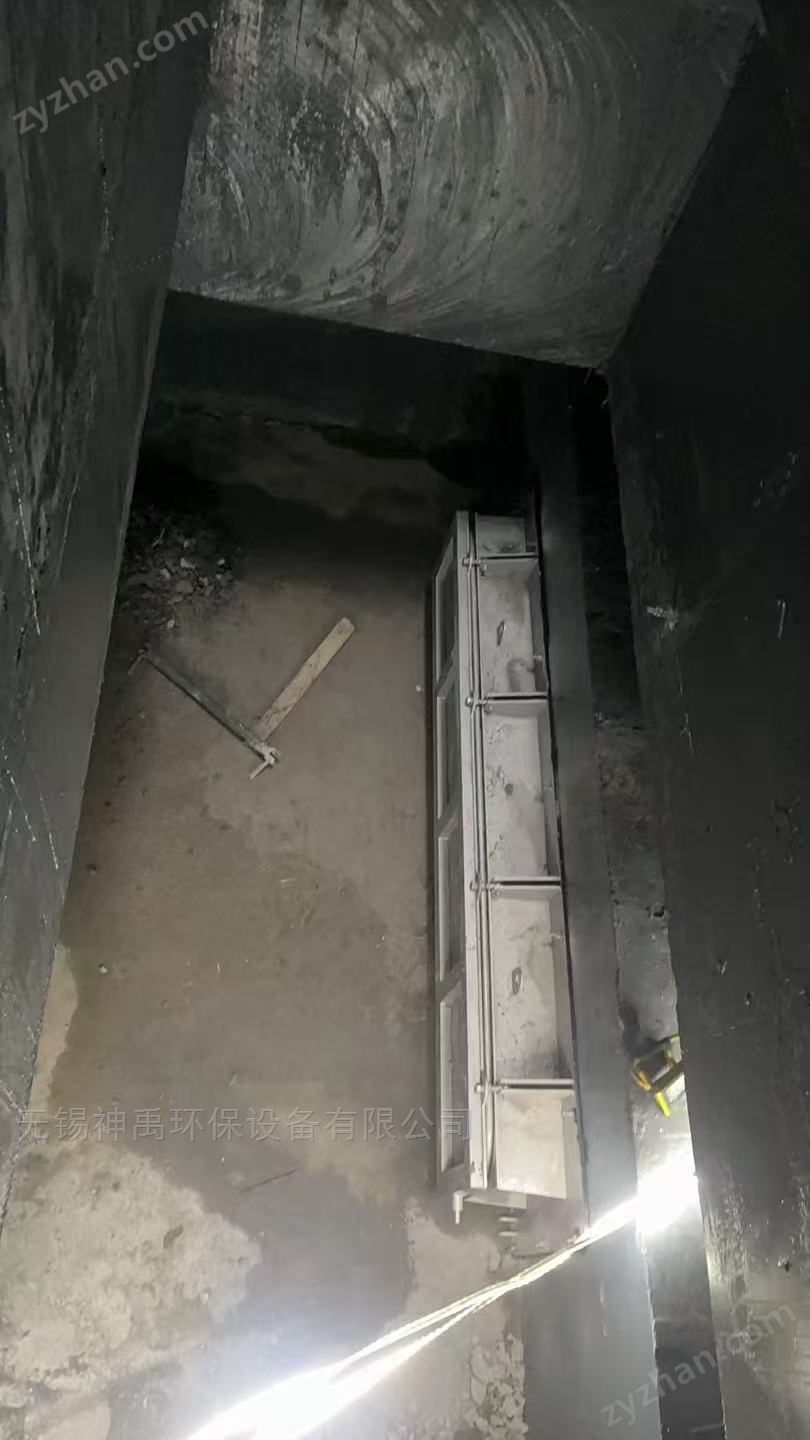
Installation site of flushing door for Shanghai Huamu storage tank
NegotiableUpdate on 01/05
- Model
- Nature of the Manufacturer
- Producers
- Product Category
- Place of Origin
Overview
The working principle of the hydraulic flushing door at the installation site of the Shanghai Huamu storage tank flushing door is relatively simple but efficient. When the storage tank needs to be flushed, the control system sends a command, and the hydraulic cylinder starts working, pushing the door slowly to open. At this point, the stored water in the regulating tank rapidly flows out under the action of gravity, forming a strong water flow impact force that washes away the sediment at the bottom of the tank. After flushing is completed, the hydraulic cylinder moves in reverse, the door closes, and the regulating reservoir returns to normal operation. The entire process is highly automated, without the need for manual intervention, greatly reducing operation and maintenance costs.
Product Details
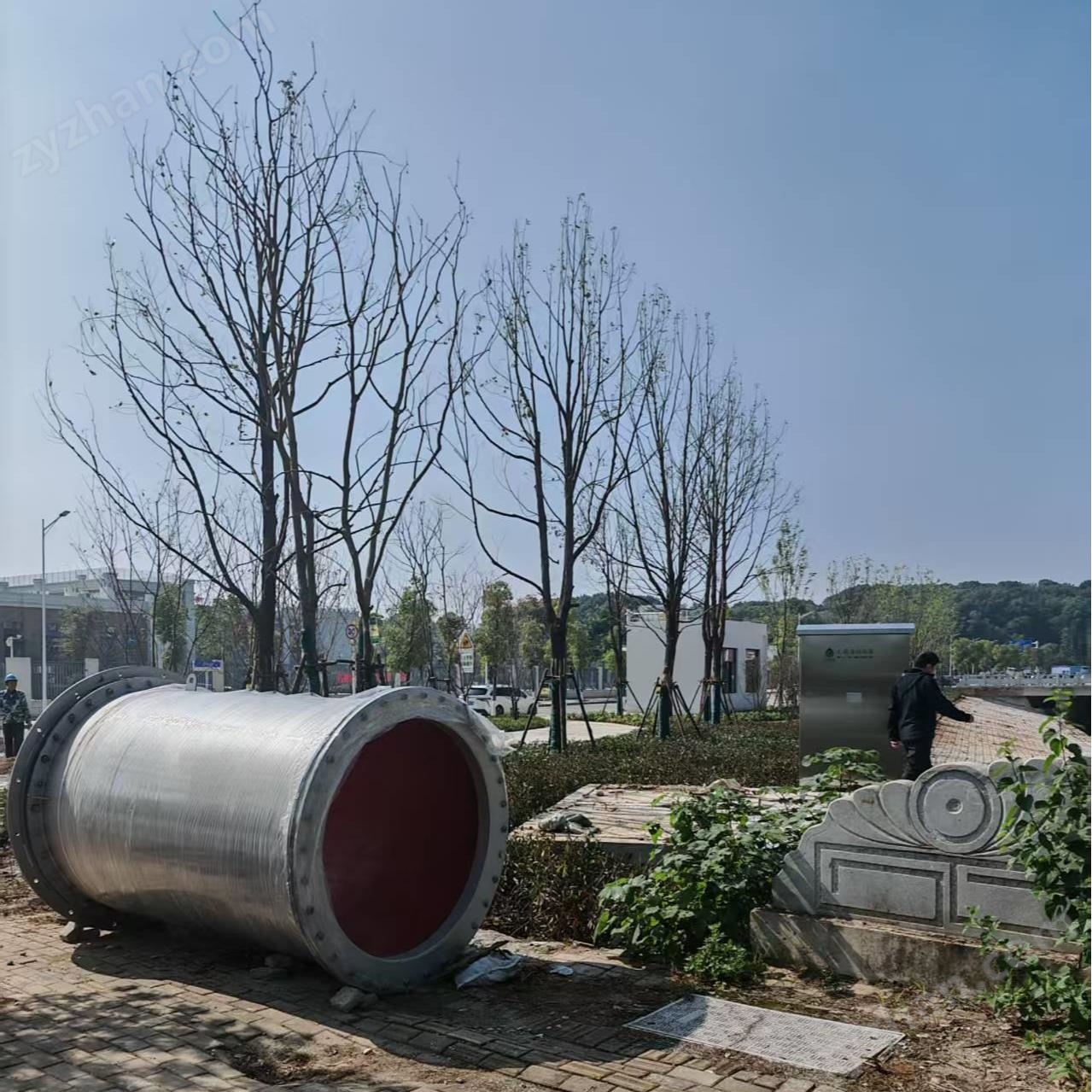
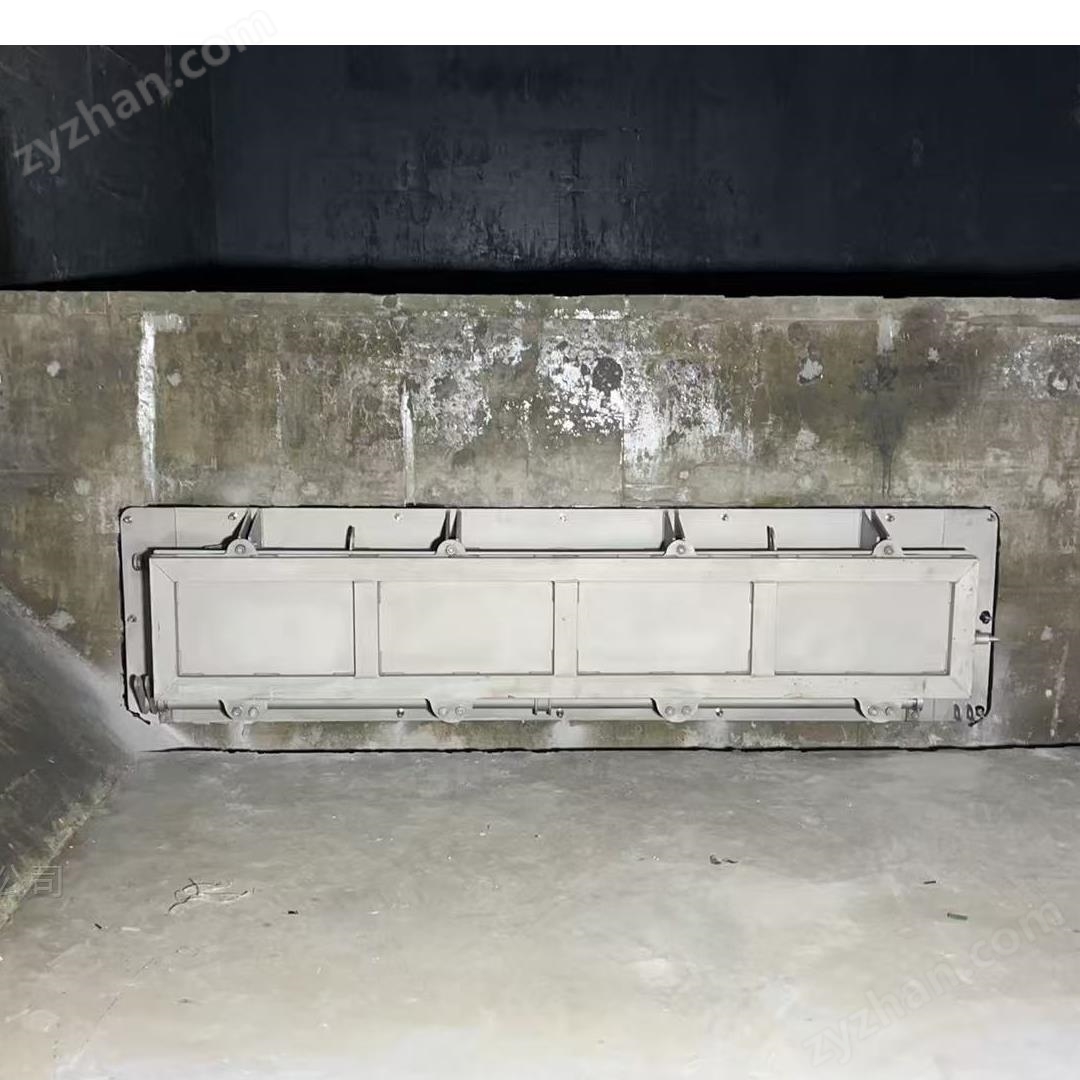
Installation site of flushing door for Shanghai Huamu storage tankAs an important component of the urban drainage system, the performance of the flushing equipment in Shanghai's flower and tree storage tanks directly affects the operational efficiency and maintenance costs of the storage tanks. As the main flushing equipment for regulating reservoirs, hydraulic flushing doors play an irreplaceable role in urban drainage systems due to their high efficiency, stability, and environmental friendliness. This article will elaborate on the working principle, technical characteristics, application advantages, and future development trends of hydraulic flushing doors, and explore their specific applications in Shanghai's flower and tree storage tanks through practical cases.
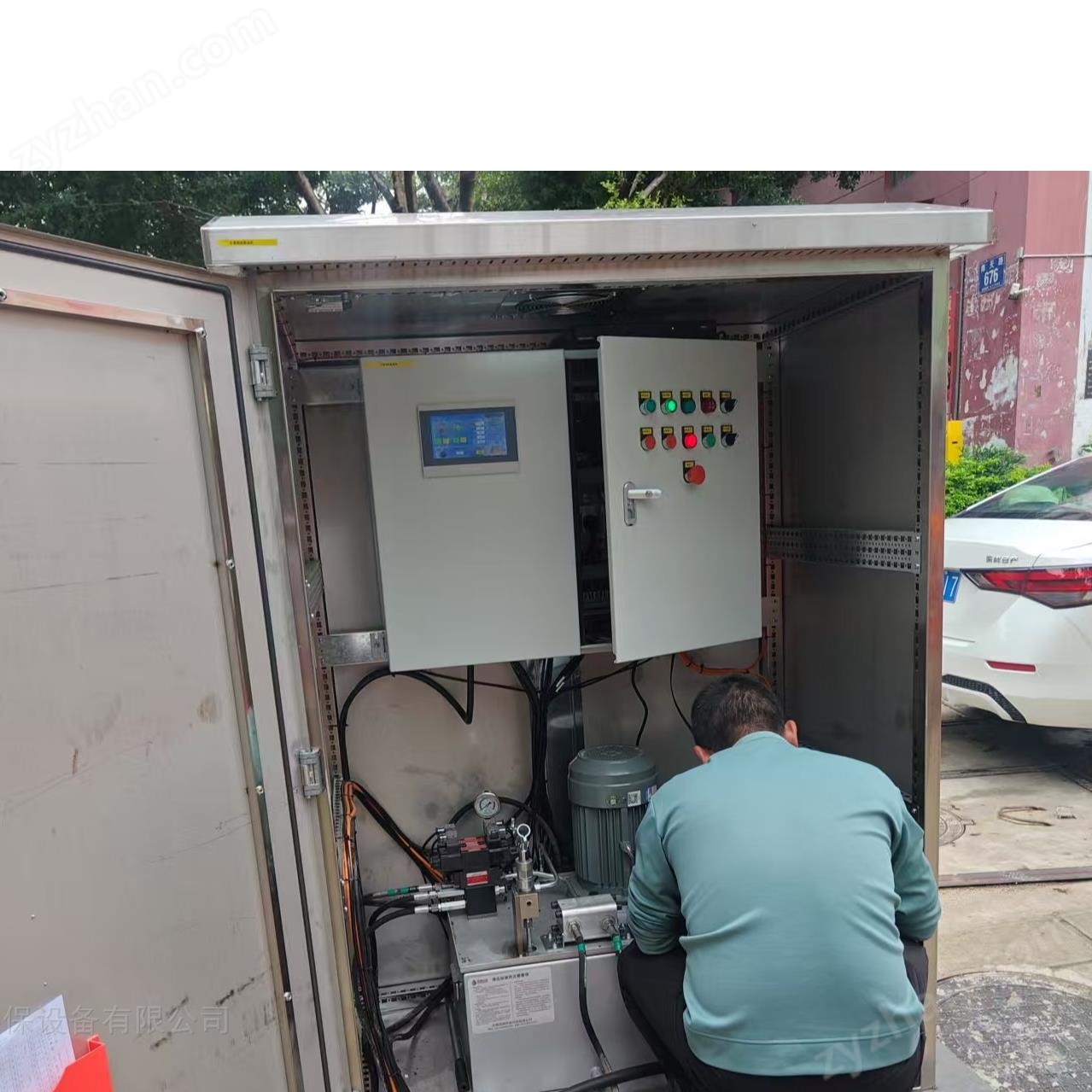
Hydraulic flushing door is a flushing device driven by hydraulic power, which controls the flow of liquid to achieve flushing of the bottom of the regulating reservoir. Its core components include hydraulic cylinders, control systems, door bodies, and sealing devices. The hydraulic cylinder is responsible for providing power, while the control system precisely controls the opening and closing of the flushing door based on preset programs or sensor signals. The door body is usually made of corrosion-resistant and high-strength materials to ensure long-term stable operation in harsh environments. The sealing device ensures the tightness of the flushing door when it is closed, preventing sewage leakage.
Installation site of flushing door for Shanghai Huamu storage tank The working principle of the hydraulic flushing door is relatively simple but efficient. When the storage tank needs to be flushed, the control system sends a command, and the hydraulic cylinder starts working, pushing the door slowly to open. At this point, the stored water in the regulating tank rapidly flows out under the action of gravity, forming a strong water flow impact force that washes away the sediment at the bottom of the tank. After flushing is completed, the hydraulic cylinder moves in reverse, the door closes, and the regulating reservoir returns to normal operation. The entire process is highly automated, without the need for manual intervention, greatly reducing operation and maintenance costs.
Compared with traditional flushing equipment, hydraulic flushing doors have significant technical advantages. Firstly, its flushing efficiency is higher. Due to the quick opening and closing of the hydraulic flushing door, the resulting water flow has a stronger impact force, which can effectively remove stubborn sediments at the bottom of the pool. Secondly, the operation of the hydraulic flushing door is more stable and reliable. The hydraulic system has self-lubricating and overload protection functions, which can maintain good performance even under long-term high load operation. In addition, the hydraulic flushing door has excellent sealing performance, which can effectively prevent sewage leakage and reduce environmental pollution.
In the practical application of the Shanghai Huamu storage tank, the hydraulic flushing door has demonstrated its performance. As an important node of urban drainage system, the regulating tank often needs to treat a large amount of sewage containing solid particles, which can easily form sedimentation at the bottom of the tank. Traditional flushing methods are often inefficient and prone to equipment wear and tear. By optimizing the design of the hydraulic flushing door, not only has the flushing efficiency been improved, but the maintenance frequency and cost of the equipment have also been significantly reduced. For example, an actual operation data shows that the flushing time of the storage tank is reduced by 30%, the sediment removal rate is increased by 25%, and the equipment failure rate is reduced by 40% after the hydraulic flushing valve is used.
The environmental performance of hydraulic flushing doors is also one of the important reasons why they are highly favored. In urban drainage systems, the treatment and discharge of sewage must comply with strict environmental standards. The hydraulic flushing door produces almost no noise or vibration during operation, and has minimal impact on the surrounding environment. At the same time, its efficient flushing ability reduces the use of chemical cleaning agents and lowers the risk of secondary pollution. In addition, the sealing design of the hydraulic flushing door effectively prevents sewage leakage and protects groundwater resources.
From the perspective of technological development, there is still significant room for improvement in hydraulic flushing doors. In the future, with the advancement of intelligent control technology, hydraulic flushing doors are expected to achieve a higher degree of automation. For example, by integrating IoT technology, the flushing door can monitor the water quality and sediment situation of the storage tank in real time, automatically adjust the flushing frequency and intensity, further improve flushing efficiency and reduce energy consumption. In addition, the application of new materials will also bring new possibilities for improving the performance of hydraulic flushing doors. For example, using high-strength composite materials can reduce the weight of the door, lower the load on the hydraulic system, and extend the service life of the equipment.
In practical applications, the installation and maintenance of hydraulic flushing doors also need to pay attention to some key issues. Firstly, during installation, it is necessary to ensure precise alignment between the hydraulic system and the door body to avoid inadequate sealing or poor operation caused by deviations. Secondly, regular maintenance of the hydraulic system, checking the quality of the oil and the sealing performance of the hydraulic cylinder, is a necessary condition for ensuring the long-term stable operation of the equipment. In addition, the software of the control system also needs to be regularly updated to adapt to different operating environments and requirements.
The successful case of Shanghai Huamu storage tank provides strong support for the promotion and application of hydraulic flushing doors. With the acceleration of urbanization, the pressure on urban drainage systems is increasing, and efficient and environmentally friendly flushing equipment will become the mainstream choice in the future. The hydraulic flushing door, with its technological advantages and practical performance, is expected to be applied in storage tanks in more cities.
In summary, as the main flushing equipment for Shanghai flower and tree storage tanks, hydraulic flushing doors provide reliable guarantees for the operation and maintenance of urban drainage systems due to their high efficiency, stability, and environmental friendliness. In the future, with the continuous advancement of technology, hydraulic flushing doors will make greater breakthroughs in intelligence, material science, and other aspects, making greater contributions to the development of urban drainage.




Similar Product Recommend