-
E-mail
853056585@qq.com
-
Phone
13353679655
-
Address
Binhu International City Zone 1
Product Categories
Zhonghao Filtration Equipment Manufacturing (Henan) Co., Ltd
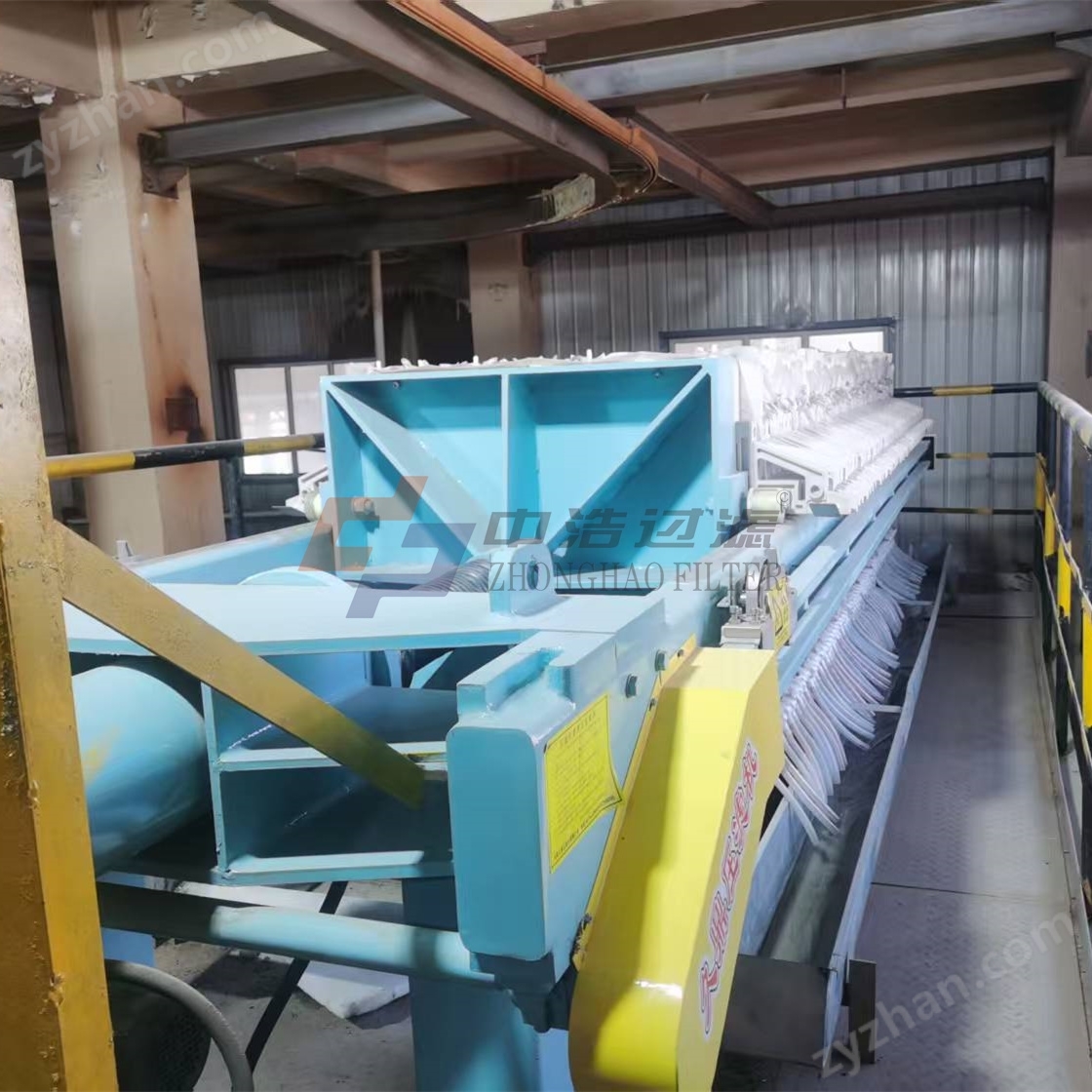
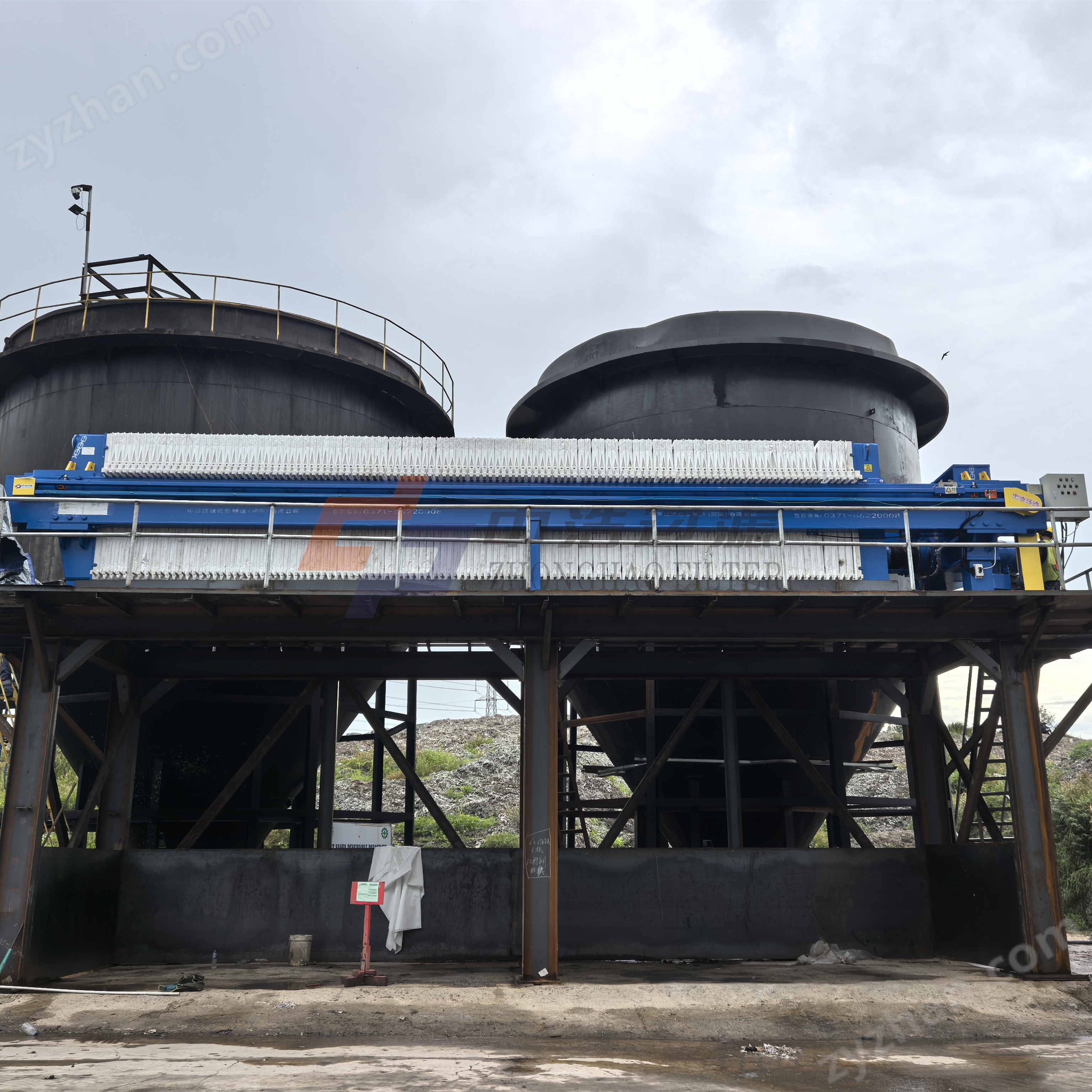

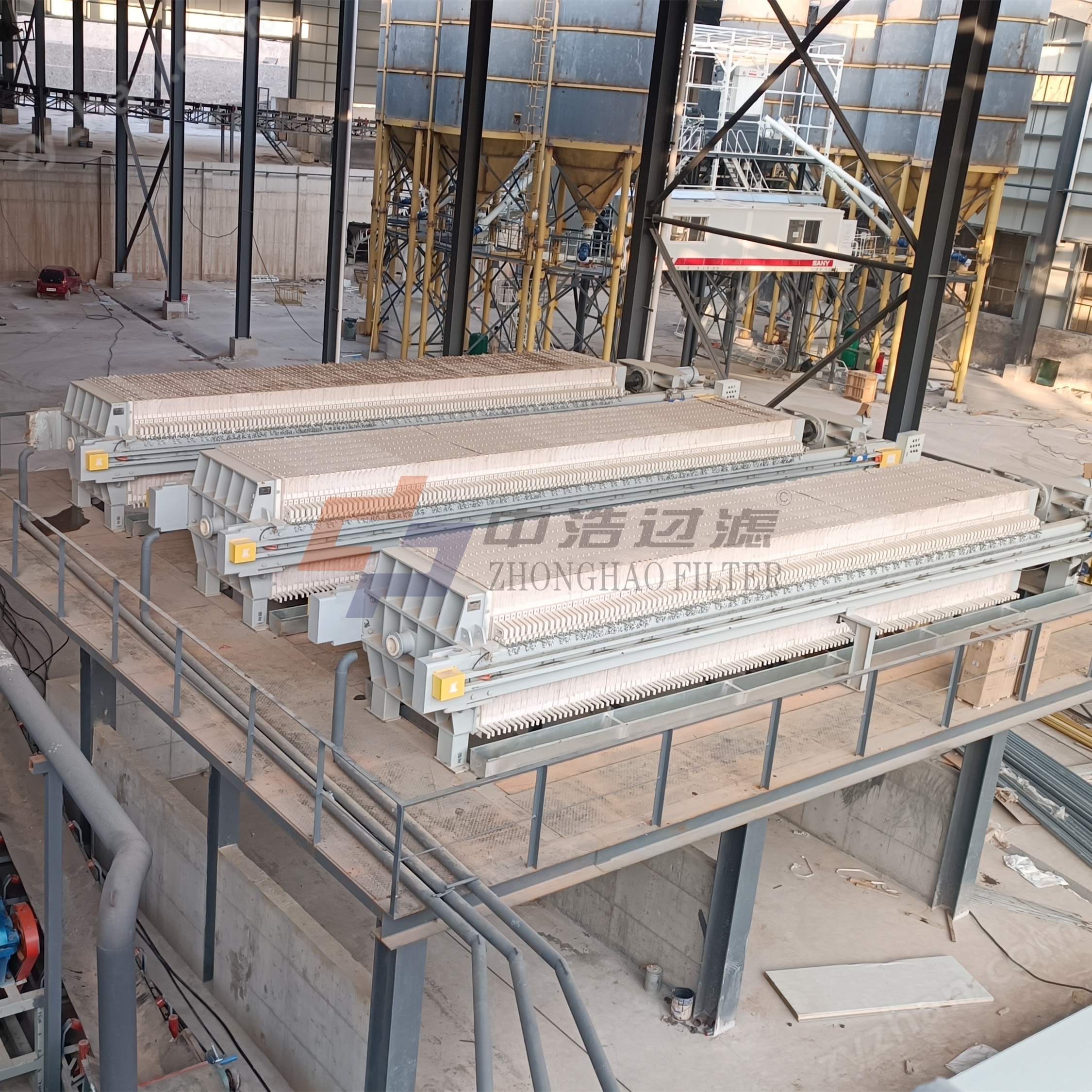

Jiuding box filter press - Zhonghao filtration biopharmaceutical mud press
NegotiableUpdate on 01/04
- Model
- Nature of the Manufacturer
- Producers
- Product Category
- Place of Origin
Overview
Jiuding box filter press Zhonghao filtration biopharmaceutical mud press is an important solid-liquid separation equipment widely used in chemical, pharmaceutical, metallurgical, food, environmental protection and other fields. Its core function is to effectively separate solid particles from liquid in suspension through mechanical pressing, ultimately forming a filter cake with lower moisture content and obtaining a clear filtrate. This device occupies an important position in industrial production due to its simple structure, stable operation, large filtration area, strong adaptability, and relatively low requirements for material pretreatment.
Product Details
Jiuding box filter press - Zhonghao filtration biopharmaceutical mud press

plate and frame filter pressIt is an important solid-liquid separation equipment widely used in chemical, pharmaceutical, metallurgical, food, environmental protection and other fields. Its core function is to effectively separate solid particles from liquid in suspension through mechanical pressing, ultimately forming a filter cake with lower moisture content and obtaining a clear filtrate. This device occupies an important position in industrial production due to its simple structure, stable operation, large filtration area, strong adaptability, and relatively low requirements for material pretreatment.
1Basic structure of equipment
plate and frame filter pressIt is mainly composed of the following core components, which are arranged and combined in an orderly manner to form the foundation of the separation operation:
1.frame:As the supporting structure of the equipment, it usually consists of two sturdy crossbeams and corresponding supports, used to carry the filter plate, filter frame, and provide the installation foundation for the hydraulic system. The rack needs to have sufficient rigidity and stability to withstand the high pressure during filtration and pressing processes.
2.Compression device:Responsible for providing and maintaining the necessary clamping force to press the filter plate, filter frame, and filter cloth into a closed filter chamber. Modern equipment is often driven by hydraulic systems, which generate stable and powerful thrust through hydraulic cylinders to ensure that each filter chamber does not leak during high-pressure filtration.
3.Filtering unit:This is the core part of implementing the separation function, consisting of multiple sets of identical filter plates, filter frames, and filter cloth alternately arranged between them.
Filter plate:The surface design has regular concave convex patterns or grooves, which serve to support the filter cloth and form a channel for the flow of filtrate between the filter cloth and the filter plate surface. There are liquid passages in the center or side of the filter plate.
Filter frame:Located between two filter plates, it is usually a hollow frame structure, and its internal space, together with the filter cloth on both sides, forms the initial chamber for accommodating the suspension to be filtered——Filter chamber.
Filter cloth:As a filtering medium, it covers both sides of the filter plate. The micropores formed by its fiber weaving allow liquid (filtrate) to pass through, while retaining solid particles on the surface of the filter cloth. The material of the filter cloth (such as polypropylene, polyester, etc.) and the pore size should be selected according to the particle characteristics, chemical compatibility, and separation requirements of the material.
All filter plates and filter plate frames have holes at the corners or edges corresponding to their positions that penetrate all units. After alignment, they form holes that run through the entire filter unitFeed channel, washing channel (if equipped with washing function), and filtrate discharge channel.
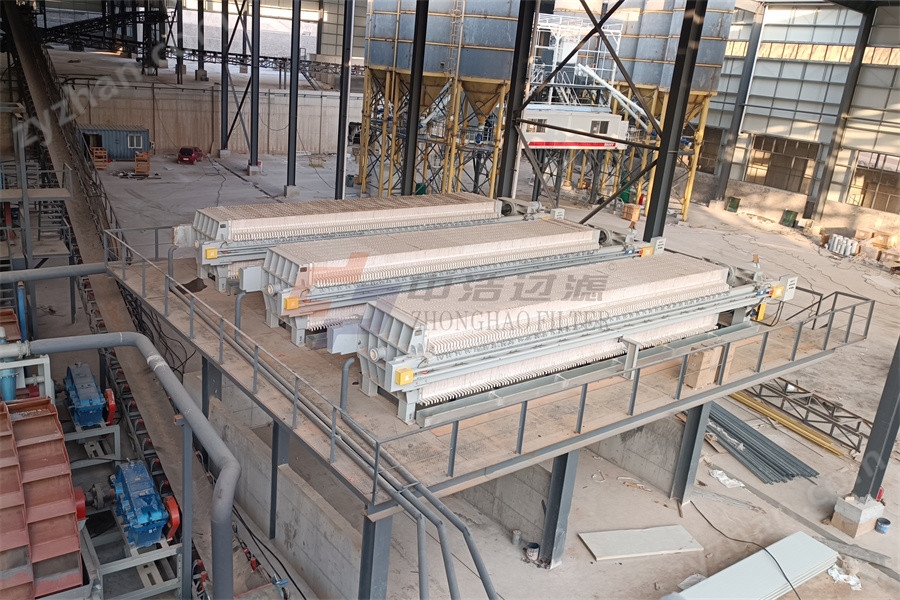
2、 Working process and principle
plate and frame filter pressA complete working cycle typically includes stages such as compression, feed filtration, washing (optional), pressing and dewatering (optional), unloading, and cleaning. The separation principle is mainly based on the screening and permeation effects under pressure difference.
1.Formation and compression of filter chamber
At the beginning of the operation, the clamping device (hydraulic cylinder) moves to push the movable end plate, compressing all filter plates, filter frames, and filter cloth sandwiched between them along the crossbeam towards the fixed end plate direction. Each unit is tightly fitted, forming a series of independent and sealed filter chambers between the inner cavity of the filter frame and the filter cloth on both sides.
2.Feed and filtration stage
The feed pump (usually a positive displacement pump such as a diaphragm pump, screw pump, or plunger pump) pumps the suspension to be processed into the equipment at a certain pressure. Suspension passing throughThe 'feed channel' is forcibly conveyed and simultaneously distributed to each filter chamber.
Separation principle: Under the driving force of pumping pressure (i.e. forming a filtration pressure difference), the suspension enters the filter chamber. Under pressure, the filtrate penetrates the filter cloth covering the surface of the filter plate, enters the grooves or channels on the surface of the filter plate, and then collects at the filtrate discharge hole of the filter plate. Finally, it passes through the through holeThe filtrate is discharged outside the machine through the "filtrate discharge channel". Solid particles are effectively intercepted by the filter cloth and gradually accumulate on the surface of the filter cloth inside the filter chamber. As the filtration continues, the filter cake layer thickens and the filtration resistance also increases. To ensure continued filtration or achieve the expected moisture content of the filter cake, the feed pressure usually needs to be gradually increased.
3.Washing stage (optional)
If the process requires washing the filter cake to recover valuable mother liquor or remove impurities, washing can be performed after filtration is complete. Washing solution (usually water or a specific solvent) is used independentlyThe washing channel is pumped in. There are two typical paths for detergent: one is to pass through the filter cloth on one side of the filter cake and enter the filter cake, penetrate the entire cake layer, and then be discharged from the other side of the filter plate (flow washing); The second is more efficient displacement washing, where the washing solution enters through specific channels to more evenly displace residual liquid in the pores of the filter cake. The washed liquid is discharged from a dedicated outlet as a "washing solution" and can be collected separately from the initial filtrate.
4.Squeezing and dehydration stage (optional, commonly used in reinforced equipment)
To further reduce the moisture content of the filter cake, many plate and frame filter presses are integrated with a secondary pressing function. The main methods are:
Diaphragm squeezing: After filtration, compressed air or high-pressure water is introduced into the back of the elastic diaphragm embedded in the filter plate. The diaphragm expands and applies uniform mechanical compression pressure to the formed filter cake, further squeezing out some residual liquid in its pores. This liquid is discharged through the filter cloth and filter plate channels.
Mechanical pressing: applying additional pressure to the filter plate group through an external mechanism that is higher than the initial clamping force, directly compressing the filter cake.
This stage can significantly improve the solid-phase yield and reduce subsequent drying energy consumption.
5.Unloading and cleaning of filter cloth
After completing the filtration (washing, pressing), the feed pump stops and the pipeline pressure is released. Release the clamping device and retract the movable end plate. The operator or automatic device sequentially opens each filter plate and filter frame. At this point, due to the weight of the filter cake itself and its separation from the surface of the filter cloth, the filter cake can usually naturally detach from the filter cloth and fall into the collection tank or conveyor below. For filter cakes with high viscosity, auxiliary discharge devices such as vibrators or scrapers may be required. After unloading, the filter cloth can be cleaned (online or offline) as needed to restore its filtering performance and prepare for the next cycle.
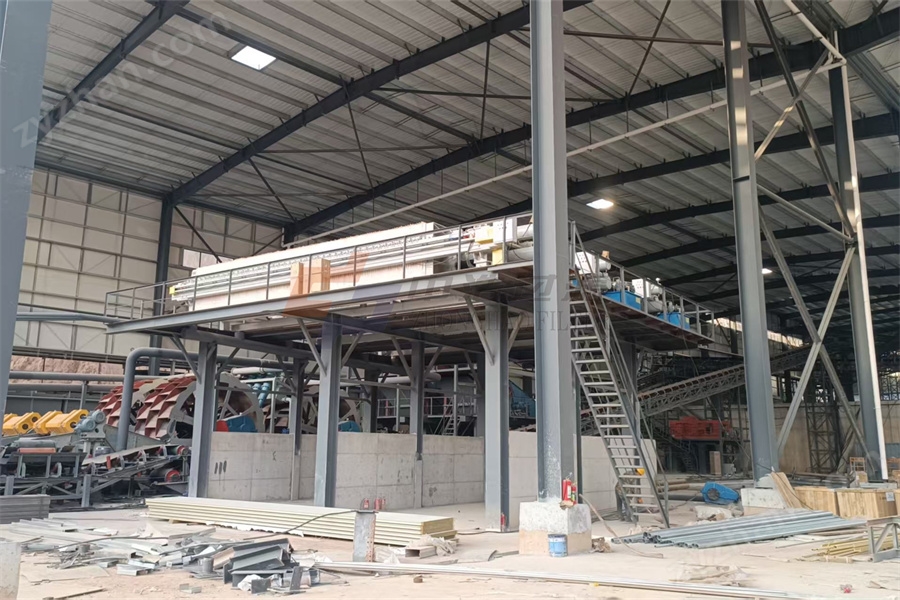
Jiuding box filter press - Zhonghao filtration biopharmaceutical mud press
Similar Product Recommend