-
E-mail
853056585@qq.com
-
Phone
13353679655
-
Address
Binhu International City Zone 1
Product Categories
Zhonghao Filtration Equipment Manufacturing (Henan) Co., Ltd
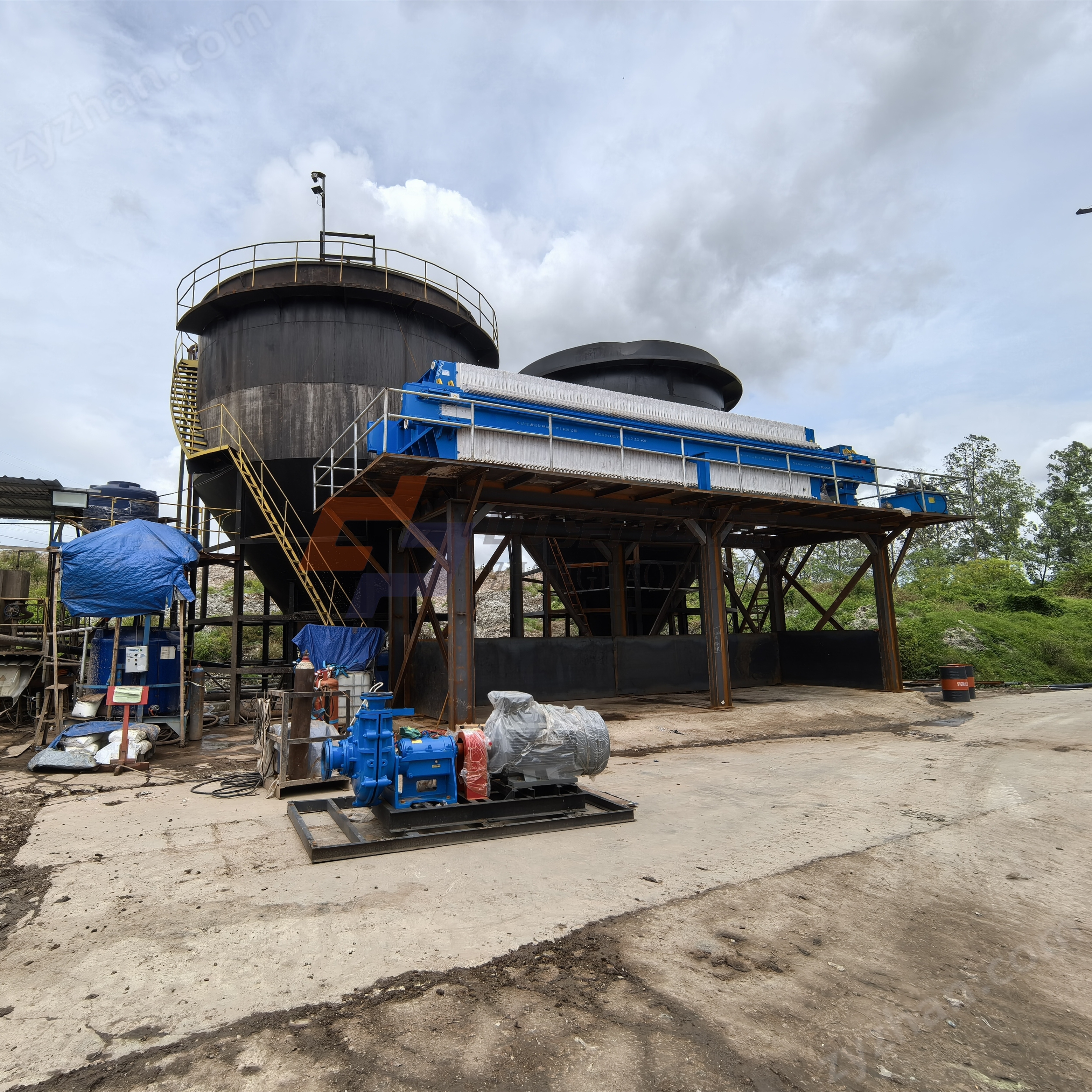

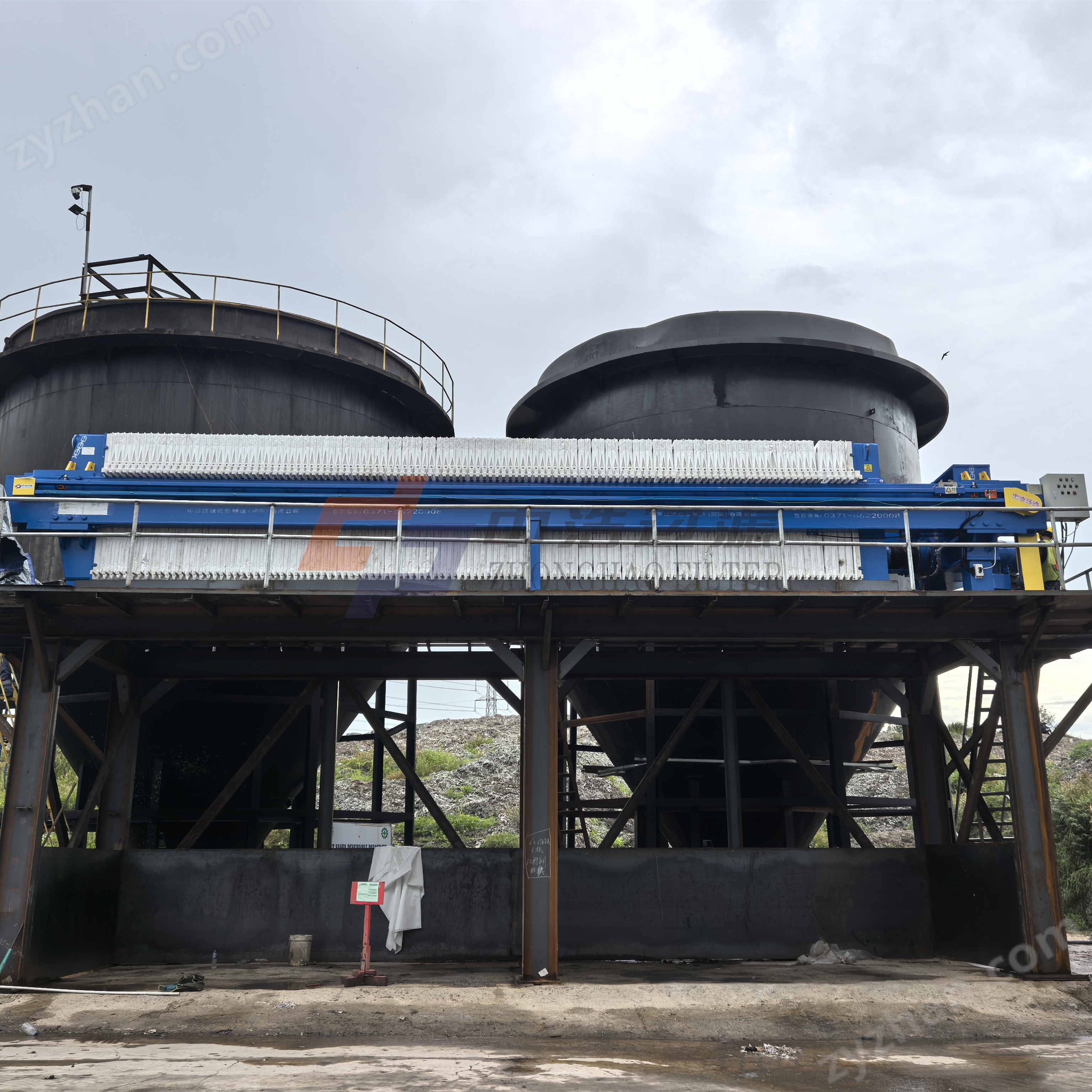

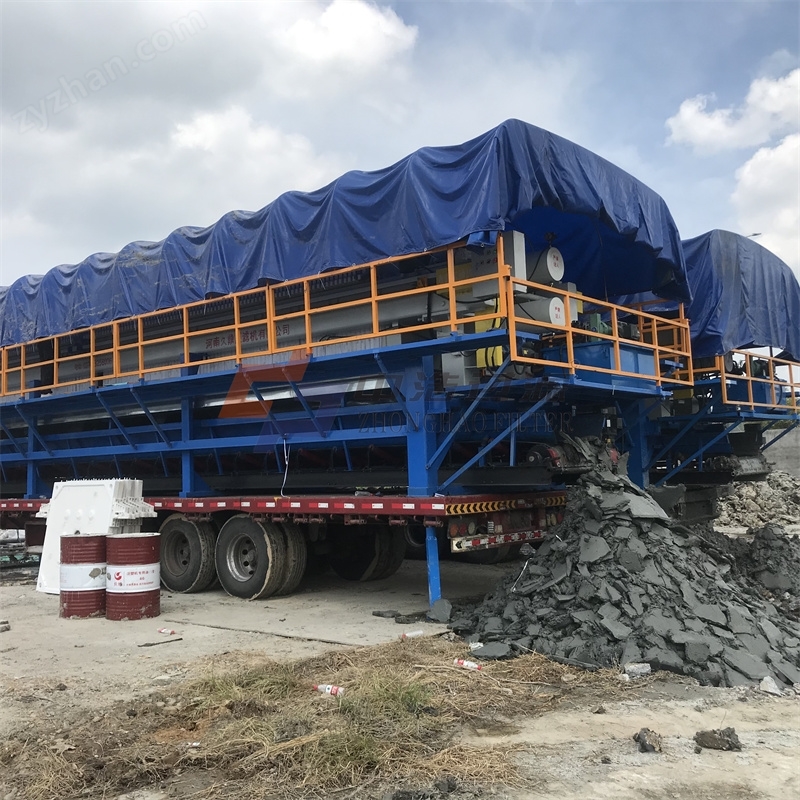
Jiuding program-controlled filter press - Zhonghao filtration sewage treatment mud press
NegotiableUpdate on 01/04
- Model
- Nature of the Manufacturer
- Producers
- Product Category
- Place of Origin
Overview
Jiuding program-controlled filter press Zhonghao filtration sewage treatment mud press is a solid-liquid separation equipment with a long history and wide application. The core principle is to use filter cloth as the filtering medium. Under the pressure of the pump, the suspension enters the closed filter chamber formed by the alternating arrangement of filter plates and filter frames. Solid particles are intercepted by the filter cloth to form a filter cake, and the liquid (filtrate) is discharged through the filter cloth, thus achieving solid-liquid separation.
Product Details
| Jiuding program-controlled filter press - Zhonghao filtration sewage treatment mud press |
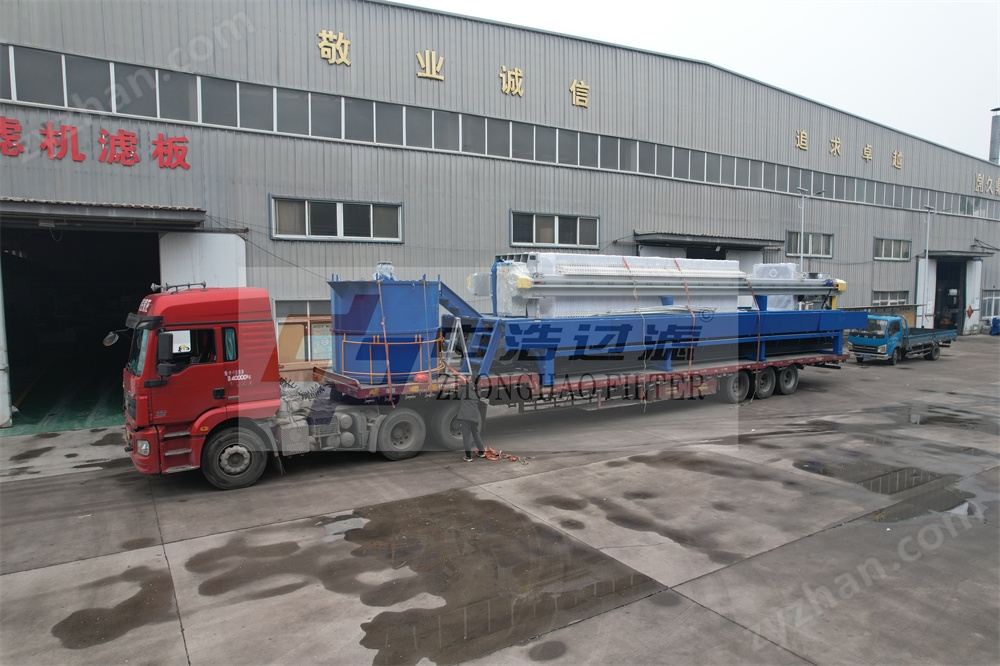
In the fields of chemical, mining, metallurgy, environmental protection, etc., filter press is a key equipment for achieving efficient solid-liquid separation. Its core function is to provide powerful and controllable extrusion force, allowing solid particles in the suspension to form a filter cake with the required moisture content on the filter medium. Among various compression methods, hydraulic compression has become the primary choice for modern filter press drive systems due to its technological advantages, significantly improving the reliability, automation level, and processing capacity of the equipment.
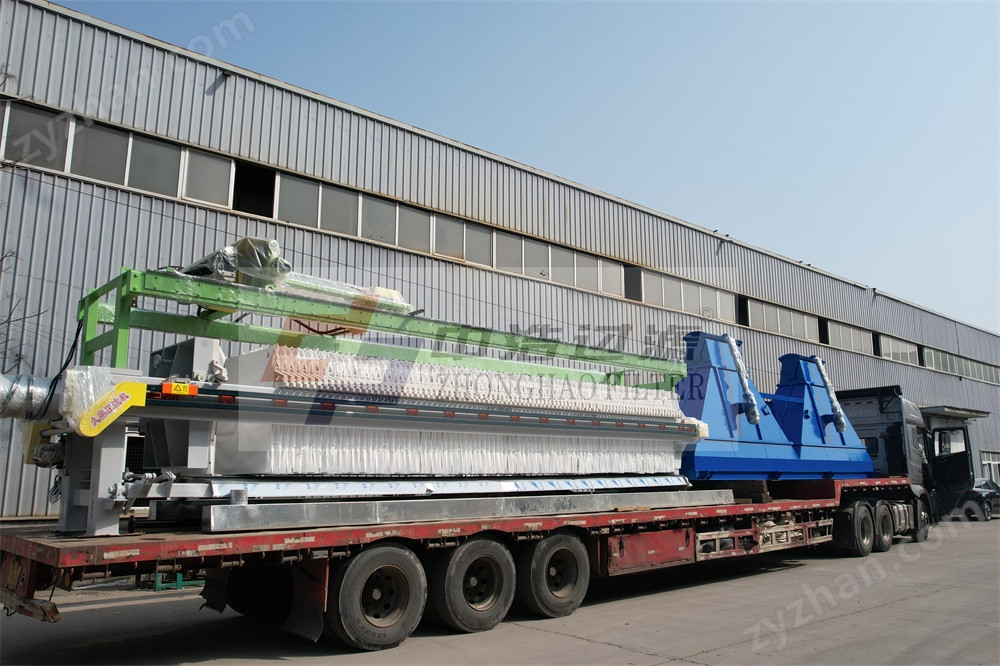
The core principle and system composition of hydraulic compression
The essence of hydraulic compression is to use hydraulic oil as an energy transfer medium, convert mechanical energy into pressure energy through a hydraulic pump, and drive the piston rod of the hydraulic cylinder to produce linear motion, thereby applying uniform, stable, and precisely controllable compression force to the filter plate group.
A complete hydraulic compression system mainly includes:
Power unit: Usually, high-pressure plunger pumps (constant pressure or variable displacement pumps) are used to provide the required pressure and flow rate of the system. The motor-driven pump draws oil from the oil tank and establishes a high-pressure oil circuit.
Actuating element The hydraulic cylinder is the core executing component. According to the size of the model and the required clamping force, single cylinder (center or side mounted) or double cylinder (opposed) can be configured. The piston inside the oil cylinder moves under the action of hydraulic oil, and the piston rod directly acts on the tail plate or compression plate.
Control components:
Electromagnetic directional valve: Control the flow of hydraulic oil to achieve the function of the oil cylinderSwitching between "compression", "holding pressure", and "retraction" actions.
overflow valve(Safety valve): Set the system working pressure and provide overflow protection in case of overpressure.
One way valve: Prevent reverse flow of oil and lock the oil chamber pressure of the cylinder during the pressure holding stage.
Hydraulic pilot-operated check valve(Hydraulic lock): More reliably lock the position of the oil cylinder during the pressure holding stage to prevent accidental loosening caused by internal leakage.
pressure relay/Sensor: Detect system pressure as a signal input for control logic (such as stopping pressurization when the set clamping force is reached, and starting pressure replenishment when the holding pressure is maintained).
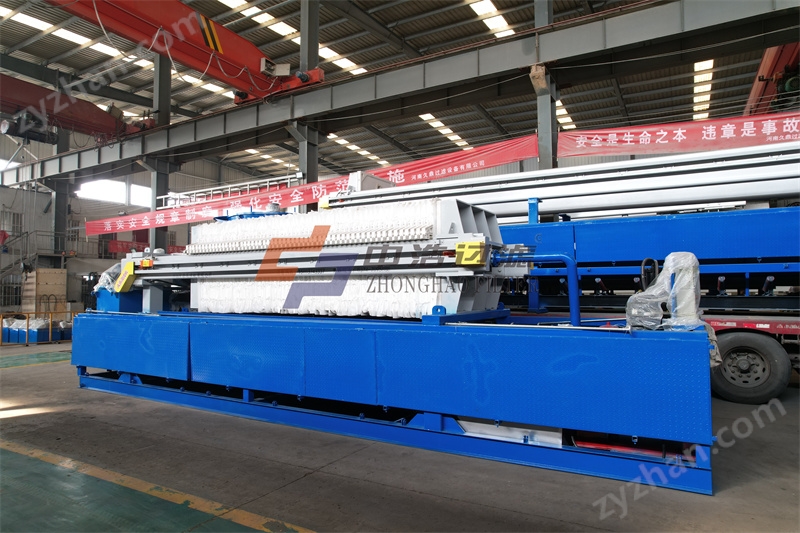
Auxiliary components: Fuel tank, filter, cooler (large or continuous operating system), accumulator (optional, used to compensate for leaks and maintain pressure), pressure gauge, pipeline and pipe joints, etc.
| How much is one sewage treatment filter press |
Technical advantages of hydraulic compression
Compared to traditional manual, mechanical (screw), or electric compression methods, hydraulic compression exhibits a series of technical characteristics:
Ultra large compression force and high working pressure: The hydraulic system can easily generate a clamping force of tens to hundreds of tons, meeting the needs of large filter presses and high-pressure filtration processes. The working pressure of modern advanced hydraulic filter press systems can generally reach20-30MPa(200-300 Bar), Provide strong support for efficient filtration and high dryness filter cake formation.
Uniform and stable clamping force: Hydraulic oil has incompressibility (ignoring slight compressibility under high pressure). After the system pressure is established, through optimized cylinder design and pipeline layout, the pressure can be evenly transmitted to the entire contact surface of the filter plate group. The multi cylinder system ensures force balance through synchronous control technology (such as mechanical synchronization or servo control), effectively preventing filter plate misalignment and spraying.
Reliable pressure holding performance: During the filtration and pressing process (membrane squeezing or blowing), the filter plate assembly must maintain a constant clamping force.The combination of "hydraulic lock" (hydraulic control check valve) and accumulator, coupled with high-quality hydraulic cylinder sealing, can maintain stable system pressure for a long time (several hours or even longer). Even in the case of a small amount of internal leakage, it can maintain the set value through automatic micro pressure replenishment and sealing effect.
High degree of automation: Hydraulic systems are highly compatible withPLC control system integration. Pressing, holding, releasing, and releasing actions can all be automatically controlled by the program, and parameters such as pressure value and holding time can be accurately set and recorded. Automated operation not only reduces labor intensity, but also ensures consistency in the process and reduces human operational errors.
Complete overload protection: The overflow valve provides intrinsic safety protection for the system. When the compression resistance increases abnormally (such as hard objects getting stuck between filter plates) and exceeds the set pressure, the overflow valve automatically opens to release pressure, protecting core structural components such as oil cylinders, filter plates, and frames from damage.
Compact structure, thrust/Large volume ratio: Under the same thrust, the hydraulic cylinder structure is more compact than the mechanical transmission mechanism, saving equipment space.
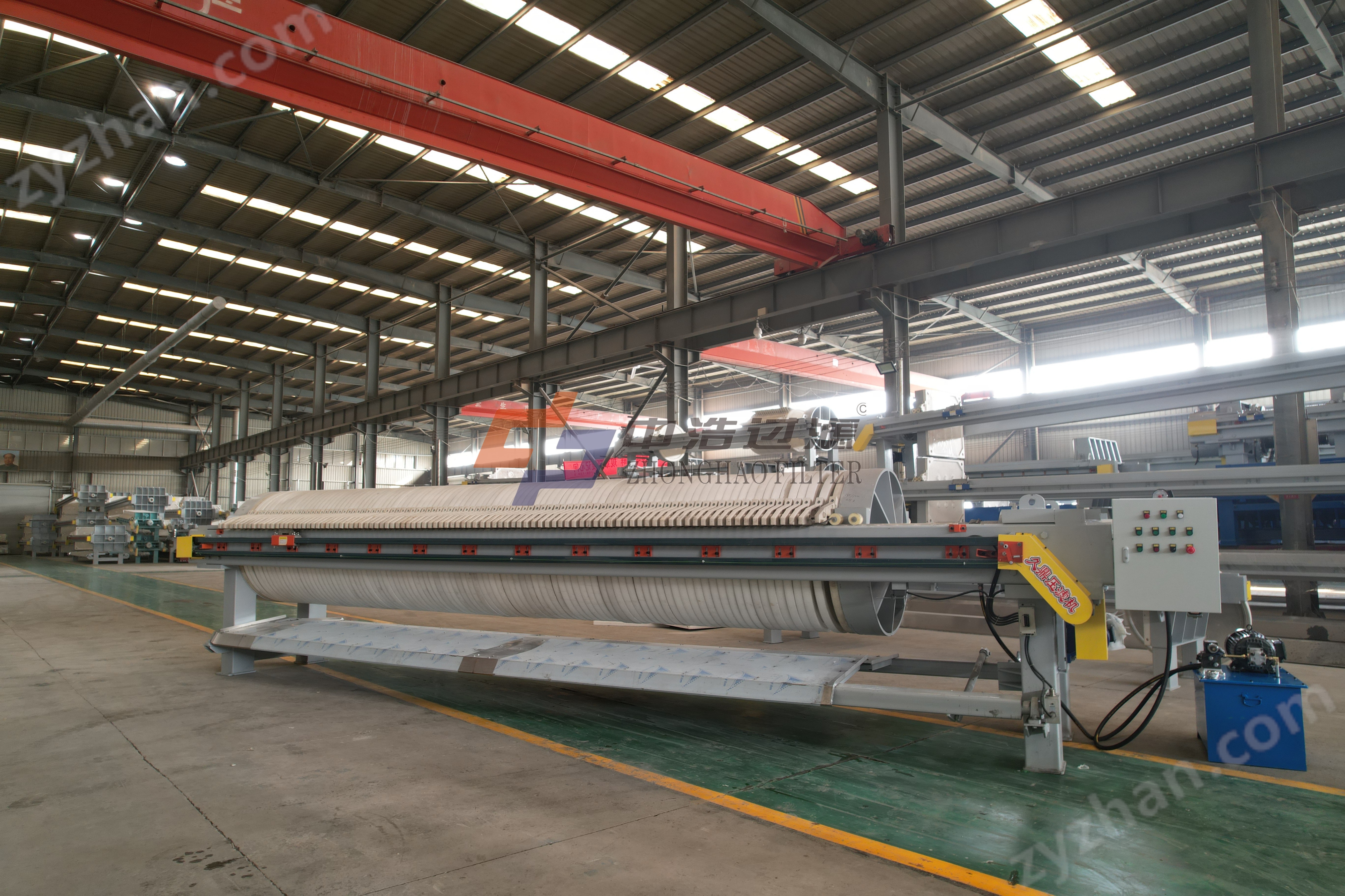
Key technical considerations for hydraulic compression system
To achieve high-performance hydraulic compression, attention should be paid to the following key technologies and design details:
Oil cylinder design and manufacturing: The material and heat treatment process requirements for the cylinder body and piston rod are high to ensure strength and wear resistance. The selection of high-quality combination seals with high pressure resistance, wear resistance, and resistance to media (such as oil temperature and possible chemical contact) for sealing rings (such as seals, Glay rings, etc.), as well as optimized sealing groove design, is the core to ensure long-term leak free operation.
Oil circuit optimization and cleanliness control: Using integrated valve blocks to reduce pipeline connection points and lower the risk of leakage. The system is equipped with multi-stage high-precision oil filters (suction filter, high-pressure filter, return oil filter) to strictly ensure the cleanliness level of hydraulic oil (usually required)NAS levels 6-8 are the key to preventing valve jamming, rapid seal wear, and extending system life.
Thermal balance design: For large high-pressure or continuous operation filter presses, the heat generated by hydraulic system power loss (mainly throttling loss and pump volumetric efficiency loss) cannot be ignored. Accurate calculation of heat dissipation requirements is required, and reasonable configuration of fuel tank capacity, cooling system (air-cooled or water-cooled), or use of variable displacement pumps to reduce heat generation is necessary.
Pressure classification and control: The system should be able to set different pressure values based on different material characteristics (such as particle hardness, viscosity) and process stages (pre pressing, main pressing, holding pressure). Proportional relief valves or servo control systems can achieve stepless and precise adjustment of pressure.
Synchronization accuracy (dual cylinder system): Double cylinder compression must ensure synchronous thrust between the two cylinders to avoid twisting of the frame and filter plate assembly. In addition to ensuring the consistency of the oil cylinder through precision machining, high-precision synchronization can be achieved through the use of diversion valves, synchronous motors, or more advanced electrical servo closed-loop control.
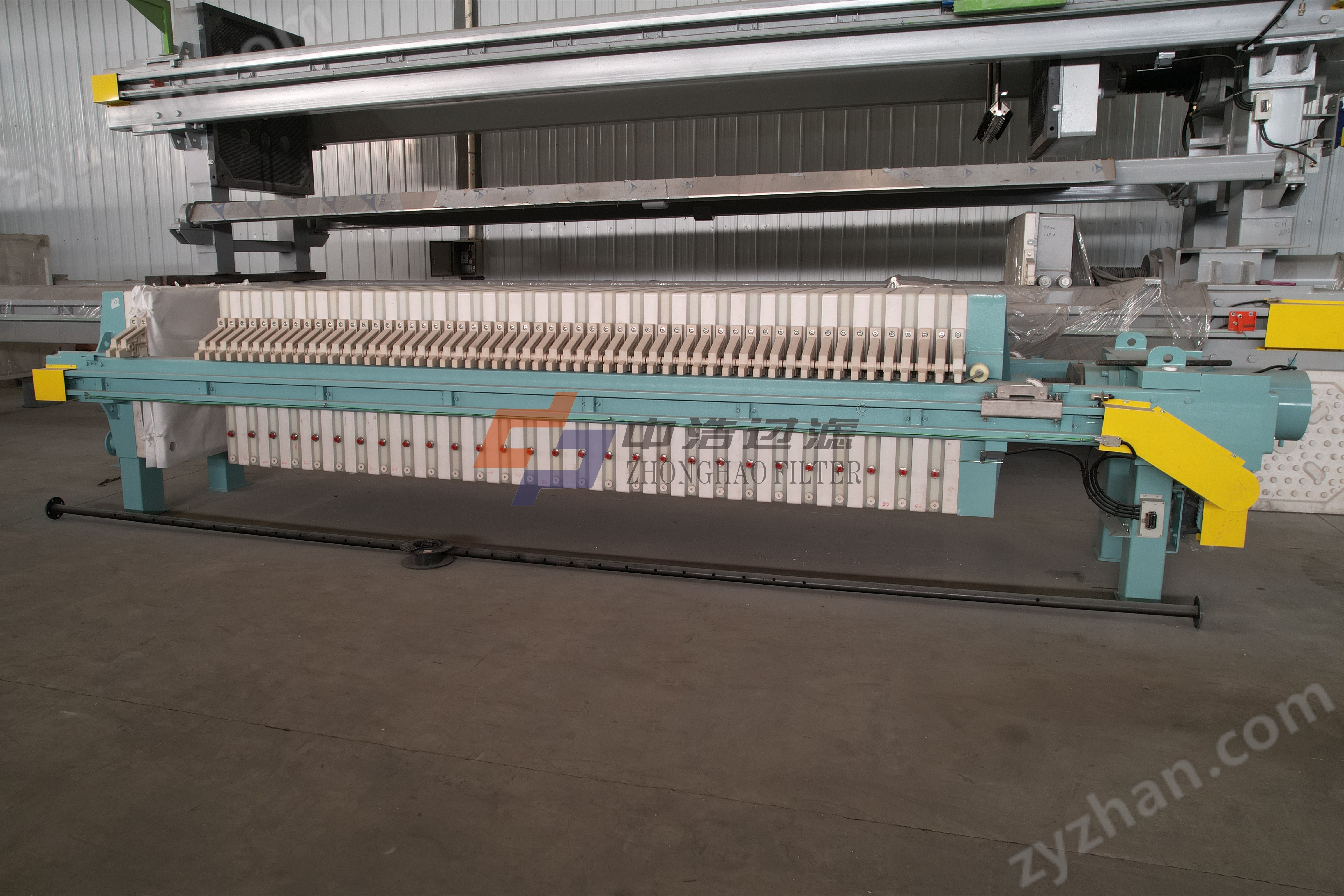
Key points of safety protection and maintenance
The hydraulic system is a high-pressure system, and safety is crucial:
Hydraulic lock and manual pressure relief valve: Before equipment maintenance, it is necessary to confirm that the system pressure has been relieved through the control circuit, and perform a secondary confirmation of pressure relief through a manual pressure relief valve (if configured) to ensure the safety of operators.
Electrical interlocking: The hydraulic compression action and equipment protective doors (if any) should have strict electrical interlocks to prevent personnel from entering hazardous areas during the compression process.
Regular maintenance: Regularly check the oil level, oil condition (color, viscosity, moisture content, pollution level), filter element condition, and pipeline joint sealing. Replace the hydraulic oil and filter element according to the manufacturer's specified cycle. Monitor whether there is any leakage at the seal of the oil cylinder.
Stress testing: After the installation or overhaul of a new machine, a system pressure test should be conducted to verify the set value of the relief valve and the pressure bearing capacity of the pipeline.
applied value
The value of hydraulic compression filter press is reflected in:
Improve filtration efficiency and filter cake quality: The strong initial sealing force reduces spraying, and the high and constant holding pressure ensures reliable sealing throughout the entire filtration and pressing cycle. Combined with technologies such as diaphragm pressing, it can produce filter cakes with lower moisture content.
Ensure equipment reliability and lifespan: Uniform force protection for filter plates and frames, reducing the risk of deformation and cracking; A comprehensive overload protection mechanism.
Realize automation and intelligent operation: Seamless integration with automatic plate pulling, automatic unloading, automatic cleaning and other systems, forming an efficient and continuous automated production line.
Reduce operating costs: Automation reduces manual dependence; Under good maintenance, the system has high durability; Efficient filtration reduces subsequent drying or transportation costs.
Conclusion
The hydraulic compression system is the core power unit and technology of modern filter presses. Its powerful thrust output, precise pressure control, reliable pressure sealing performance, and highly automated integration characteristics provide a solid guarantee for efficient, stable, and safe solid-liquid separation in harsh industrial environments. A deep understanding and mastery of the design, manufacturing, control, and maintenance points of hydraulic compression systems is the foundation for ensuring the optimal performance of filter presses and creating production value. With the continuous advancement of material technology, sealing technology, and electro-hydraulic servo control technology, hydraulic compression filter presses will continue to play an irreplaceable key role in the industrial filtration field.
Similar Product Recommend