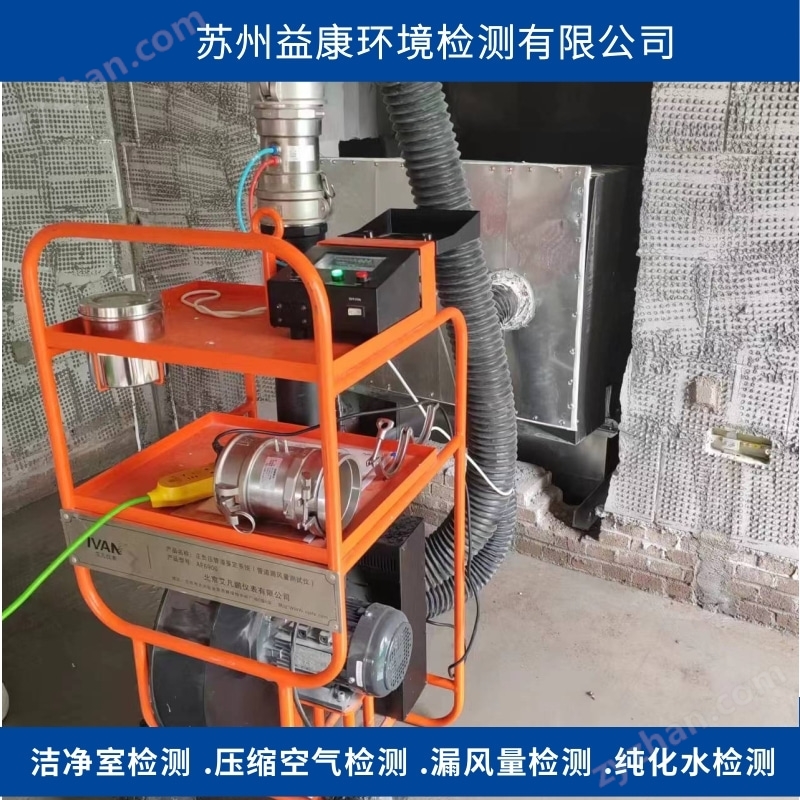
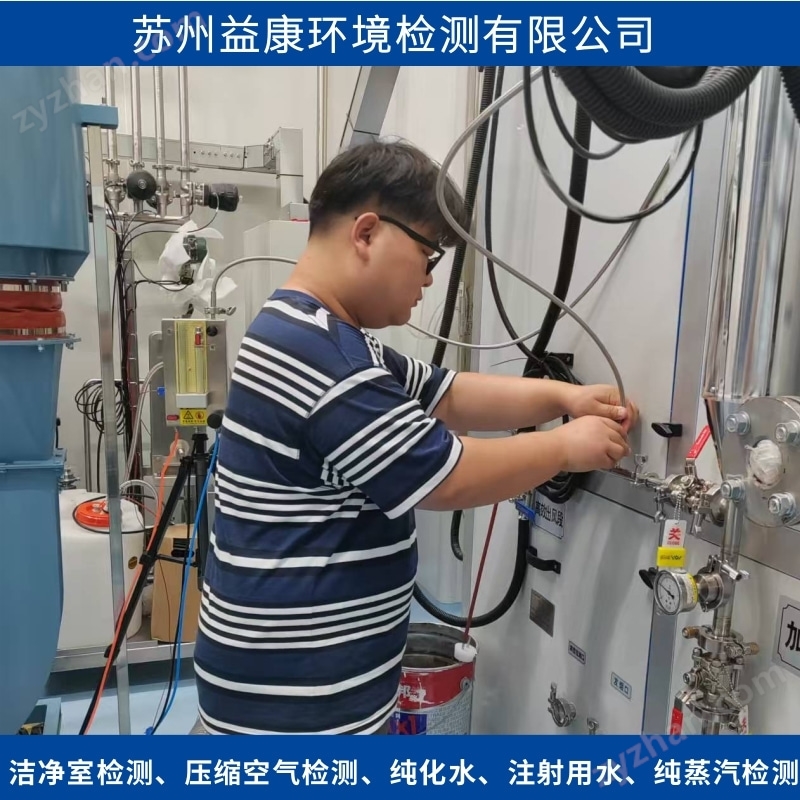
Pipeline air leakage detection service. Air leakage refers to the volume of air that leaks or infiltrates through the structure and interface of the air duct system at a certain static pressure per unit time. This indicator is used to evaluate the airtightness of the air duct system. The key equipment for the sealing of ventilation and air conditioning systems evaluates the energy efficiency and construction quality of the system by measuring the air leakage of components such as ducts and air conditioning units. $r$n。
Suzhou Yikang EnvironmentPipeline air leakage detection serviceThe core lies in measuring the static pressure of the air duct system under specific static pressure through professional meansair leakageTo accurately evaluate the airtightness of key equipment such as air ducts and air conditioning units, and provide scientific basis for improving system energy efficiency and controlling construction quality.

Why do we need to do air leakage detection?
The pipeline air leakage testing service of Suzhou Yikang Environment is not limited to a single device, but covers key components of ventilation and air conditioning systems:
Duct bodyIncluding straight pipes, elbows, tees, etc. made of various materials such as galvanized steel plates, composite ducts, fiberglass ducts, etc.
air conditioning unitBox body and interface parts of modular air conditioning units, fan coil units, and other equipment.
Air valve and air outletSealing performance of various regulating valves and fire dampers, as well as the connection between air vents and ducts.
Other componentsSuch as the connection between the fan and the air duct, static pressure box, etc.
Professional testing cannot be separated from the support of standards. Suzhou Yikang Environment usually conducts testing based on domestic standards, mainly including:
Code for Acceptance of Construction Quality of Ventilation and Air Conditioning Engineering (GB 50243-2016)The method and qualification standards for air duct leakage testing are clearly defined, which is the most core basis in the industry.
Technical Specification for Ventilation Ducts (JGJ 141-2017)Detailed regulations have been established on the air leakage limits for ducts of different materials and pressure levels.
The entire testing process follows a scientifically rigorous process to ensure accurate and reliable data. The specific steps are shown in the table below:
| step |
specific operations |
purpose |
| 1. Preparation stage |
Determine the testing area and system, and close the air vents and valves unrelated to the testing area; Check whether the testing equipment (such as air leakage tester, pressure sensor, etc.) is calibrated and qualified |
Eliminate interference and ensure equipment accuracy |
| 2. Sealing treatment |
Seal both ends of the test section, usually using blind plates or specialized sealing membranes |
Create a closed space for easy measurement |
| 3. Pressurization and measurement |
Fill the test section with air through a leakage tester to achieve the specified static pressure value (such as 100Pa for low-pressure systems, 300Pa for medium pressure systems, etc.), and record the amount of air leakage at this time |
Obtain actual air leakage data |
| 4. Data comparison |
Compare the measured air leakage with the allowable air leakage specified in the standard |
Determine whether it is qualified |
| 5. Problem positioning and reporting |
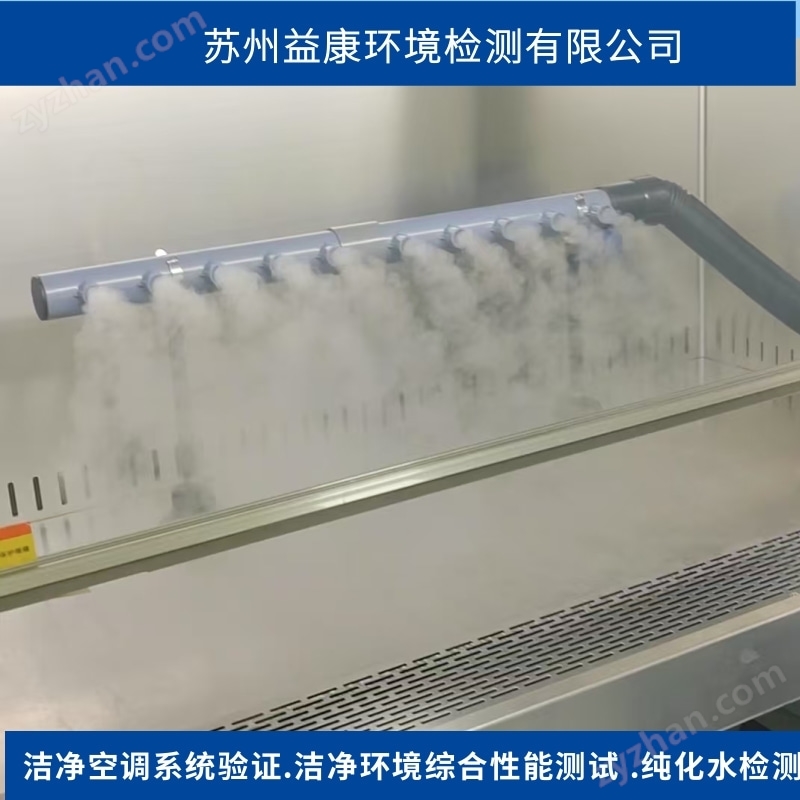
If it is not qualified, locate the air leakage point through smoke testing, pressure detection and other methods; The final report will include test data, qualification status, problem analysis, and improvement suggestions |
Provide a basis for rectification |
Choosing Suzhou Yikang Environment's pipeline air leakage testing service can bring multiple practical benefits to users:
energy conservation and consumption reductionBy repairing air leaks, energy waste can be reduced and operating costs can be lowered. According to calculations, a qualified air duct system can save 15% -30% of energy consumption compared to a system with severe air leakage.
Ensure the effectiveness of air conditioningEnsure that the system operates according to the design conditions and that indoor temperature, humidity, cleanliness, and other parameters meet the standards.
Improve construction qualityTesting during the engineering acceptance stage can promptly identify sealing issues during construction and avoid rework in the later stages.
Extend equipment lifespanReduce equipment overload caused by air leakage and extend the service life of air conditioning units, fans, and other equipment.
Suzhou Yikang Environment's pipeline air leakage testing service accurately evaluates the airtightness of ventilation and air conditioning systems using scientific methods and standard procedures. Whether it is the acceptance of new construction projects or the energy-saving renovation of existing systems, this service can provide users with reliable data support, help reduce energy waste, improve air conditioning efficiency, and is an important means to ensure the efficient and stable operation of the system.