-
E-mail
1622018819@qq.com
-
Phone
+8613729962354,+8615369622507
-
Address
No. 181 Dongcheng West Road, Guancheng District, Guangdong Province/511, Building B, Huaqiang Office Building, Xiaobao North Street, Songzhuang Town, Tongzhou District, Beijing
Product Categories
Dongguan Youte Purification Technology Co., Ltd
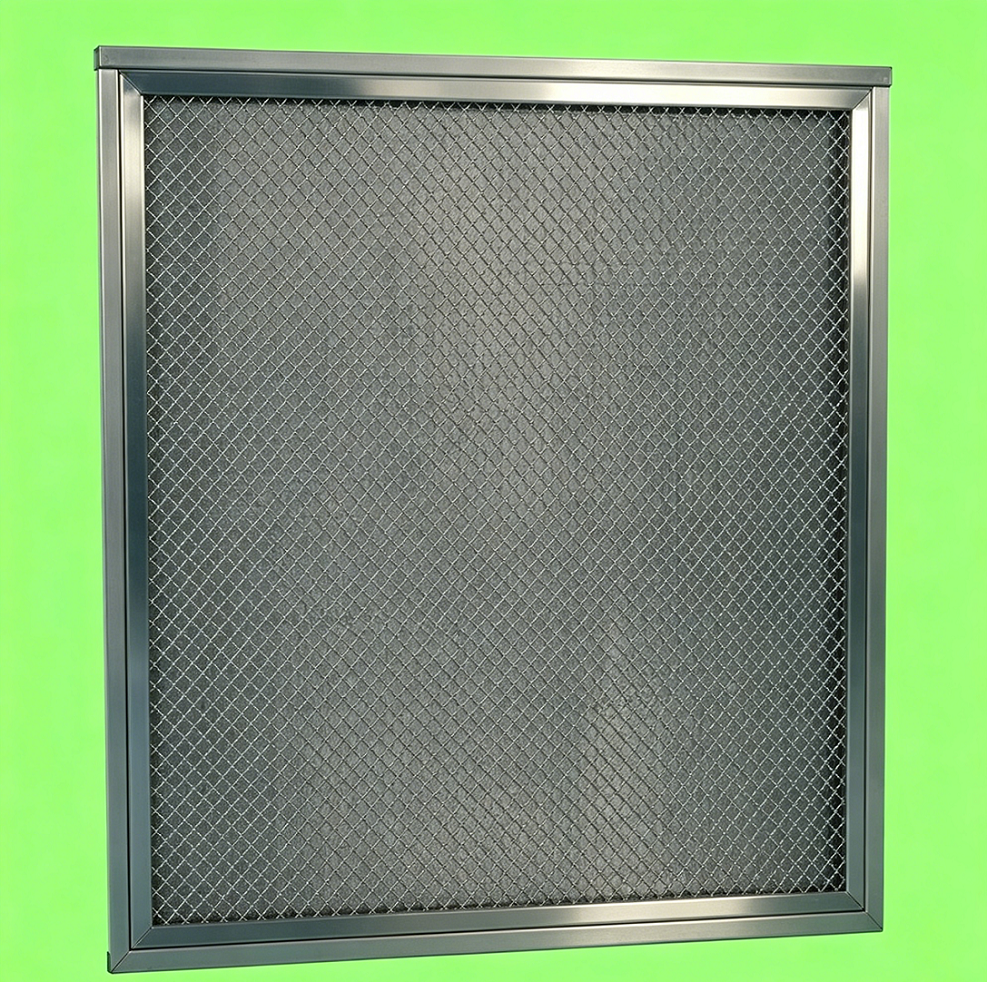
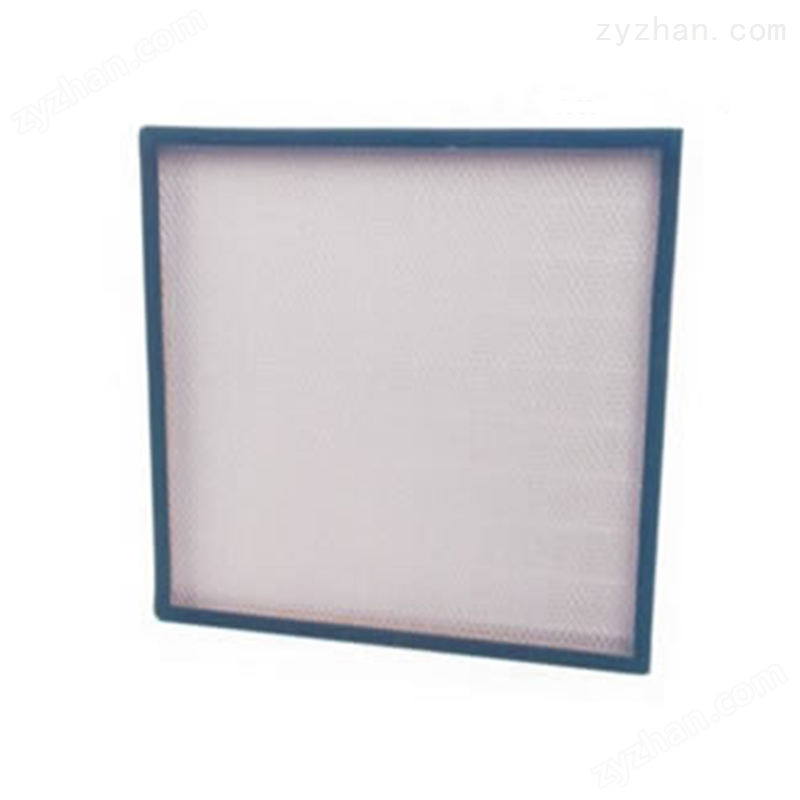
medium efficiency air filter
NegotiableUpdate on 05/18
- Model
- Nature of the Manufacturer
- Producers
- Product Category
- Place of Origin
Overview
UTE medium-efficiency chemical filters primarily selectively adsorb harmful gas molecules. Activated carbon materials contain numerous invisible micropores, providing a large adsorption area. Even a grain of rice-sized activated carbon contains micropores with an internal surface area of over ten square meters. Upon contact with activated carbon, free molecules condense into a liquid within the micropores, remaining there due to capillary action; some even fuse with the material.
Product Details
UTE Medium-Efficiency Filter
Electrostatic Effect: Due to various reasons, fibers and particles may become charged, generating an electrostatic effect. Electrostatically charged filter materials can significantly improve filtration efficiency. Reason: Static electricity alters the trajectory of dust particles, causing them to collide with obstacles; it also makes the dust adhere more firmly to the medium. Materials capable of carrying static electricity are also called "electret" materials. Even with static electricity, the resistance remains unchanged, resulting in a significant improvement in filtration efficiency. However, static electricity does not play a decisive role in filtration efficiency; it only has an auxiliary effect.
Chemical Filtration: Chemical filters primarily selectively adsorb harmful gas molecules. Activated carbon materials contain numerous invisible micropores, providing a large adsorption area. Even a grain of rice-sized activated carbon can have a micropore area of tens of square meters. When free molecules come into contact with activated carbon, they condense into a liquid within the micropores due to capillary action, remaining there; some even integrate with the material. Adsorption without a significant chemical reaction is called physical adsorption. In some cases, activated carbon is treated, causing the adsorbed particles to react with the material, generating solid substances or harmless gases; this is called chemical adsorption. Activated carbon's adsorption capacity continuously weakens during use, eventually rendering the filter unusable. If only physical adsorption is used, heating or steam fumigation can remove harmful gases from the activated carbon, regenerating it.
UTE Medium-Efficiency Filter
The medium-efficiency filter for the leaf storage room uses bag-type synthetic fiber filter material. This material has a filtration accuracy ≤1μm and a filtration efficiency of 40%, performing secondary filtration of fresh and return air to provide a temperature and humidity process environment of 35℃±2℃ and 68%±3%RH for leaf storage in the spinning workshop.
However, composite fiber as a high-temperature and high-humidity environment air filter has the following drawbacks:
(1) Composite fibers easily condense moisture in the air, reducing their permeability, increasing wind resistance, and decreasing the air velocity after filtration, which is detrimental to air transport.
(2) Increased wind resistance increases the load on the supply and return air fans, hindering fan energy saving.
(3) During air conditioning humidification, the dust adsorption capacity of the composite fiber material increases, leading to a greater pressure difference, but disassembly and rinsing are difficult, time-consuming, and labor-intensive.
(4) The service life of composite fiber materials is shortened after rinsing, and the cost of replacing filter bags is high.
In conclusion, to improve process assurance capabilities, save energy and reduce consumption, and lower production costs, improvements to filter materials and filtration methods are necessary.


