-
E-mail
sales2@airs-tech.com
-
Phone
18939760017
-
Address
Room 703, Building 35, C2 International Zone, Lane 1555, Jinshajiang West Road, Jiading District, Shanghai
Anruis (Shanghai) Technology Co., Ltd
The advantages of smart locks in chemical management
Date: 2025-10-15Read: 6
Chemicals, especially hazardous chemicals (hazardous chemicals), are important materials for many enterprises, research institutes, and university laboratories. However, they themselves have high-risk attributes such as flammability, explosiveness, corrosion, and toxicity. A slight negligence in management can lead to serious accidents, causing casualties, property damage, and environmental pollution.
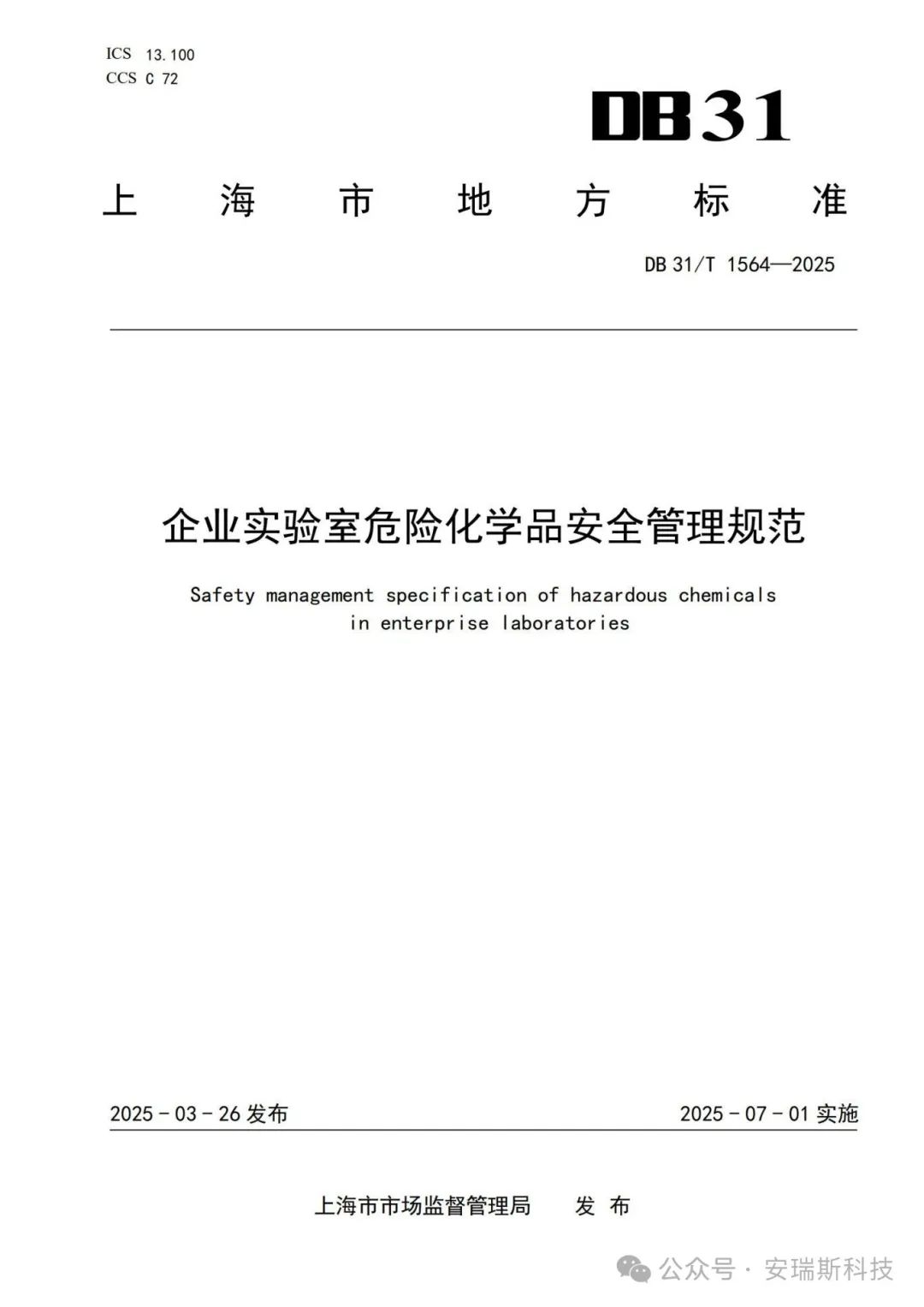
DB31/T 1564-2025 Safety Management Specification for Hazardous Chemicals in Enterprise Laboratories
This standardIt stipulates the full process safety requirements that enterprise laboratories must comply with when managing hazardous chemicals.
The main provisions include the following aspects:
management responsibilityClarify the safety responsibilities of enterprises and laboratories at all levels.
Procurement and TransportationHow to safely purchase and transport hazardous chemicals.
Storage and PreservationHow to correctly classify and store (such as using explosion-proof cabinets, double locks, etc.).
Usage and OperationSafety operating procedures for laboratory personnel when using hazardous chemicals.
DisposalHow to safely handle hazardous waste generated during experiments.
emergency managementDevelop emergency plans and how to handle and report accidents.
Draft of China's Hazardous Chemicals Safety Law
The core of this draft law isEstablish a full lifecycle safety management system for chemicalsThe main regulations stipulate:
1. Responsibilities of all parties:Clarify the safety responsibilities of enterprises, regulatory authorities, and other parties in every aspect of chemical production, storage, transportation, use, and disposal.
2. Risk management:Require risk identification, assessment, and control of chemicals, and establish a monitoring and emergency response system for major hazard sources.
3. Legal responsibility:Establish severe punishment measures for violations of regulations to ensure the enforcement of the law.

For a long time, many units have commonly encountered a core pain point in the management of chemicals, especially hazardous chemicals:The implementation of the "double person double lock" system is difficult, resulting in regulatory measures becoming mere formalities.
According to the countryRegulations on the Safety Management of Hazardous ChemicalsWaiting for relevant regulations,The management of hazardous chemicals must implement a "double person double lock" system, which requires two authorized management personnel to be present at the same time and use their respective keys to open the storage cabinet.The original intention of this move is to establish a mechanism of mutual supervision and restraint, to prevent individual misuse, theft, or loss of hazardous chemicals.
However, in practical operation, this system often faces challenges:
The contradiction between convenience and securityTraditional mechanical locks rely on physical keys. The key needs to be kept by a dedicated person, but there are significant management loopholes such as unclear handover, lost or copied keys when personnel are out, on vacation or leaving the company. More commonly, in order to save time, cabinet doors are often left unlocked or keys are directly inserted into the lock and placed in public drawers. The so-called "double person double lock" is virtually non-existent and has become a state of "emergency retrieval and evacuation, unsupervised".
Difficulty in recording and tracingEven if double opening is performed, access records usually rely on paper ledgers. Manual registration is prone to omissions, errors, proxy signatures, and even retroactive signatures. Once a chemical shortage or accident occurs, it is difficult to quickly and accurately trace the responsible person and usage details, making investigation work exceptionally difficult.
This lax management has laid a huge hidden danger for safety accidents. The loss of chemicals may flow into illegal channels, causing serious social harm; Improper management of chemicals may be used to manufacture explosives, posing a threat to public safety; The indiscriminate use of corrosive reagents or highly toxic substances such as strong acids and bases can easily lead to laboratory personal injury accidents such as chemical burns and poisoning.
To solve the above pain points, it is not enough to rely solely on the consciousness of personnel. It is necessary to deeply integrate strict management systems with reliable technological means, using technology to solidify processes and avoid human risks. The ideal solution should meet the following requirements:
1. Mandatory identity verificationEnsure that only authorized personnel have access to hazardous chemicals.
2. Traceability of operationsAll container opening and retrieval activities must be automatically and accurately recorded to ensure accountability is traceable.
3. The process cannot be bypassedThe possibility of "one person opening dual locks" or "no locks available" must be physically eliminated.
Its core role is reflected in:
1. Strengthen security and compliance: fundamentally eliminate the risks of key duplication, loss, and unauthorized use. Only specific personnel who have been certified by the system can operate, ensuring that the "two person double lock" system is strictly implemented, especially in line with the high standard management requirements for chemicals.
2. Improving management efficiency and convenience: Authorized personnel use facial recognition technologyClick to unlock afterwardsThe door can be opened immediately, and the process is simple and fast, which greatly reduces the motivation for illegal operations caused by cumbersome procedures and enables the smooth implementation of safety management systems.
3. Implement full process traceability: The system automatically records the personnel, time, specific cabinet door number, and other information of each unlocking, and generates detailed logs. Once any problems arise, managers can quickly trace the source, clarify responsibilities, and provide solid data support for safety management.
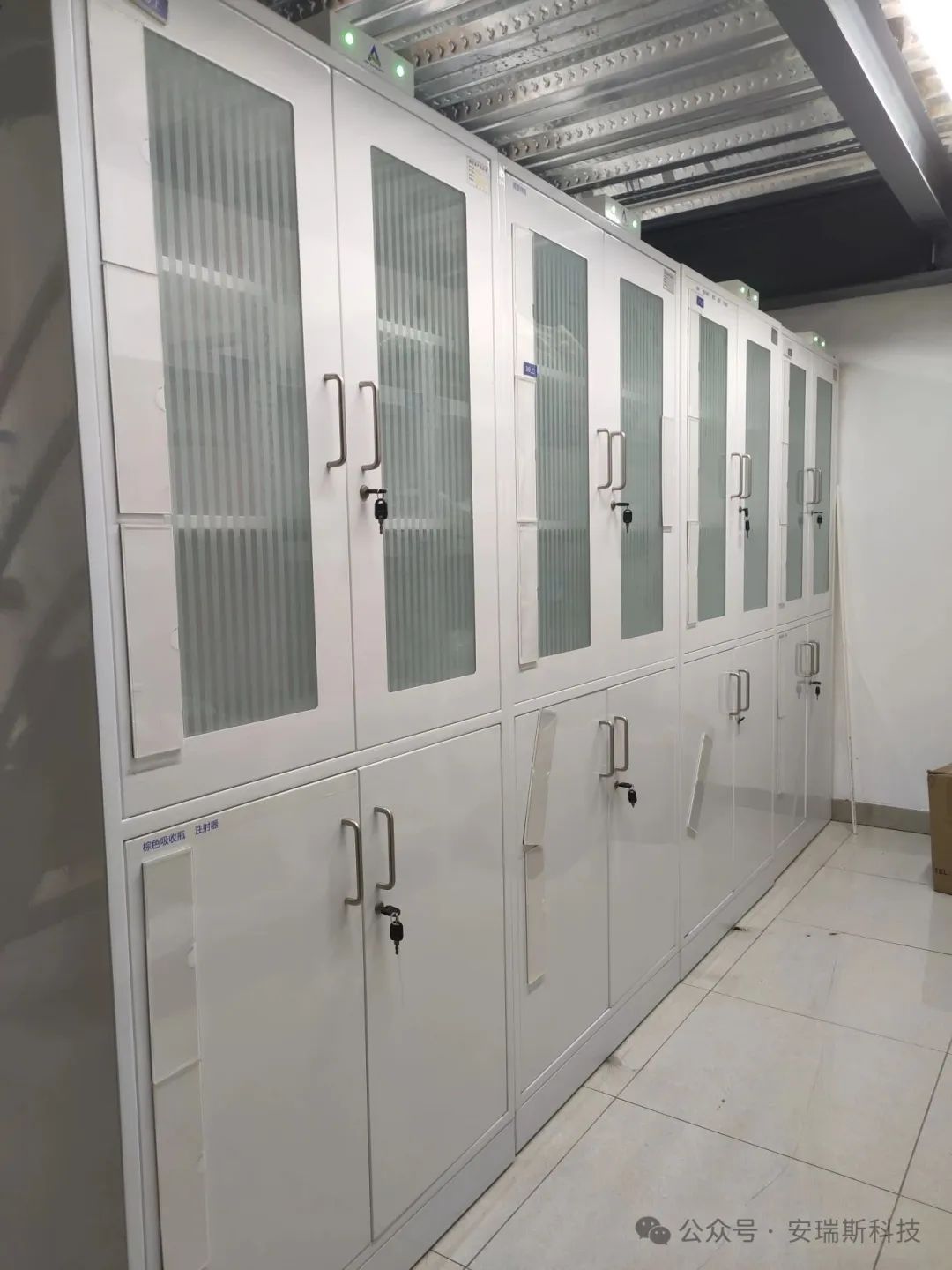
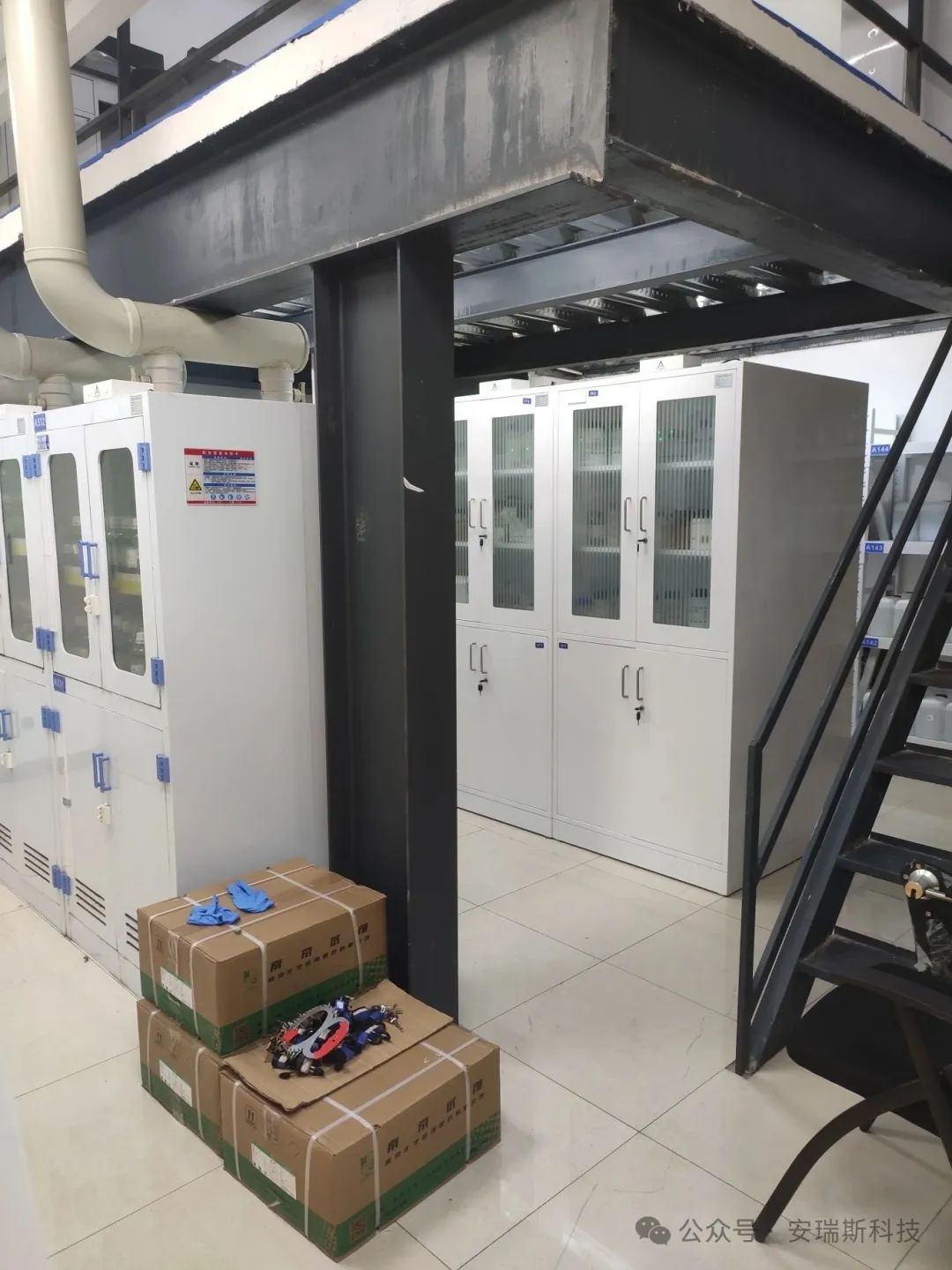
4. High flexibility and scalability: This smart lock can be used as an upgrade module and installed on the vast majority of existing laboratory hazardous chemical cabinets and storage cabinets, without the need to replace the entire cabinet, making it easy to modify. Meanwhile, a setIntelligent management systemMultiple cabinets scattered in different locations can be linked and controlled to achieve unified and intelligent management of hazardous chemical storage resources in enterprises.
5Anruis intelligent lock relies on advanced biometric technologyIt provides a comprehensive and reliable modern solution for hazardous chemical management.This product not only has all the functions mentioned above, including mandatory two person verification, facial recognition for quick unlocking, full process operation traceability, and high scalability, but also demonstrates significant advantages in security, compliance, and management efficiency.Truly achieving 'technology strengthened supervision, intelligent empowerment of security'.


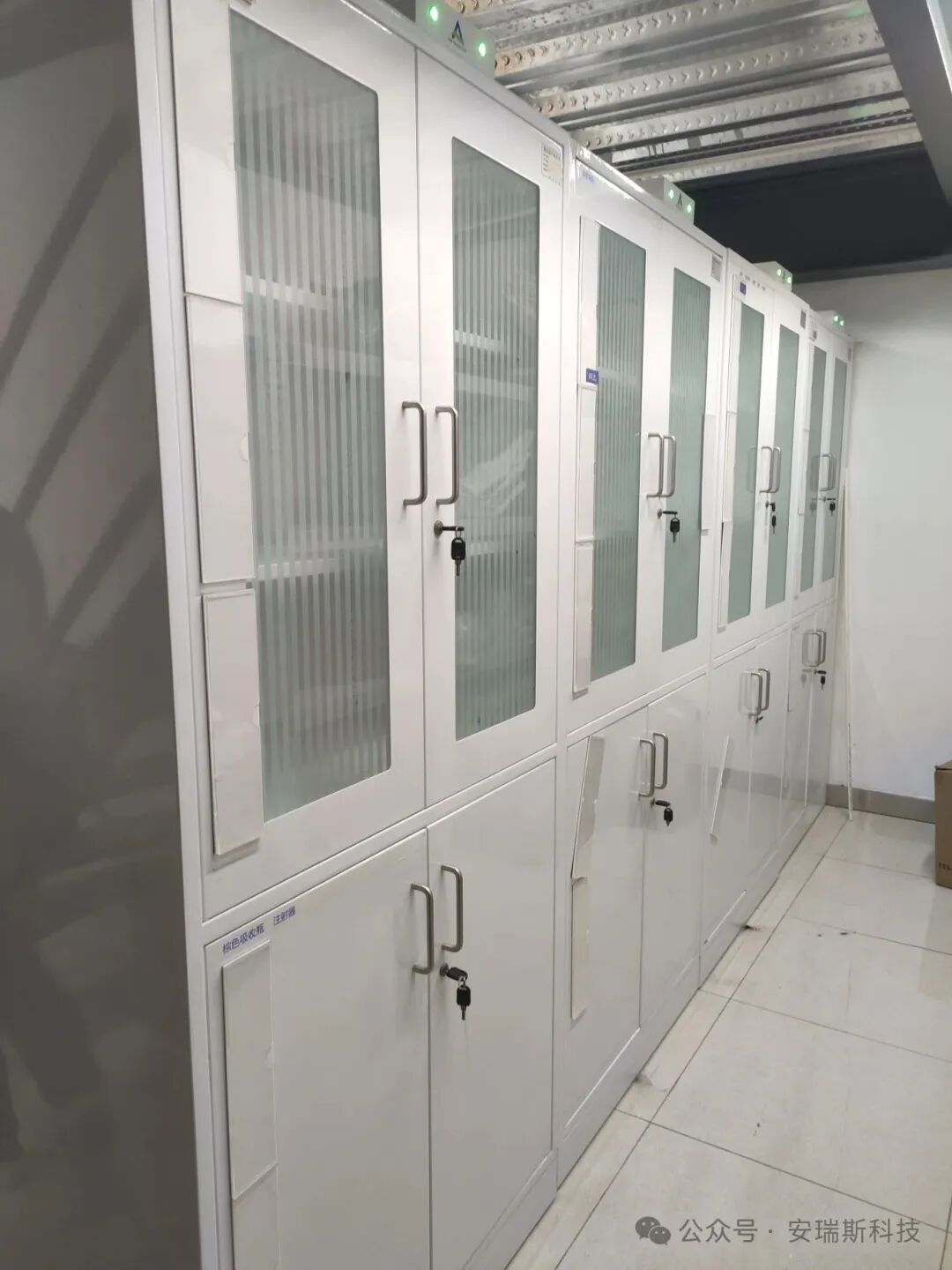
Smart locks are not pursuing the unattainable "futurism", but ratherFocusing on solving the most realistic and difficult "execution difficulty" problem in current hazardous chemical managementIt solidifies strict management systems into convenient operational processes through mature and reliable technological means, building a safe, reliable, efficient, and convenient hazardous chemical management defense line for enterprises. It is a practical tool in modern laboratory and factory safety management.