-
E-mail
sales-sci.cn@horiba.com
-
Phone
13681872955
-
Address
Unit D, 1st Floor, Building A, Lianqiang International Plaza, 1068 Tianshan West Road, Shanghai
HORIBA (China)
Introduction to Maintenance Methods and Importance of Fluorescence Spectrometer
Date: 2025-08-13Read: 2
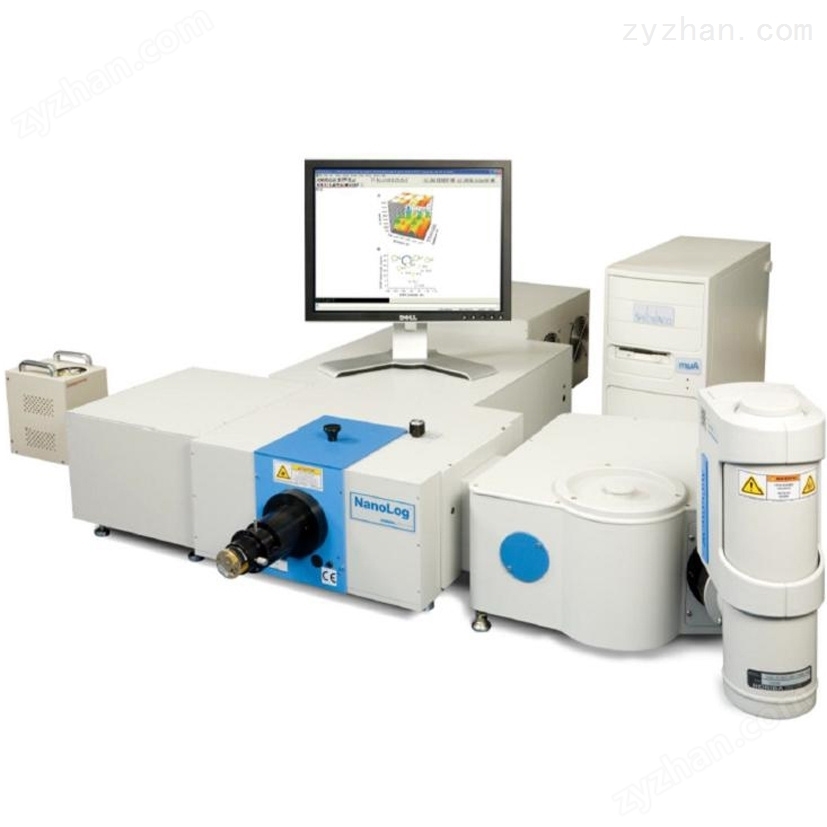
Regular maintenance is essential to ensure the long-term stable operation of the fluorescence spectrometer and obtain accurate and reliable measurement results. This article will provide a detailed introduction to the maintenance methods and importance of fluorescence spectrometers.
1、 Maintenance of Light Source System
1. Check and replace light bulbs
Frequency: It is recommended to check the status of the light bulb every 6 months.
Step: After turning off the power, open the instrument casing and observe whether the light bulb has obvious burning or blackening phenomenon. If the lifespan of the light bulb is nearing its end (usually around 2000 hours), it should be replaced in a timely manner to avoid sudden failure affecting the progress of the experiment.
Attention: When replacing light bulbs, be sure to wear anti-static gloves to prevent static electricity from damaging internal electronic components, and strictly follow the instructions in the manual.
2. Clean optical components
Frequency: Clean once every 3 months.
Step: Use a specialized optical cleaning cloth or compressed air to blow the light source window and reflector surface to remove dust and stains. For stubborn stains, a small amount of anhydrous ethanol can be used to gently wipe them.
Caution: Avoid direct contact with optical surfaces with your hands to prevent fingerprints or oil residue.
2、 Maintenance of detectors
1. Calibration detector
Frequency: Calibrate at least once a year.
Step: Use standard samples for calibration testing to ensure that the detector response is linear and without offset. Adjust the gain setting as needed to keep the signal strength within the normal range.
Attention: Before calibration, it is necessary to ensure that the instrument is preheated sufficiently and the temperature is stable to reduce external interference.
2. Regularly inspect the cooling system
Frequency: Check once every quarter.
Step: For detectors that require cooling, check if the coolant level is normal, if the circulation pump is working smoothly, and if the cooling fan is running properly. Add an appropriate amount of coolant or replace aging components as necessary.
Attention: Cooling system failure may cause overheating and damage to the detector, so it is crucial to promptly identify potential hazards.
3、 Maintenance of sample room
1. Clean the sample rack
Frequency: Clean after each use.
Step: Wipe the surface of the sample holder with a clean and soft cloth to remove any possible chemical residues or other impurities. For corners that are difficult to clean, a cotton swab dipped in a small amount of solvent can be used for local treatment.
Caution: Avoid using highly corrosive cleaning agents to prevent damage to the material of the sample holder.
2. Prevent pollution
Measure: Try to minimize direct contact of liquid samples with the interior of the sample chamber. If accidentally spilled, immediately use absorbent paper to absorb and clean with appropriate solvents. Regularly replace the injection port gasket to prevent leakage and contamination.