-
E-mail
1024441764@qq.com
-
Phone
13562729088
-
Address
Kangming Electronic Industrial Park, Jiezhuang Street, High tech Zone, Jining City, Shandong Province
Jining Tianhua Ultrasonic Electronic Instrument Co., Ltd
The wide application of ultrasonic cell grinder
Date: 2025-06-20Read: 5
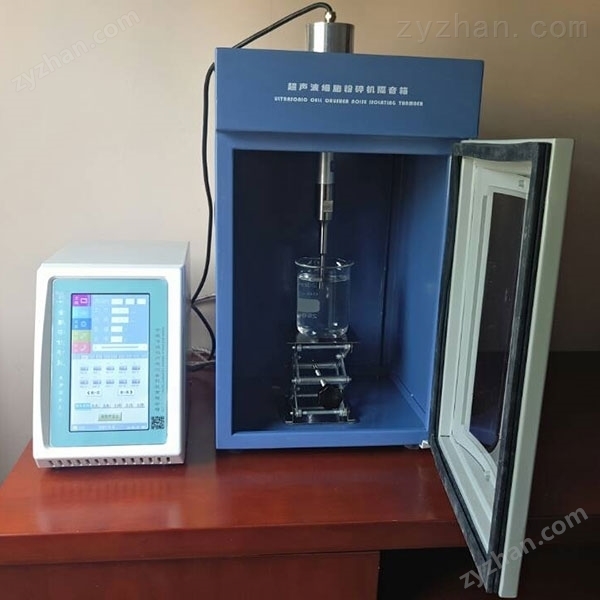
Ultrasonic cell disruptor (also known as ultrasonic disruptor) uses high-frequency ultrasound to generate cavitation effect in liquid medium (rapid formation and collapse of bubbles releasing huge energy), achieving efficient and non-contact material treatment. Its application has penetrated into multiple disciplines, as follows:
1、 Life Sciences and Medicine
1. Cell and Microbial Fragmentation: Crushing bacteria, yeast, fungi, and animal and plant cells to release intracellular proteins, nucleic acids (DNA/RNA), enzymes, or metabolites for gene cloning, proteomics research, and pathogen detection.
2. Vaccine and antigen preparation: inactivate pathogens and break cell walls, extract antigen components for vaccine development.
3. Gene transfection assistance: Improve the efficiency of introducing exogenous genes (such as siRNA, plasmids) into cells through ultrasonic perforation technology.
4. Clinical diagnosis: Quickly process pathological tissue or body fluid samples to assist medical testing.
2、 Pharmaceutical and Biotechnology
1. Drug ingredient extraction: Efficiently break down plant cell walls and accelerate the dissolution of active ingredients in Chinese herbal medicine, such as flavonoids and polysaccharides.
2. Nanodrug preparation: Homogenize drug delivery systems such as liposomes and microemulsions to enhance drug stability and bioavailability (such as paclitaxel nanoparticles).
3. Purification of biomolecules: Assisting in the separation of proteins or enzymes, reducing impurity adhesion, and improving product purity.
3、 Materials and Chemical Science
1. Nano material dispersion: Dissolve and aggregate carbon nanotubes, graphene, and rare earth particles to form a stable suspension.
2. Catalyst activation: Increasing the specific surface area of metal catalysts to improve reaction efficiency (such as Pd/C catalysts).
3. Accelerating chemical reactions: promoting polymer degradation or monomer polymerization through cavitation effect.
4、 Food Industry and Environmental Science
1. Food processing: Homogenize fruit juice and dairy products to improve taste; Crushing plant cells improves nutrient extraction efficiency.
2. Environmental sample processing: Crushing microbial cells in soil or water to analyze the bioavailability of pollutants.
3. Wastewater treatment: Enhance the degradation of organic pollutants (such as ultrasound Fenton combined technology).
5、 Other fields
1. Agricultural research: crushing plant tissues or insect cells for genetic engineering and metabolite analysis.
2. Cosmetics preparation: Emulsifying raw materials, refining particles to enhance product stability.
6、 Technical characteristics support wide applicability
The device can adapt to different sample requirements by adjusting power (0.1%~99.9%), pulse mode, and temperature control system (such as ice bath), and can efficiently complete tasks ranging from micro cells (0.2ml) to large capacity industrial processing (1500ml). The future trend focuses on automation (microfluidic integration) and intelligence (AI parameter optimization), further expanding their applications in precision medicine and green chemistry.