-
E-mail
fengjunjie@noozle.com.cn
-
Phone
13918684639
-
Address
Building 4, 3255 Shengang Road, Songjiang District, Shanghai
Nuoze Fluid Technology (Shanghai) Co., Ltd
Comparative study on preparation of microcrystalline suspension by top-down grinding using dry and wet methods
Date: 2025-09-09Read: 5
Special Topic on Airflow Crushing and Microfluidic Applications | Comparative Study of Dry and Wet Top Down Grinding Preparation of Microcrystalline Suspension
1、 Introduction
This article belongs to the application topic of airflow pulverizer and micro jet homogenizer, with a total of 15600 words. It will take approximately 60 minutes to read.
summary
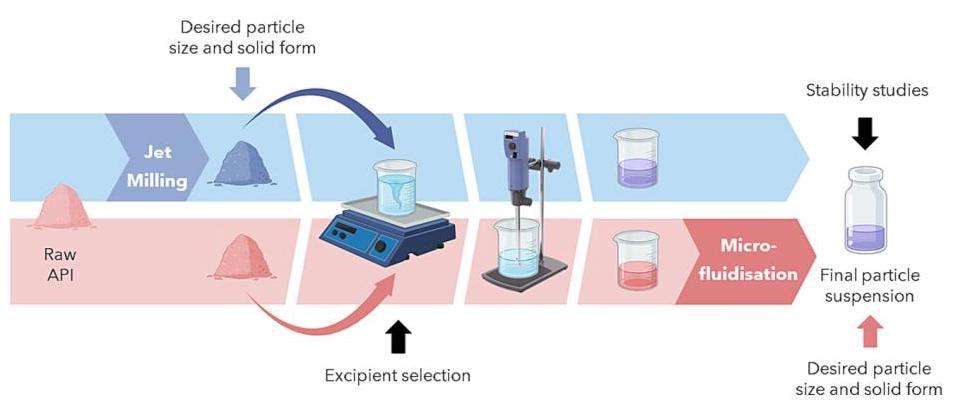
The top-down crushing method is widely used in the pharmaceutical industry for the micronization of active pharmaceutical ingredients (APIs) due to its scalability and easier commercial implementation compared to the bottom-up method. This study comparedAirflow pulverization (dry pulverization) and microjet technology (wet pulverization)Application in crushing indomethacin and naproxen. We established an experimental plan using the Design of Experiments (DoE) method and determined the key parameters that affect the average particle size of API particles. The research objective is to prepare suspensions with the same API, excipient combination, concentration, and particle size using two techniques, and to study the particle size stability, solid form, and morphology of the obtained suspensions. Both techniques have successfully prepared suspensions with particle sizes ranging from 1 to 10 μ m and in stable solid form for API. This study established the key parameters for crushing particles to the target particle size, as well as the production plan for microcrystals, and highlighted the differences between the two methods.
Keywords
Active pharmaceutical ingredients, airflow pulverization, microjet technology, microcrystalline suspension, stability, experimental design
2、 Overall framework
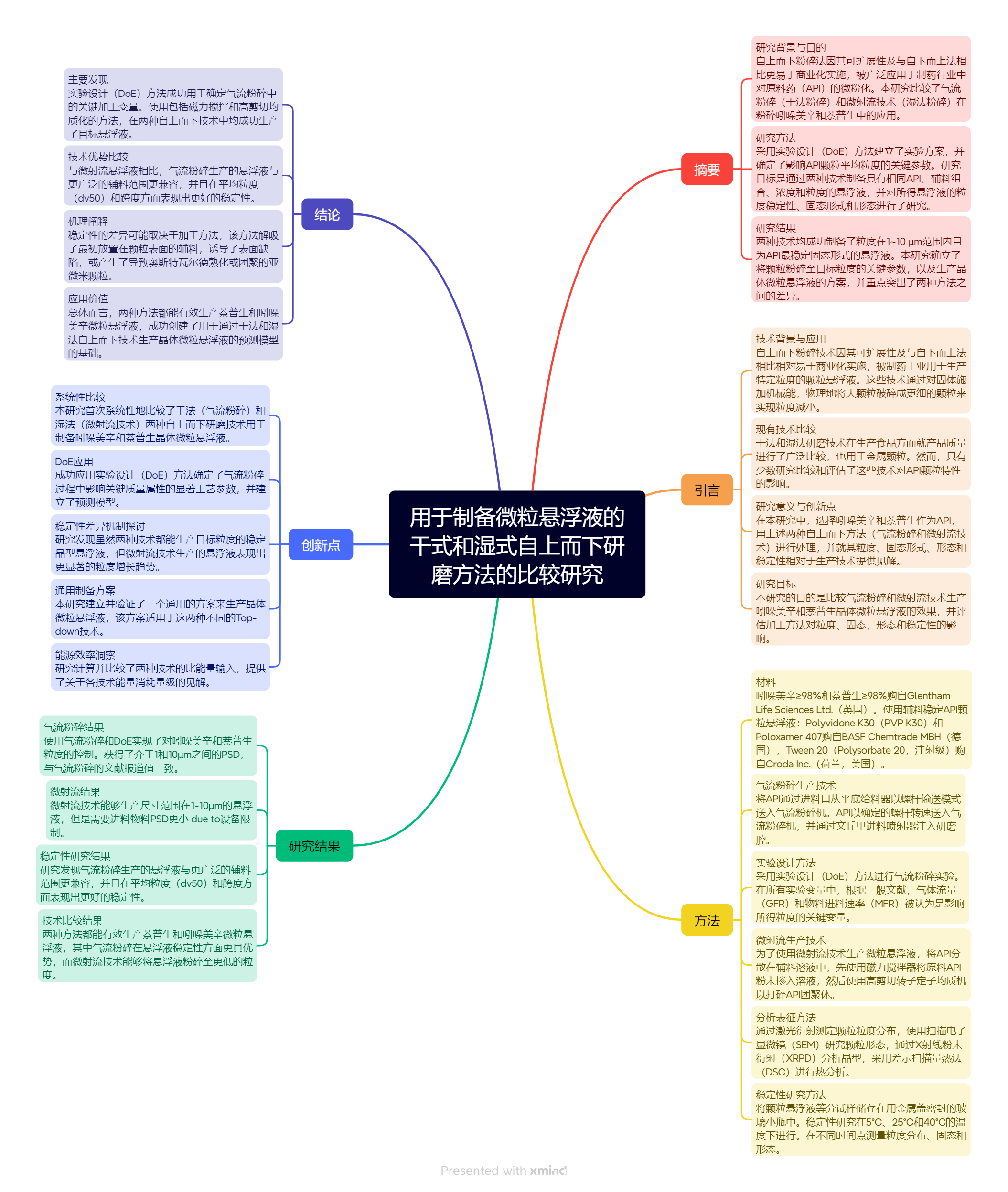
The overall framework of this article is as follows:
3、 Introduction
This study aims to systematically compareDry method (air flow pulverization) and wet method (micro jet)The comprehensive efficacy of two top-down techniques in preparing insoluble drug (indomethacin and naproxen) particle suspensions.
By using the Design of Experiments (DoE) method, the study will delve into the effects of different crushing mechanisms (collision and shear forces as the main mechanism for dry crushing, and cavitation effects as the main mechanism for wet crushing) on the key mass properties of API particles, including: ① control accuracy and stability of particle size distribution (PSD); ② Risk of polymorphic transformation and stability of solid form; ③ Changes in particle morphology characteristics; ④ Differences in physical stability during long-term storage. The research results will provide key data support for the scientific selection of micronization technology based on product target characteristics in the pharmaceutical industry, such as redispersibility of injection suspensions and dissolution of oral formulations, while establishing a standardized process development path for micronization of poorly soluble drugs.
4、 Basic process
Production of Microcrystalline Suspension Using Airflow Grinding Technology
Crushing equipment
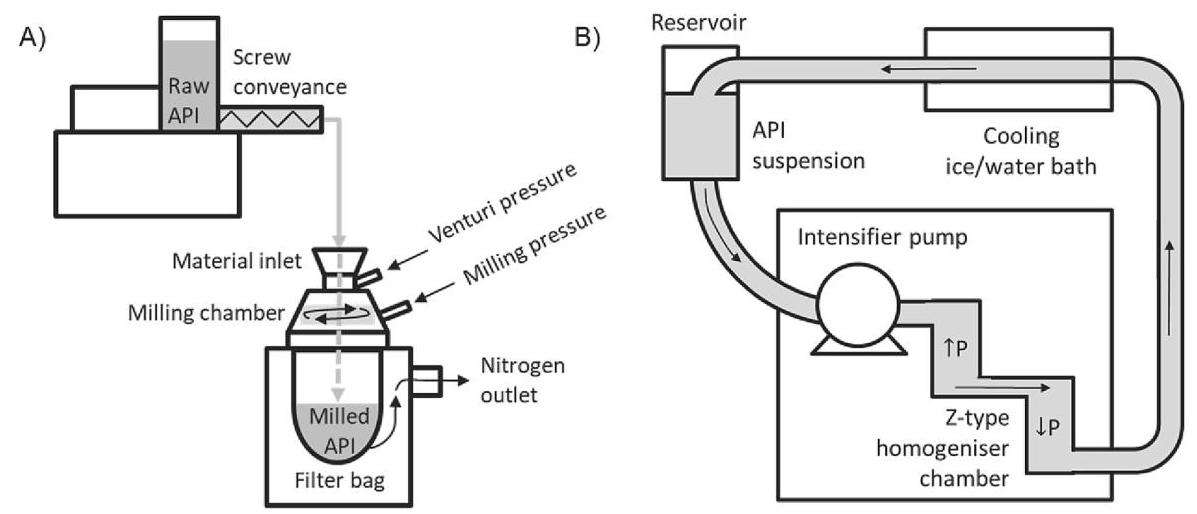
Equipment: Use a disc type airflow crusher with nitrogen (N ₂) as the grinding gas.
Crushing parameters
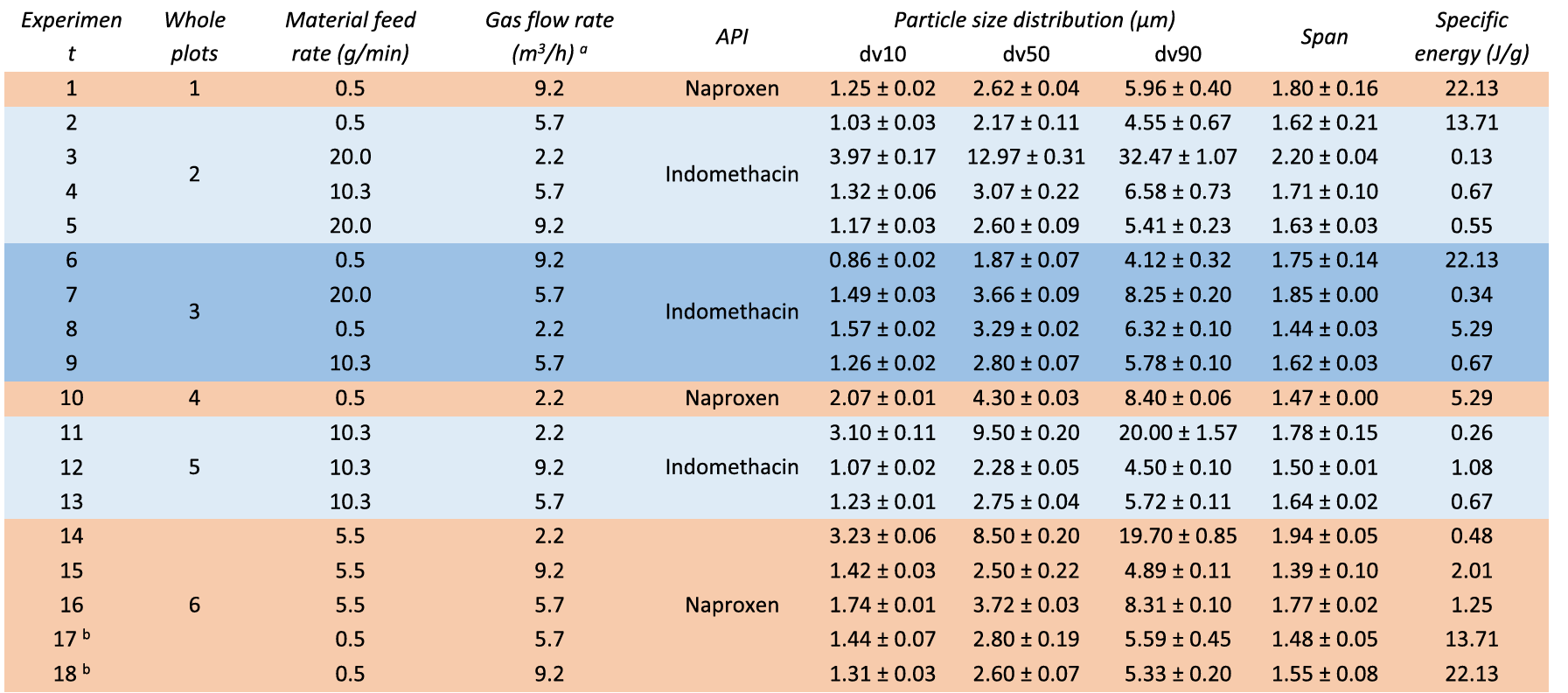
Control the feed rate (MFR, 0.5-20 g/min) of API materials through precision feeders, and control the grinding pressure by adjusting the gas flow rate (GFR, 2.2-9.2 m ³/h). The particles are accelerated through the nozzle, collide and break in the grinding chamber, and finally collected by the bag filter.
Preparation method
Method: The API dry powder obtained by airflow pulverization was gradually added to an aqueous solution containing stabilizers (10 mg/ml Poloxamer 407 and 20 mg/ml Tween 20).
Dispersion process: First, magnetic stirring (1000 rpm, 1 hour) is used for preliminary wetting and dispersion. Then, a high shear dispersion homogenizer (3000 rpm, 2 minutes) is used for strong dispersion to crush any possible aggregates, ultimately forming a uniform suspension with an API concentration of 200 mg/ml.
Sample storage
Divide the prepared suspension into small glass bottles, seal them, and use them for subsequent stability studies.
Production of Microcrystalline Suspension Using Microfluidic Jet Technology
preprocessing
Firstly, disperse the raw material API powder (indomethacin or naproxen) in an aqueous solution containing stabilizers (10 mg/ml Poloxamer 407 and 20 mg/ml Tween 20), with an API concentration of 200 mg/ml.
The dispersion process is consistent with the liquid preparation stage of the air flow pulverization method: first, magnetic stirring (1000 rpm, 1 hour), and then high shear dispersion (3000 rpm, 2 minutes) to ensure that the initial suspension is uniform and free of large aggregates.
Micro jet homogenization equipment
Equipment: Micro jet homogenizer high
Homogeneous parameters
Homogenization pressure: maximum pressure of 30000 psi (approximately 2000 bar)
Interaction cavity: Z-shaped cavity, with a minimum channel diameter of 87 μ m
Temperature control: Use water/ice bath to cool the material, strictly control the inlet temperature (10-20 ° C) and outlet temperature (5-15 ° C) to eliminate the impact of high heat generated by pressure on API stability
Sample storage
Divide the prepared suspension into small glass bottles, seal them, and use them for subsequent stability studies.
Particle characterization
| characterization technology | test object | Core measurement indicators/objectives | Key sample preparation method | Important parameters/remarks |
|---|---|---|---|---|
| Laser diffraction | Dry powder&suspension | PSD (Particle Size Distribution): -DV10, DV50 (median particle size), DV90 -Span (distribution width) |
Suspension: direct injection Dry powder: using the slurry approach, wet with Tween 20 and disperse in water |
Set the refractive index and absorption index of the API The slurry method is fast and saves samples, but requires low solubility of API in wetting agents |
| Scanning Electron Microscope (SEM) | Dry powder&suspension | Observation of particle morphology, surface structure, and intuitive size | Dry powder: directly adhered to the sample pile | Gold coating needs to be sprayed before analysis to improve conductivity |
| X-ray Powder Diffraction (XRPD) | Dry powder&suspension | Solid state form/crystal form identification, confirmation of no polycrystalline transformation | Suspension: After dropping the sample, dry it at room temperature to make a dry film for measurement | Scanning range: 4-50 ° (2 θ) |
| Differential Scanning Calorimetry (DSC) | dry powder | Thermal behavior, melting point, determination of crystal purity, detection of amorphous content | Take 5-10 mg of the sample and place it in a perforated aluminum crucible | Scanning rate: 5 ° C/min Temperature range: 25-299 ° C (covering API melting point) Nitrogen atmosphere |
5、 Results and Discussion
airflow pulverization
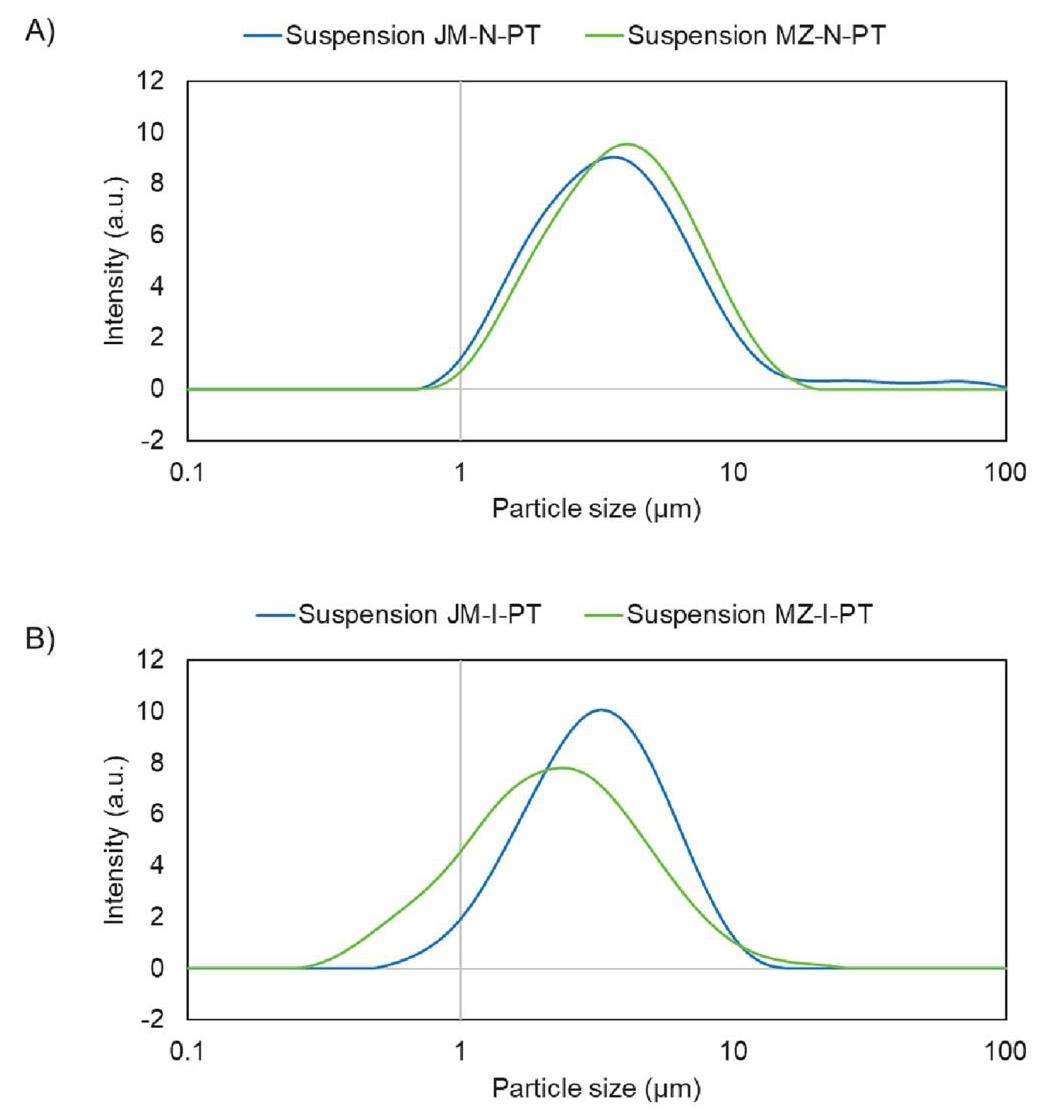
Successfully achieved granularity controlBy using the DoE method, the particle size of indomethacin and naproxen was successfully reduced to the target range (1-10 μ m).
Experimental parameter rangeThe material feed rate (MFR) is 0.5-20 g/min, and the gas flow rate (GFR) is 2.2-9.2 m ³/h.
Key process parametersStatistical analysis shows that GFR (negative correlation) and MFR (positive correlation) have a significant linear effect on the median particle size (dv50), and the interaction between the two is also extremely important. The impact of API types themselves is not statistically significant.
The relationship between energy and granularityUnder the combination of low MFR (0.5 g/min) and high GFR (9.2 m ³/h) (i.e. high specific energy input), the finest particles were obtained (as in experiments 1, 6, 18). On the contrary, high MFR and low GFR (low specific energy) lead to insufficient grinding (as in experiments 3, 11, 14).
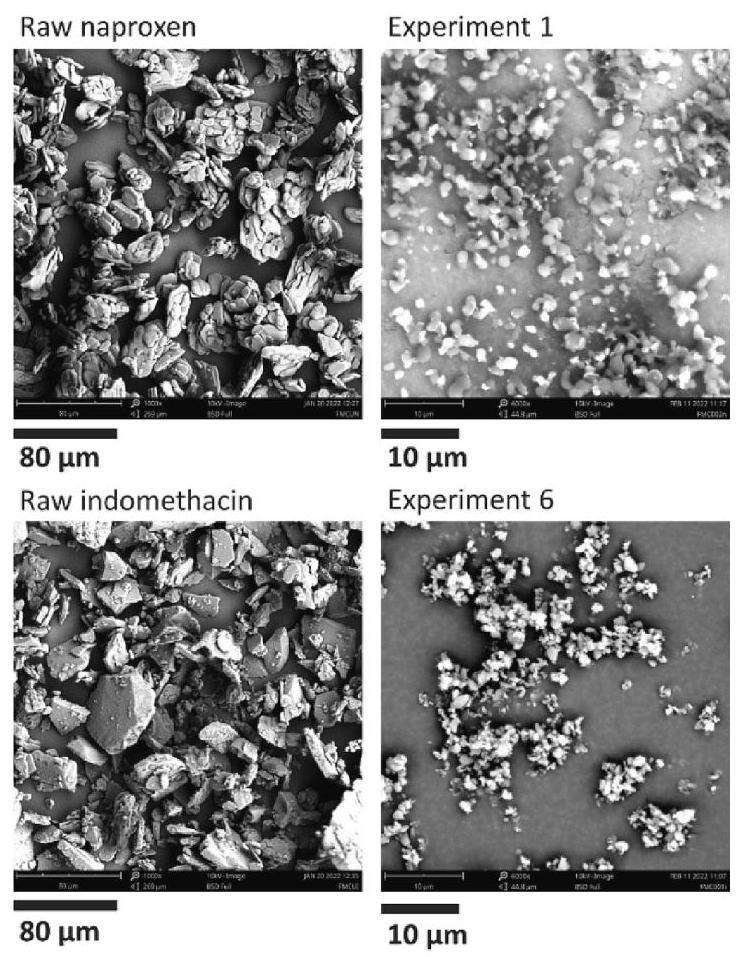
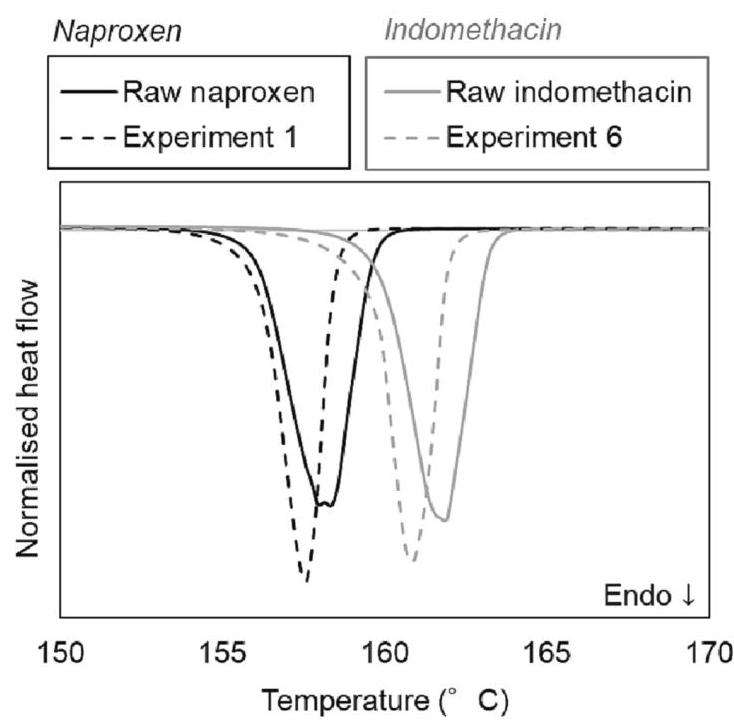
Form and Solid FormSEM showed that the particle morphology became irregular after grinding, but compared with the raw material, DSC and XRPD confirmed that no amorphous or polycrystalline transformation occurred even under high energy input, successfully maintaining the stable crystalline form of the API.
Micro jet technology
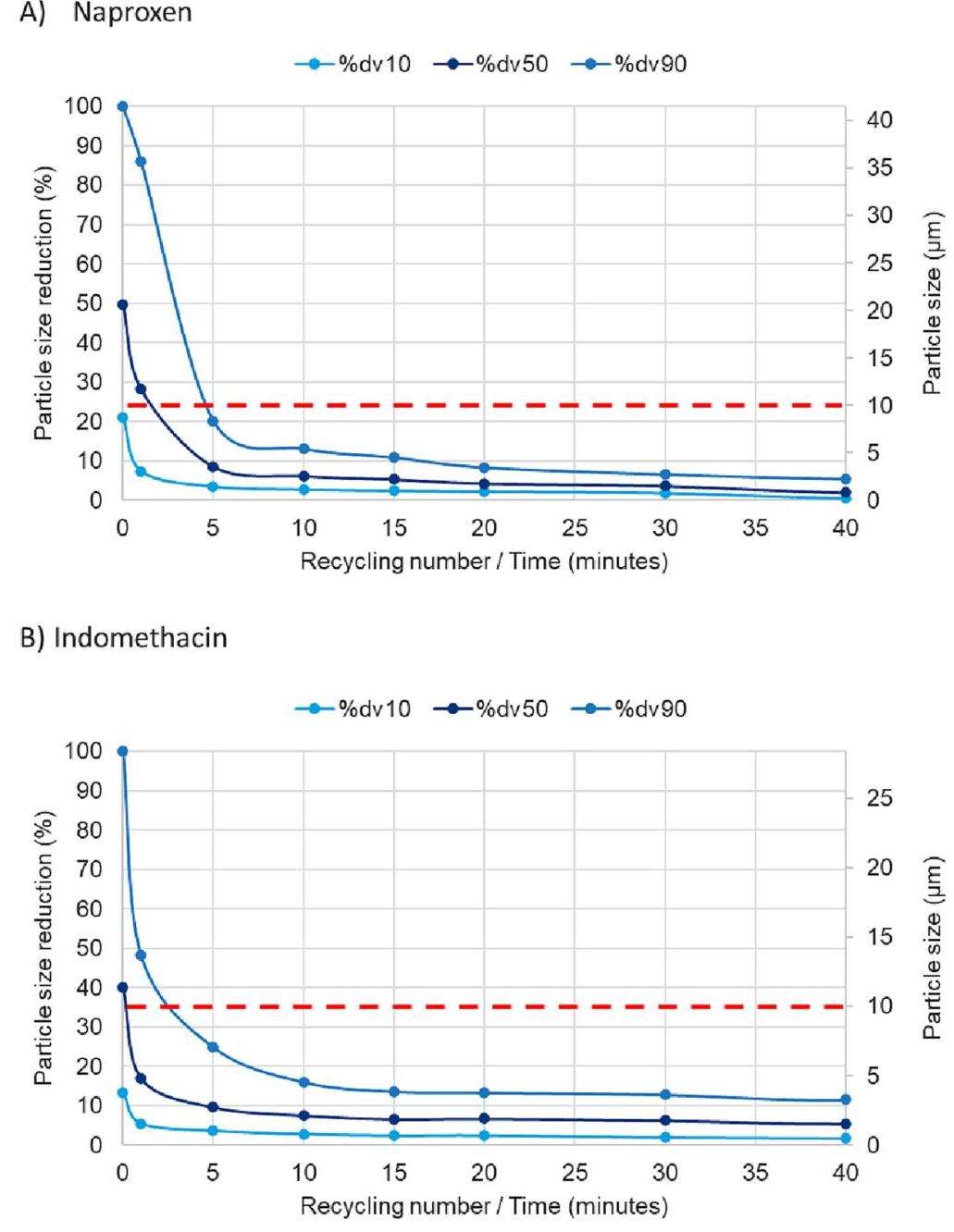
Efficient granularity reductionAt a fixed maximum pressure (30000 psi), it only takes 5 cycles (RN=5) to reduce the particle size of the suspension of both APIs to the target range (1-10 μ m).
The process is simple but has limitationsCompared with optimizing multiple parameters for airflow crushing, micro jet technology mainly controls particle size by adjusting RN, making the process simpler. But it has strict requirements for the particle size of the feed, resulting in indomethacin raw materials having to be pre treated by air flow crushing.
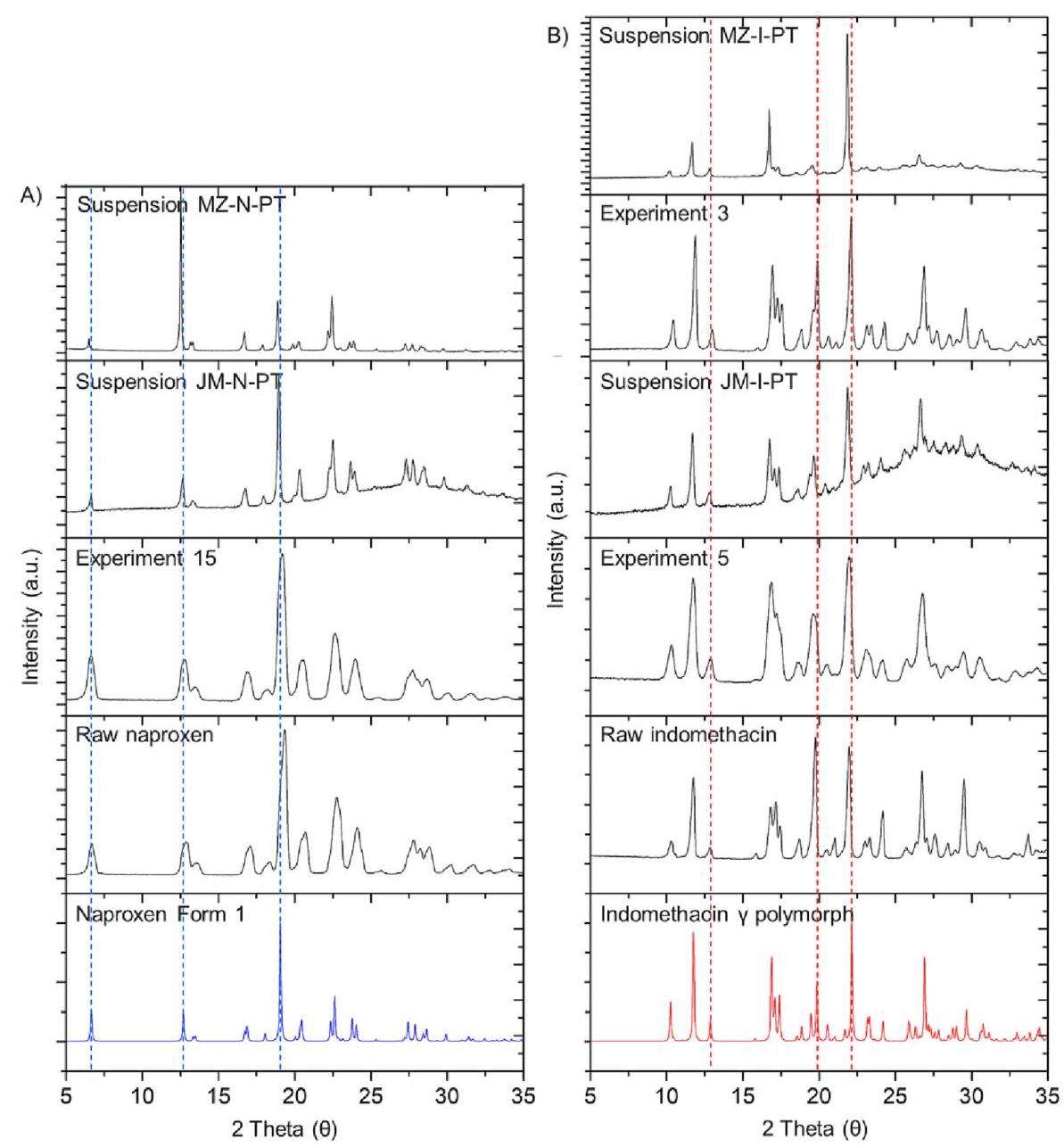
Solid state form stableLike air flow pulverization, microjet technology did not induce the polycrystalline transformation of API.
stability study
Core findings: Significant differences in stability
Research has found that production technology is a key factor affecting the physical stability of suspensions.
The JM suspension exhibited excellent physical stability under all test conditions, with no significant statistical significance in changes in particle size (dv10, dv50, dv90) and span over time.
Microfluidic jet (MZ) suspensions, especially those stabilized with Poloxamer 407/Week 20 naproxen suspension (MZ-N-PT), exhibited significant particle size growth (p-value<0.05) at all temperatures (5 ° C, 25 ° C, 40 ° C).
Key Results and Observations:
The problem of micro jet suspension:
MZ-N-PT suspension: At 25 ° C and 40 ° C, dv10, dv50, and dv90 all significantly increased; At 5 ° C, dv50 and dv90 also significantly increased.
MZ-I-PT suspension (indomethacin): At 25 ° C and 40 ° C, dv10 significantly increased, and Span (distribution width) significantly widened at all temperatures, indicating that the particle size distribution became no longer uniform.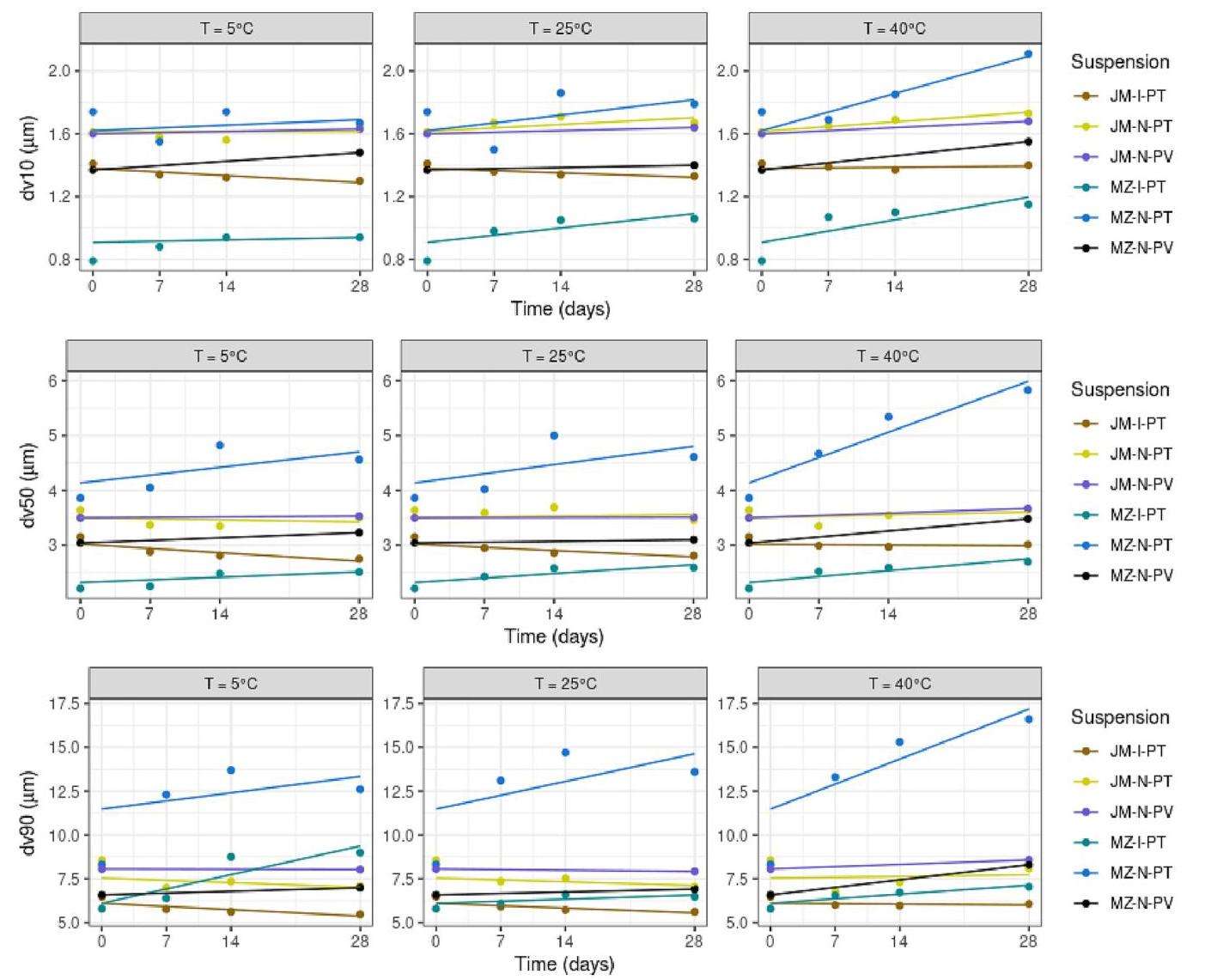 Stability improvement plan: When the stabilizer of naproxen micro jet suspension is replaced with PVP K30 (i.e. suspension MZ-N-PV), the particle size growth phenomenon disappears, indicating that the selection of stabilizer is crucial for micro jet technology.
Crystal stability: All suspensions did not undergo polymorphic transformation during the 28 day storage period, and XRPD confirmed that the API always maintained its stable crystal form.
Analysis of unstable mechanisms:
The fundamental reasons for the instability of micro jet suspensions were explored in the study, and several possible mechanisms were proposed:
Ostwald Ripening: Higher energy input of microjets may generate submicron sized particles (such as the dv10<1 μ m of MZ-I-PT). These small particles have higher solubility and will dissolve and re deposit on the surface of larger particles, resulting in an increase in average particle size. The excipients may unexpectedly increase the solubility of the API, exacerbating this process.
Surface defects and energy: The high energy input of microjets may cause particles to produce more surface defects or disordered areas, which have higher energy and are more easily dissolved, providing a driving force for maturation.
Stabilizer desorption: High pressure shear forces may hinder the effective adsorption or desorption of stabilizers (Poloxamer 407/Week 20) on particle surfaces, thereby reducing electrostatic or spatial stabilization effects and making particles easier to aggregate and grow.
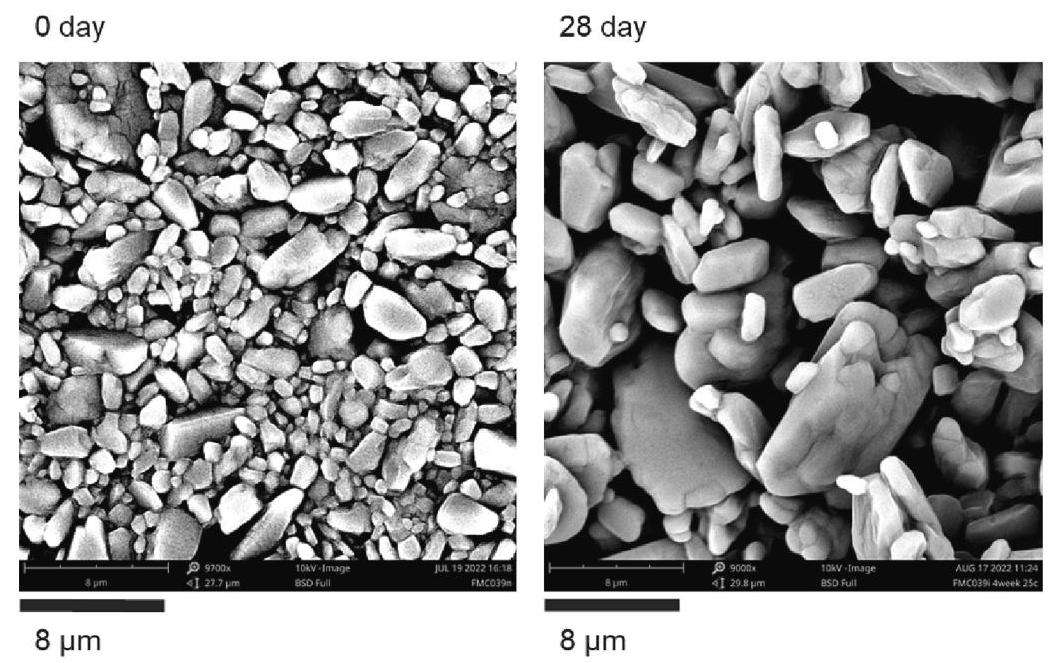
SEM evidence supports: SEM imaging of the unstable suspension (MZ-N-PT) observed particle growth and irregular morphology (such as aggregates and surface defects), providing intuitive evidence for the above mechanism.
VI. Conclusion
This study systematically compared the preparation of indomethacin and naproxen particle suspensions using air flow pulverization (dry method) and micro jet technology (wet method). It was found that although both methods were able to successfully prepare suspensions of 1-10 μ m and maintain stable drug crystal forms, the key difference lies in product stability: air flow pulverization achieved significantly better physical stability and wider compatibility with excipients by precisely controlling gas flow rate and feed rate; Although micro jet technology has high particle size control efficiency, its high energy input can easily lead to particle coarsening or Ostwald ripening, posing significant stability challenges. Therefore, if the target product requires long-term stability (such as long-acting formulations), airflow pulverization is a more reliable choice.
References
[1]Fidel Méndez Caellas, Al-Rifai N , Padrela L ,et al.A comparative study of dry and wet top-down milling approaches for the preparation of microparticle suspensions[J]. Powder Technology, 2023, 428.DOI:10.1016/j.powtec.2023.118829.
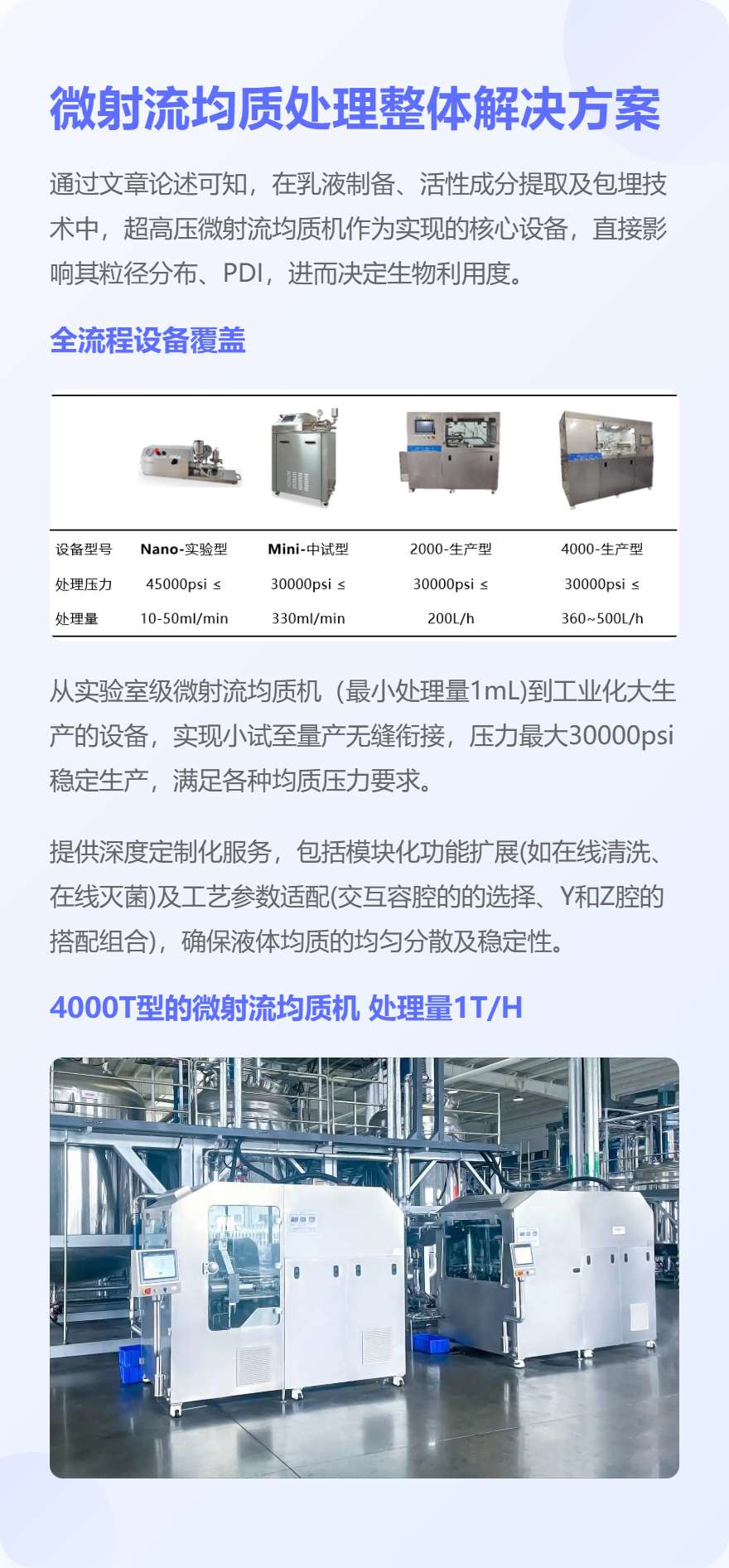
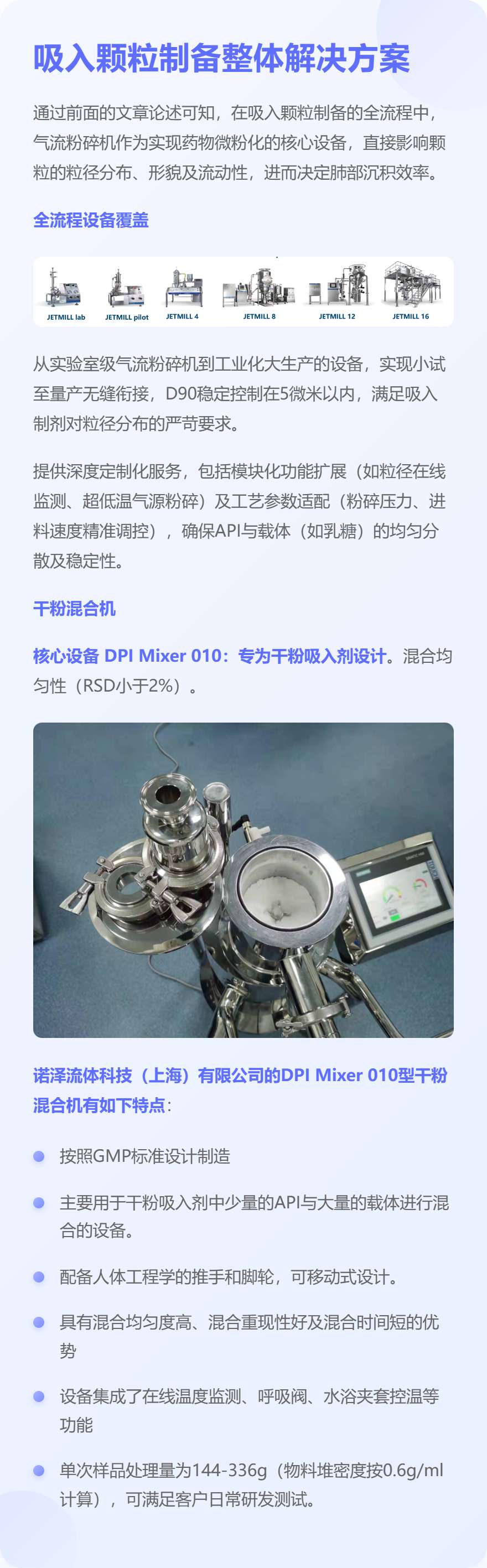
Integrated solution for inhalation particle preparation
Integrated solution for micro jet homogenization treatment