-
E-mail
li.fu@perkinelmer.com
- Phone
-
Address
1670 Zhangheng Road, Pudong New Area
PerkinElmer Enterprise Management (Shanghai) Co., Ltd
Liquid chromatography-mass spectrometry (LC-MS) is suitable for analyzing low concentration samples
Date: 2025-11-19Read: 9
Liquid chromatography-mass spectrometry (LC-MS) is an analytical instrument that combines high-performance liquid chromatography (HPLC) and mass spectrometry (MS) technologies, widely used in fields such as chemistry, pharmacy, environmental science, food safety, and life sciences. It has the characteristics of high sensitivity, high selectivity, and strong ability to analyze complex samples, especially suitable for the analysis of trace components in complex matrices. Not only can it separate various components in complex samples, but it can also perform qualitative and quantitative analysis on these components, making it an important tool in modern analytical chemistry research.
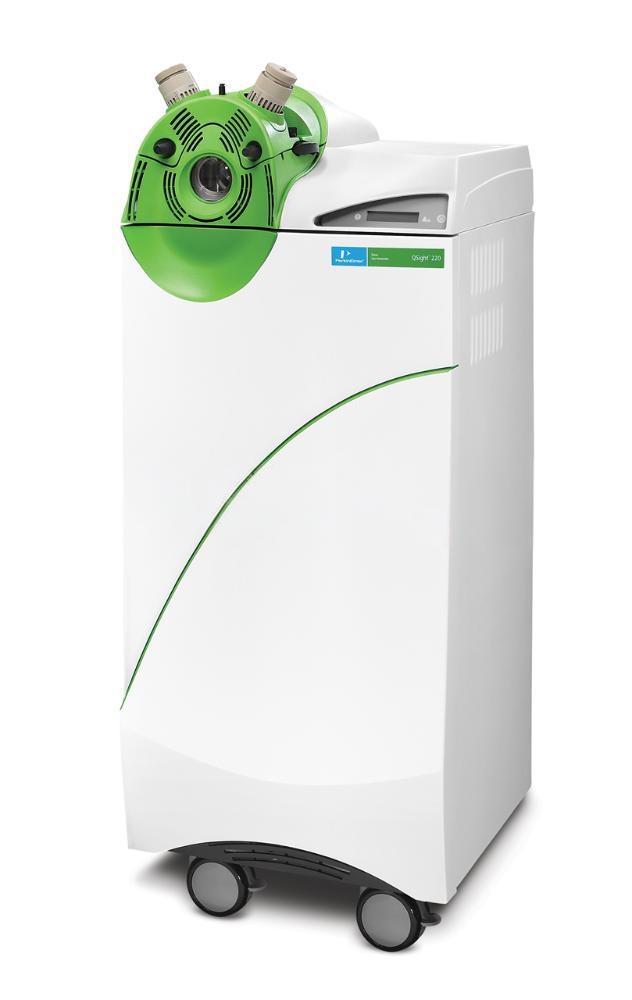
Liquid chromatography-mass spectrometerAdvantages:
1. High sensitivity and selectivity: It can sensitively detect trace components in complex matrices, especially suitable for analyzing low concentration samples.
2. Strong qualitative and quantitative capabilities: Through mass spectrometry analysis, molecular structure and molecular weight can be accurately determined, and quantitative analysis can be carried out through ion peak intensity.
3. Ability to adapt to complex samples: The separation capability provided by liquid chromatography can effectively avoid interference from the sample matrix, enabling HPLC-MS to exhibit high performance in analyzing complex samples.
4. Multi analysis capability: By adjusting the working parameters of the mass spectrometer, the mass and content of multiple components can be analyzed simultaneously, making it particularly suitable for simultaneous determination of multiple drugs, chemical substances, etc.
5. Wide application areas: Suitable for multiple fields such as analytical chemistry, pharmacy, food safety, environmental monitoring, etc., it can meet the needs of different fields for high-precision and high-sensitivity analysis.
Application areas of liquid chromatography-mass spectrometry:
1. Drug analysis:
HPLC-MS is widely used for qualitative and quantitative analysis of drugs, especially in drug metabolism, drug residue, drug purity analysis, and other aspects, showing excellent performance. It can accurately detect drug components and their metabolites in plasma, urine, and tissue samples.
2. Food safety:
In the field of food safety, HPLC-MS is used to detect harmful substances such as additives, pesticide residues, and heavy metals in food, ensuring food quality and safety.
3. Environmental monitoring:
Plays an important role in environmental pollutant analysis, capable of detecting harmful substances in water, air, and soil, especially trace pollutants.
4. Biological sample analysis:
HPLC-MS is widely used in biological research, especially in proteomics, metabolomics, and molecular biology studies, which can analyze complex components in biological samples.
5. Clinical testing:
HPLC-MS is used for the analysis of trace components in body fluids such as blood and urine, and plays an important role in endocrinology, clinical drug monitoring, disease diagnosis, and other fields.